
Learn how to find and use historical newspapers in your genealogy research. Discover clues and details that help fill gaps in an ancestor’s life.
For a long time I put off searching old newspapers for family history. They felt intimidating and time-consuming. Yet newspapers are among the most valuable sources for genealogy, often providing names, events, relationships, occupations, and local context that other records do not.
Why We Procrastinate Using Historical Newspapers In Our Research
Finding the right newspapers can be challenging. No single repository holds every title, so researchers typically search multiple databases—some free, some subscription-based. It helps to know which collections cover the locations and time periods you need.
Many papers remain undigitized. When a needed title exists only in physical form, you may need to arrange access through a local library, archive, or interlibrary loan.
Newspaper text can be difficult to read. Dense columns, small type, poor scans, and microfilm viewing can make extraction slow. Despite that, the effort usually pays off because newspapers capture everyday details not found elsewhere.

Where To Locate Historical Newspapers
You can locate historical newspapers both online and offline. Below are common starting points and strategies to help you find relevant titles and editions.
Free Online Newspaper Databases
Chronicling America is a widely used free resource with digitized U.S. newspapers and a comprehensive U.S. Newspaper Directory listing thousands of titles and publication details. It’s an excellent first stop for U.S. research.
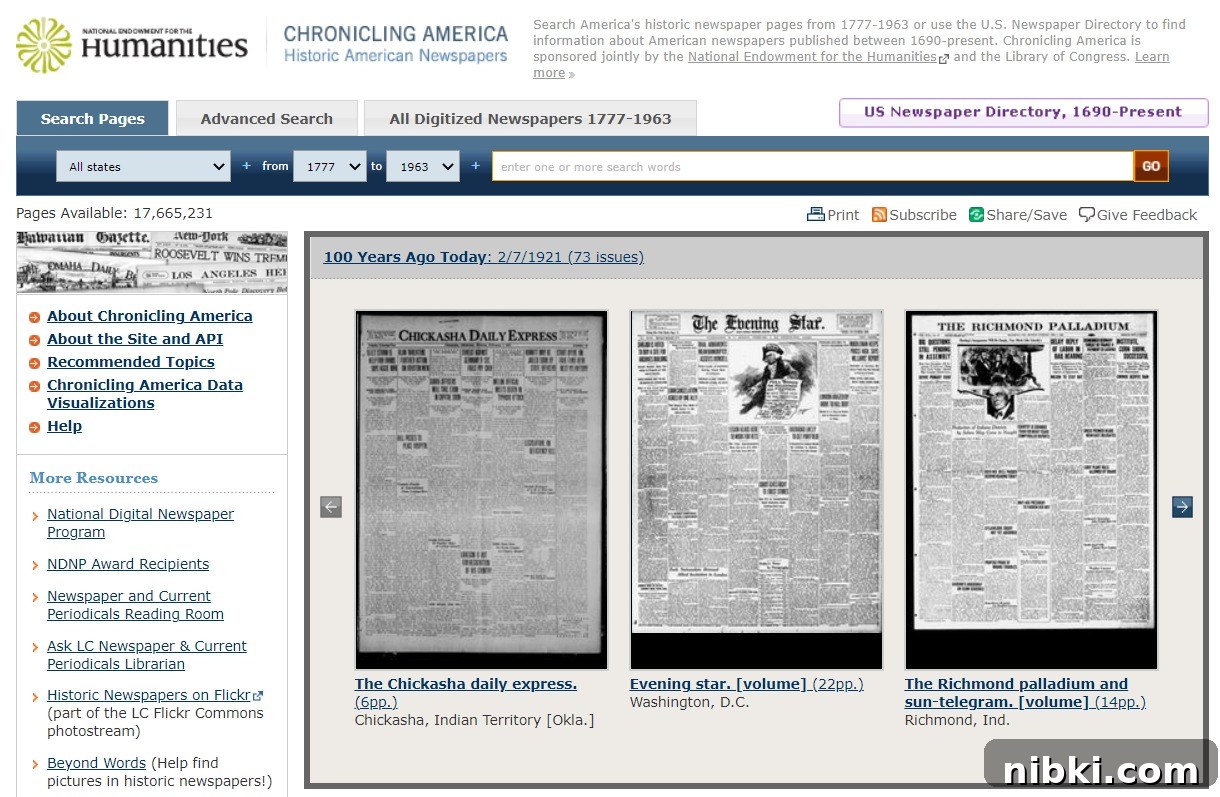
FamilySearch also offers newspaper collections and links to regional resources. University guides and digitization lists, such as state-by-state newspaper guides, are useful for locating free regional collections.
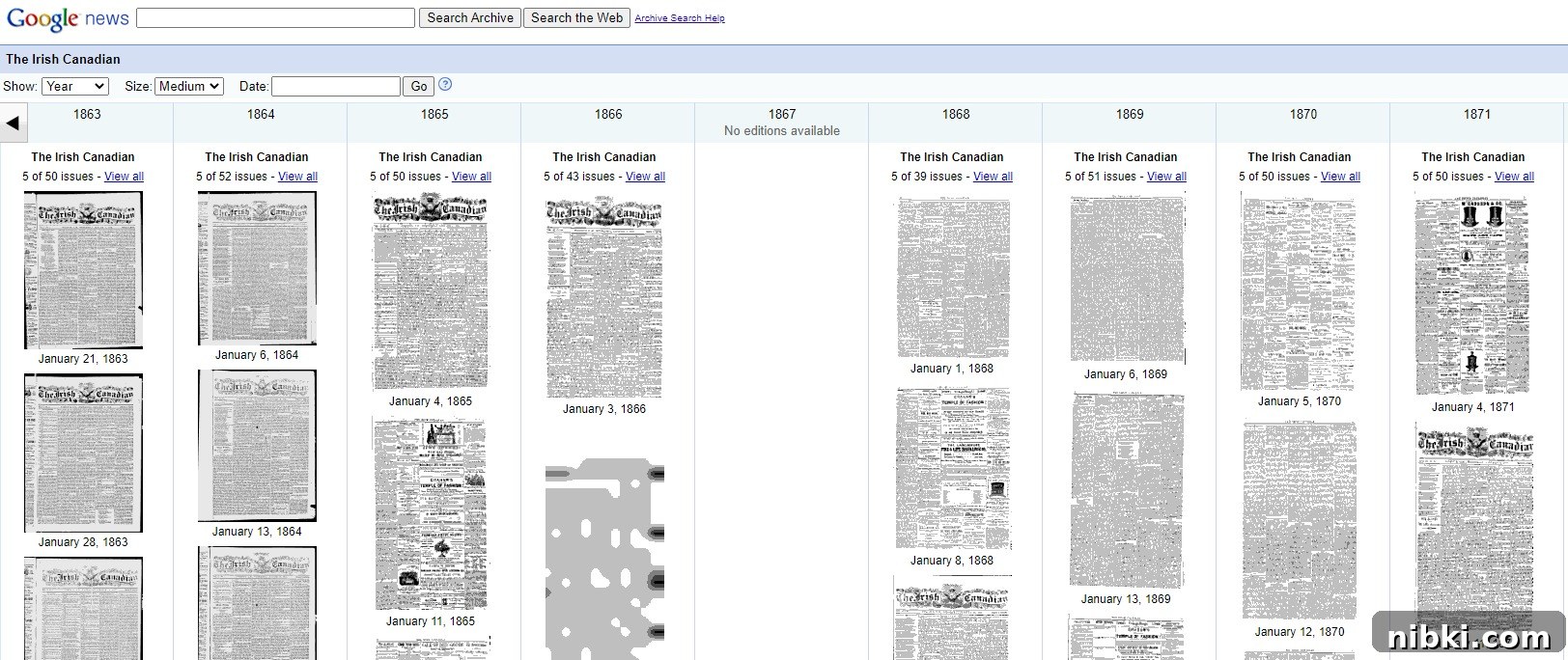
Other free sources include international aggregators and archives that host ethnic, religious, and regional newspapers. Google News’ historical newspaper archive contains many digitized titles, including older ethnic newspapers. The International Coalition on Newspapers provides listings of digitization projects worldwide, and some state or regional projects make large collections available online.
Still need to find newspapers for your genealogy research?
Use targeted web searches including the place name plus terms like “historical newspapers,” “old newspapers,” or specific date ranges. For example: “Free online North Carolina historical newspapers” or “North Carolina historical newspapers 1800–1850.” That approach often turns up digitized collections, library guides, and small local projects.
Subscription Based Newspaper Resources
Many genealogy websites and dedicated newspaper services require subscriptions but offer extensive searchable collections and advanced search tools. Common subscription resources include:
- Ancestry.com
- FindMyPast
- MyHeritage
- Newspapers.com
- GenealogyBank
Searching for Offline Historical Newspapers
If you cannot find the newspaper you need online, turn to offline resources. Regional and local libraries often hold unique or small-town titles, sometimes only in paper or microfilm form. Contact the reference librarian to learn what they hold and whether they can perform lookups or loan microfilm.

Religious and denominational newspapers may be housed at a local church, regional office, or denominational archive and are often not digitized. Also check vertical files and clipping files at local libraries; these collections frequently contain family-related clippings or transcriptions that can be very helpful.
Search Tips for Historical Newspapers
Once you’ve located a paper, apply these practical strategies:

- Be patient and read broadly. After finding a relevant notice, read surrounding articles and issues to understand local events and context.
- Search for alternate spellings, initials, and common transcription variants.
- Use wildcard and broad search techniques where available to capture name variations.
- Search both local and regional newspapers; important events may appear in nearby towns’ papers.
- Widen the date range. Some papers published weekly or irregularly, so expand your timeframe when necessary.
Newspapers can reveal occupations, social connections, migrations, legal actions, funerals, and everyday activities—especially valuable when researching female ancestors or family members who appear infrequently in official records.
Other Posts to Keep the Learning Going
- 7 Tips For Successful Genealogy Research In A Burned County
- Use A Genealogy Wildcard Search For Better Ancestor Search Results
- 10 FREE Social History Sites To Improve Your Genealogy Research
- 14 of the Best Genealogy Tips to Find Your Ancestors