
Perhaps you recently bought a home and are now considering a homeowners insurance policy. With rising premiums, it’s natural to be skeptical. The average annual cost of homeowners insurance is reported as USD 1,678 for a policy that might include dwelling coverage of USD 350,000, and many homeowners also need additional endorsements or separate policies to fill coverage gaps.
Misunderstanding how insurance works can leave you underinsured or paying for coverage you don’t need. Below we debunk common myths that often confuse first-time homeowners and explain what to check when shopping for a policy.
Myth 1. Old Homes Are Cheaper to Insure
It’s a common assumption that older homes cost less to insure because they have a lower market value. In reality, older homes can carry higher premiums. Aging plumbing, electrical wiring, roofing, and structural components increase the chance of claims. If your policy is too cheap for a high-risk property, you may face large out-of-pocket repair bills.
Many older homes also use materials or construction methods that no longer meet current building codes. Updating or repairing to meet those standards can be costly if your insurance doesn’t cover the work. When evaluating coverage, compare replacement-cost estimates and discuss age-related exclusions or endorsements with your insurer or agent.
Myth 2. Home Insurance Covers Natural Disasters and Termite Infestations
Standard homeowners policies protect against many named perils, but they are not all-encompassing. Common exclusions include earthquakes, floods, routine maintenance issues, and sewer backups. Covering these risks typically requires separate policies or endorsements—flood and earthquake insurance are frequently sold as stand-alone products. Estimates suggest that adding specific disaster coverage can cost significantly more; for example, an additional annual premium in the range of a couple thousand dollars is not uncommon for substantial supplemental coverage.
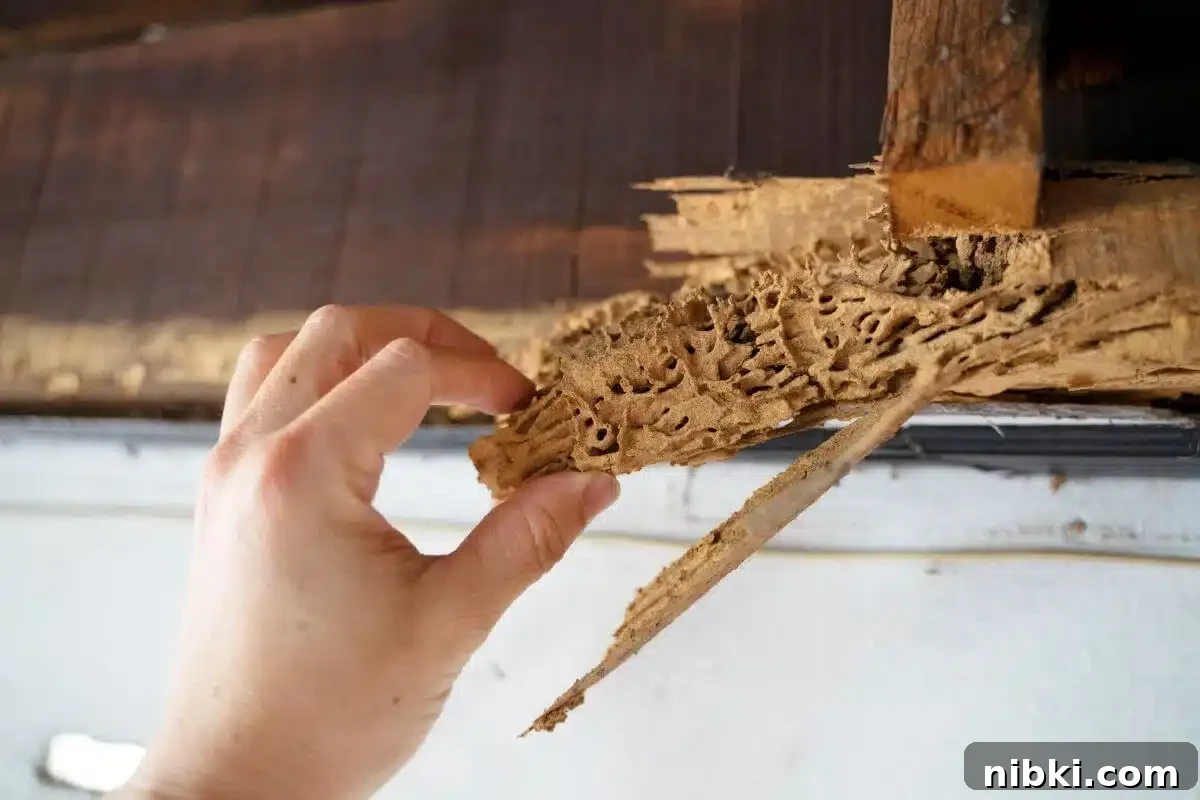
Termite and pest damage is also usually excluded from basic policies, since infestations are considered preventable through maintenance. Regular inspections and preventive treatments reduce the risk and potential repair costs associated with termite damage.
Myth 3. Your Home Insurance Will Safeguard Personal Belongings
Many homeowners assume a policy automatically protects every item inside the house. While personal property coverage is a standard part of many homeowners policies, limits, exclusions, and the method of valuation matter. Policies may pay actual cash value (depreciated value) or replacement cost, and some high-value items—jewelry, fine art, collectibles—often require separate endorsements or scheduled coverage to be fully protected.
Insurance contracts contain technical terms like “peril,” “deductible,” “endorsement,” and the “declarations page.” These sections define what is covered, what is excluded, and the limits of protection. Reading the policy carefully and asking your agent questions about valuation methods, coverage limits, and exclusions will help you determine whether you need additional coverage such as an umbrella policy or scheduled personal property endorsements.
Myth 4. Good Savings Means You Can Avoid Getting Home Insurance
Some homeowners think that having substantial savings removes the need for insurance. While savings can cover some losses, the scale of rebuilding or repairing a home after a major event can rapidly exceed personal savings. Rebuilding or a major renovation can cost hundreds of thousands of dollars depending on roof type, construction, square footage, materials, and the age of the property. A sizeable out-of-pocket expense like that can deplete savings intended for other needs.
A considerable share of property in the U.S. is uninsured, leaving owners exposed to catastrophic loss. Homeowners insurance serves as a financial safety net that protects both the dwelling and liability exposure that would otherwise fall entirely on your personal finances.
Myth 5. You Cannot Get Homeowners Insurance if You Have a Pool, Treehouse Or Trampoline
Features that increase the risk of injury—often called attractive nuisances, such as pools, treehouses and trampolines—can raise liability exposure and may increase premiums. However, they don’t automatically disqualify you from coverage. Insurers typically assess the additional risk and may offer coverage with higher limits, exclusions, or specific safety requirements.
Risk mitigation helps. Installing locked gates, proper fencing, safety nets, supervision policies, signage, or alarm systems can reduce the insurer’s perceived risk and may limit premium increases. Always disclose such features when applying for coverage so the insurer can quote appropriate terms and you avoid an inadvertent claim denial later.
Understanding the limits and exclusions of homeowners insurance lets you make smarter choices about protection. Consider additional endorsements for specific natural disasters or high-value personal items, review depreciation versus replacement-cost options, and discuss liability limits or umbrella policies if you have features that increase risk.
Armed with clear information, first-time homeowners can select policies that fit their property, budget, and peace-of-mind needs. Are you ready to review your options and choose coverage that truly protects your investment?