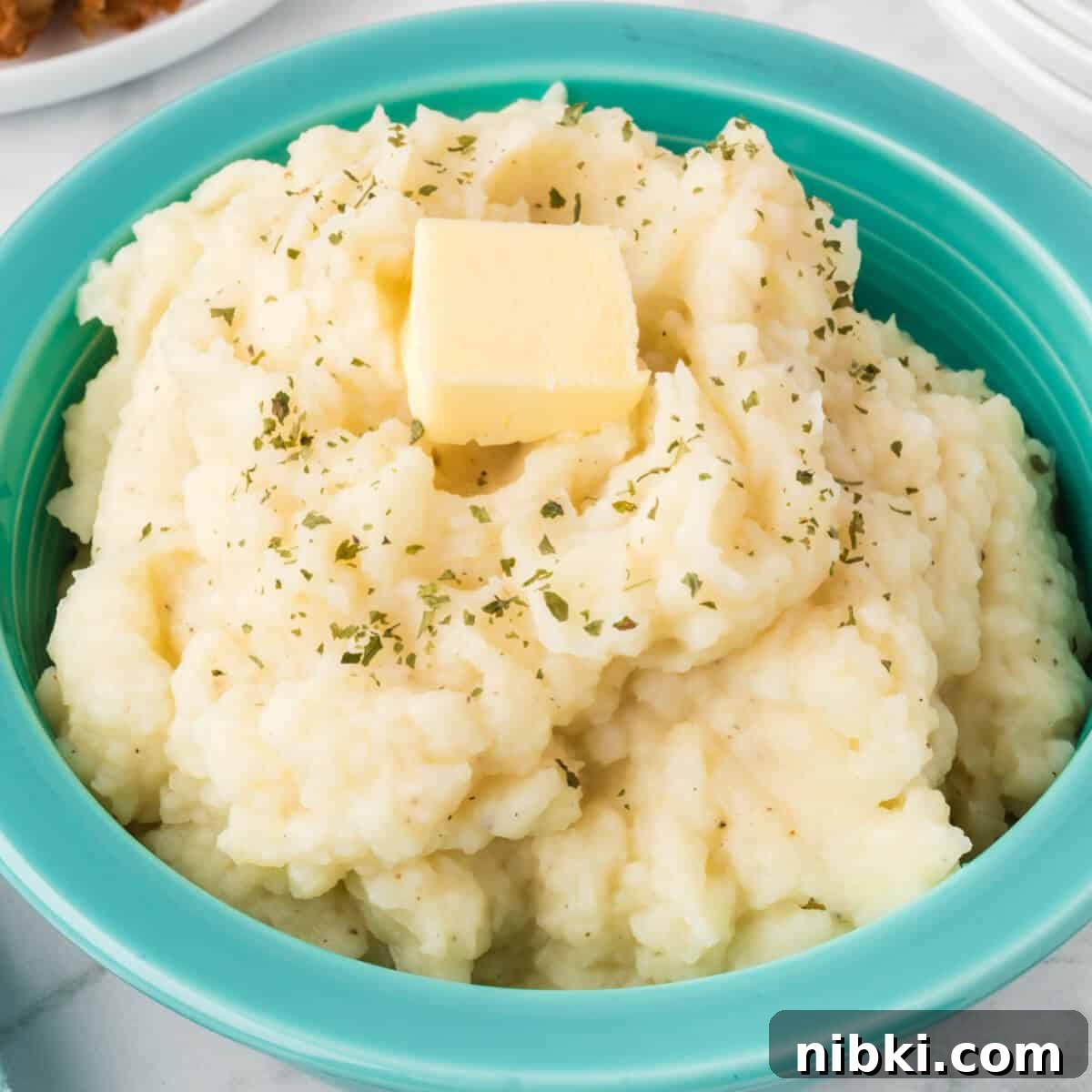
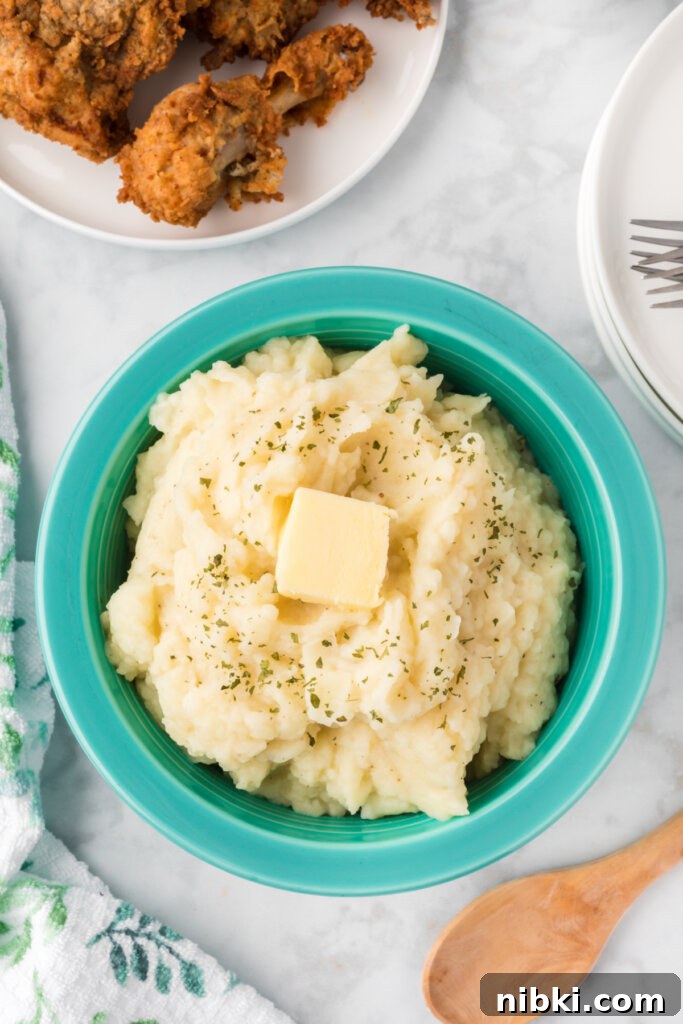
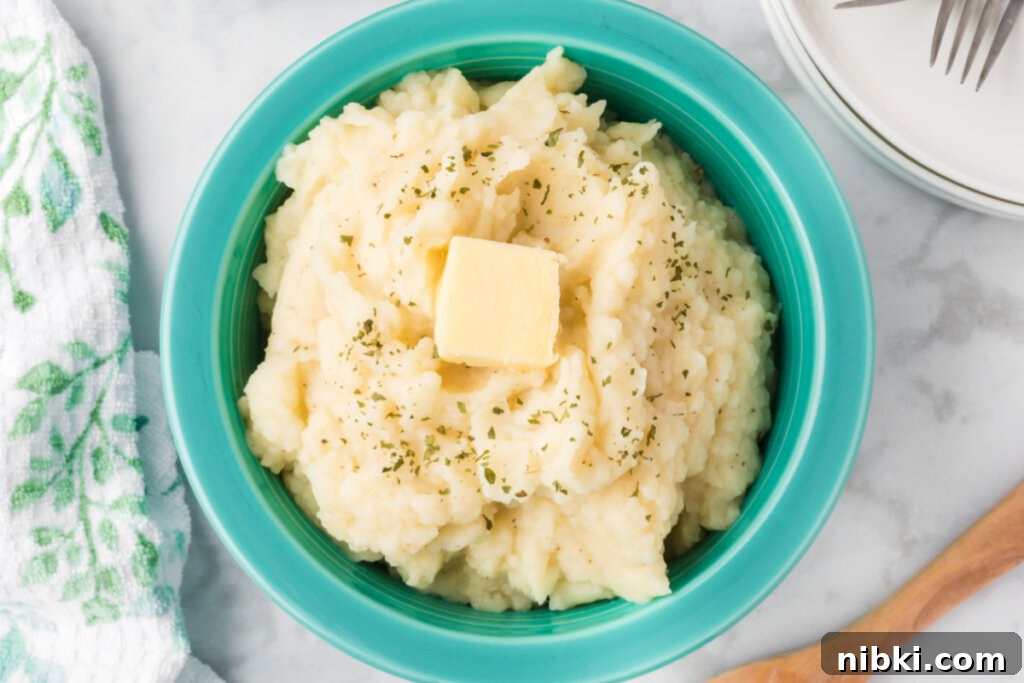
You’ll get light, fluffy mashed potatoes with no lumps using this simple homemade mashed potatoes recipe. It’s perfect for holiday meals, weeknight dinners, and any time you want a comforting side dish.
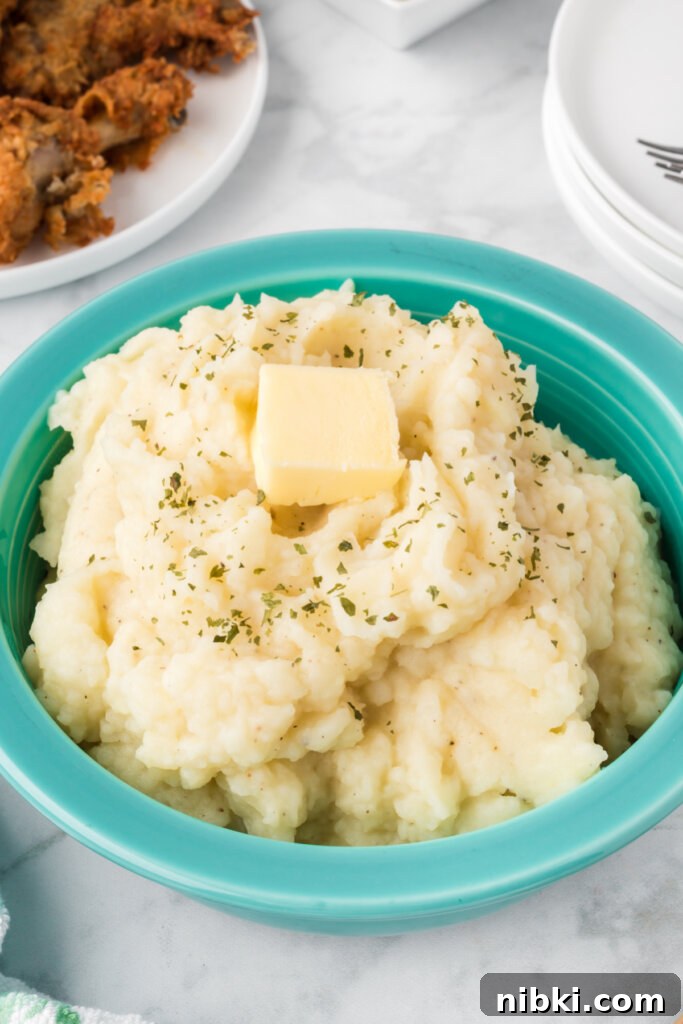
Best Mashed Potatoes Recipe
Mashed potatoes are a classic comfort food, and this recipe shows how to make them light, creamy, and lump-free every time. It’s straightforward enough for a weekday dinner but also reliable for holiday spreads like Thanksgiving.
This version focuses on technique and a few simple ingredients to deliver consistently great results: starchy potatoes, butter, and milk or broth. Follow the steps and the tips below for the best texture and flavor.
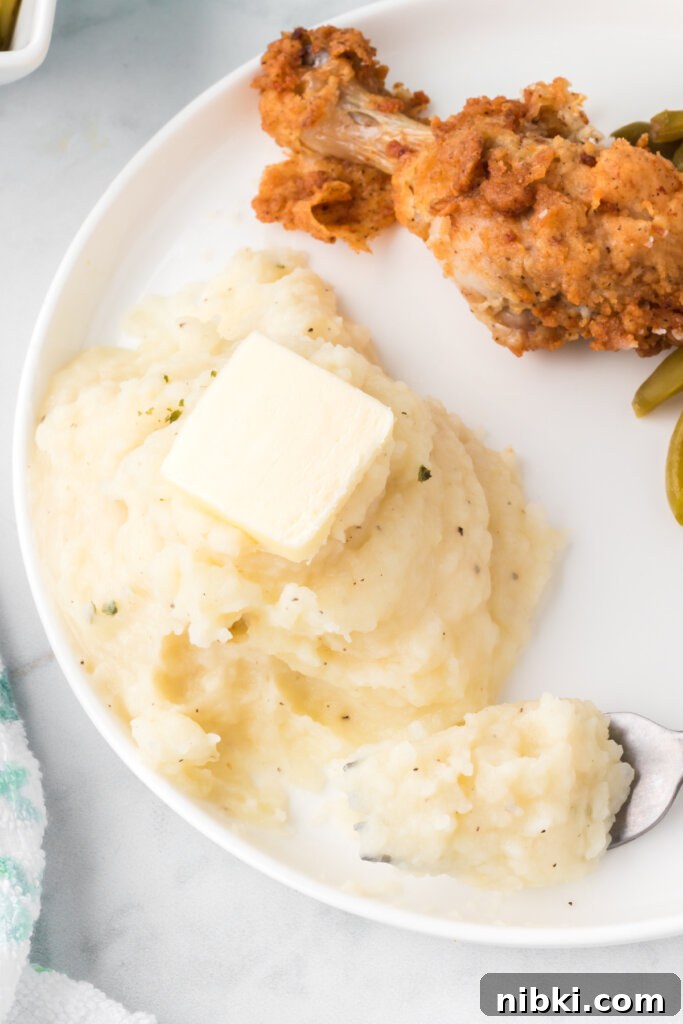
How to Make Mashed Potatoes
Ingredients
- 6 large russet potatoes, peeled and cut in half lengthwise (You can substitute Idaho or Yukon Gold or combine varieties. Starchy potatoes like russet or Idaho make the fluffiest mash; avoid waxy potatoes if you want a light, airy texture.)
- 1/2 cup unsalted butter (1 stick). If you use salted butter, adjust the added salt to taste.
- 1 cup milk or low-sodium chicken broth. Milk yields creamier potatoes; half-and-half or a splash of cream makes them richer. Broth adds more savory flavor.
- Salt and freshly ground black pepper, to taste.
Instructions
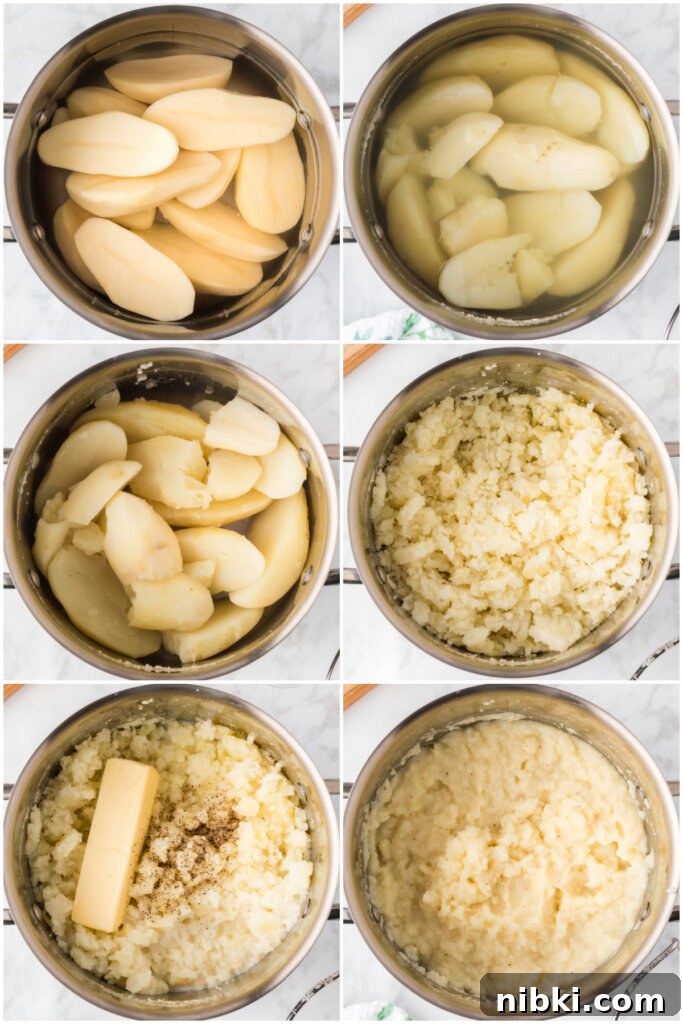
- Place the potatoes into a large pot and cover with cold water by about an inch. Starting in cold water helps the potatoes cook evenly.
- Bring to a boil over high heat, then reduce the heat to medium-low, cover the pot, and simmer until the potatoes are tender when pierced with a fork, about 20 to 25 minutes depending on the size of the pieces. Drain well and return the potatoes to the hot pot for a minute to evaporate excess moisture.
- Using a potato masher (or a ricer if you prefer), mash the potatoes a few times. Add the butter, then pour in the milk or broth a little at a time while mashing until you reach the desired consistency. Season with salt and pepper and continue mashing until smooth and fluffy. Avoid overworking the potatoes to prevent a gluey texture.
Mashed Potatoes FAQs
Plan on about 1/2 pound of raw potatoes per person. That yields a generous serving once mashed.
How long should I boil potatoes?
Cook potatoes until just tender — about 20–25 minutes for halves or large chunks. Texture will vary by potato size, so test with a fork.
How long do mashed potatoes last in the refrigerator?
Stored in an airtight container, mashed potatoes keep for about 3–5 days. Reheat thoroughly to 165°F before serving.
Can mashed potatoes be frozen?
Yes. Cool completely, then transfer to freezer-safe containers or bags. Freeze up to six months. Thaw overnight in the refrigerator or reheat from frozen; ensure they reach an internal temperature of 165°F.
Best ways to reheat leftover mashed potatoes?
Oven: Spread in a baking dish, add a splash of milk or broth and butter, cover with foil, and bake at 350°F until heated through (about 20–25 minutes). Stove: Warm gently over low heat, stirring and adding liquid as needed. Microwave: Reheat in a covered dish on medium power, stirring occasionally. Slow cooker: Keep on low until warmed through. Always check that potatoes reach 165°F.
Recipe Tips
- Use larger pieces of potato when boiling to reduce water absorption. Excess water dilutes flavor.
- Start potatoes in cold water, not boiling water, so they cook evenly from edge to center.
- Mash while still hot — potatoes mash more smoothly when warm.
- Taste and season. Starchy, rich dishes like mashed potatoes benefit from adequate salt to bring out the best flavor.
- Avoid food processors or blenders. Overprocessing releases too much starch and makes potatoes gummy. Use a potato masher or ricer.
- To keep mashed potatoes warm for serving, transfer to a slow cooker set to warm or place in a heatproof dish in a low oven.
Equipment
- Large stockpot
- Colander for draining
- Potato masher or ricer
- Measuring cups and spoons
- Knife and cutting board
Nutrition
Per serving (approximate): Calories: 339 kcal, Carbohydrates: 51 g, Protein: 7 g, Fat: 13 g, Saturated Fat: 8 g, Sodium: 117 mg, Potassium: 1203 mg, Fiber: 4 g. Nutrition information is an approximation.
Originally published on November 11, 2015. Updated on November 10, 2021.