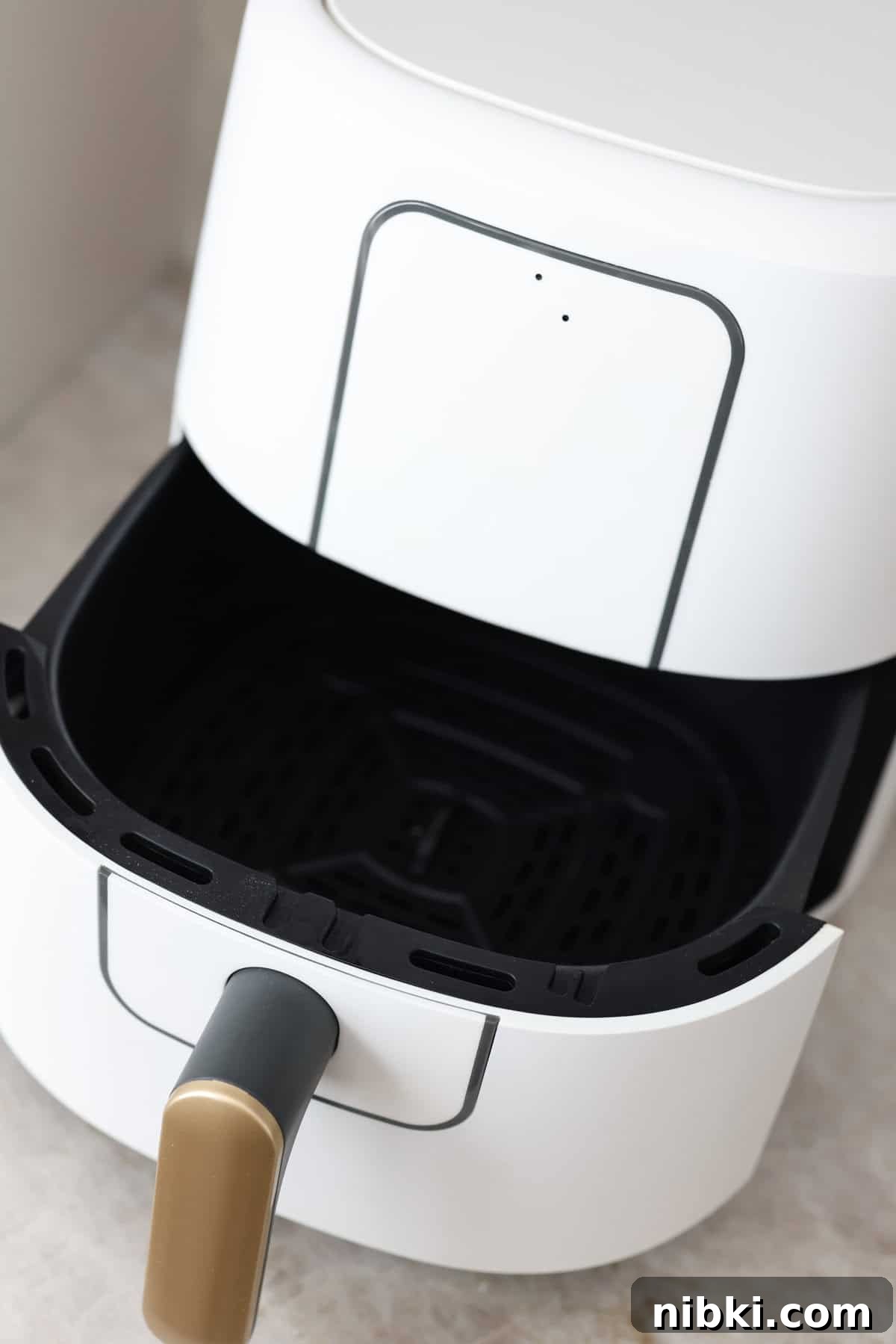
The air fryer is one of the most useful appliances in any modern kitchen. It lets you achieve a crisp, fried texture using little to no oil, while also cutting cooking time and cleanup. Once you start cooking with an air fryer, it often becomes a go-to for everyday meals, snacks, and reheating.
This beginner’s guide will help you feel confident using your air fryer. Try simple favorites like this perfectly juicy air fryer chicken, crispy air fryer wings, or brown sugar air fryer salmon.
Reasons to LOVE the Air Fryer
- Fast and convenient: Air fryers preheat quickly and shorten cooking times compared with a full-size oven.
- Healthier option: You get a fried texture with much less oil than deep-frying, which reduces fat and calories.
- Crispy results: Circulating hot air produces a golden, crispy exterior on many foods.
How Does an Air Fryer Work?
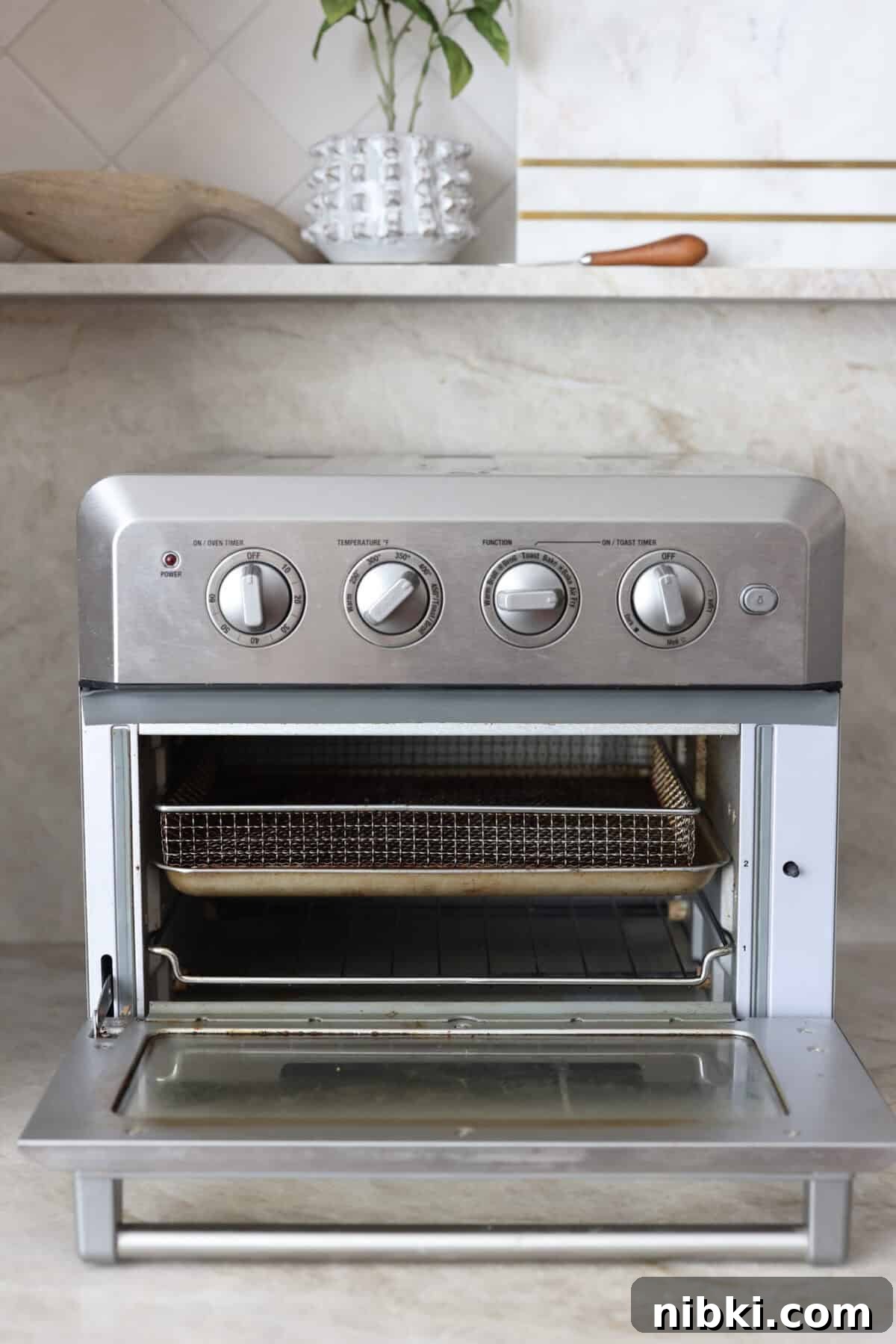
An air fryer is essentially a compact convection oven: a heating element plus a fan that circulates hot air around the food. Because of its smaller size, it heats and cooks faster than a conventional oven while using little or no oil. If you’re shopping, my guide to small air fryers can help you choose the right model.
It acts like a second oven for busy nights and is a major time-saver. I use a basket-style air fryer most often, but toaster-oven-style models also work well and usually offer multiple functions in addition to air fry mode.
What to Cook in an Air Fryer
Air fryers are extremely versatile. Use them to prepare vegetables, proteins, frozen convenience foods, whole meals, snacks, and even desserts. They’re great for cooking quickly and for reheating leftovers with better texture than a microwave.
Dinners, Sides, and Desserts
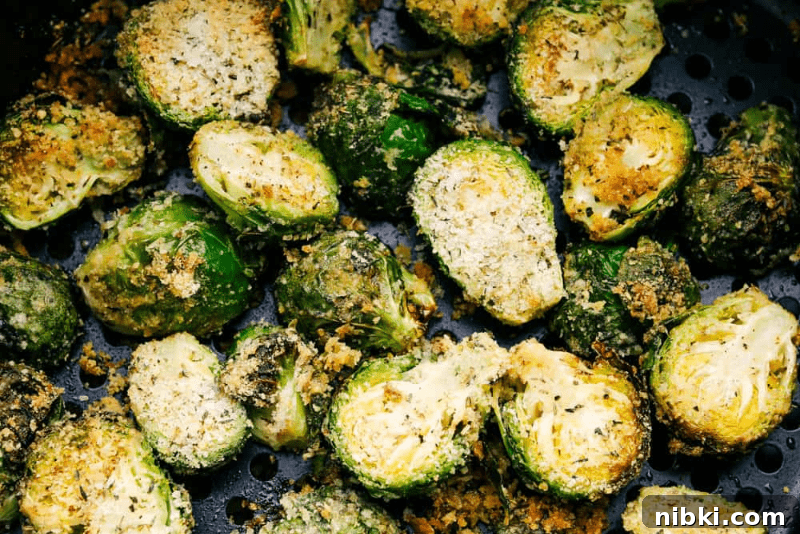
- Roasted vegetables: Corn on the cob, Brussels sprouts, zucchini, and roasted potatoes all caramelize beautifully in the air fryer. Our roasted potatoes are a favorite.
- Meat and seafood: Cook raw proteins to perfection—try air fryer steak, shrimp, or chicken legs.
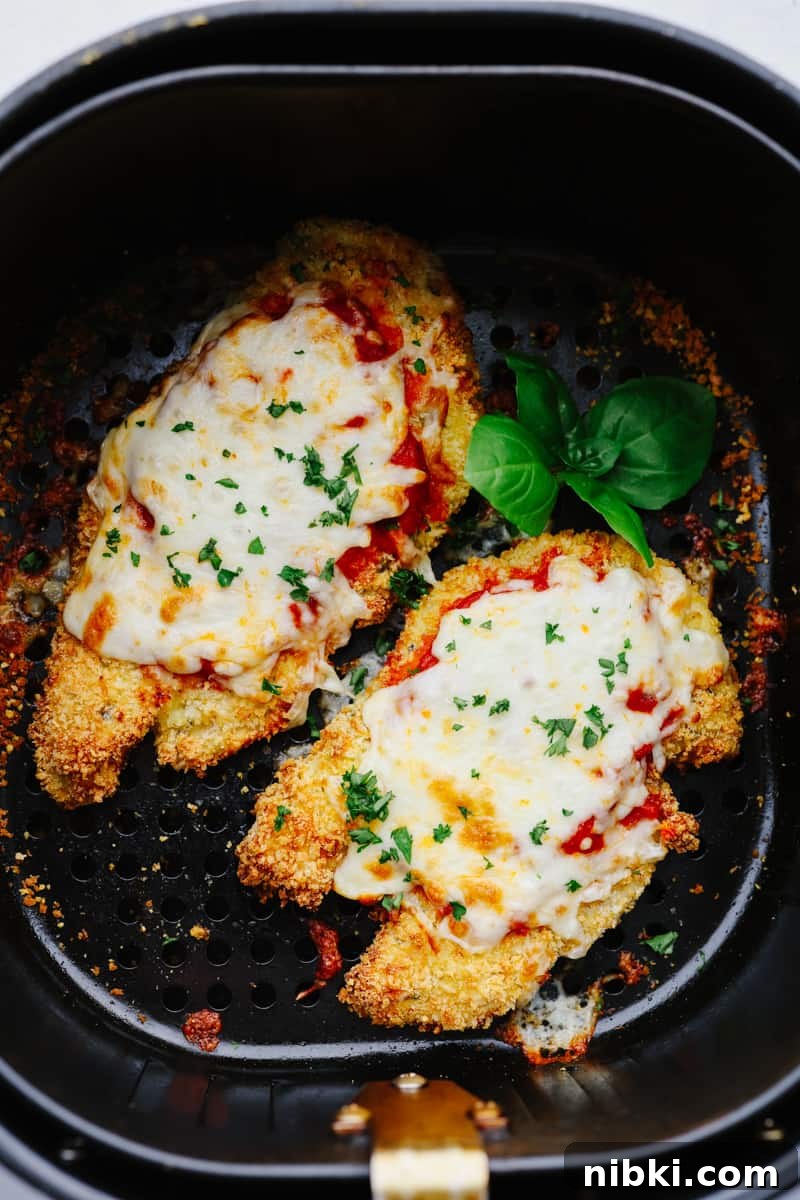
- Whole meals: Make complete dinners like stuffed peppers or parmesan chicken, or quick 20-minute fajitas.
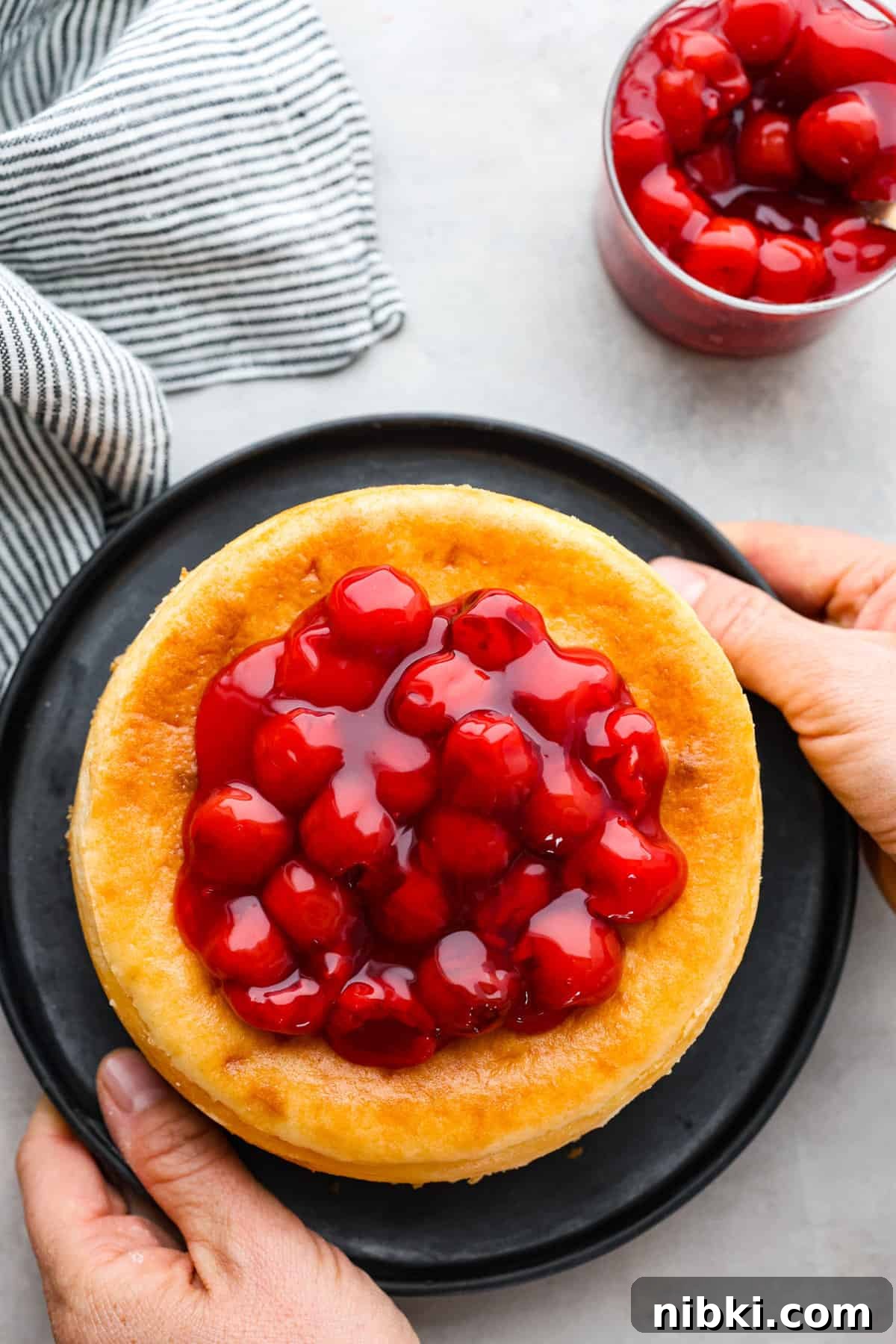
- Baked treats: Yes—air fryers can bake. Make fried Oreos, s’mores, or even a small air fryer cheesecake.
Frozen Foods and Snacks
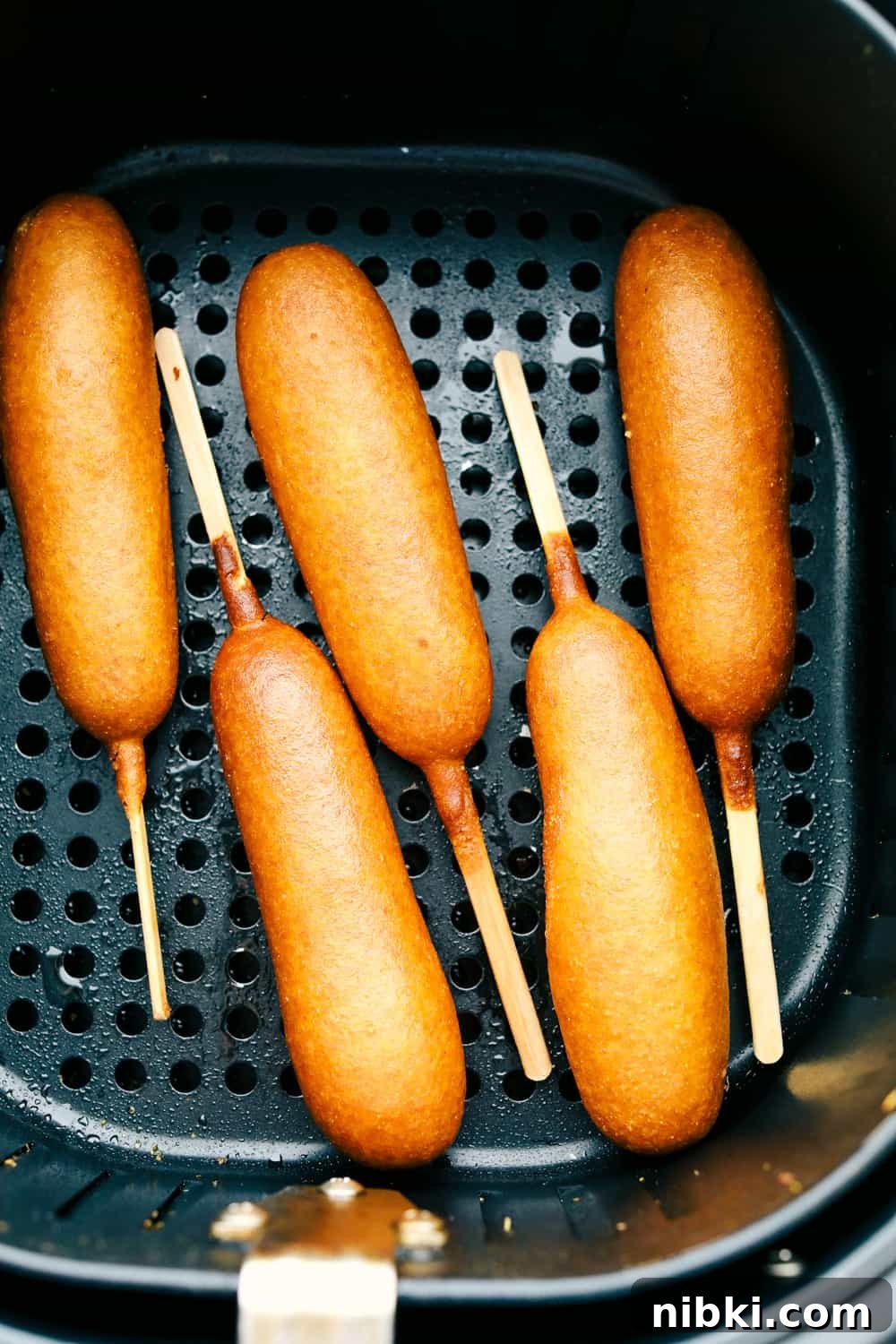
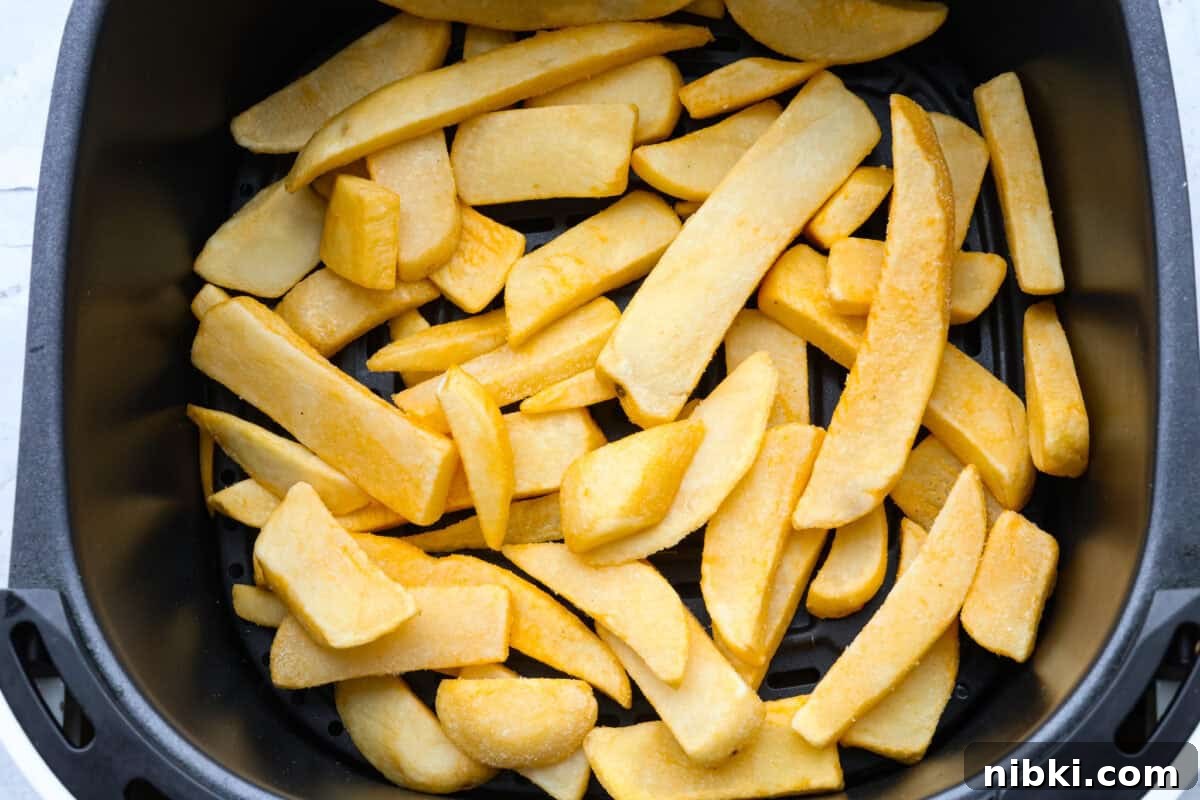
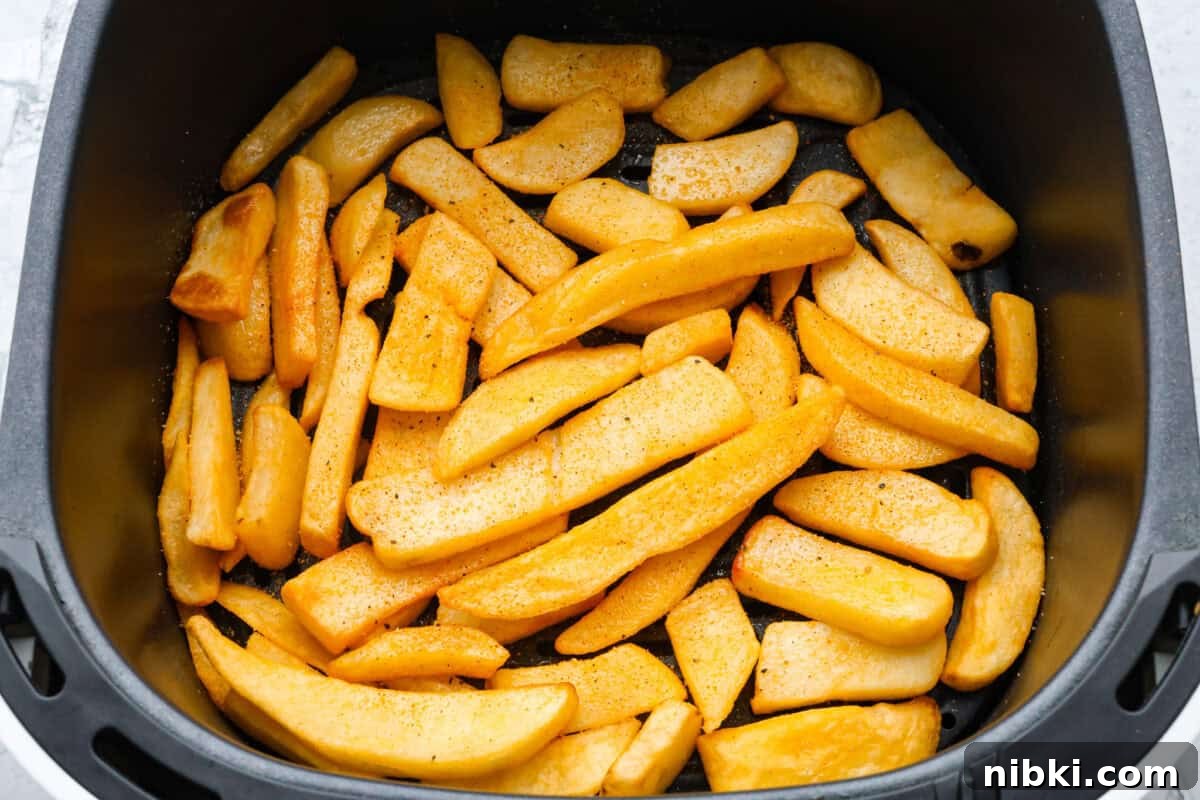
- Frozen favorites: Air fryers excel at cooking frozen food—French fries, meatballs, and corn dogs get crisp without a full oven.
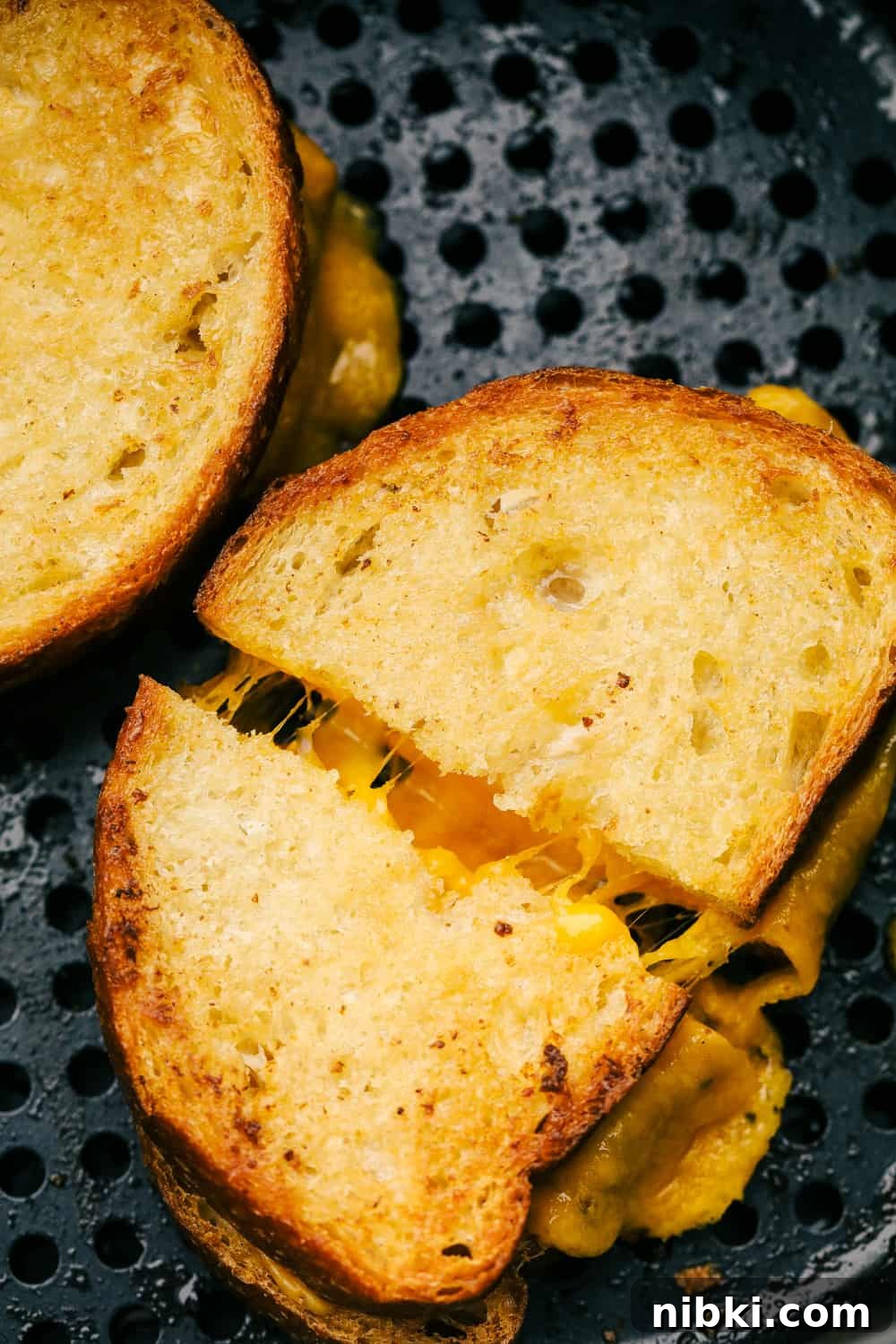
- Quick snacks: Make quesadillas, grilled cheese, or nachos quickly and with great texture.
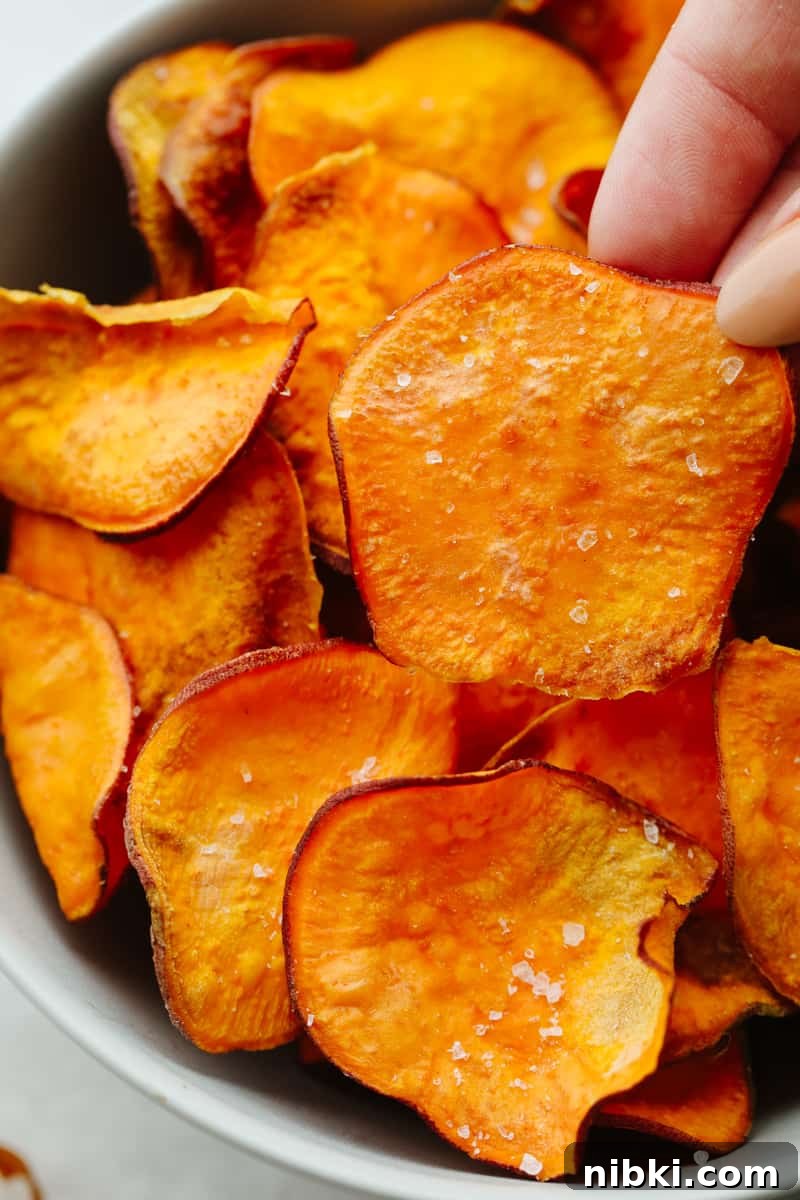
- Extras: Use the air fryer for unexpected tasks like hard-boiling eggs or making homemade tortilla chips, potato chips, and croutons.
Safety Tips
Always read your air fryer’s user manual first—models vary and the manufacturer will include important safety and care instructions. Below are general safety practices to follow.
- Ventilation: Place the air fryer in an open, well-ventilated spot away from walls or flammable items so the vents can work properly.
- Use little oil: Air frying requires only a light coating of oil. Never fill the basket with oil or deep-fry inside the appliance.
- Protect your hands: Use oven mitts or hot pads when handling baskets or trays—the metal gets very hot.
- Unplug when stored: Unplug the unit when not in use to avoid accidentally leaving it on.
- Empty crumbs: Remove crumbs and food debris after each use to prevent burning or smoke on the next use.
Cooking Temperatures and Times
A simple rule of thumb is to reduce oven temperatures by about 25°F when converting recipes for an air fryer, though follow specific recipes when you can. Below are general starting points for common foods—adjust based on your model and portion sizes.
- Leftovers: 350°F for 4–8 minutes.
- Frozen foods: 400°F for 8–15 minutes.
- Bacon: 400°F for 5–10 minutes.
- Vegetables: 400°F for 8–10 minutes.
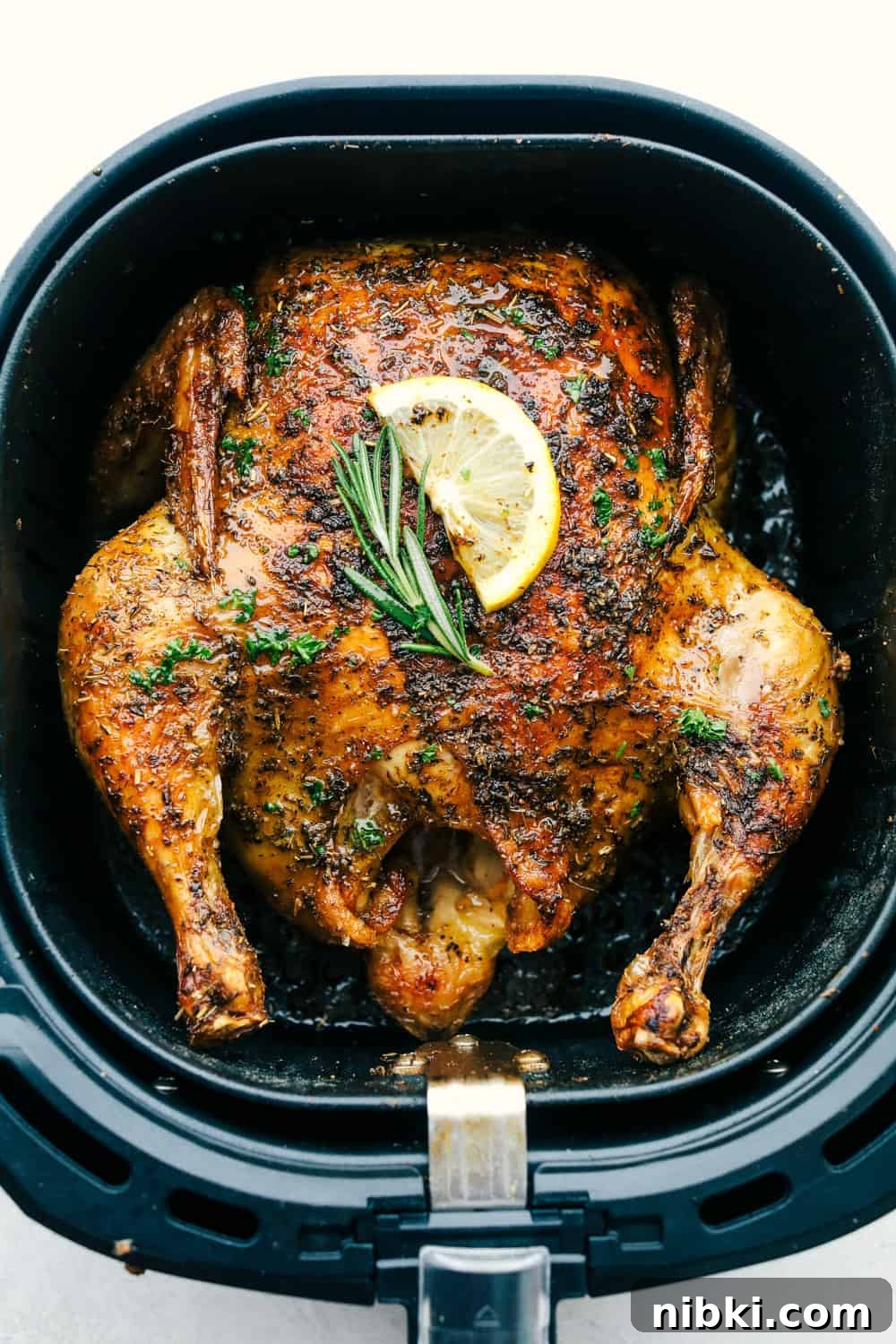
- Chicken: 375°F for about 20 minutes (check internal temperature).
- Steak: 400°F for 8–15 minutes depending on thickness and doneness.
- Seafood: 400°F for around 10 minutes.
Food-Safe Temperatures
Always verify internal temperatures to ensure safety, especially for meats and reheated foods.
- Chicken: 165°F (74°C).
- Beef: 140–160°F (60–71°C), depending on desired doneness.
- Pork: 145°F (63°C).
- Fish and shellfish: 145°F (63°C).
- Reheated leftovers: 165°F (74°C).
Tips For Cooking in the Air Fryer
Small adjustments make a big difference. These tips will help you get consistent results.
- Preheating: Many recipes work fine without preheating, though some manuals recommend it. I often skip it and still get good results.
- Give items space: Avoid overcrowding the basket. Leaving space allows hot air to circulate and ensures even crisping—don’t stack food.
- Shake and flip: Turn or shake items halfway through cooking to promote even browning and crispness on all sides.
- Check during cooking: Opening the basket to peek won’t harm the process—treat it like a pause and continue cooking when you close it again.
- Parchment liners: Perforated parchment paper inserts made for air fryers can reduce cleanup—place a liner in the basket, add food, and cook as usual.
Cleaning the Air Fryer
Always follow the manufacturer’s cleaning instructions. Here are reliable, general cleaning methods that work for most models.
- Remove crumbs: Empty crumbs and loose pieces from the basket and the crumb tray after each use to prevent burning and smoke.
- Wash with soap and warm water: Clean removable baskets and trays with hot, soapy water and a non-abrasive scrubber. Avoid harsh scrubbing that could damage nonstick coatings.
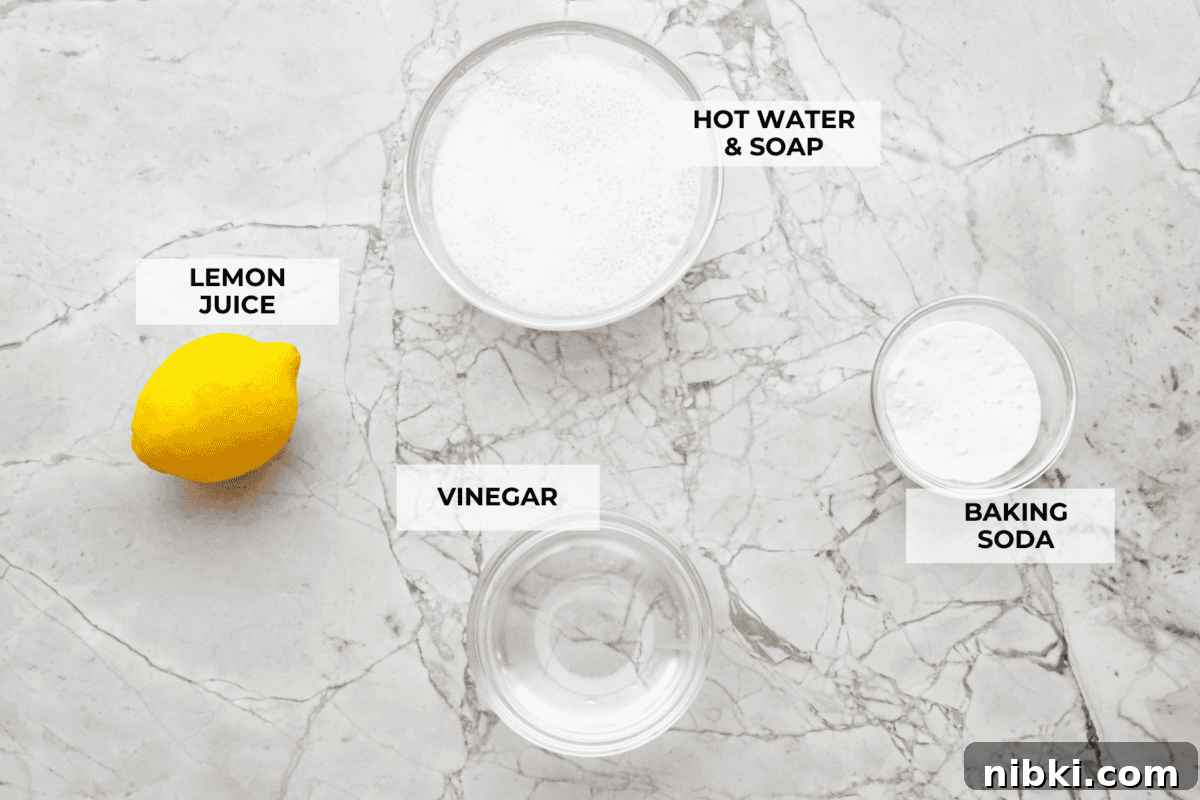
- Vinegar and lemon steam: Place 1/4 cup white vinegar and the juice of one lemon in a small, heat-safe dish inside the basket. Run the air fryer at 400°F for 5 minutes, then let it sit for 30 minutes. Remove the dish and wipe surfaces clean.
- Lemon and baking soda paste: For stubborn grease, make a paste with lemon juice and 3–4 tablespoons of baking soda. Apply gently with a soft scrubber, rinse thoroughly, and dry completely before reassembling.
More Air Fryer Recipes
Side Dishes
Air Fryer Mushrooms
15 minutes
Recipe Skill Levels
Air Fryer Zucchini Chips
13 minutes
Dinner
Air Fryer Flank Steak
42 minutes
Easy
Air Fryer Frozen Shrimp
8 minutes