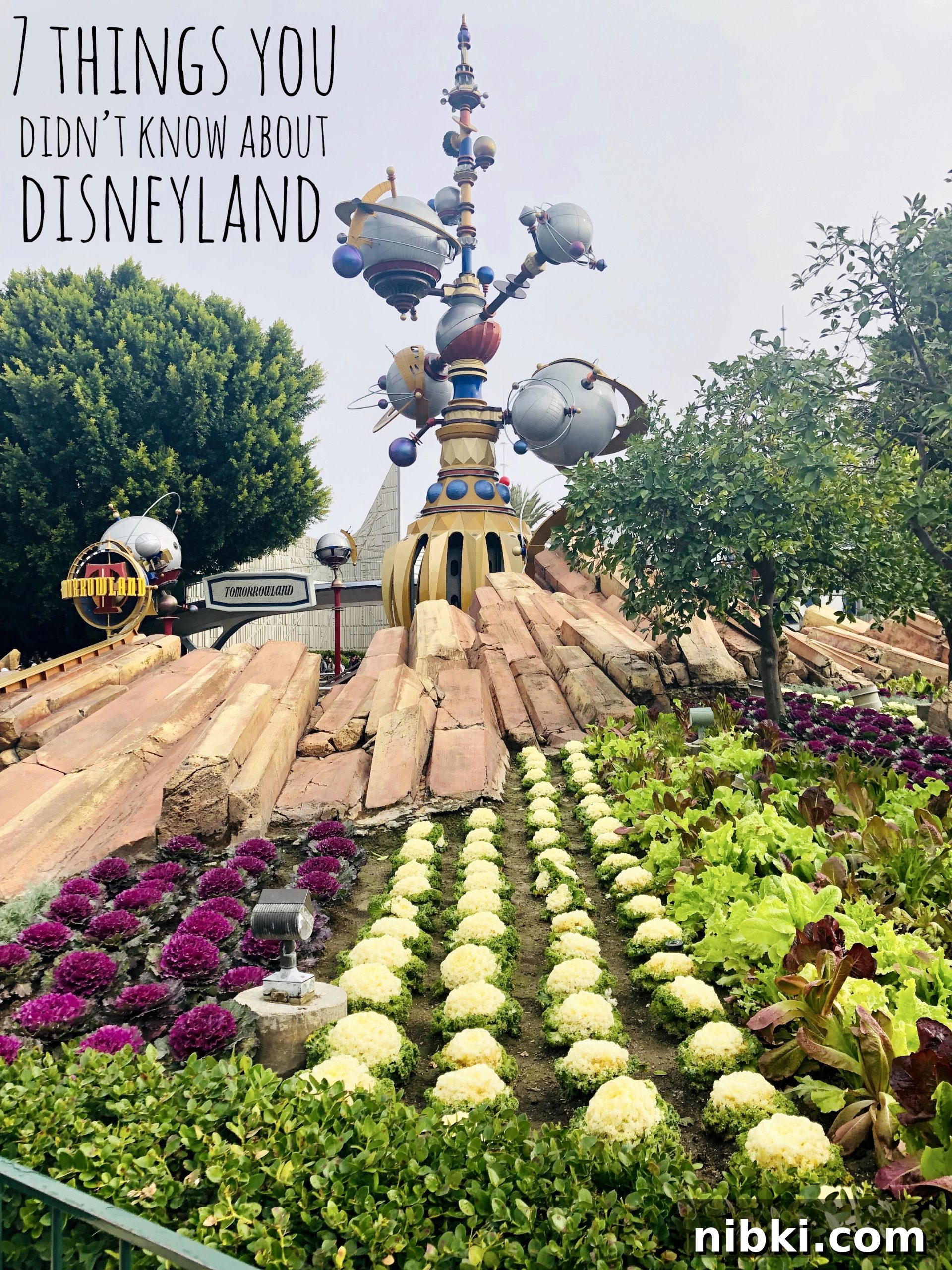
Disneyland transformed 160 acres of orange groves into a park whose landscaping helps tell the story of each land. As fans who love every detail of Disneyland, we were surprised to learn several horticultural secrets and historic touches that most visitors miss. Below are seven fascinating things you may not know about Disneyland’s landscaping, Tomorrowland, and the people who shaped it.
1) Tomorrowland’s landscaping was designed around “Agrifuture”—a sustainable, eco-friendly vision
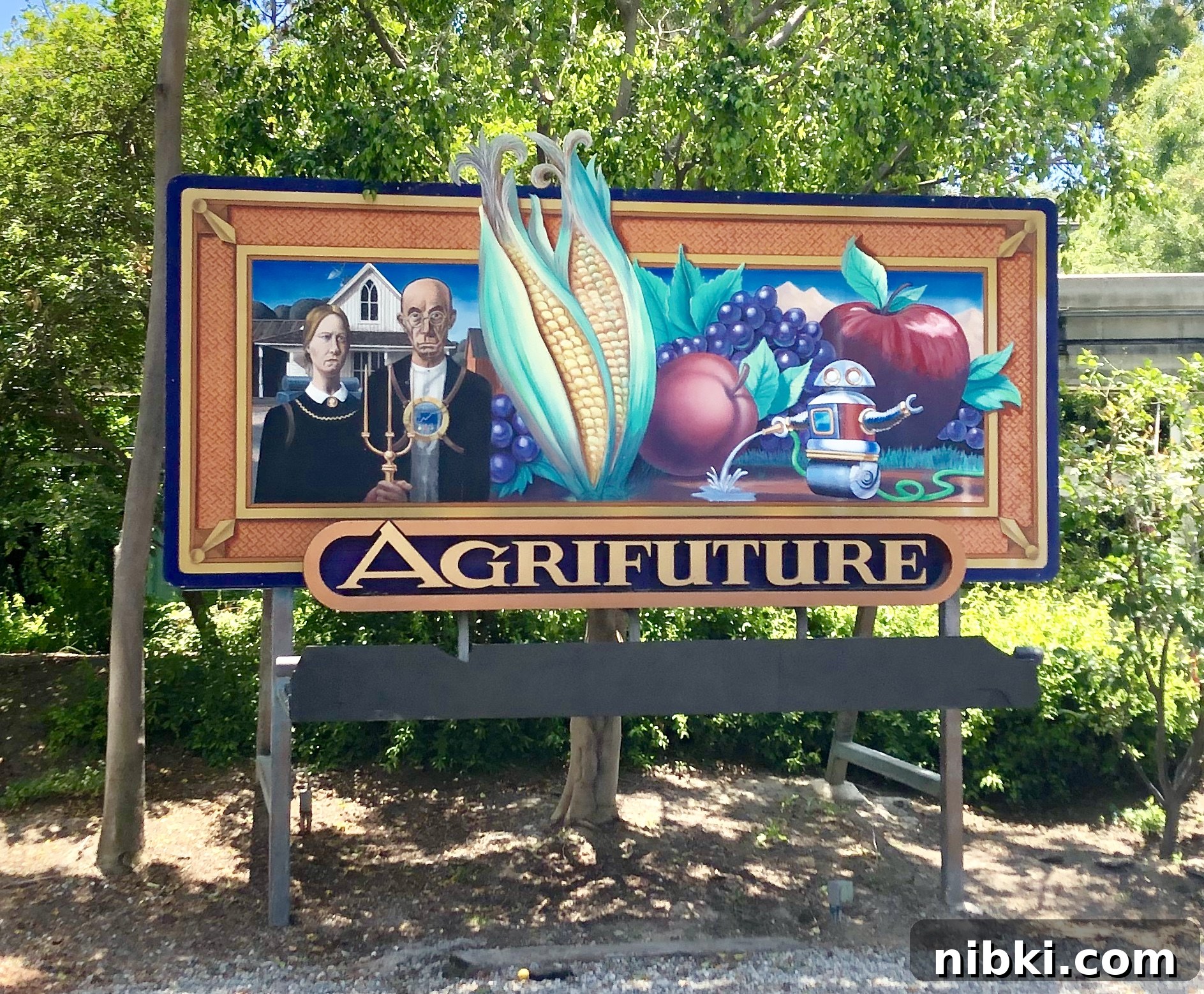
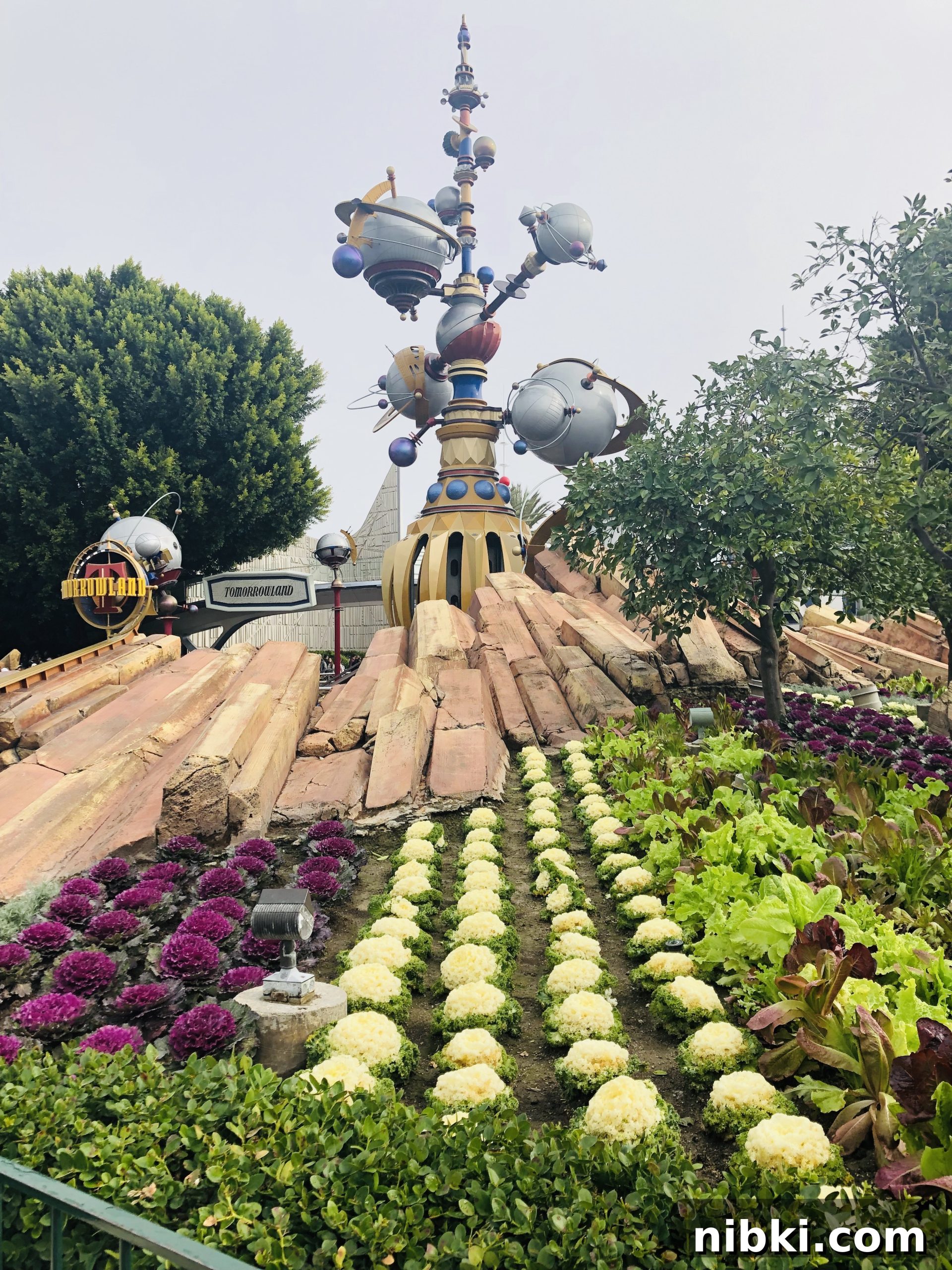
In 1998, Tomorrowland adopted an “Agrifuture” theme to illustrate a sustainable future. Disneyland’s designers, the Imagineers, envisioned landscapes that would double as potential farmland—demonstrating how urban green space could help feed growing populations while also fitting the look of a futuristic world.
Where to see the Agrifuture sign
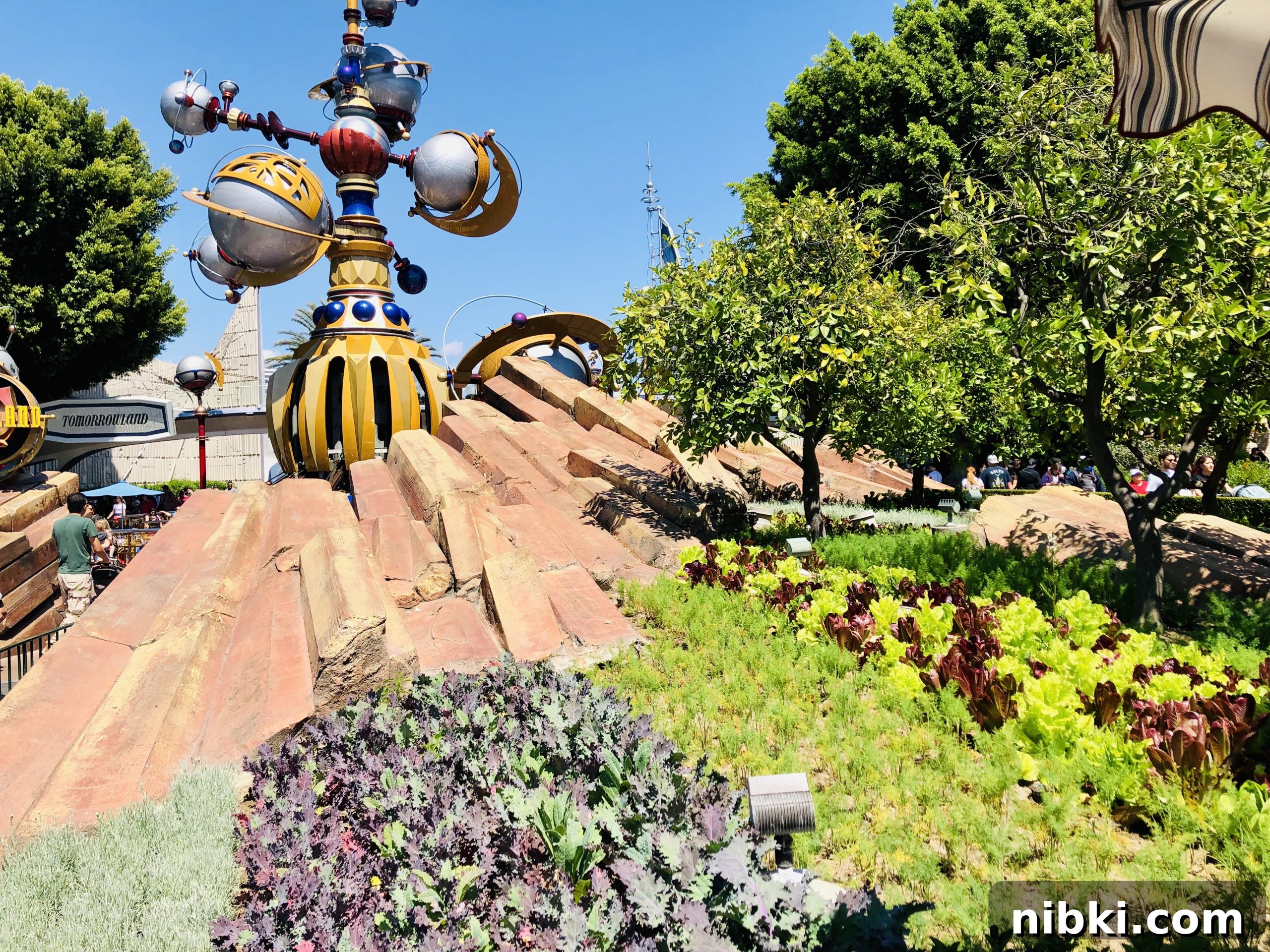
The Agrifuture billboard still appears along the Disneyland Railroad just before the Tomorrowland stop near Autopia. It’s easiest to spot while riding the train as you circle the park.
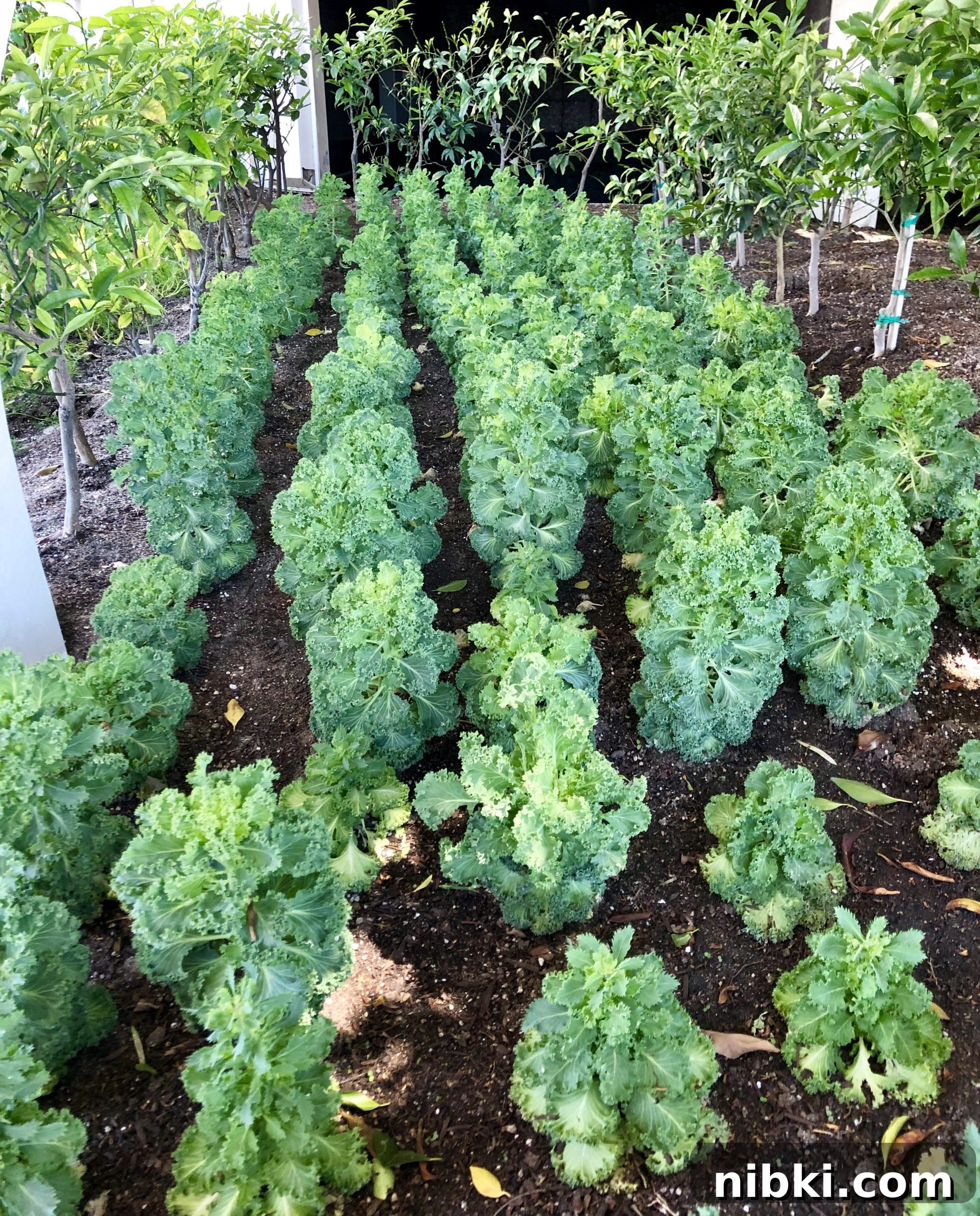
Growing food for a large population
The Agrifuture concept assumed that space would be prioritized for food production. In keeping with that idea, many ornamental beds in Tomorrowland were replaced with edible gardens—planted and maintained to look polished and intentional while demonstrating fruits, vegetables, and herbs as part of a forward-looking landscape.
2) About 80% of Tomorrowland’s plants are edible
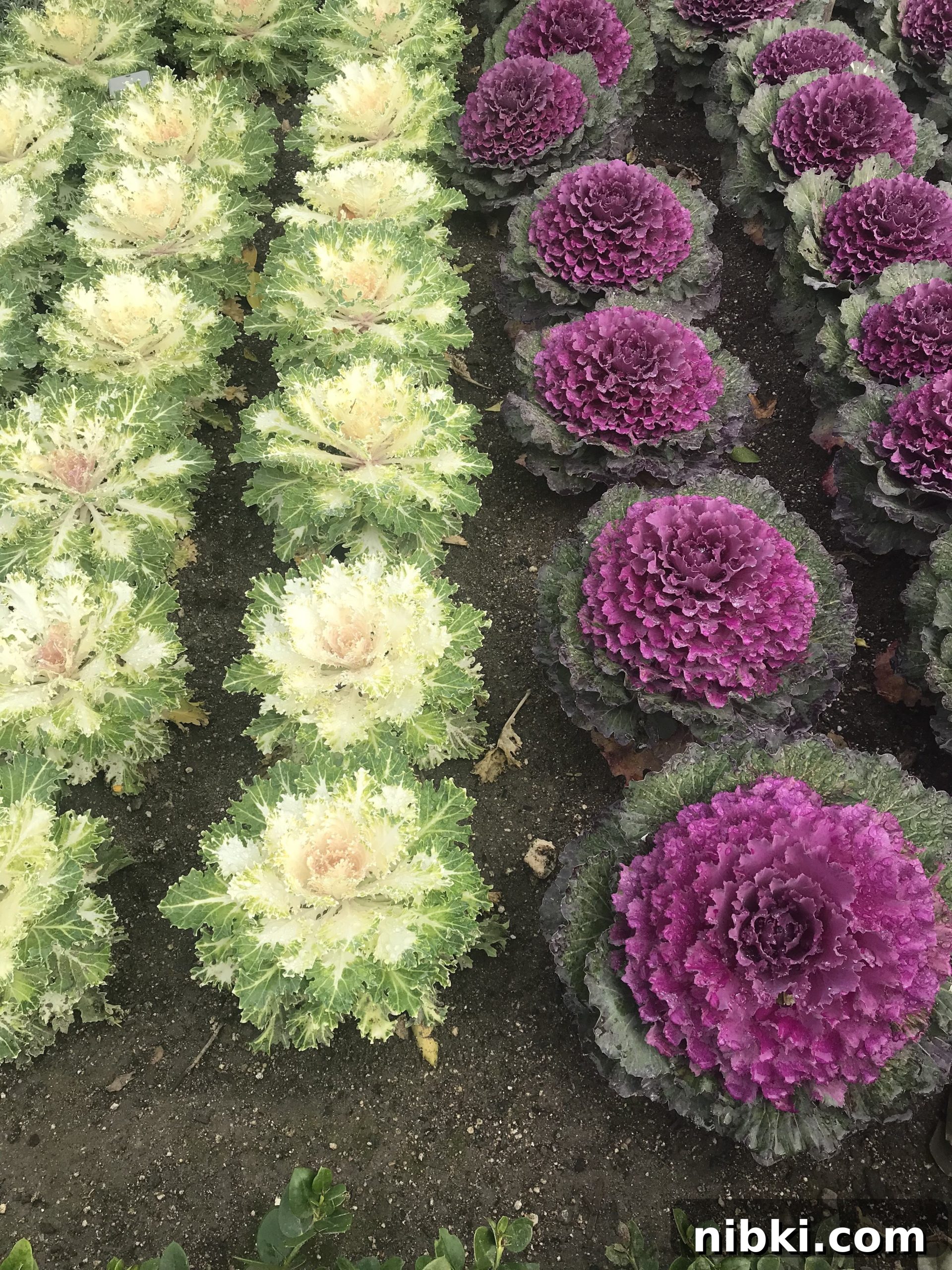
Where to spot edible plants in Tomorrowland
Stroll through Tomorrowland and you may find kale, artichokes, lemons, herbs, and various lettuces. While not every single plant is harvested, Disneyland reports that roughly 80% of Tomorrowland’s plantings are edible or could be harvested—part of the land’s story about resourceful, sustainable living.
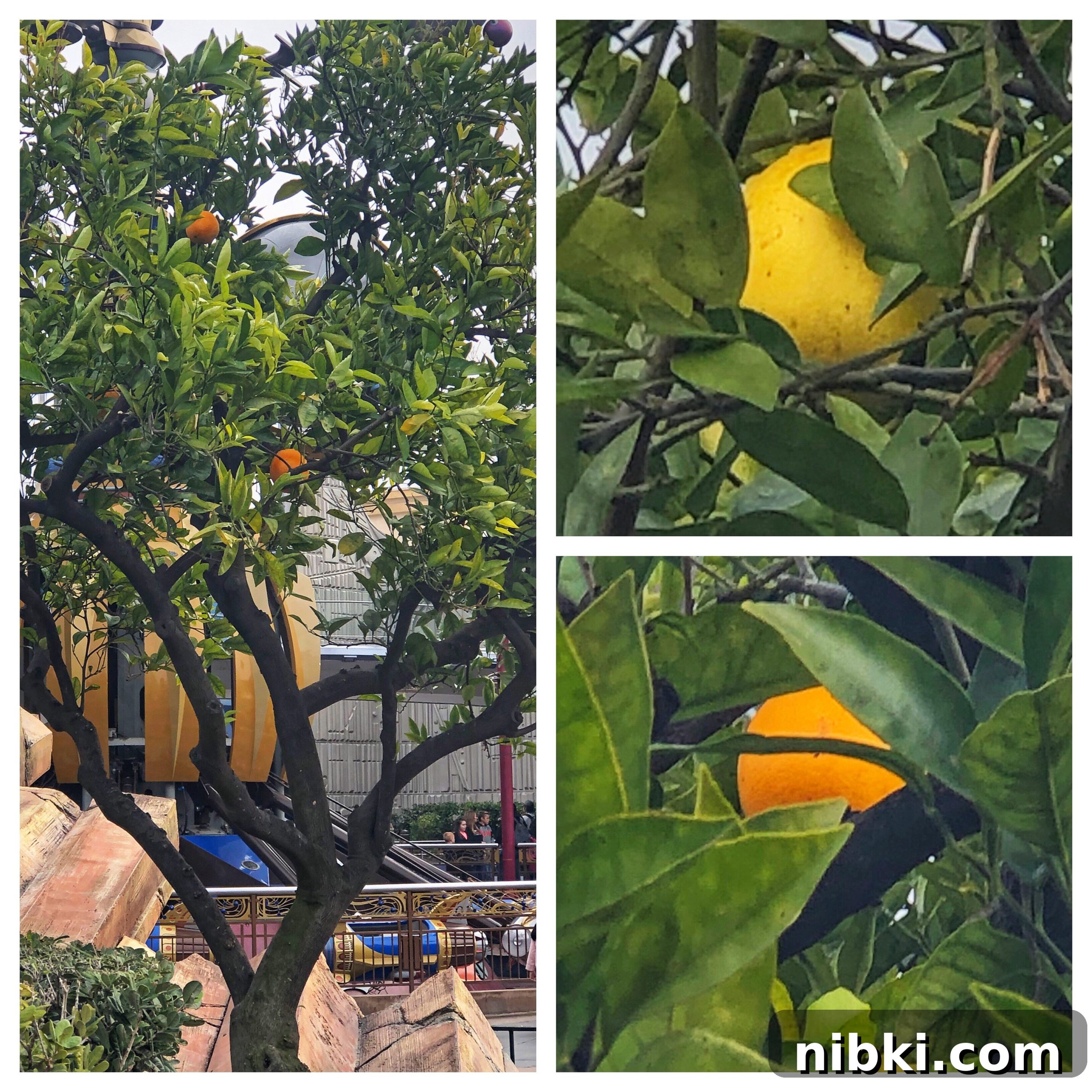
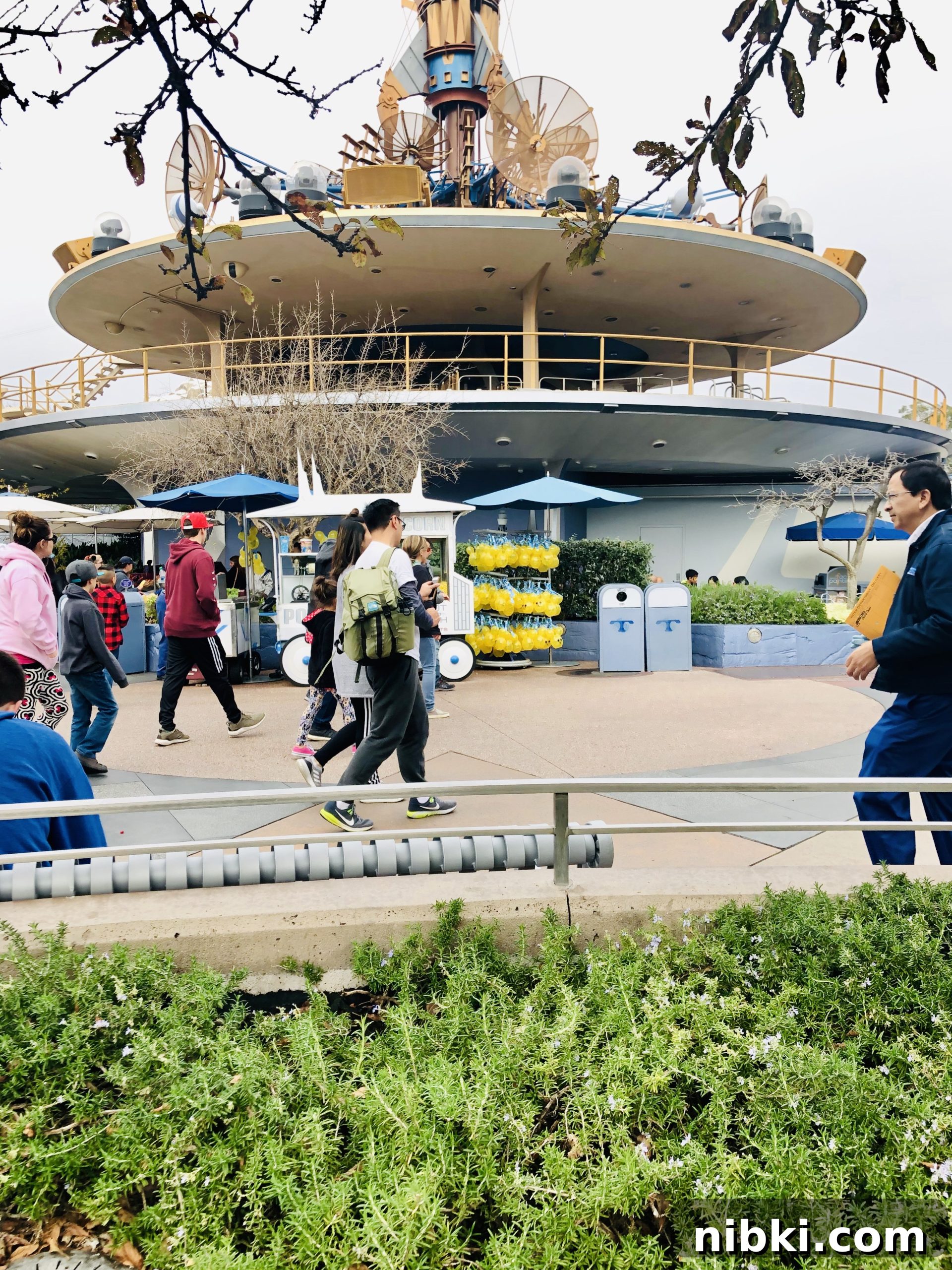
On our visits, beds between Astro Orbiter and Central Plaza were full of cabbages and lettuces, alongside fruit-bearing orange and grapefruit trees.
Don’t eat the park plants
Although many plants are edible in principle, park horticulture teams often use pest control and other treatments to keep the gardens healthy and visually consistent. Cast members advise not to sample plants in the park; stick to food sold at food stands and restaurants. (Note: other Disney parks sometimes harvest and use garden produce more directly.)
 More edible and harvestable plantings
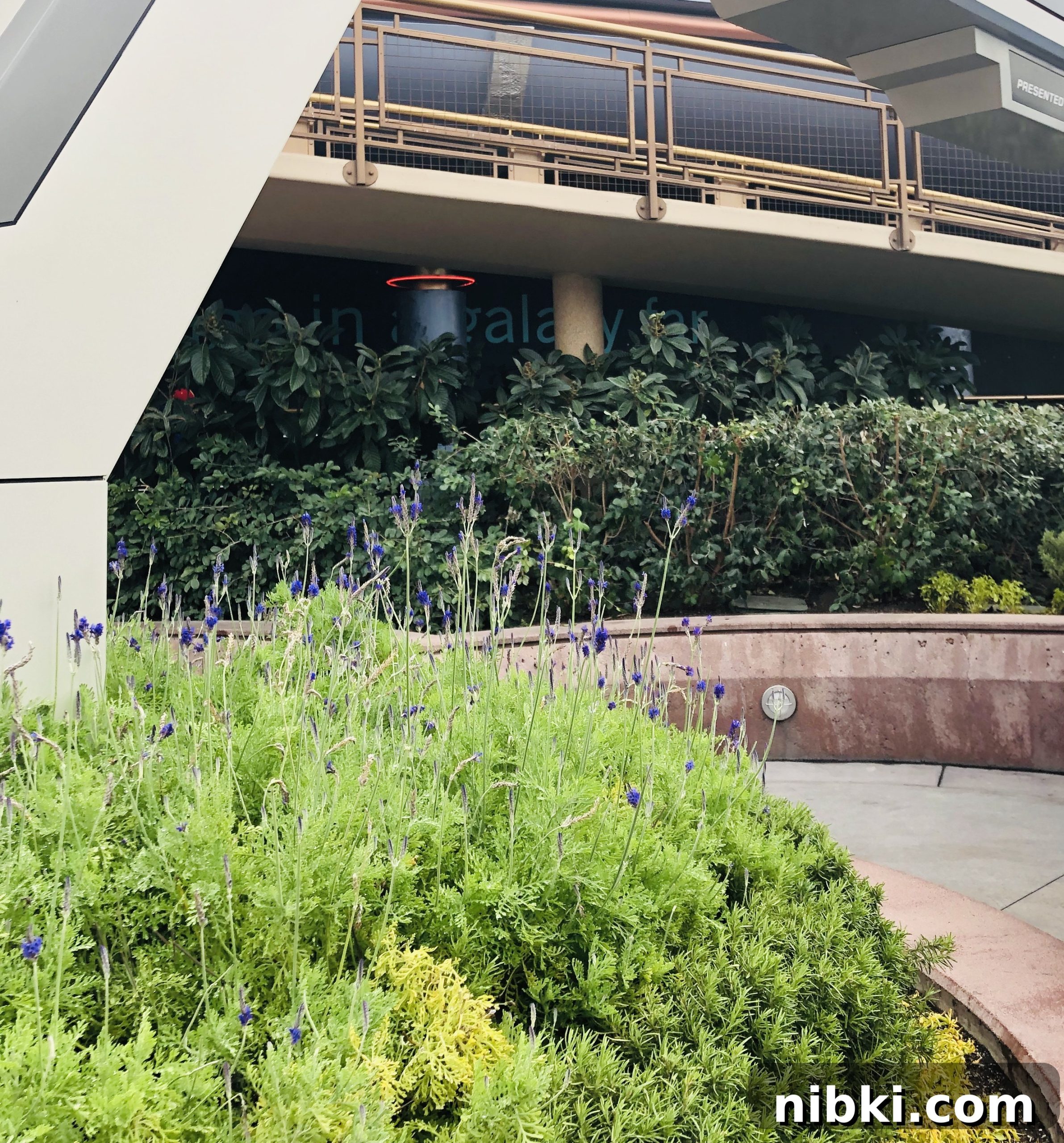 More edible and harvestable plantings
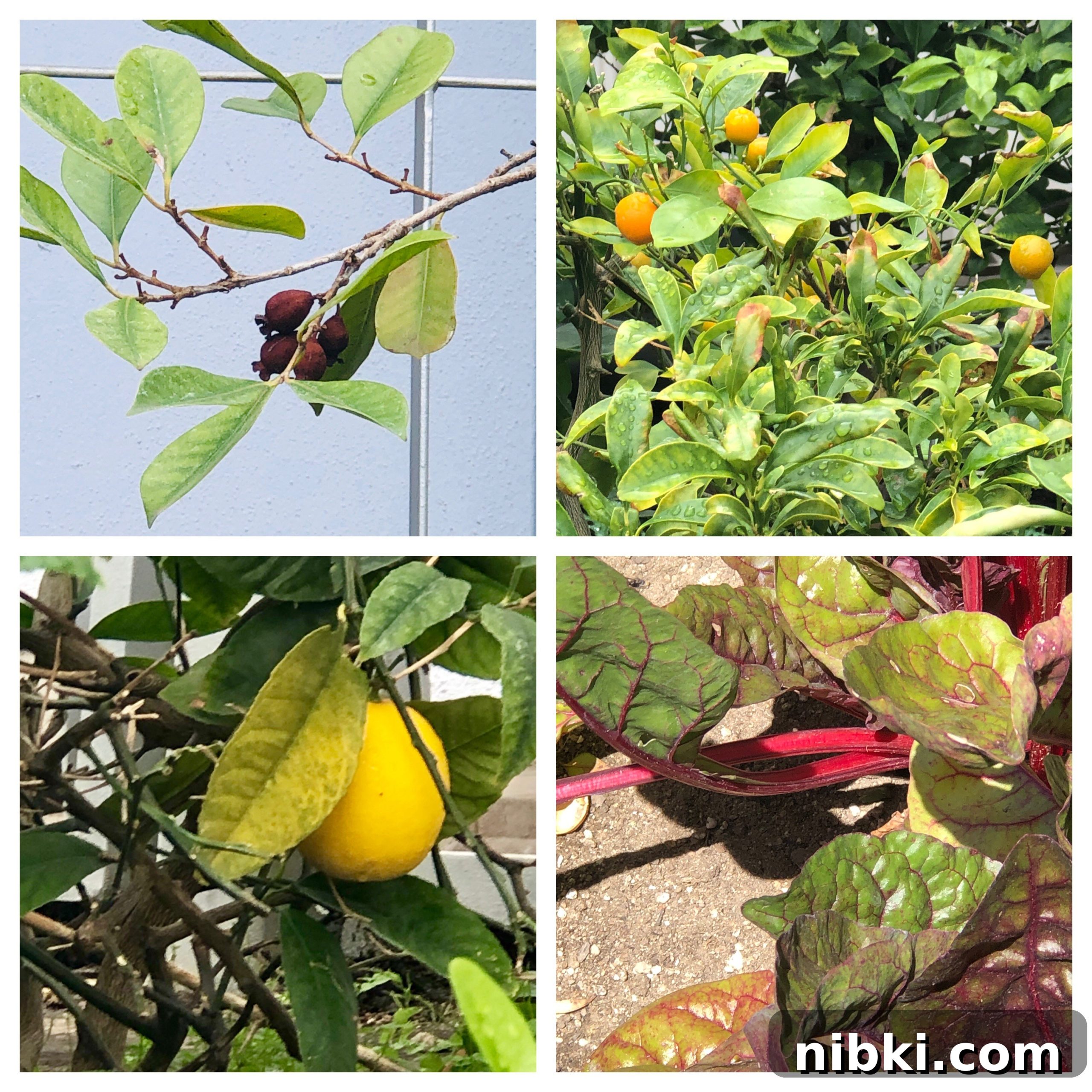
Lavender grows near the Tomorrowland Terrace stage, used historically for scent and culinary accents. Other seasonal plantings have included pomegranates, kumquats, rhubarb, rosemary, dill, artichokes, and parsley; the beds change with the seasons to support the park’s design themes.
3) Disneyland’s Jungle Cruise boasts a dramatic, carefully planned canopy
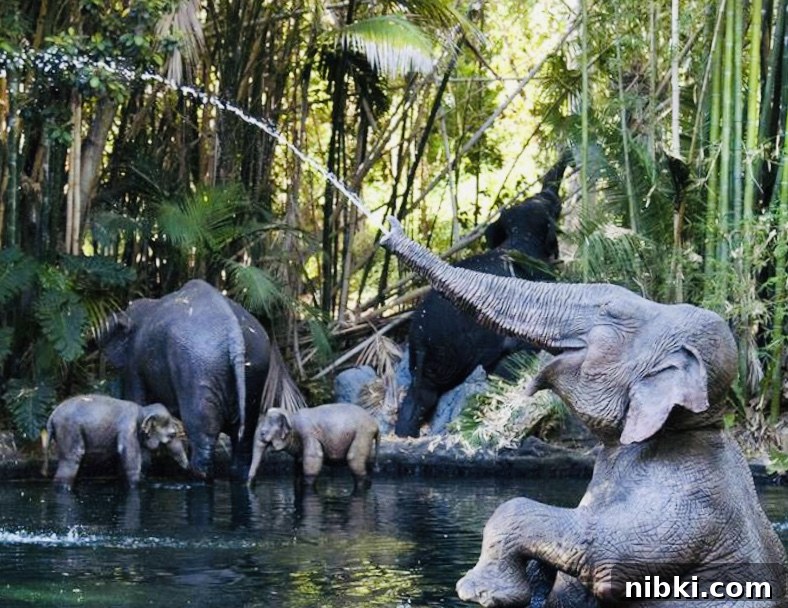
Walt Disney wanted realistic, story-enhancing settings, but time was limited. He enlisted landscape designer Bill Evans and his team to turn orange groves into immersive environments. For the Jungle Cruise, Evans planted bamboo, ficus, and tall palms that now form a two-acre canopy—what Evans himself called “the best darn jungle this side of Costa Rica.”
4) Bill Evans planted upside-down orange trees as jungle props
Bill Evans favored bold, unexpected uses of plants. In Jungle Cruise he planted some orange trees upside down so the gnarled roots resembled exotic jungle branches, adding texture and intrigue to the scene. That playful approach to planting helped fast-forward Anaheim groves into believable, story-driven settings.
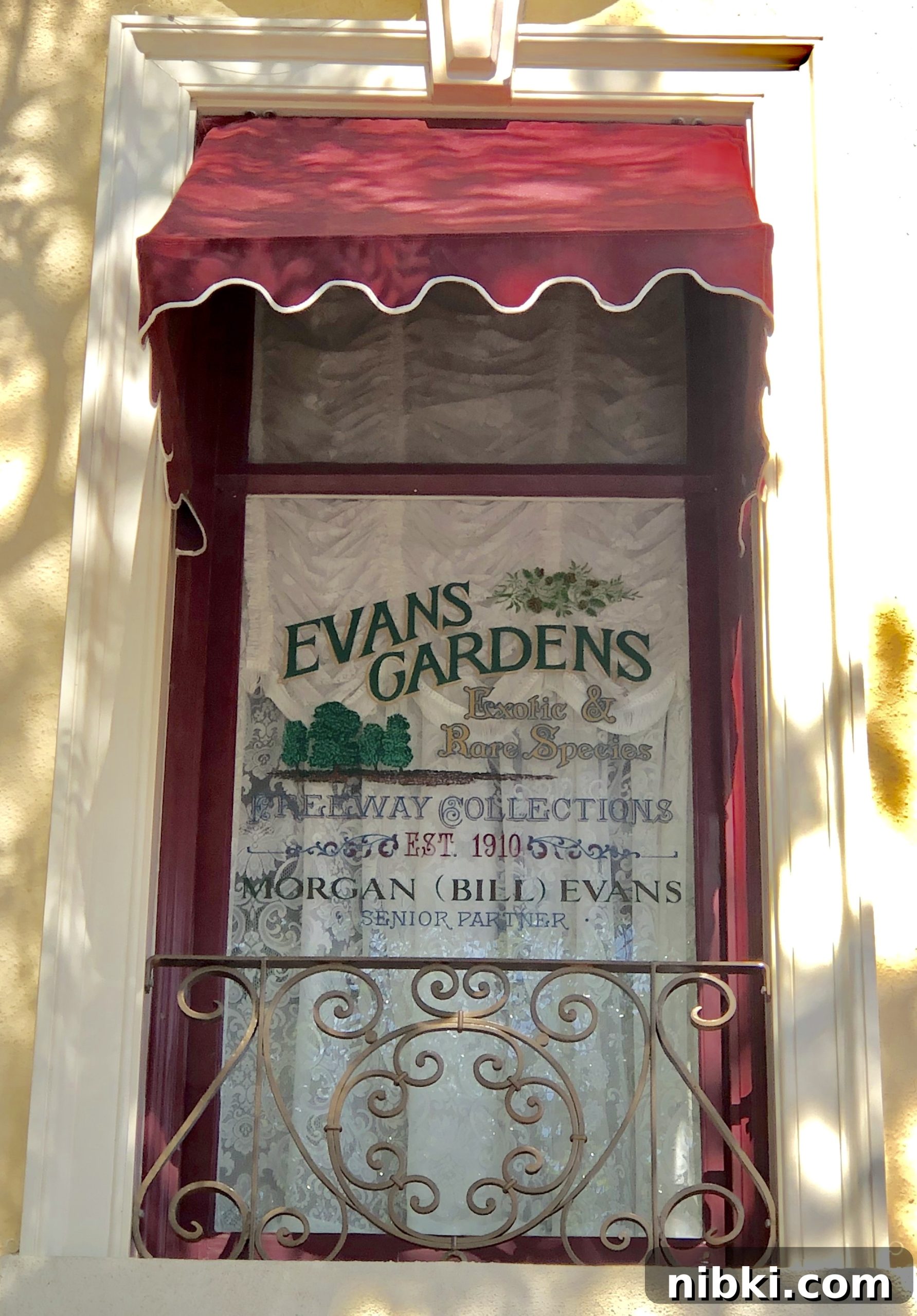
Evans is honored with a Main Street window that acknowledges his contributions; those windows serve as a kind of “credit roll” recognizing people who helped build the park.
5) Plants and planting schemes tell stories across Disneyland
Walt Disney’s landscaping vision
Walt believed gardens and plantings should support the narrative of each land. From the waterwise species used in Frontierland to the edible, futuristic gardens of Tomorrowland, horticulture plays an essential role in immersing guests and reinforcing each land’s story.
Plants support the environment and storytelling
Many of the park’s selections are water-smart and adapted to Southern California’s climate, helping the park maintain lush scenes while conserving resources. Recent plantings around Autopia and other areas demonstrate how design can be both evocative and more drought-tolerant.
6) Disneyland’s plantings are refreshed 8–10 times per year
To keep displays impeccable and seasonally appropriate, crews change out beds about 8–10 times annually. That frequent refresh is why the same area can feature dramatically different plants between visits, and it explains the park’s reputation for world-class horticulture.
7) Plant treasure hunt: Can you find these 11 plants and features?
Turn your next Disneyland visit into a plant-focused scavenger hunt. Here are suggestions to look for while you explore the park—many are themed to the land where they appear.
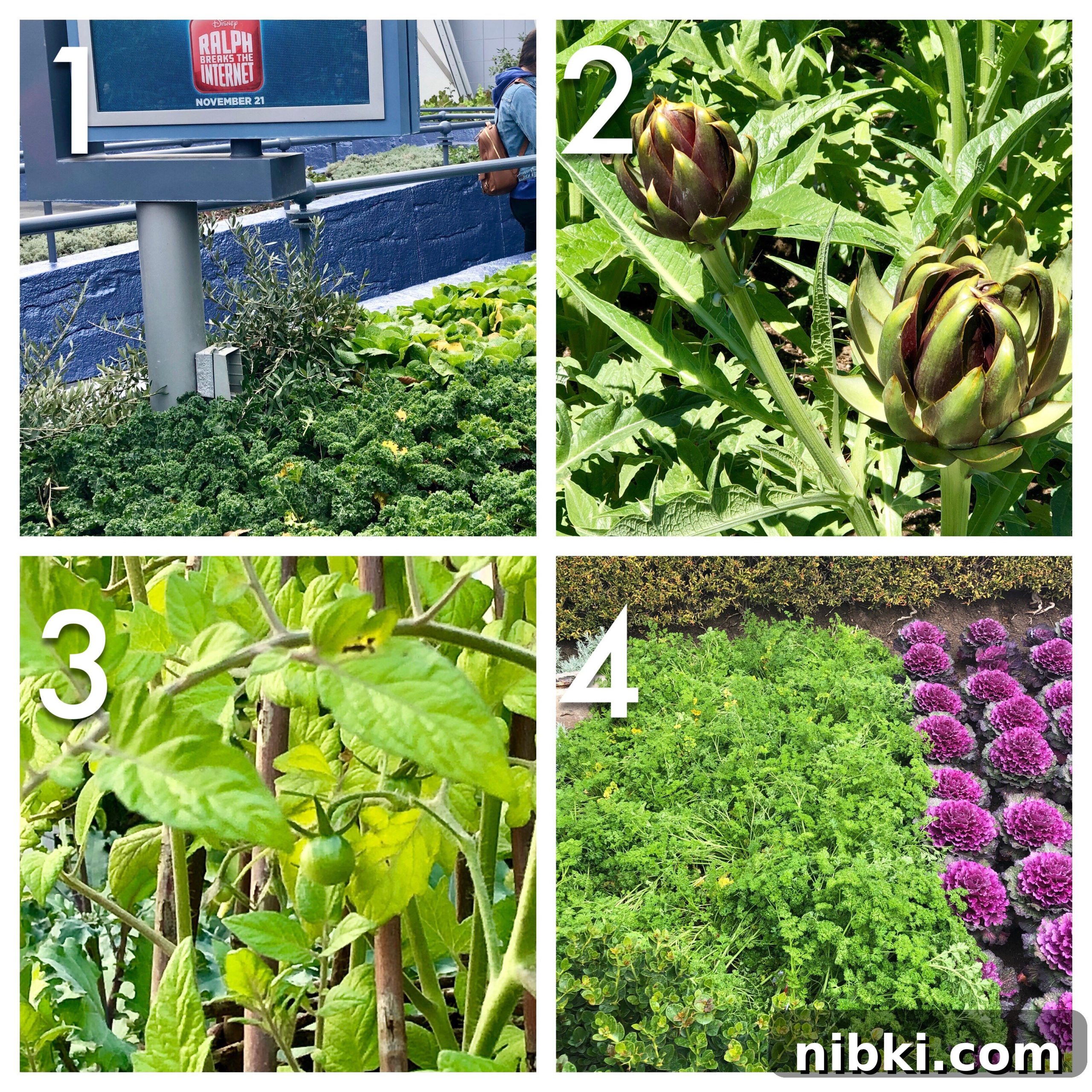 Four edible plants commonly found in Tomorrowland:
- Kale
- Artichoke
- Tomato
- Parsley
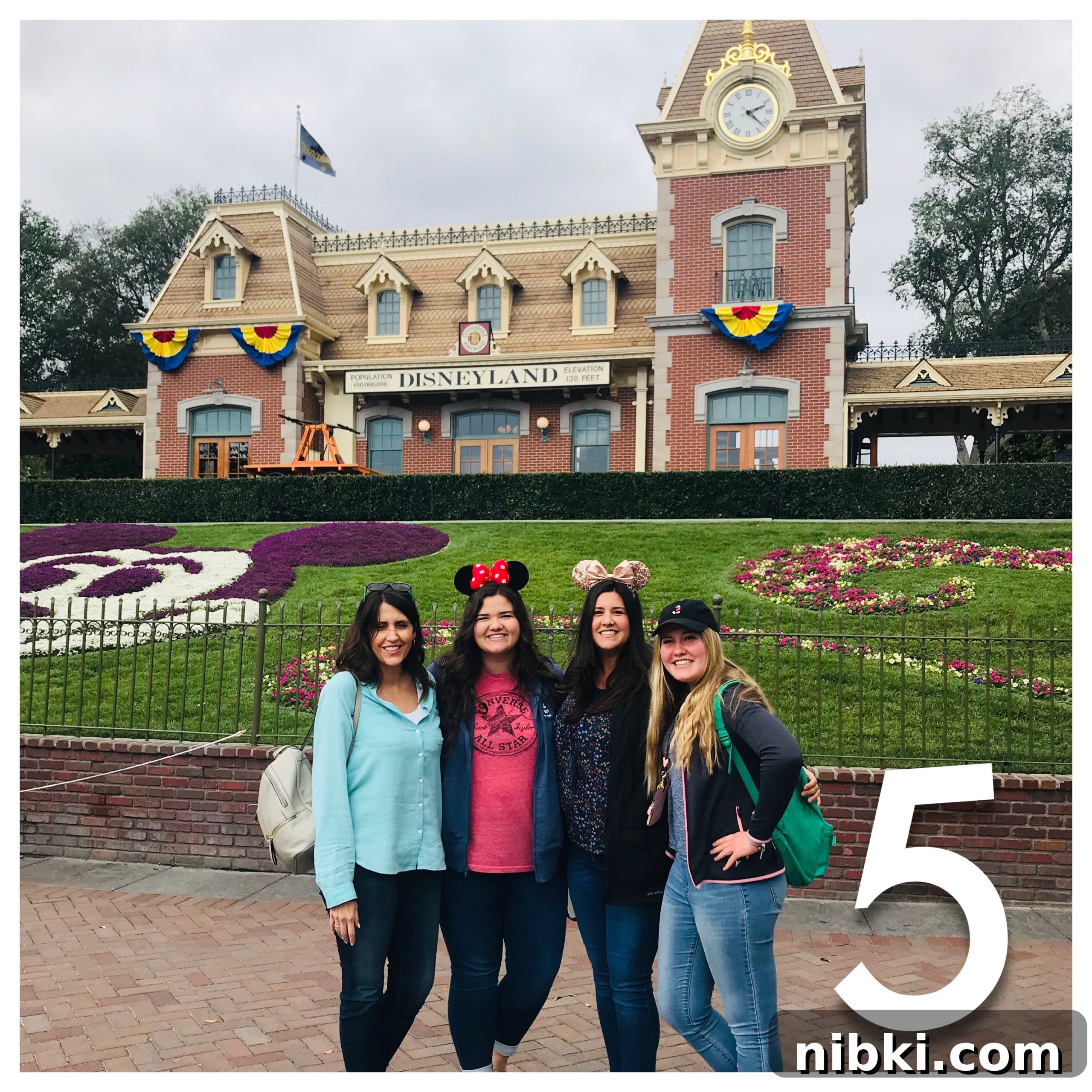
Floral Mickey landscape — The iconic Mickey floral bed at the park entrance is composed of thousands of plants and is replanted frequently to stay vibrant through the seasons.
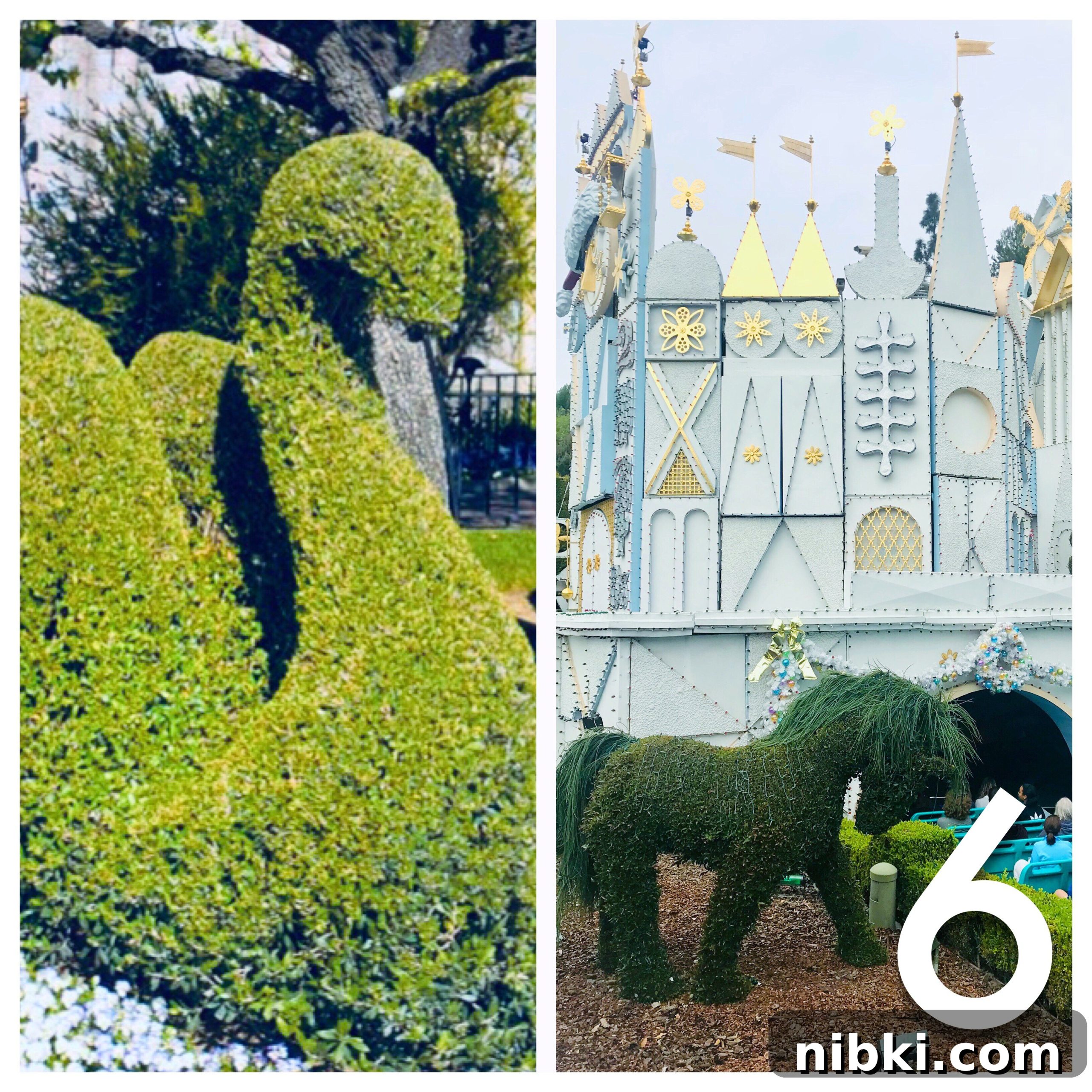
Animal topiaries — Look near “It’s a Small World” and Fantasyland for living sculptures of animals and characters. These topiaries can take years to train and shape into their final forms.
Other notable spots and plants to find around the park:
Mugo Pine — A compact, old tree displayed near the Storybook Canal Boats.
Sword Fern — Common across Fantasyland, adding lush texture to shaded areas.
Dragon Tree — Look for these distinctive trees around New Orleans Square and the Haunted Mansion area.
Edelweiss — A seasonal alpine wildflower that can be seen near the Matterhorn in summer months.
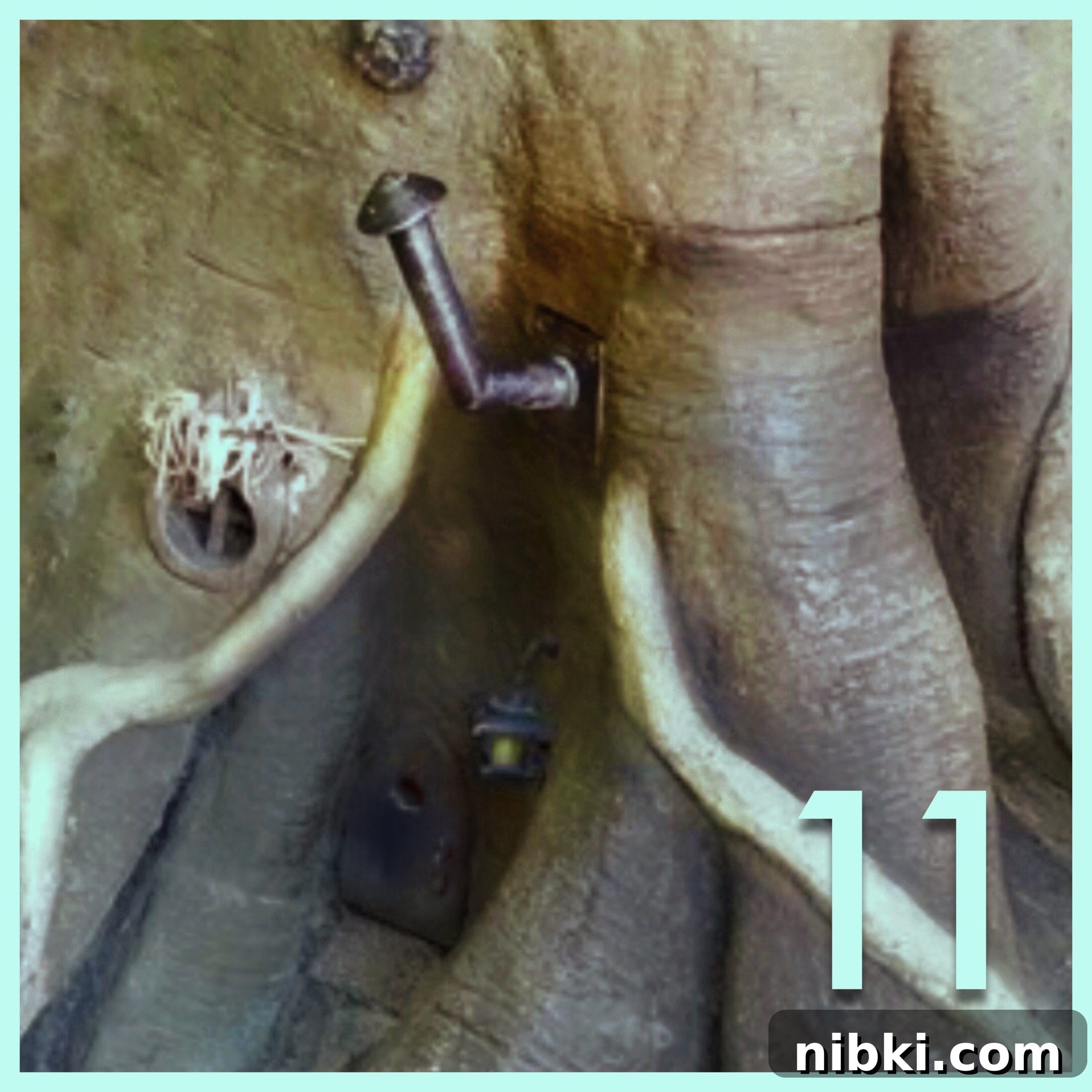
The tiny house of Patrick Begorra — Near Adventureland and the Indiana Jones ride, there is a small house built into a tree trunk connected to a classic Disneyland storybook character. It’s a fun detail for children and adults to hunt for while exploring.
We hope this guide adds a new layer of discovery to your next Disneyland visit. Whether you’re drawn to Tomorrowland’s edible beds, the dramatic Jungle Cruise canopy, or the tiny story-driven details hidden in trees and windows, the park’s horticulture is designed to surprise and delight. Happy hunting!
You May Also Like:
-
Disneyland Churro Toffee (a Copycat Recipe!)
-
Healthy Guide to Eating at Disneyland
-
Chef Art Smith’s Macaroni and Cheese
-
Fruity Pebbles Cookies