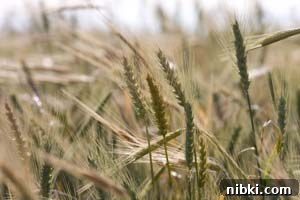
I write this as a clear reference for anyone new to the gluten-free diet, and especially for people with high sensitivities such as celiac disease or wheat allergy. Gluten cross-contamination happens when a naturally gluten-free food comes into contact with gluten from wheat, rye, or barley. Oats are a frequent example: pure oats are naturally gluten-free, but they are often contaminated with gluten due to shared fields, equipment, or transport.
How cross-contamination occurs
There are several common ways gluten cross-contamination can happen during production, transport, and preparation:
- Crop rotation and field proximity: Farmers may plant oats in fields previously used for wheat or barley, or grow oats near gluten-containing grains, allowing grain residue or seed mixing.
- Wind or environmental transfer: Dust or chaff from nearby gluten crops can blow onto non-gluten crops during harvest.
- Shared transport: Grain or flour transported in trucks or containers that previously carried glutenous grains can contaminate new loads if not thoroughly cleaned.
- Shared manufacturing equipment: Facilities processing both gluten-containing and gluten-free products may not fully clean lines, optical sorters, or conveyor belts, allowing gluten particles or flour dust to contaminate otherwise safe products.
Choosing safe products
When buying naturally gluten-free ingredients like cornmeal, oats, guar gum, or other grains and flours, check how the manufacturer handles cross-contamination risk. Look for clear labeling and certification, and contact the company if you need details about testing and cleaning procedures. Different certifications and standards exist to help buyers identify safer choices.
Certification and ppm thresholds
One commonly referenced benchmark is parts per million (ppm). The FDA’s recognized threshold for labeling a product “gluten-free” is less than 20 ppm of gluten. Some organizations use stricter limits:
- The Gluten-Free Certification Organization (GFCO) requires products to contain less than 10 ppm gluten (and 5 ppm gliadin, a component of gluten).
- The Celiac Sprue Association (CSA) mark indicates testing below 5 ppm gluten.
These certifications can give extra assurance for people with celiac disease or severe gluten sensitivity, though individual tolerance varies and some people prefer stricter standards.
Practical steps to reduce cross-contamination at home
Even with certified products, it helps to take precautions at home to prevent cross-contact:
- Keep separate storage and clearly labeled containers for gluten-free ingredients.
- Use dedicated utensils, cutting boards, and cookware for gluten-free cooking when possible.
- Avoid using shared appliances such as toasters or deep fryers unless they are cleaned thoroughly or designated gluten-free.
- Be careful with bulk bins and open bins in stores where scoops may be shared.
- When dining out, ask restaurants about separate preparation areas, utensils, and frying oil to reduce risk.
Special note about oats
Oats themselves do not contain gluten, but they are highly susceptible to contamination. If you tolerate oats and want to include them safely, choose oats that are specifically labeled “gluten-free” and, if possible, certified by a reliable third party. These products are typically grown, harvested, stored, and processed with controls designed to minimize cross-contact with wheat, barley, or rye.
Label reading and manufacturer communication
Read labels carefully for statements about shared facilities or possible cross-contact. If the label is unclear, contact the manufacturer directly and ask specific questions about their sourcing, cleaning procedures, and testing protocols. Manufacturers who regularly export or serve customers with celiac disease often publish testing results or their internal gluten-control practices.
Keeping an informed, cautious approach helps protect health and makes the gluten-free lifestyle more manageable. Certification marks and transparent manufacturer practices provide valuable guidance, but combining those with careful home and dining habits offers the best protection against gluten cross-contamination.


Photo Credit: Copyright (c) 123RF Stock Photos – Used with permission.