Simple Homemade Pasta: An Easy Fresh Pasta Recipe
Nothing compares to the flavor and texture of fresh homemade pasta. It feels both comforting and refined, and its versatility means you can dress it simply with butter and Parmigiano-Reggiano or pair it with a rich sauce for a more elaborate meal. Making pasta from scratch is a rewarding kitchen project that turns basic pantry staples into something special.
This recipe uses just four core ingredients—flour, eggs, salt, and a little olive oil—so it’s approachable even for busy cooks. Many people imagine fresh pasta is difficult or time-consuming, but with a little guidance it becomes a quick and satisfying task. If you have about 20–30 minutes to spare, you can prepare dough, shape it, and have fresh pasta ready to cook.
Ingredients and Equipment
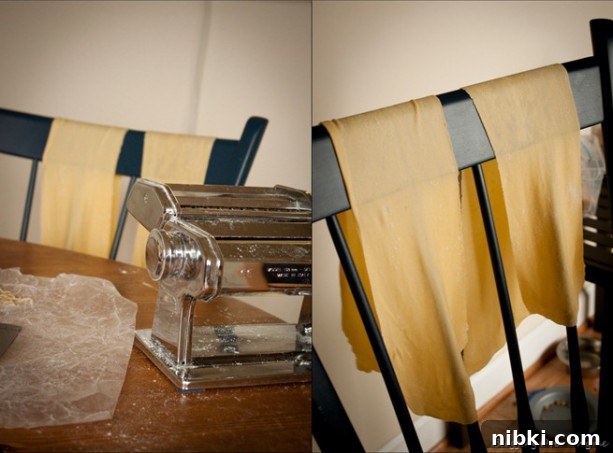
The foundation of fresh pasta is simple: high-quality flour, fresh eggs, a pinch of salt, and a splash of olive oil. Many recipes call for Italian “00” flour for its fine texture and smooth dough, but regular all-purpose flour works well if 00 isn’t available. A pasta machine (brands like Imperia are popular) makes rolling and cutting easier and more consistent, but a rolling pin and a little patience will also produce excellent results.
Why Make Fresh Pasta?
Fresh pasta offers a different mouthfeel and flavor than dry pasta. It cooks quickly and absorbs sauces beautifully. Making your own allows you to control texture and add subtle flavor variations—try incorporating fresh herbs, cracked black pepper, or a touch of lemon zest into the dough for a distinctive twist. It’s also a fun activity to share with family or friends when you want to turn dinner into an experience.
Simple Techniques and Tips
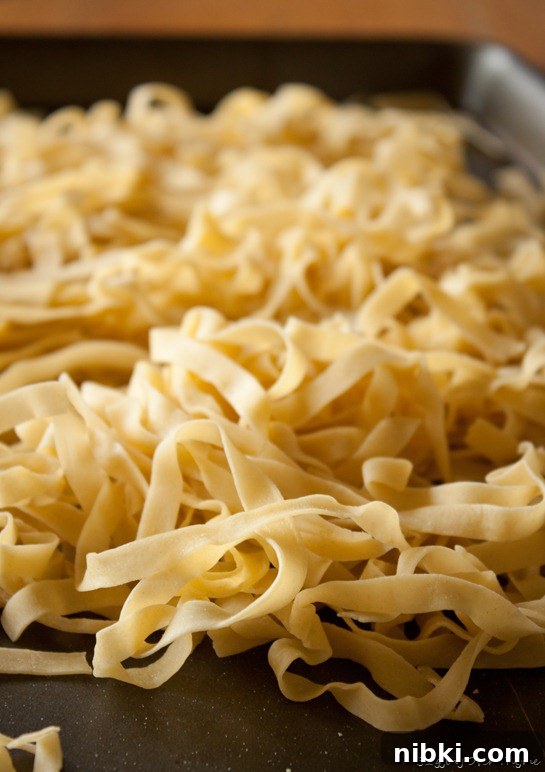
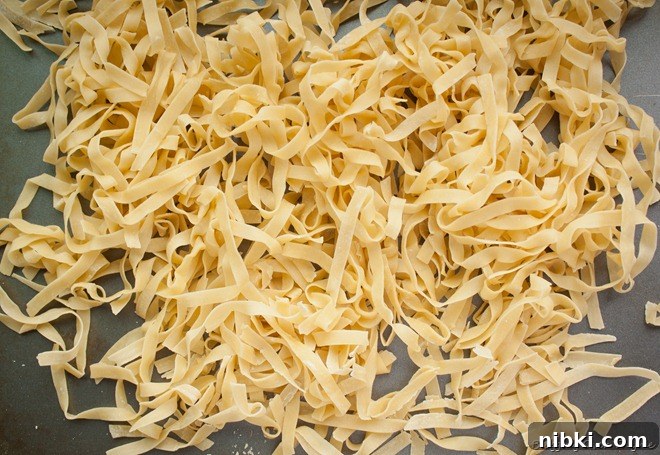
Making pasta by hand is straightforward. Combine the flour and salt, create a well, and add beaten eggs and olive oil. Mix until just combined, then knead briefly until the dough becomes smooth and elastic. Resting the dough for a short time helps relax the gluten and makes rolling easier. If you use a machine, pass the dough through the rollers, gradually reducing the thickness until you reach your desired sheet. Cut the sheets into fettuccine, tagliatelle, or small shapes. If you’re rolling by hand, cut the dough into triangles or small squares—often called “handkerchiefs”—and cook them gently in boiling salted water.
Fresh pasta cooks faster than dried varieties—usually just a couple of minutes—so watch it closely. The exact cooking time depends on thickness and shape, but the pasta should be tender and retain a pleasant bite. Drain it and toss immediately with your sauce of choice so the flavors combine while the pasta is still warm.
Variations and Serving Ideas
For a simple, classic presentation, dress fresh pasta with browned butter and freshly grated Parmigiano-Reggiano. For more substantial meals, pair it with tomato-based sauces, creamy mushroom ragù, or a light garlic and olive oil dressing. Adding herbs, ground pepper, or a small amount of finely grated citrus zest to the dough will elevate the flavor without complicating the process.
While I still keep a few boxes of high-quality dried pasta on hand for convenience, making fresh pasta at home is easy, quick, and immensely satisfying. Whether you use a machine or roll by hand, this simple approach opens the door to endless variations and memorable meals.