Shay Myers: Third-Generation Farmer and Educator Behind Owyhee Produce
Shay Myers, a third-generation farmer and CEO of Owyhee Produce, has built a large online following as @shayfarmkid on TikTok and Instagram. By sharing honest, behind-the-scenes stories from the farm, Shay helps consumers understand how produce is grown, harvested, and brought to market. His social content proved invaluable this asparagus season when a bureaucratic error left the farm short on labor during harvest.
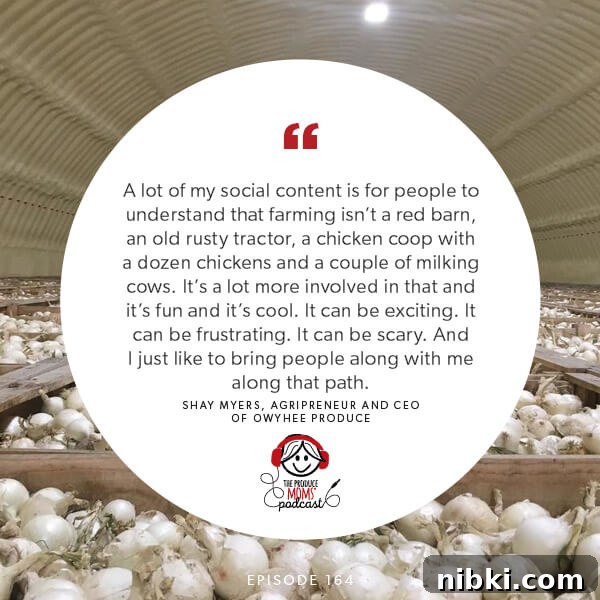
Shay’s journey into social media began with a conversation. A produce buyer asked basic questions about onions, and Shay instinctively launched into a deep, technical explanation—covering details like translucent scales, the try leaf, and onion root systems. That exchange revealed a major gap: the way farmers view their work is very different from the public’s perception. Ever since, Shay has made it his mission to educate not only industry professionals but everyday consumers who want to know where their food comes from and how it is produced.
“It took me a long time to realize that what I consider farming to be and what the average person that’s not associated with farming thought farming was, were two different things and that’s really my mission.” – Shay Myers
Shay’s social channels became crucial when a simple clerical mistake in an H-2 worker application delayed approvals and left the farm without its usual seasonal workforce. The H-2 program brings skilled agricultural guest workers into the United States for temporary harvest and planting work. These workers are experienced and often return year after year, but this season a typo in the paperwork meant approvals didn’t come through in time. The approvals arrived at the end of May, while harvest ideally begins in early to mid-April.
With one of their fields covering roughly 35 acres and hundreds of thousands of pounds of asparagus ready to pick, the farm faced a potential disaster. Calls to neighboring states for additional help came up short. In response, Shay posted on TikTok explaining the situation and asking for help. Local media amplified the message, and within days thousands of people arrived for an impromptu U-pick event to save the crop.
What started as an urgent plea turned into a remarkable community response. More than 6,100 people showed up—far more than the 500 to 600 volunteers the farm had expected. Some drove long distances, and the crowds grew quickly, requiring sign-up and organization to manage the flow of visitors safely and effectively.
Organizing a last-minute U-pick on a working farm required strict attention to food safety. The Food Safety Modernization Act (FSMA) protocols still apply, even during volunteer harvests. Every participant had to sign food safety documents and receive instruction on proper cutting technique, where to walk to avoid damaging plants, and rules about jewelry and hygiene. Implementing those procedures on short notice turned the event into a powerful educational moment: it illustrated the daily diligence farmworkers must follow to keep produce safe for consumers.
The event not only saved hundreds of thousands of pounds of asparagus from going to waste, but it also changed public perspective. Many attendees left with a new appreciation for the labor involved in fresh produce and comments telling the farm they would no longer complain about the cost of asparagus. Despite advances in mechanization, most produce harvesting is still done by hand. Mechanized planting and some automated processes exist, but hand-harvest remains the norm for many crops.
Shay’s story also highlights broader challenges facing agriculture. Labor costs have risen significantly in recent years, and many farms confront a shortage of workers willing and able to perform demanding field labor. Differences in minimum wages and labor costs across borders create additional competitive pressures. As Shay points out, these issues raise questions about food safety, food security, and the sustainability of current systems. Addressing them will require thoughtful discussion across political, ethical, and economic lines.
How to get involved
- Join The Produce Moms Group on Facebook to continue the conversation and connect with other consumers and food professionals.
- Reach out to the podcast team or hosts to share your experiences, questions, or ideas about farming and food production.
If you enjoyed this episode, consider subscribing to the podcast and leaving a review. Listener feedback helps spread the message and supports episodes that highlight real farming stories and industry challenges.
Previous episodes you may enjoy
- Episode 163: Seth Karm, CEO of Salad Savoy
- Episode 162: Reno Palombit, Melissa Webb and Kristin Vest
- Episode 161: Erin Petrey, cocktail coach and mixologist
- Episode 160: Sandy Spavone and Kayla Godbey
- Episode 159: Beth McCarthy Smith, founder of Simplicity Holistic Health