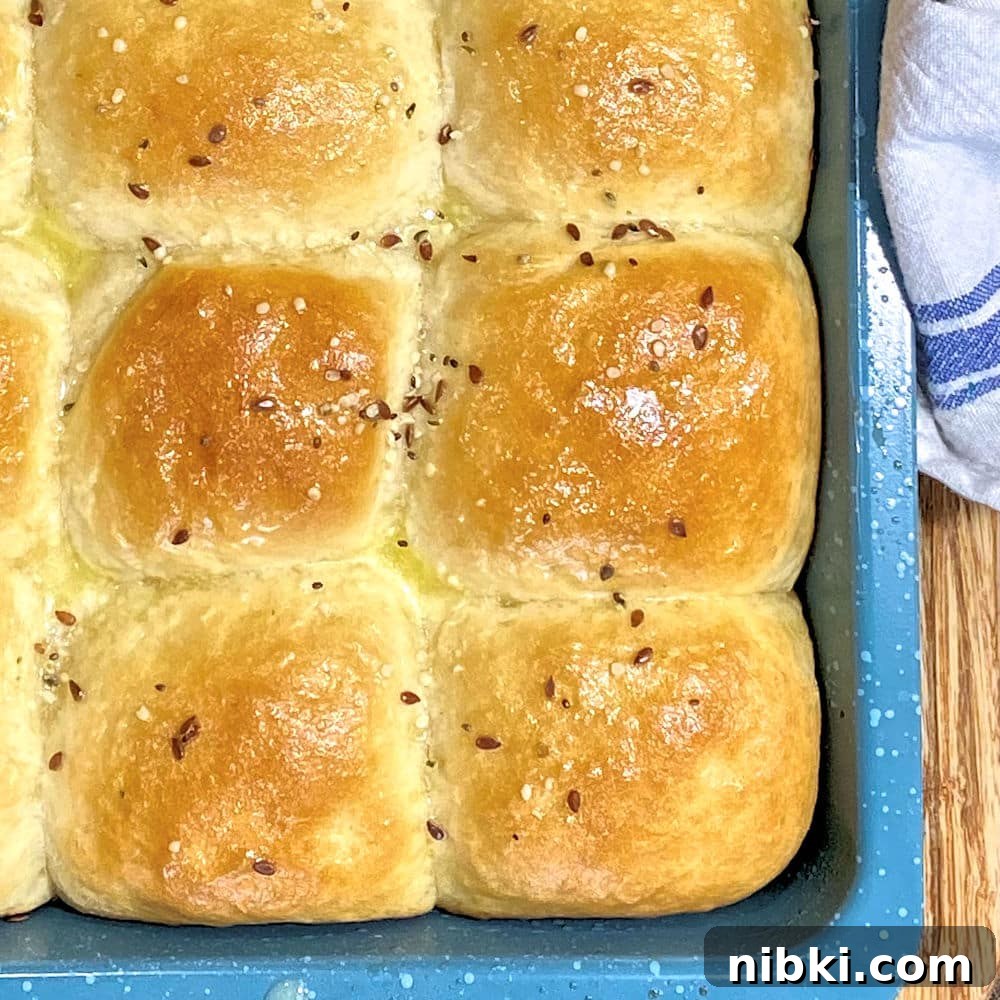
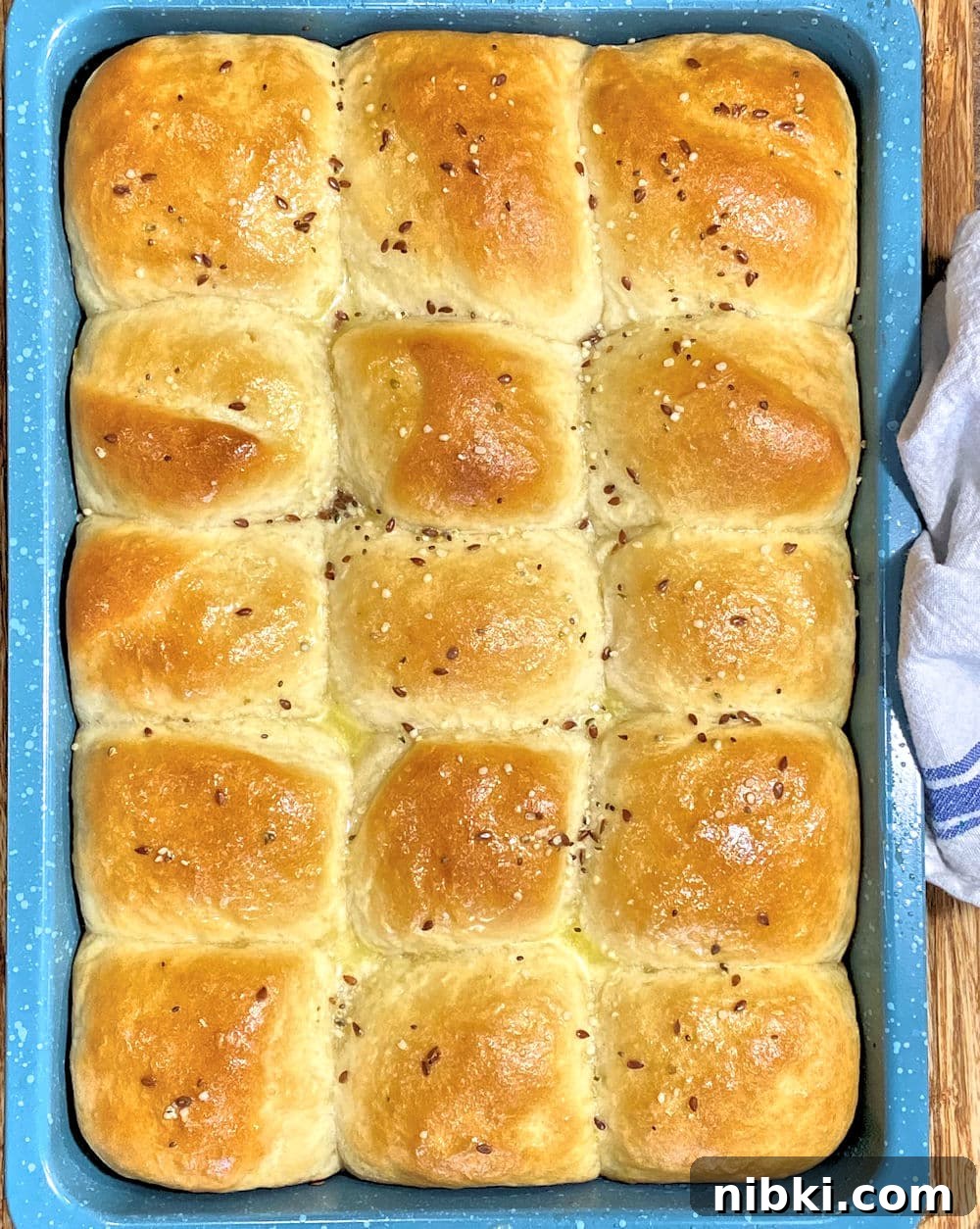
These Potato Dinner Rolls are soft, tender, and impossibly fluffy. A little potato in the dough transforms ordinary dinner rolls into a rich, moist, family-friendly favorite.
- Can you use instant potatoes?
- Are instant mashed potatoes real potatoes?
- Can you use sweet potato instead of russet?
- Recipe
Ingredients
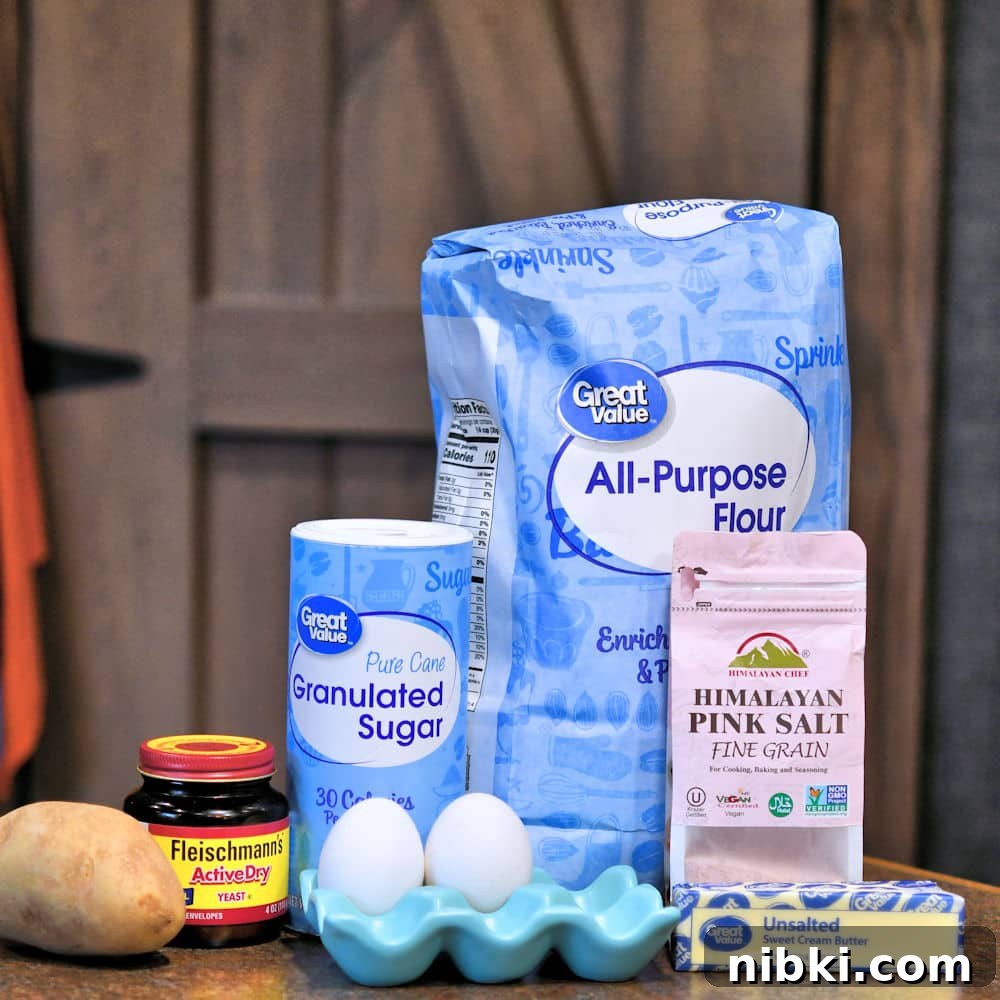
Homemade bread requires just a few pantry staples. For these mashed potato dinner rolls you need potatoes, flour, yeast, sugar, salt, butter and eggs. The potato and the potato cooking water add moisture and subtle flavor that keeps the rolls soft for days.
If fresh yeast is hard to find, there are ways to cultivate natural yeast from potatoes or use other leavening techniques, but active dry yeast or instant yeast works reliably for this recipe.
Can you use instant potatoes?
Yes. Prepare instant mashed potatoes according to the package directions, then measure out ½ cup of the finished mash for the recipe. Use regular water in the recipe in place of the potato cooking water.
Are instant mashed potatoes real potatoes?
Instant mashed potatoes are made from real potatoes that have been cooked, mashed and dehydrated. They’re a convenient, shelf-stable option and can be used in many recipes that call for mashed potatoes.
Can you use sweet potato instead of russet?
You can swap in sweet potato if you prefer. Cook the sweet potato until very soft, mash it, measure out ½ cup for the recipe, and substitute regular water for the potato cooking water when called for. Keep in mind the flavor and color will be different, but the rolls will remain tender and moist.
Preparation for Potato Dinner Rolls
One of the flavor secrets in this recipe is the potato cooking water. After boiling the potato, either strain the potatoes into a bowl or lift them out with a slotted spoon so you save that starchy, flavored liquid.
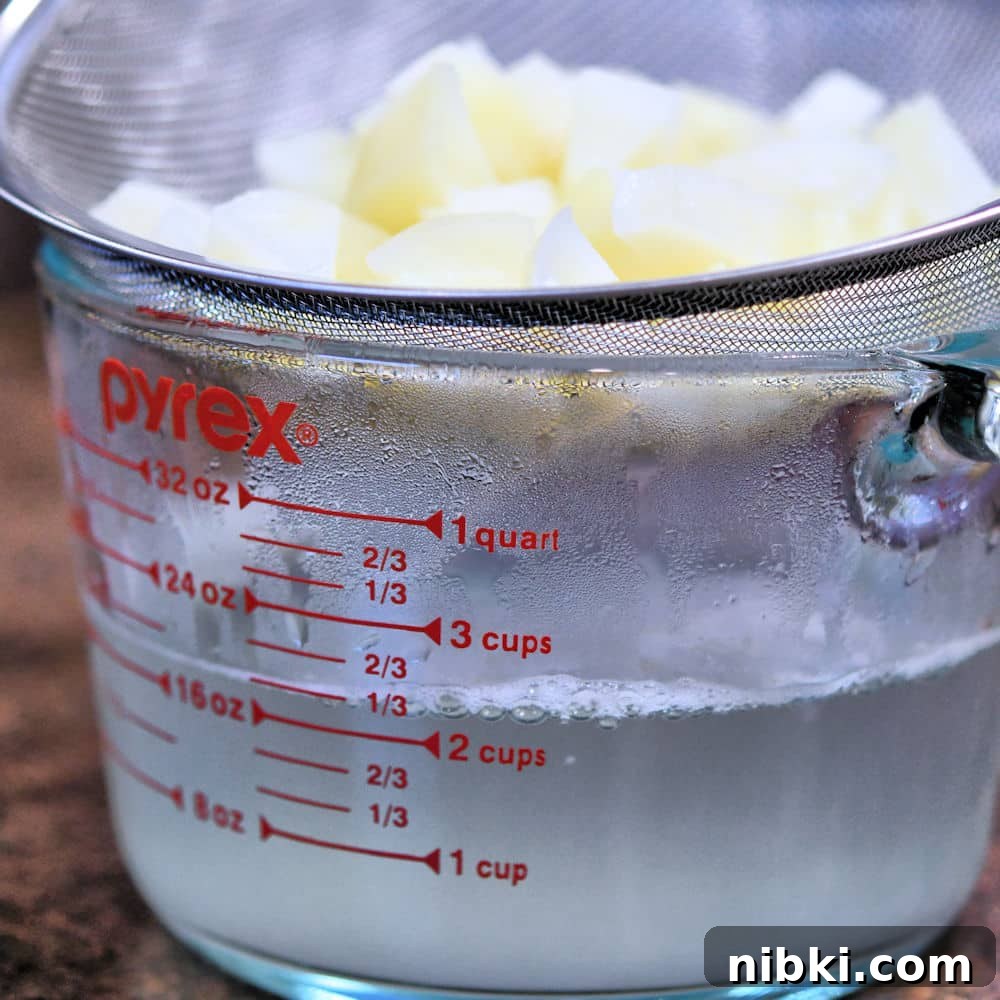
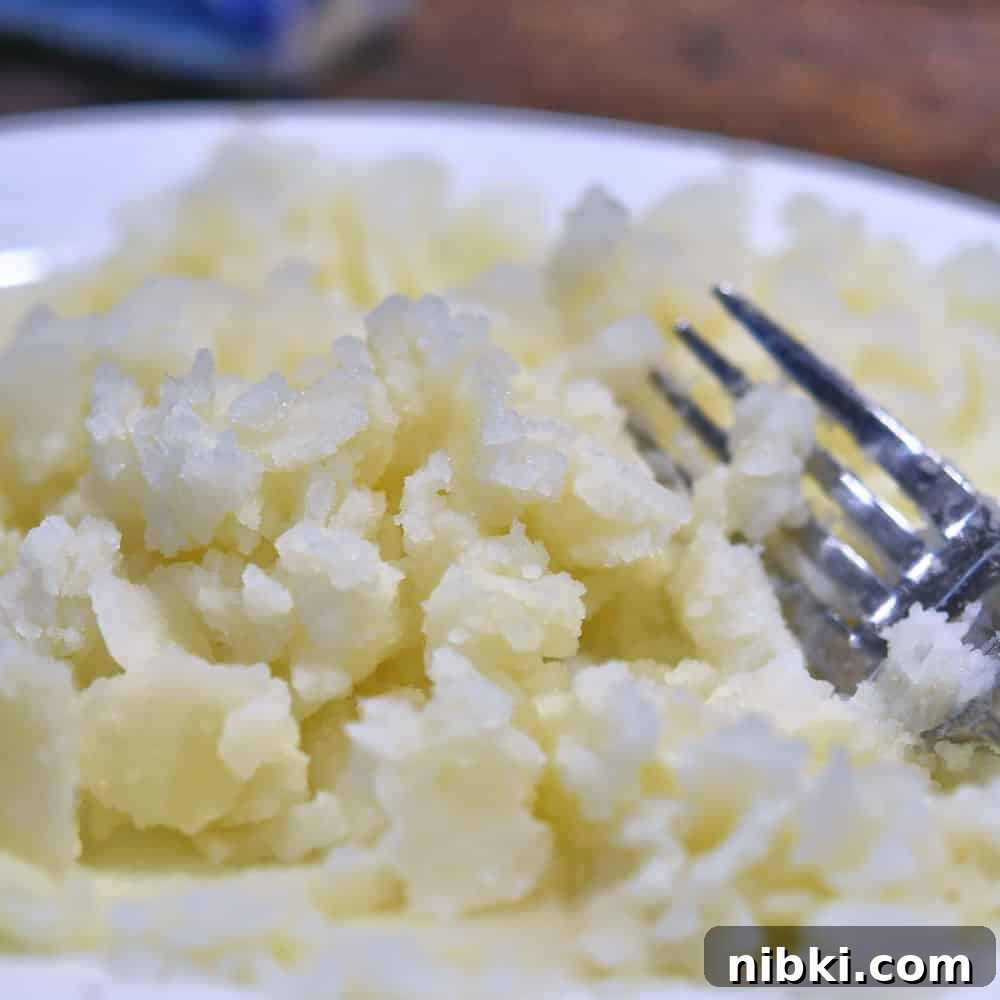
Mash the cooked potato with a fork; you only need about ½ cup for the dough, so there’s no need for special tools. Mix the mashed potato with butter until creamy, and reserve warm potato cooking water to proof the yeast.
Proofing the Yeast
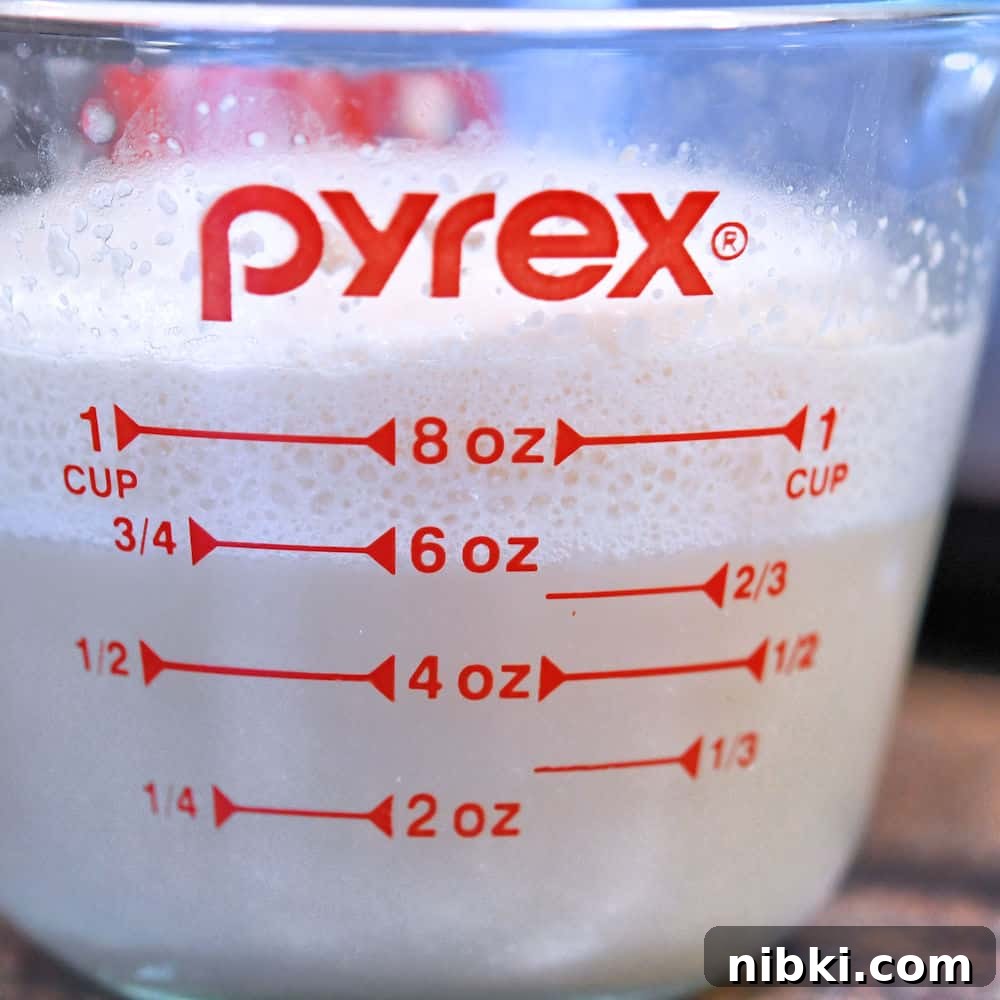
The potato cooking water should be warm (about 110°F / 43°C) to activate the yeast. Stir yeast and sugar into roughly ¾ cup of the warm cooking water and let it sit 10–15 minutes. A foamy surface indicates the yeast is active and ready to use.
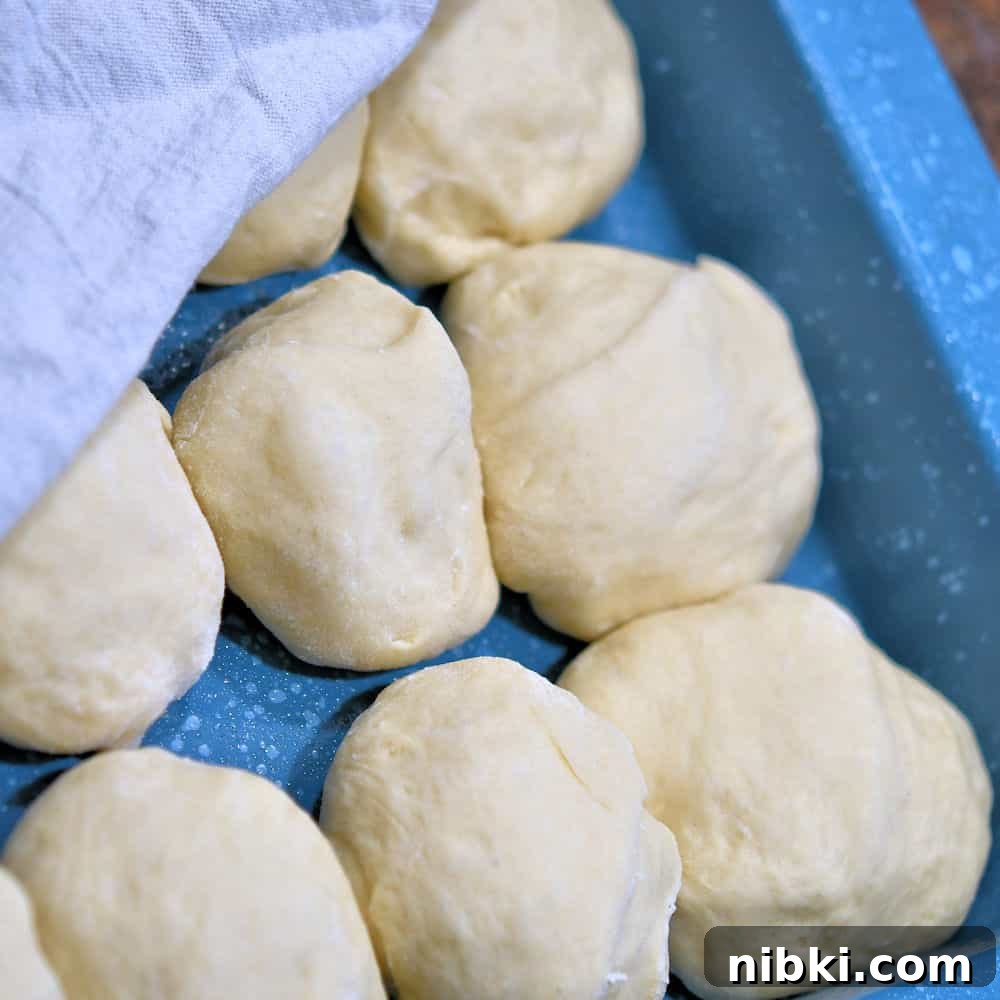
Once the dough is mixed and kneaded (by bread machine, stand mixer, or by hand), divide it into 15 equal pieces. Shape each piece into a smooth ball by tucking the edges under and placing the seam side down in a greased 9×13″ pan. Cover and let rise in a warm, draft-free spot until doubled, about 45–90 minutes depending on method and temperature.
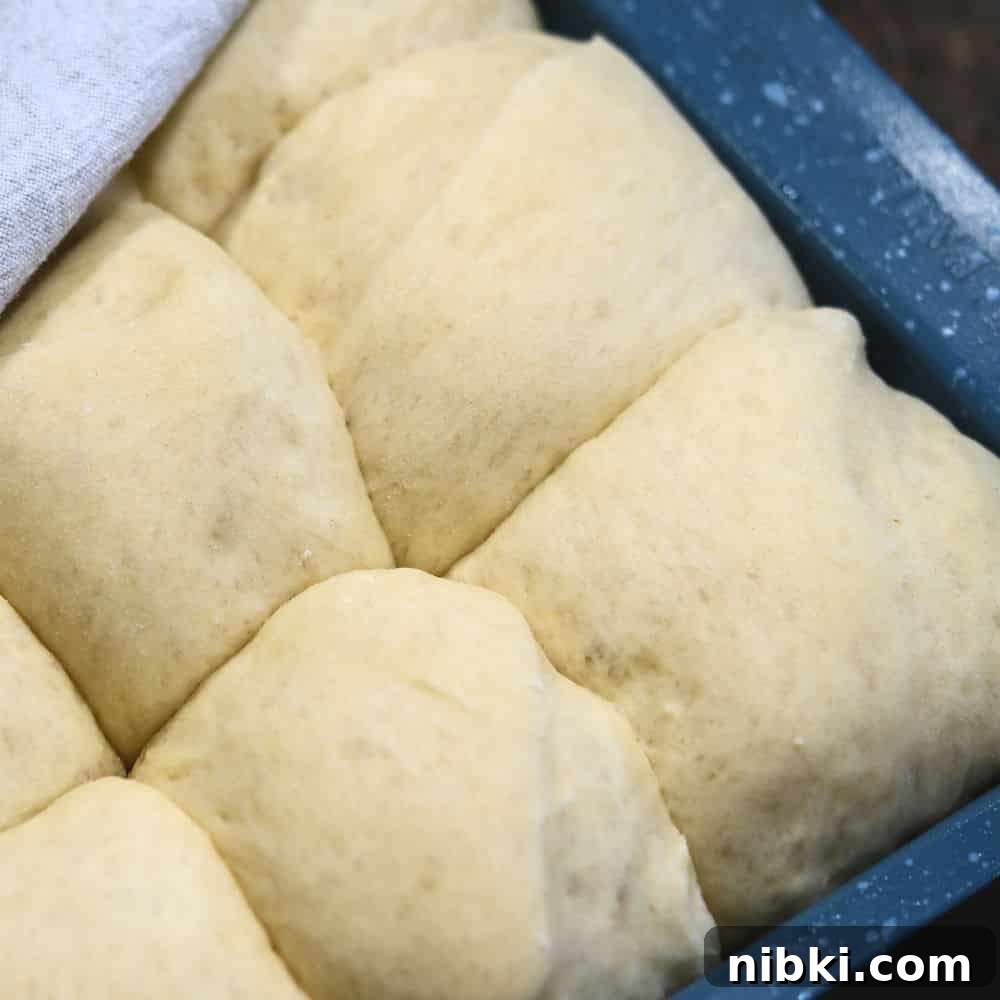
Tip for Letting Dough Rise
A warm oven makes a reliable rise environment. Turn the oven to its lowest setting for three minutes, then turn it off and place the covered dough inside. This keeps the dough safe from drafts and helps the yeast work consistently.
Serving Suggestion
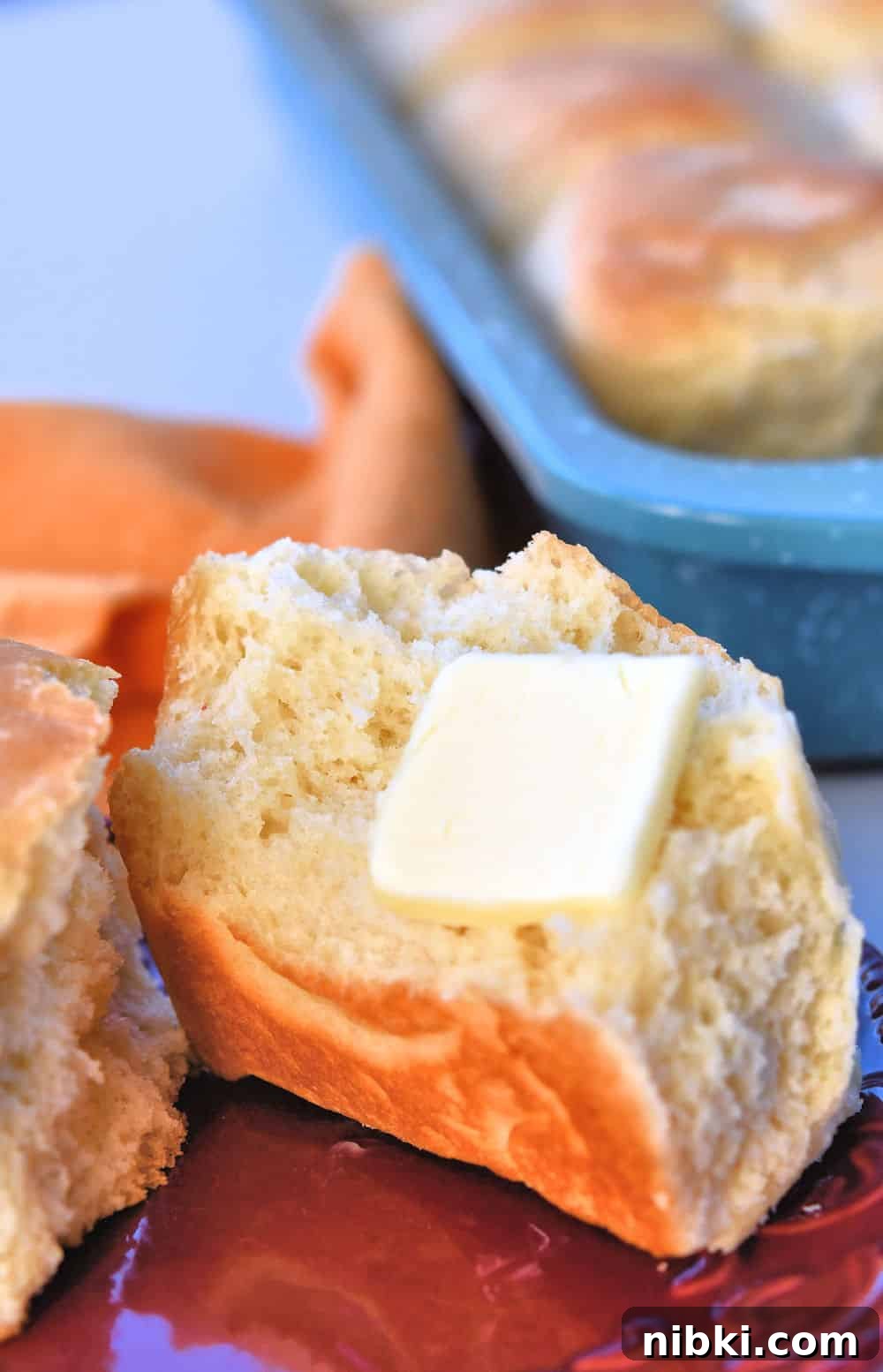
These rolls pair well with soups, stews, holiday meals and sandwiches. Serve warm with butter, or turn them into sliders with ham and cheese for an easy meal. They store well for a couple of days at room temperature in a covered container, or freeze for longer storage.
Recipe
Potato Dinner Rolls Recipe
Equipment
- Bread machine (if using bread machine instructions)
- Standing mixer with dough hook (if using mixer)
- 9×13″ baking pan
Ingredients
- 1 large potato, peeled and cubed
- 4 cups water (for boiling)
- 4 tablespoons unsalted butter
- 2 ¼ teaspoons yeast (one packet)
- 3 tablespoons sugar
- 2 large eggs
- 620 grams (about 5 1/8 cups) all-purpose flour, plus extra for dusting
- 1 teaspoon salt
- Vegetable oil (optional, if mixing by hand)
- Cooking spray
Instructions
- Peel and chop the potato. Place it in a saucepan with 4 cups water. Bring to a boil, then reduce heat to medium, cover and simmer until the potato is very tender and mashes easily, about 30 minutes. Remove from heat.
- Lift the potato out with a slotted spoon and set aside. Do not discard the cooking water; reserve it.
- While the potato and cooking water are still warm, mash the potato with a fork and measure out ½ cup mashed potato. Mix in the butter until it melts and the mixture is smooth.
- Pour ¾ cup of the warm cooking water into a small bowl and stir in the yeast and sugar. Let sit 10–15 minutes until foamy.
- Beat the eggs in a separate bowl.
- When the yeast is active and foamy, add the yeast mixture, the potato mixture, beaten eggs, flour and salt to the bread pan if using a bread machine. Set the machine to the dough-only cycle. If using a stand mixer, add ingredients in the same order and mix with the dough hook until a smooth, elastic dough forms. If mixing by hand, combine and knead until smooth and soft.
- When the dough is ready, place it on a lightly floured surface. Spray a 9×13″ pan with cooking spray. Divide the dough into 15 equal pieces, shape each into a ball with the seam on the bottom, and arrange them in the pan.
- Cover the pan with a towel and let the rolls rise in a warm, draft-free spot until doubled in size, about 45–90 minutes depending on conditions.
- Preheat the oven to 400°F (204°C). Bake the rolls for 10–12 minutes, or until the tops are golden brown.
- If desired, brush the tops with melted butter and sprinkle with sea salt, sesame seeds, or chia seeds before serving.
Notes
Stand mixer instructions: Follow steps 1–7. Add flour one cup at a time while mixing until fully incorporated. Place the dough in a lightly greased bowl, cover with plastic wrap and let rise until doubled, about 60–90 minutes. Punch down, divide into 15 pieces and proceed.
By hand: Follow steps 1–7 and knead until the dough is smooth and soft. Let rise in a greased bowl covered with plastic wrap until doubled, about 60–90 minutes. Punch down, divide and finish as directed.
Note: When possible, use a kitchen scale for dry ingredients like flour for best results. If you don’t have a scale, stir the flour and use the spoon-and-fill method rather than scooping directly from the bag.
Percent Daily Values are estimates. If you have specific dietary needs, calculate nutrition using your ingredient labels. 24Bite, Kim Guzman and Christian Guzman are not responsible for individual dietary outcomes.
© 2019-2026 Kim Guzman and Christian Guzman. All rights reserved.
Follow 24Bite:
Instagram | Facebook | Pinterest