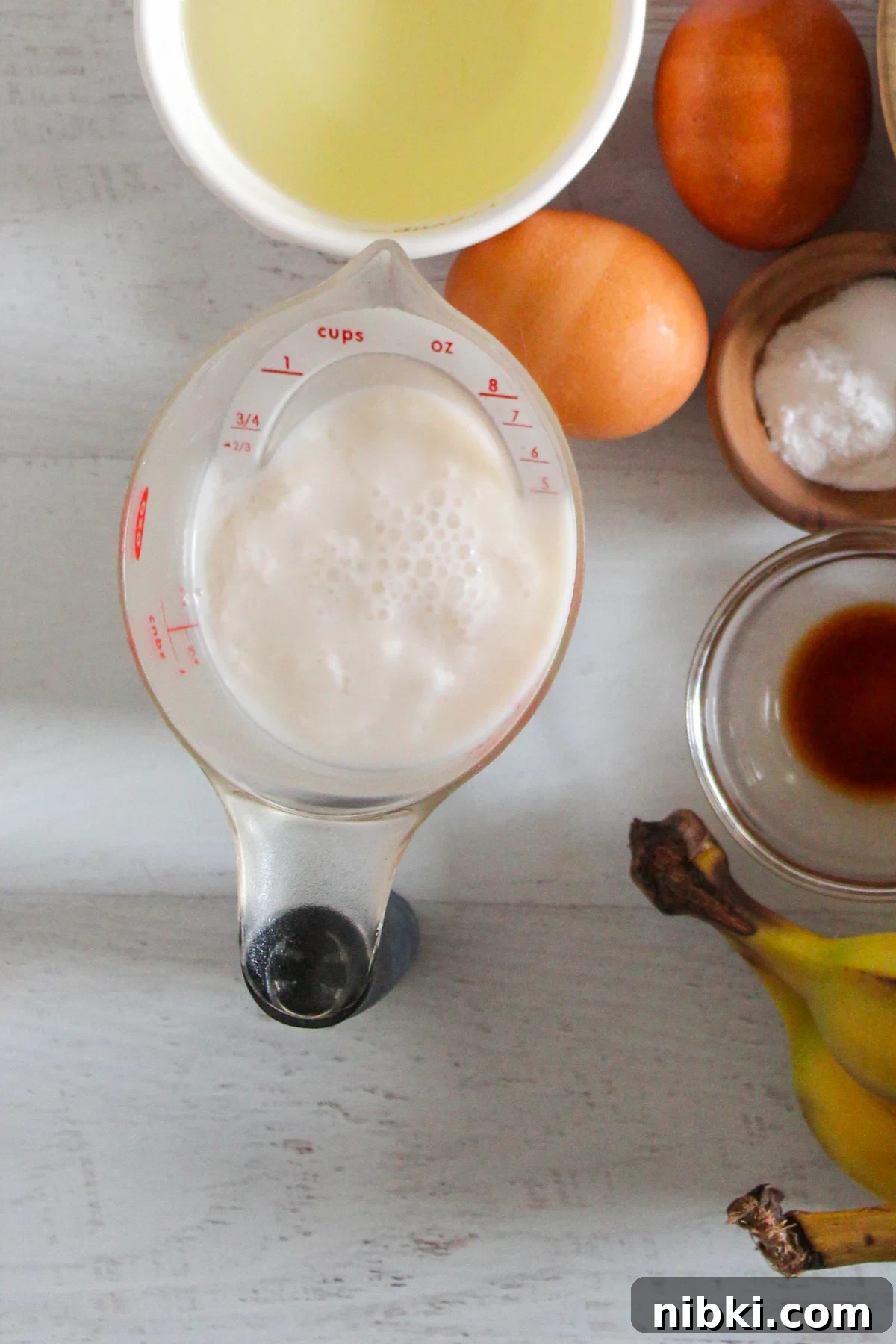
Ever start baking only to realize the recipe calls for buttermilk and you don’t have any? If you need a dairy-free buttermilk substitute fast, this guide shows a reliable, easy option that works in most recipes.
This simple dairy-free buttermilk substitute uses just two pantry staples — an acid and an unsweetened non-dairy milk — and recreates the tang and chemical reaction you need for tender baked goods. It’s perfect for vegan baking, lactose intolerance, or whenever you’re out of traditional buttermilk.
Table of Contents
Whether you’re vegan, lactose-intolerant, or just out of milk, this quick solution saves your recipe and avoids an emergency grocery run. The method is fast, predictable, and works in cakes, muffins, pancakes, biscuits, and savory batters.
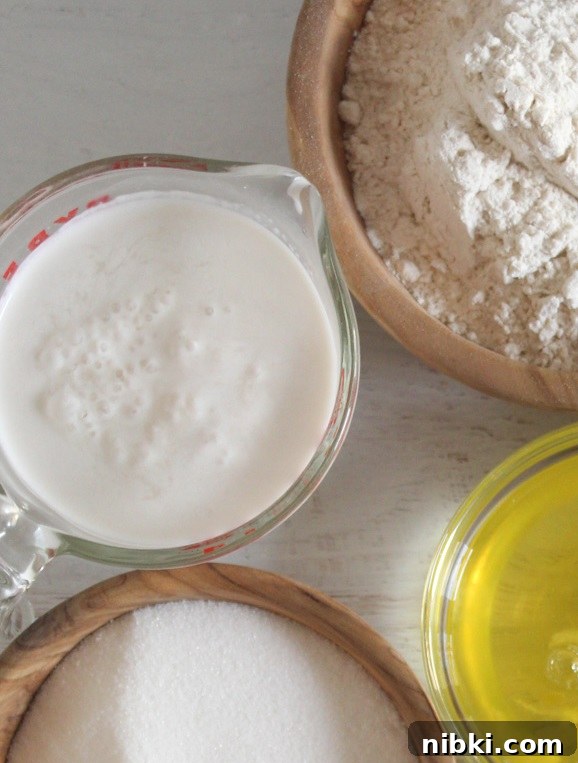
Why This Recipe for Dairy-Free Buttermilk Alternative?
This buttermilk alternative cuts the lactose while delivering the acid and creaminess that buttermilk contributes in baking. Lactose is the sugar in milk that can cause digestive upset for people who are lactose intolerant, so using unsweetened non-dairy milk with an acid minimizes that concern while keeping baking chemistry intact.
I use this substitute when hosting guests with lactose issues or milk allergies, and also whenever I have leftover non-dairy milk on hand. It’s a practical, vegetarian-friendly option that still gives baked goods lift and tenderness.
What’s the difference between lactose intolerance and a milk allergy?
A milk allergy is an immune response to milk proteins and can cause symptoms like rashes, swelling, or breathing difficulties. Lactose intolerance is a digestive issue caused by a lack of the enzyme lactase; symptoms are usually nausea, cramps, gas, bloating, and diarrhea. This dairy-free substitute avoids milk proteins entirely when using plant-based milk, so it’s safer for people with milk allergies and more comfortable for those with lactose intolerance.
Ingredients for Non-Dairy Buttermilk Substitute
The ingredient list is intentionally short. For one cup of substitute you need:
- 1 tablespoon distilled white vinegar (or another mild acid)
- 1 cup (about 240–250 g) unsweetened non-dairy milk (almond, oat, soy, cashew, etc.)
Why Just These Two Ingredients?
Buttermilk provides acid (lactic acid) and a creamy liquid to help baked goods rise and remain tender. White vinegar supplies the acid needed to react with baking soda, and unsweetened non-dairy milk supplies the liquid body and mild creaminess. Together they mimic traditional buttermilk’s effect in most recipes.
- Almond milk adds a light nutty note.
- Oat milk supports oat-based flavors and adds a neutral sweetness.
- Coconut milk gives extra richness but a faint coconut flavor.
Printable Dairy-Free Buttermilk Alternative Recipe Card
Ingredients
- 1 Tablespoon white vinegar
- 1 cup unsweetened almond milk (about 240–250 grams) — or other unsweetened non-dairy milk
Instructions
- Pour 1 tablespoon white vinegar into a measuring cup.
- Add unsweetened non-dairy milk to the 1-cup mark.
- Let the mixture sit at room temperature for 5 minutes so it can curdle slightly and develop the tang.
- Use 1:1 in recipes calling for buttermilk.
Notes
- Substitute lemon juice or apple cider vinegar for white vinegar if needed.
- Try oat, coconut, or cashew milk in place of almond milk to adjust flavor and richness.
Nutrition
How to Make Dairy-Free Buttermilk (Step-by-Step)
This is the standard, reliable method I use whenever a recipe calls for buttermilk but I want a vegan or lactose-free version.
Step One: Start with the Vinegar
Place one tablespoon of distilled white vinegar into a measuring cup.
Step Two: Add Unsweetened Non-Dairy Milk
Fill to the 1-cup mark with an unsweetened non-dairy milk of your choice.
Step Three: Let Ingredients Blend
Allow the mixture to rest for about 5 minutes. It may not thicken like dairy buttermilk, but it will provide the necessary acidity and enough creaminess for most baked goods.
Step Four: Use in Your Favorite Recipes
Substitute this dairy-free buttermilk 1:1 for regular buttermilk in recipes such as pancakes, biscuits, muffins, cakes, cornbread, and batters for frying.
Substitutes and Variations
- For a richer texture use full-fat coconut milk or high-fat oat milk.
- For a neutral taste, soy or oat milk are excellent choices.
- Lemon juice or apple cider vinegar both produce a similar acid reaction — use them if you don’t have white vinegar.
Dairy-Free Buttermilk FAQs
Are there other alternatives? Yes — vegan plain yogurt, vegan sour cream, cultured plant-based kefir, or a mix of cream of tartar and non-dairy milk can also work in a pinch. The key is acid plus creaminess.
Can I store it? Cover and refrigerate for up to 2–3 days; stir before using. It’s best fresh, especially for recipes relying on precise leavening.
Can I freeze it? Freezing is not recommended; separation on thaw will affect texture and may change how it behaves in recipes.
Does it work in savory dishes? Absolutely. Use unsweetened non-dairy milk to avoid adding sweetness to marinades, dressings, or savory batters.
Recipes to Try It In
Use a 1:1 substitution in any recipe that calls for buttermilk, including buttermilk pie, white cake, banana bread, pancakes, biscuits, and fried coatings.
Best Dairy-Free Substitute for Buttermilk: Key Takeaways
This homemade dairy-free buttermilk is quick, inexpensive, and reliable. It replicates the acidity and moisture of traditional buttermilk without dairy proteins or lactose. Keep unsweetened non-dairy milk and a mild vinegar on hand and you’ll be ready to bake or cook without missing a beat.
Did You Try This Dairy-Free Buttermilk Substitute?
Did you try this recipe? If you have questions or want to share results and variations, leave a comment where this appears or note your experience on your own baking notes. Happy baking!