Creative Alternatives to Frosting: Elevate Your Cake Decor
Decorating a cake goes far beyond traditional frosting techniques. While classic frostings remain popular, there are many creative alternatives that can turn a simple cake into a memorable centerpiece. This guide explores textured buttercream, edible flowers and herbs, ganache drips, fresh fruit arrangements, mirror glaze, powdered sugar stenciling, nutty finishes, and more—practical ideas to inspire both novice and experienced bakers.
Whether you want rustic charm, modern shine, or a natural, garden-fresh look, choosing the right finishing technique can dramatically change the appearance and flavor balance of your cake. These approaches focus on texture, color, and complementary flavors, helping you create cakes that look professional and taste wonderful. Read on for practical tips and variations to try on your next bake.
-
Textured Buttercream
Textured buttercream offers a versatile and tactile alternative to smooth, traditional finishes. Use different piping tips to form ruffles, rosettes, or basketweave patterns, or apply buttercream with a palette knife to create rustic swirls, peaks, and waves. This technique adds visual depth and highlights the handmade nature of your cake. For a refined look, smooth the surface slightly and add deliberate textured accents; for a more organic result, leave visible knife strokes and soft peaks.
-
Edible Flowers and Herbs
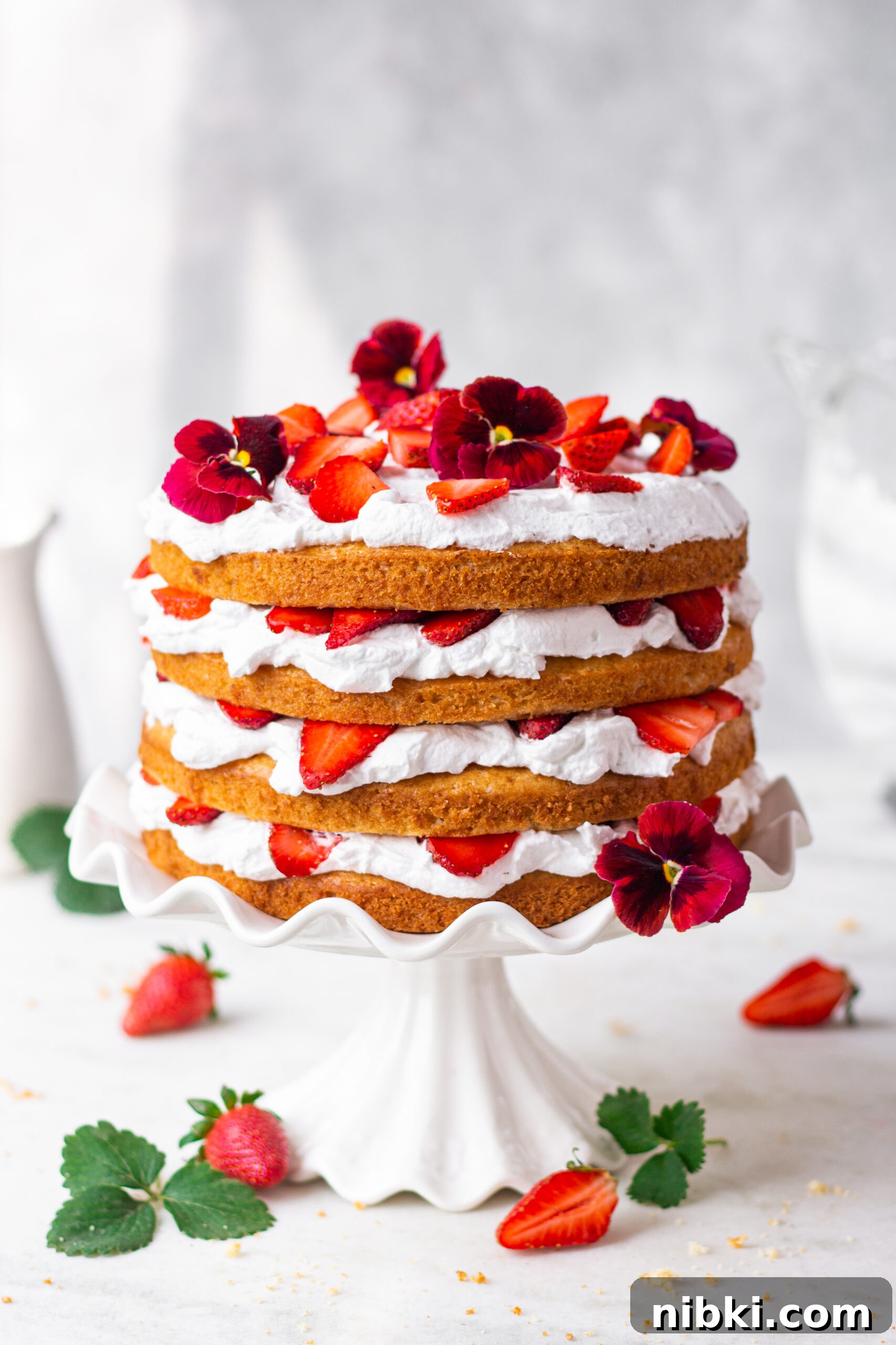
Edible flowers and fresh herbs bring color, fragrance, and subtle flavor to cake decoration. Consider delicate blooms such as pansies, violas, and violets, or aromatic additions like lavender and mint. Press or arrange flowers gently onto a thin buttercream or glaze layer to secure them. Always ensure flowers and herbs are confirmed edible and pesticide-free before use. The result is a fresh, garden-inspired cake that feels both elegant and natural.
-
Chocolate Ganache Drips
Glossy chocolate ganache creates a dramatic, indulgent finish. Pour a slightly cooled ganache at the cake center and coax it so it drips naturally down the sides for a luxurious effect. Adjust the ganache consistency to control the length and thickness of drips—thicker ganache yields shorter drips, while softer ganache creates longer streams. Ganache pairs beautifully with textured buttercream, fresh fruit, or nut accents for a balanced presentation and flavor.
-
Fresh Fruits
Fresh fruit is a colorful, flavorful option that can serve as both decoration and complementary filling. Arrange berries, sliced kiwi, mango, citrus segments, or stone fruit slices into mosaics or casual clusters. Fruits can be glazed lightly with a neutral jam to maintain sheen and prevent drying. This approach is ideal for seasonal cakes and offers a lighter, fresher taste compared with heavier frostings.
-
Mirror Glaze
Mirror glaze provides a high-shine, modern finish that turns cakes into eye-catching showpieces. Use smooth mousse or ganache bases for best results, and pour the cooled glaze evenly to achieve a reflective surface. Experiment with color combinations or marbling techniques to create striking visual effects. Mirror glaze works especially well on entremets and layer cakes where a silky exterior complements delicate interior textures.
-
Icing Sugar and Stenciling
A simple dusting of icing sugar can add instant elegance. For more detail, use food-safe stencils to create crisp patterns or motifs on top of a thin layer of buttercream or fondant. Stenciling allows precise, repeatable decoration without extensive piping skills, making it an accessible way to achieve professional-looking results. Combine stenciled patterns with fresh fruit, herbs, or small sugar decorations to add depth.
-
Nutty Crunch and Praline Perfection
Press chopped toasted nuts—such as almonds, hazelnuts, or walnuts—onto the sides of a cake for texture and flavor contrast. Layering praline between cake tiers or as a thin crunchy coating adds a caramelized, nutty note and pleasant bite. Toasting nuts before use enhances their aroma and flavor. These elements provide textural interest and pair well with chocolate, caramel, and fruit-forward cakes.
-
Stenciling
Stenciling is a precise and decorative technique that complements many other finishes. Secure a food-safe stencil to the cake’s surface and apply powdered sugar, cocoa, or a thin spread of buttercream to reveal the design. This method works on both flat tops and gently curved surfaces, offering geometric, floral, or lace-like patterns that elevate the cake’s visual impact without heavy embellishment.