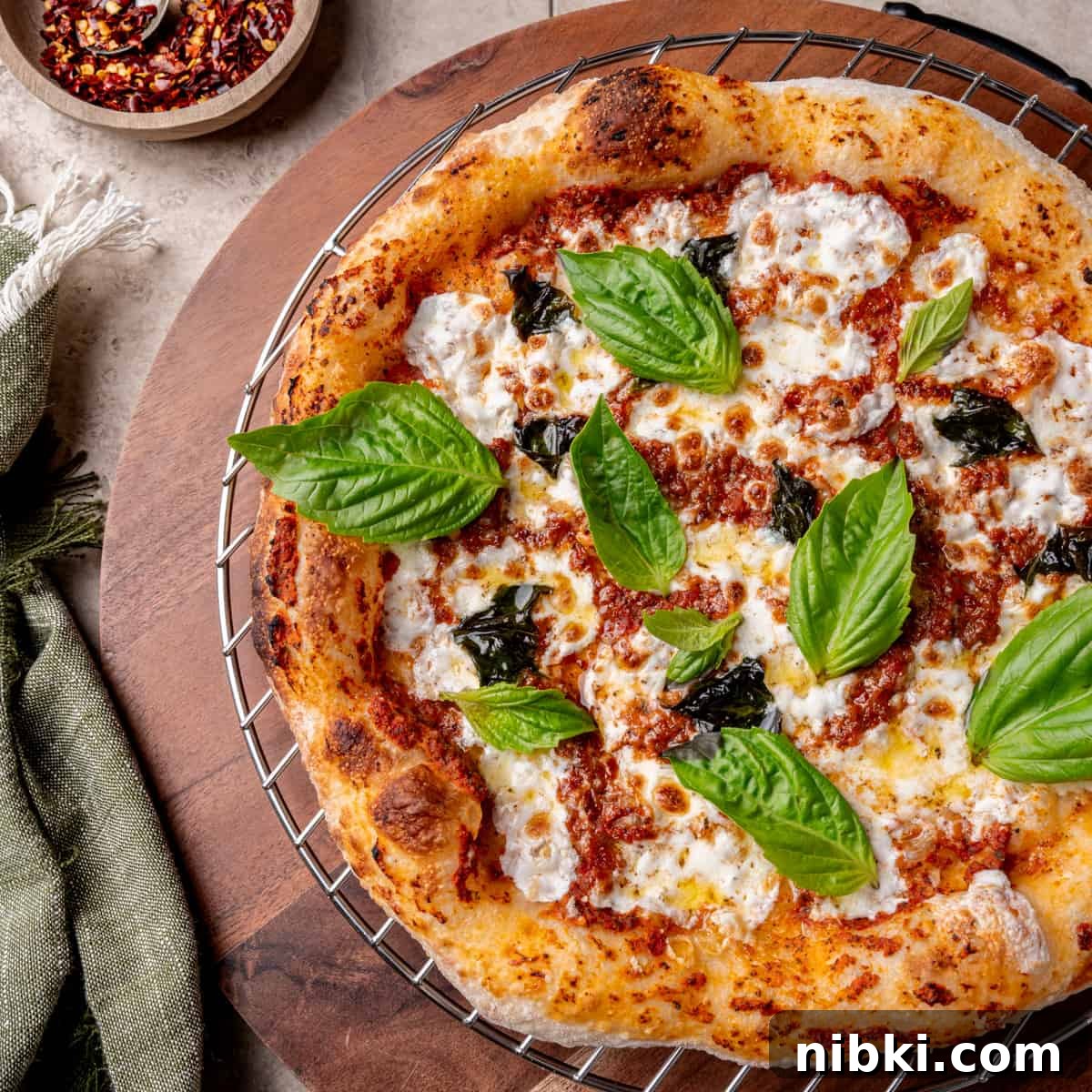
Looking for a tried-and-true Neapolitan pizza dough recipe that yields a light, airy crust with big, blistered bubbles? This straightforward method uses a poolish starter and just a few ingredients to give you that classic Neapolitan texture: crisp on the outside, pillowy and chewy inside.
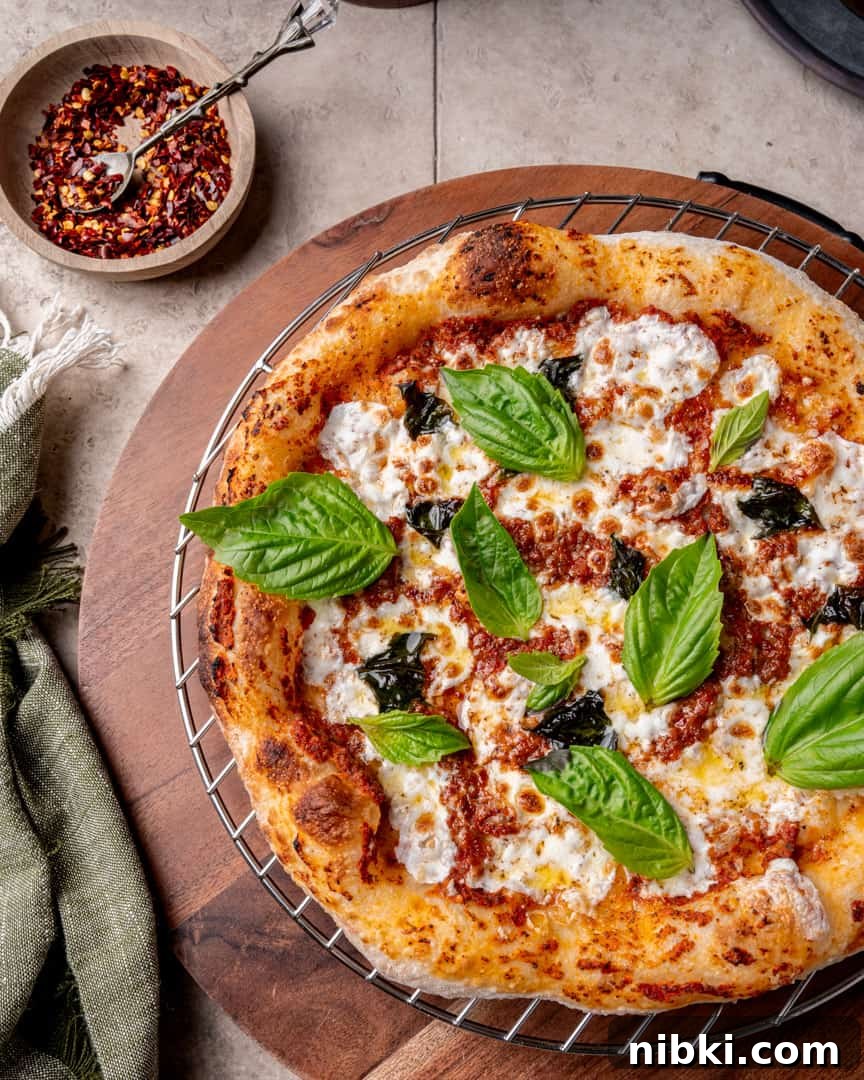
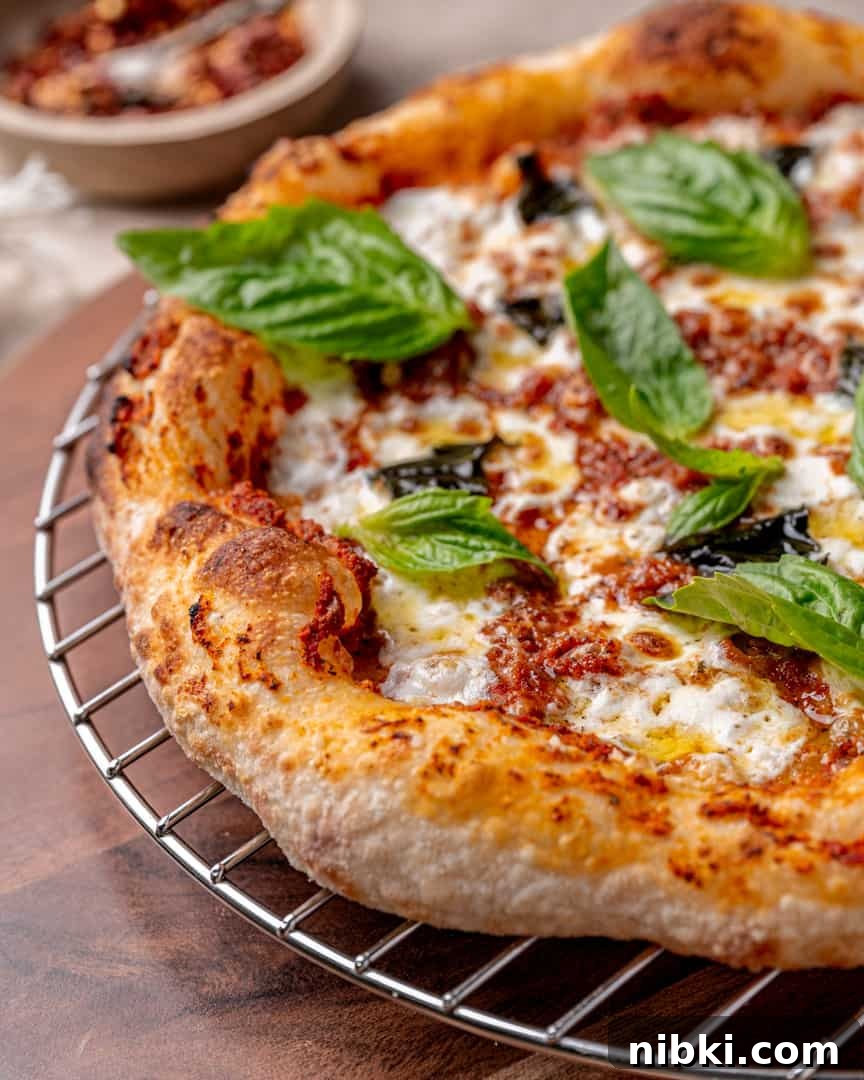
The dough is the foundation of every great pizza. A well-made Neapolitan crust is not heavy or cracker-like — it should be thin in the center, with a tall, light outer rim (cornicione) that is crisp on the surface and soft and airy inside. A subtle char and large gas pockets are hallmarks of an authentic Neapolitan-style crust.
How is Neapolitan Pizza Dough Different?
Neapolitan dough stands out because of its texture and balance. It isn’t bread-like or overly crunchy; instead it combines a crisp exterior with a tender, elastic chew. The center is generally thin to let the toppings shine, while the outer crust puffs up into soft, airy bubbles when properly fermented and baked at high heat.
What is Poolish and Why Use It?
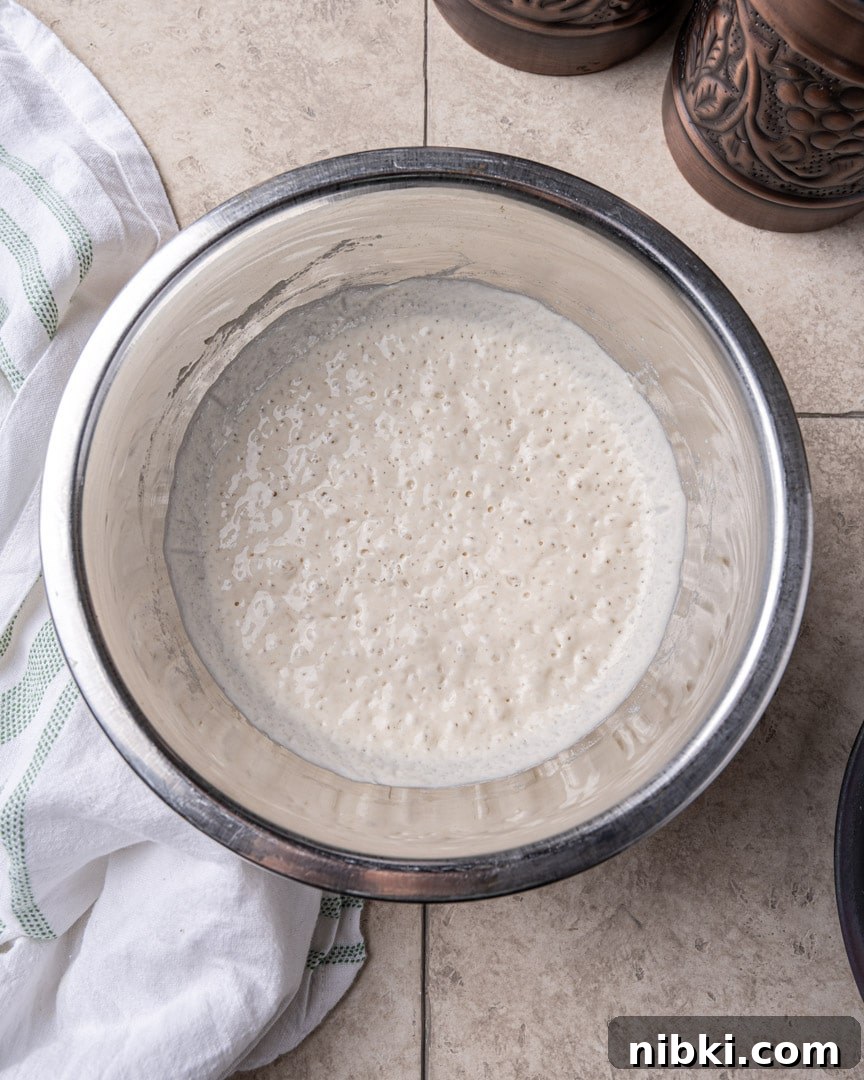
Poolish is a simple pre-ferment made from equal parts water and flour with a tiny amount of yeast. Prepared the day before, it becomes very active and brings important benefits to the dough: improved flavor (a mild tang similar to light sourdough), better texture, and larger, more irregular bubbles in the crust. Making a poolish takes only a few minutes of hands-on time and greatly improves the final pizza.
Ingredients
Below are the ingredients for the poolish and the main dough. This batch yields eight dough balls, each making roughly a 10–12″ pizza.
For the Poolish
- 120 g cold water (about 40°F)
- 0.5 g dry yeast
- 120 g Tipo “00” flour (sifted)
For the Dough
- 5.5 g dry yeast
- 175 g warm water (about 85°F)
- 1 g granulated sugar
- 1,160 g Tipo “00” flour (sifted)
- 525 g ice-cold water
- All of the poolish from above
- 25 g kosher salt
- 12.5 g extra virgin olive oil
Substitutions
- If Tipo 00 flour is unavailable, bread flour or all-purpose flour can be used; the texture may be slightly different but results will still be good.
- Instant or active dry yeast can replace Italian pizza yeast — adjust hydration and timing as needed.
- Honey may be substituted for the small amount of sugar if preferred.
How to Make Neapolitan Pizza Dough
The method requires some patience and proper timing. The poolish is made the day before, the dough is mixed and briefly proofed, then cold-fermented for best flavor. Form eight dough balls and cold-proof for at least 1 hour, ideally 12 hours or more.
Equipment
- Stand mixer with dough hook (or mix and knead by hand)
- Bench scraper
- Rubber spatula
- Pizza peel
- Pizza stone or heavy baking steel
Step-by-Step Instructions
Step 1: Make the Poolish
- Whisk the yeast into the cold water for about 30 seconds. Add the sifted Tipo 00 flour and mix until you have a very wet, pancake-batter-like consistency. Cover and leave at room temperature for 12–20 hours; roughly 10–15 hours is typical.
Step 2: Mix the Dough
- Cool the poolish in the refrigerator for 30 minutes before using. In a small bowl, combine the yeast, warm water and sugar; let rest 5 minutes to bloom.
- Place the flour in a stand mixer bowl, add most of the ice-cold water, reserving about 1/2 cup. Add the yeast mixture and use the reserved cold water to rinse any remaining yeast into the bowl. Mix briefly, then add the poolish and continue mixing.
- Add the salt about one minute after the dough comes together. Scrape the bowl, then add the olive oil and mix until the dough forms a cohesive ball around the hook (5–10 minutes). The dough will be slightly sticky but should hold together; add 1 tablespoon of flour only if it clings to bowl walls excessively.
- Transfer the dough to an oiled bowl, perform a few stretch-and-folds to build structure, cover and rest 30 minutes at room temperature.
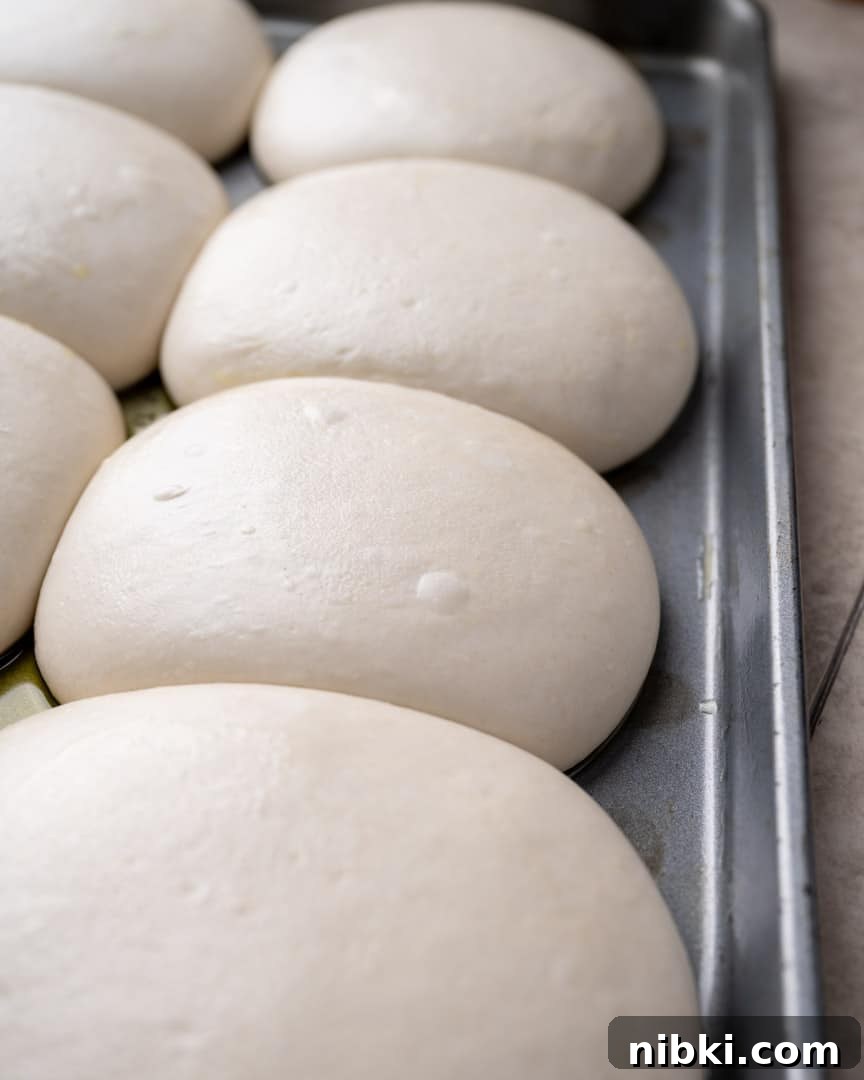
- Turn the dough onto a clean surface, divide into eight equal pieces (about 235 g each), shape into tight balls, lightly oil, cover and refrigerate. Proof at least 1 hour; 12 hours cold-proof yields the best flavor. Bring dough to room temperature 15–30 minutes before shaping.
Step 3: Cold Proofing
- Refrigerate the dough balls at least one hour. For deeper flavor and better texture, cold-proof for 12–72 hours. Always let dough warm slightly before stretching.
Step 4: Preheat the Oven and Shape
- Preheat a pizza stone or steel at the oven’s highest temperature (typically 500–550°F) for at least 30 minutes. For an extra-hot surface, turn the broiler on for several minutes, then return to bake mode before cooking.
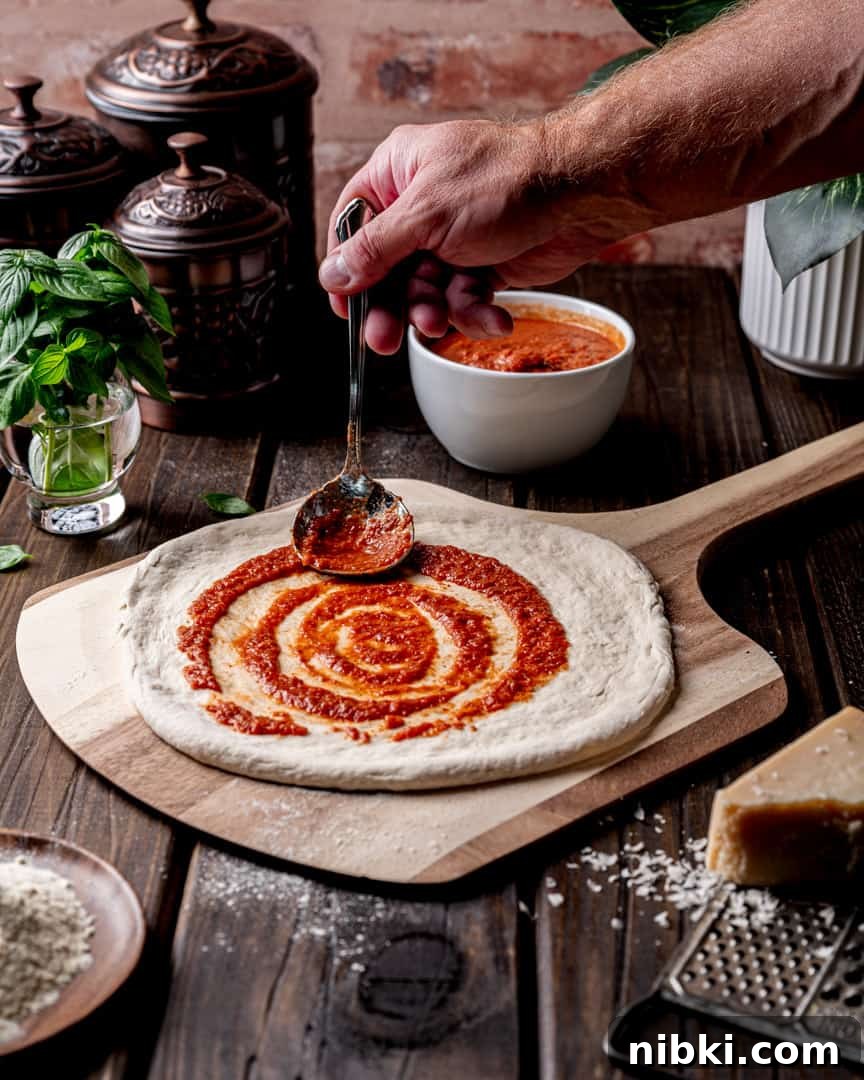
- Prepare a bowl of all-purpose flour and a bowl of semolina (or extra flour) for dusting. Flour the dough ball, then place it on a semolina-dusted peel.
- Press from the center outward to push air to the rim, forming a pronounced outer crust. Stretch the dough by hand, rotating and using knuckles to reach a 10–12″ diameter; avoid a rolling pin to preserve bubbles.
Step 5: Cook Your Pizza
- Slide the pizza directly onto the hot stone. Bake 5–6 minutes until the crust is puffed and golden with some char. If desired, finish under the broiler for 30–60 seconds to blister the top.
- Remove and rest on a wire rack for a few minutes to let steam escape, then slice and serve.
Different Ways to Cook Neapolitan Pizza
This dough performs well in home ovens, countertop pizza ovens, and wood-fired ovens. You can also grill the pizza over oiled grates with the lid closed; watch heat zones closely and rotate as needed for even cooking.
Variations
- Add a small amount of fresh or dried herbs (oregano, rosemary, thyme) to the dough for subtle aroma.
- Stir in cracked black pepper for a hint of spice.
- Use flavored or infused olive oil (garlic, herb) in place of standard extra virgin olive oil for a different taste profile.
Storage and Freezing
Keep uncooked dough balls oiled and tightly covered in the refrigerator for up to 3 days. For longer storage, wrap individual dough balls in several layers of plastic and freeze up to 3 months. Thaw in the refrigerator overnight or at room temperature before using; use within three days after thawing if kept refrigerated.
Troubleshooting
- If pizzas come out soggy in the center, reduce sauce moisture by draining or straining excess liquid and pat dry wet cheeses before topping.
- If your oven doesn’t reach very high temperatures, use a heavy pizza stone or steel and preheat thoroughly. Bake as hot and as long as your oven safely allows, and consider a short broil at the end to finish the top.
Authentic Neapolitan Pizza Sauce
Traditional Neapolitan sauce is very simple—uncooked crushed or puréed tomatoes with a pinch of salt and fresh herbs. The sauce is applied raw because it cooks quickly with the pizza.
What Toppings to Add
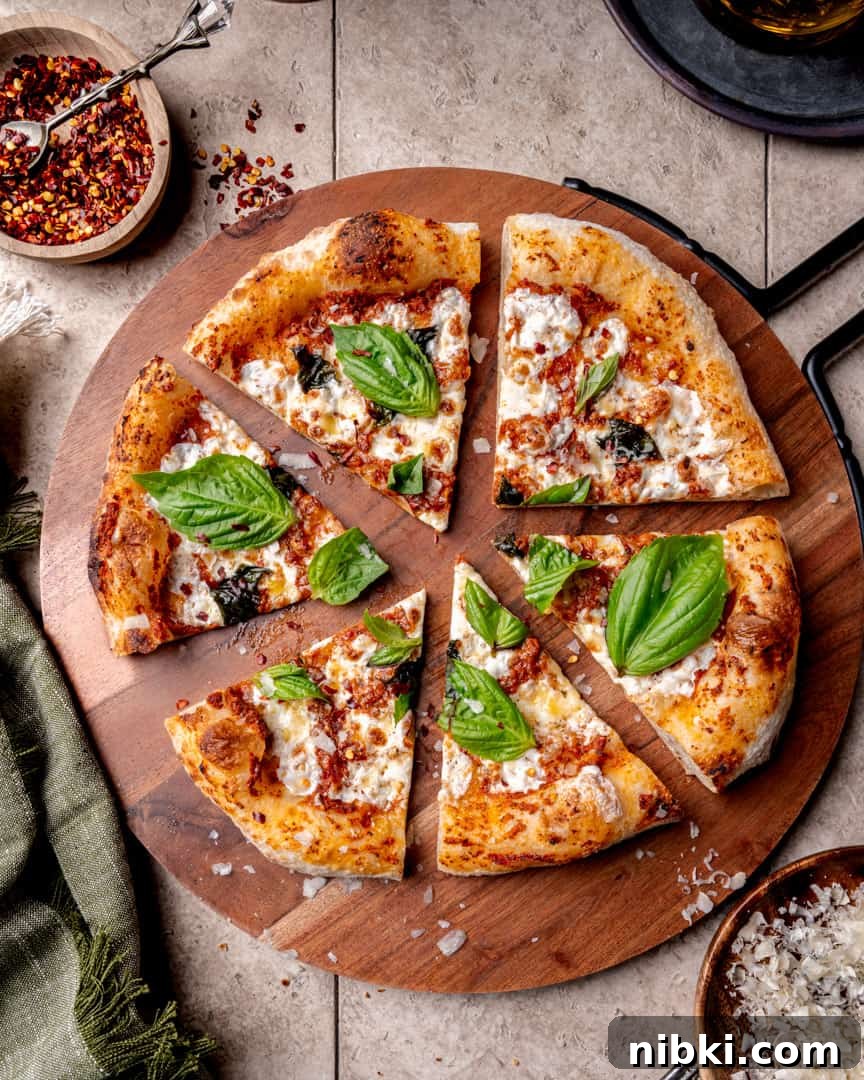
The classic Margherita is tomato sauce, fresh mozzarella (often buffalo), fresh basil, and a drizzle of high-quality olive oil. Neapolitan pizzas typically use minimal toppings so the dough and simple sauce shine. Popular additions include cured meats, roasted vegetables, and hard cheeses like Parmigiano-Reggiano or Pecorino.
Pairings
For pizzas with red sauce, medium-bodied red wines such as Chianti or a ripe Pinot Noir work well. For white-sauced or no-sauce pizzas, choose a crisp white like Pinot Grigio or Sauvignon Blanc, or a dry rosé. Beer and sparkling wines can also be excellent matches.
Top Tips
- Plan ahead: longer cold proofing (6–48 hours) enhances flavor and texture compared to a short proof.
- Let pizzas rest briefly on a wire rack after baking so steam can escape and the crust stays crisp under the toppings.
FAQ
What’s the difference between Neapolitan and New York style pizza?
Neapolitan pizza focuses on a blistered, chewy crust with minimal toppings and fresh mozzarella. New York style is generally larger, using shredded mozzarella and more toppings, and has a different dough texture and bake profile.
What is the best flour for Neapolitan pizza dough?
Tipo “00” flour is the traditional choice for Neapolitan dough for its fine grind and tenderness, though good results are possible with other strong flours.
Is Neapolitan pizza thin or thick crust?
Neapolitan pizza is thin in the center with a tall, airy outer crust — not thick like pan pizza.
How long will homemade pizza dough last?
Store dough in the refrigerator up to 3 days, or freeze for up to 3 months.
Does Neapolitan pizza dough need to rest overnight?
While not strictly required, an extended cold proof of about 12 hours gives the best flavor and texture. The poolish itself needs to be prepared 10–20 hours ahead, so plan accordingly.
Food safety
- Do not leave perishable foods at room temperature for extended periods.
- Never leave cooking food unattended.