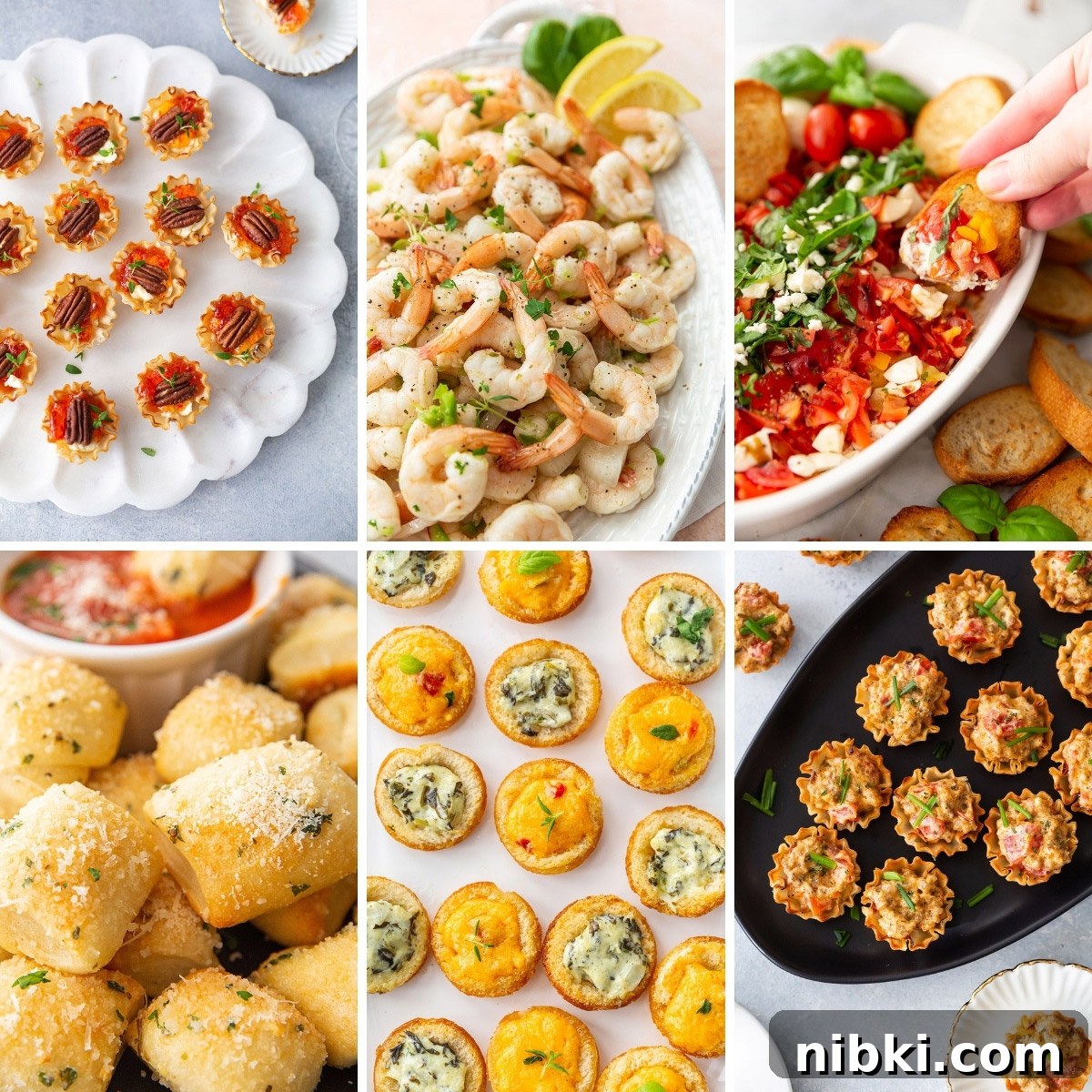
Appetizers and hors d’oeuvres are terms people often use interchangeably, but they have distinct nuances. Understanding the differences can help you plan menus more precisely, whether you’re hosting a dinner party, a cocktail reception, or a formal event.
Both aim to awaken the palate without filling guests before the main course. Still, they differ mainly in timing, portion size, presentation, and how they relate to the meal that follows.
What is an Appetizer?
An appetizer is a small dish served before the main meal to stimulate the appetite. Dictionaries define it as a food or drink that prepares the palate and precedes a larger meal. The term has been in use since the 19th century and derives from the word “appetite.” Appetizers are typically planned to complement the flavors of the courses that follow and are usually served at the dining table as the first course.
What is an Hors d’oeuvre?
Hors d’oeuvre (pronounced awr-durvz) is a French phrase that literally means “outside the work,” indicating a dish that is not part of the ordinary sequence of courses. These are small, often savory dishes that can stand alone as snacks or accompany drinks. Traditionally, hors d’oeuvres are bite-sized and designed to be eaten by hand, making them ideal for social or standing events.
The trend of serving pre-dinner drinks and small bites gained popularity in the late 19th century, and hors d’oeuvres became a standard feature at social gatherings, especially during cocktail hours and receptions.
What is the difference between appetizers and hors d’oeuvres?
Both appetizers and hors d’oeuvres are meant to stimulate appetite rather than satisfy hunger, and both can be served hot or cold. The subtle distinctions come down to when they are served, portion size, presentation, and the setting.
Hors d’oeuvres are essentially a category of appetizer, but not every appetizer behaves like a classic hors d’oeuvre. The most practical differences are portion size and timing.
Time Eaten
Appetizers are usually the first course of a sit-down meal and are served at the table to lead into the main course. They are intended to tastefully set the stage for what follows, often sharing flavor profiles or ingredients with the main dish.
Hors d’oeuvres are more flexible in timing and can be served before, during, or even instead of a formal meal. They are common during cocktail hours, receptions, and other events where guests mingle rather than sit for a full meal.
Because appetizers announce that a meal is about to begin, they are more closely tied to the structure of a multi-course dining experience.
Portion Size
Appetizers are generally larger than hors d’oeuvres. An appetizer might be three to four bites and is often shared or served on small plates, while hors d’oeuvres are typically one to two bites and designed for quick, individual consumption. Hors d’oeuvres frequently require no utensils, emphasizing ease of eating while standing or moving.
Options Served
At an event, you’ll often find several kinds of hors d’oeuvres available so guests can sample multiple small items. In contrast, a meal usually features a single appetizer course chosen to complement the menu. Of course, hosts may choose multiple appetizers or a single hors d’oeuvre depending on style and preference.
Setting
Hors d’oeuvres suit informal, cocktail-style gatherings where trays are passed and guests circulate. Appetizers are more typical in formal or seated dining settings, served as the first plated course to prepare diners for the main entrée.
Are Appetizers the same as Starters?
In many places, especially in the United States, “appetizer” and “starter” are used interchangeably. Both refer to a small portion eaten before the main meal, although local culinary traditions and menu styles may favor one term over the other.
Common examples of Appetizers
- Stuffed mushrooms
- Dips such as spinach dip, artichoke dip, or bean dips
- Cheese balls and cheese spreads
- Chicken wings
- Sliders
- Egg rolls
- Pigs in a blanket
- Small salads or composed salad plates
Common examples of Hors d’oeuvres
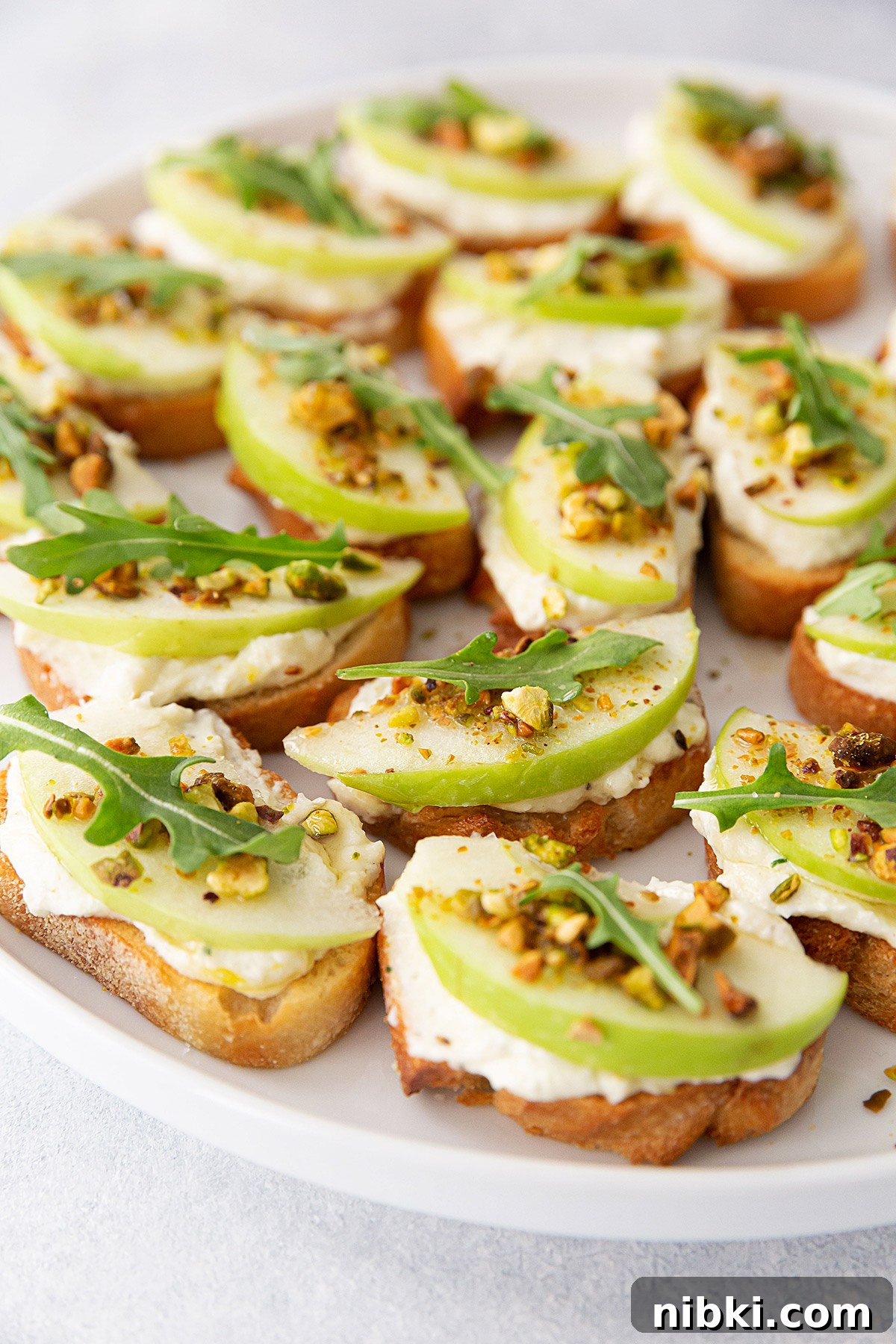
- Canapés (mini open-faced sandwiches with savory toppings)
- Crudités (raw or lightly blanched vegetables with dip)
- Shrimp cocktail or chilled shrimp bites
- Marinated shrimp or other chilled seafood bites
- Deviled eggs
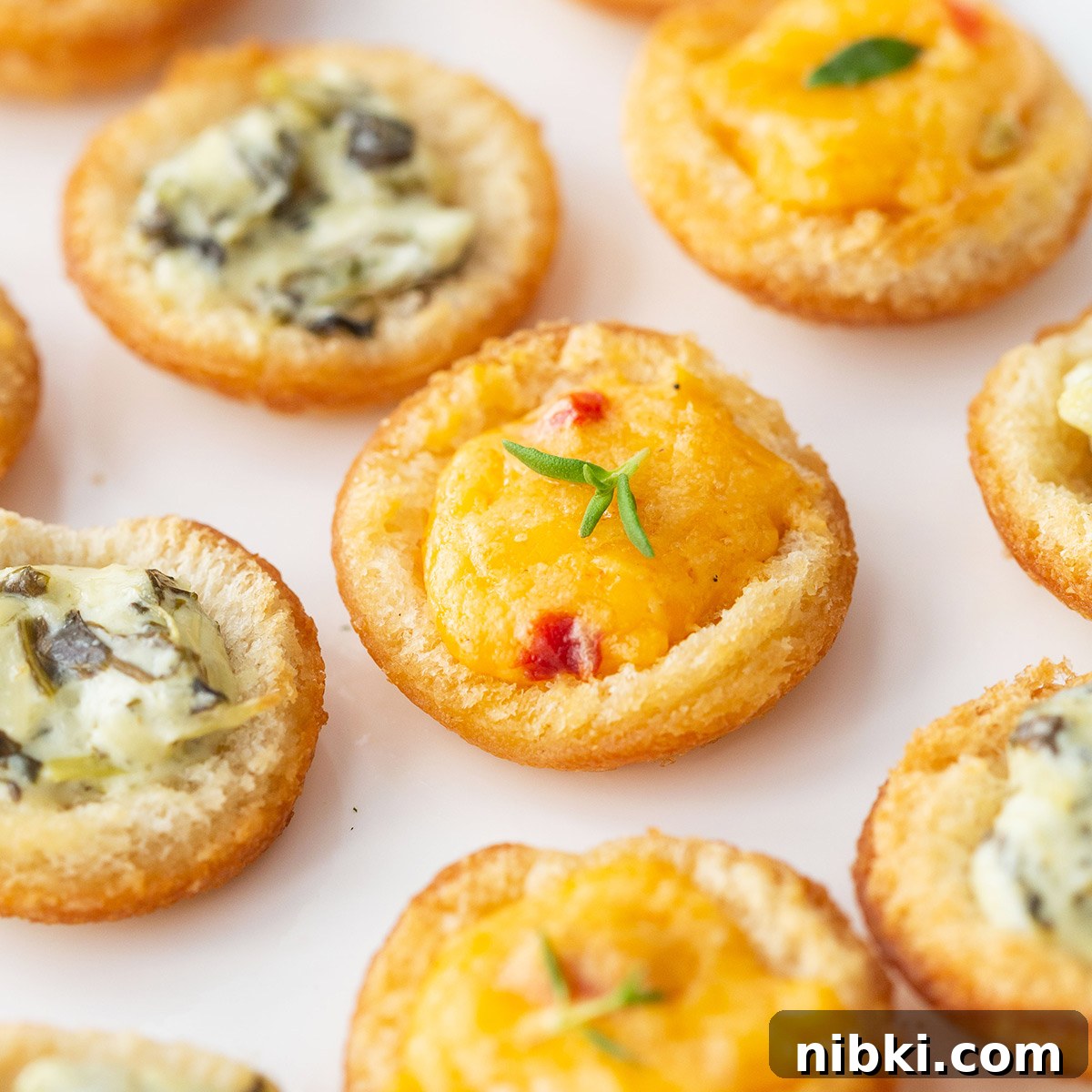
- Toast cups filled with savory mixtures
- Blue cheese stuffed olives
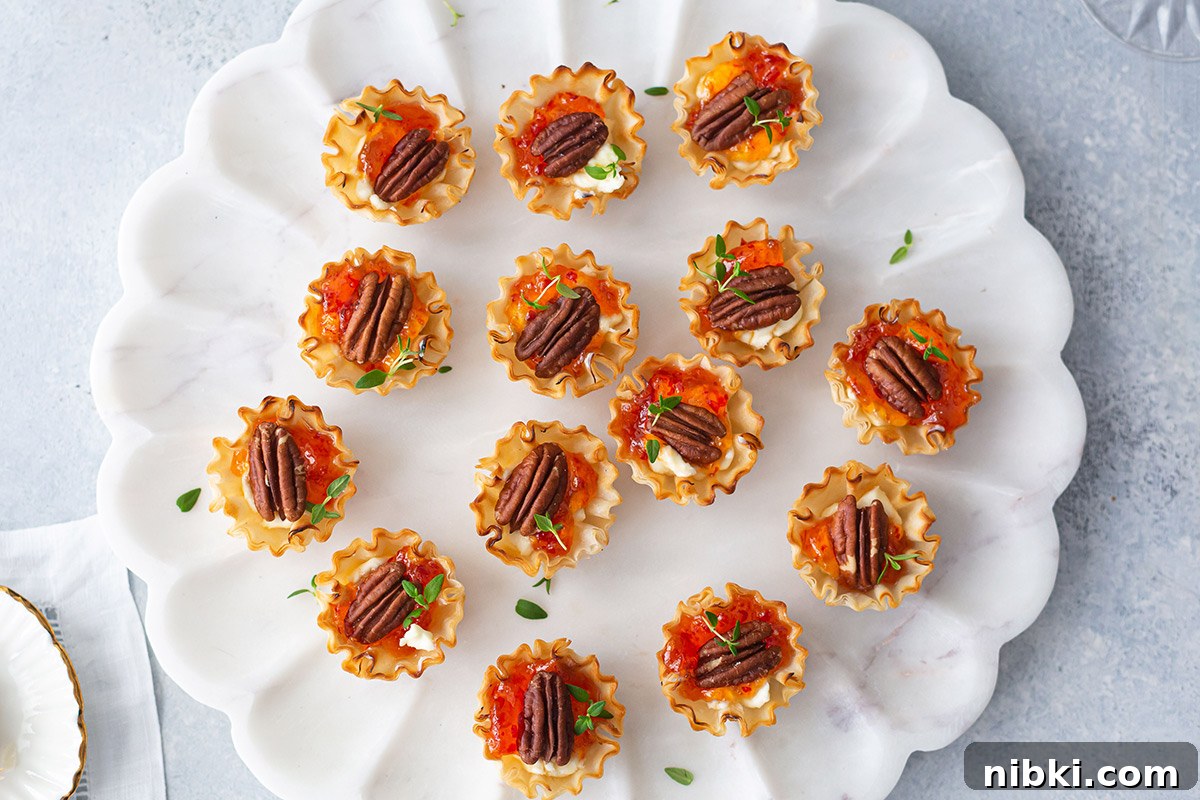
- Phyllo cups filled with cream cheese, jam, or savory fillings
In practice, many hosts and restaurants treat the terms as interchangeable, so you’ll often see them used as synonyms. Still, recognizing the distinctions can help you design a menu that matches the event’s tone—choosing hors d’oeuvres for mingling receptions and appetizers for plated, seated meals.
I hope this clarifies the subtle but useful differences between appetizers and hors d’oeuvres and helps you choose the right small bites for your next gathering.