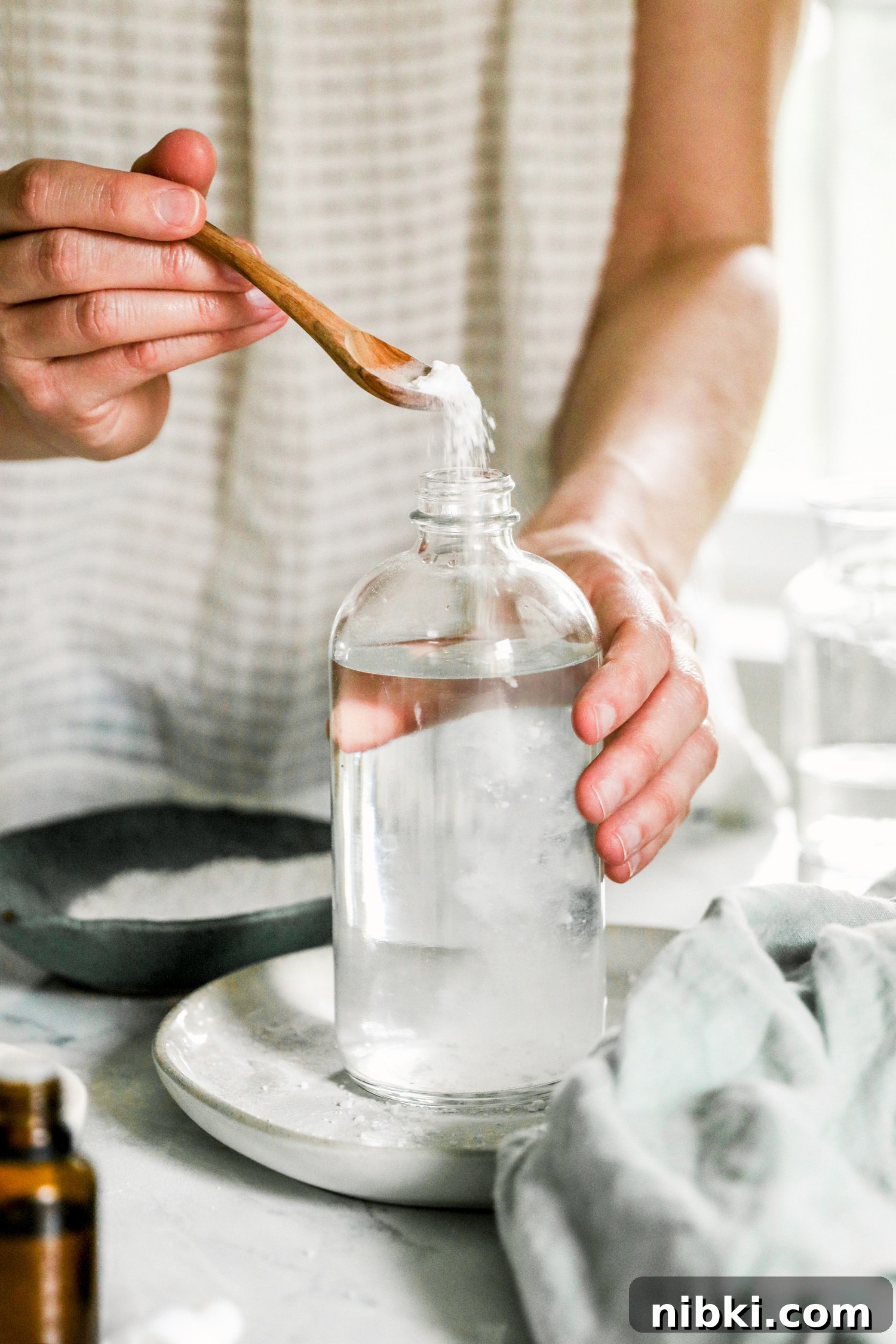
You don’t need to clean your home with harsh commercial chemicals. Simple, effective green cleaning can be made at home using common ingredients and easy DIY recipes. Natural cleaners reduce toxic fumes, are gentler on skin and surfaces, and can save money by using items you may already have in the pantry.
10 Must-Have Ingredients for Homemade Cleaners
Below are ten versatile ingredients to keep on hand for homemade cleaners. These items work well alone or combined to tackle kitchen grease, bathroom grime, laundry, and general household disinfecting. Each section includes practical uses and simple DIY tips to help you switch to greener cleaning solutions.
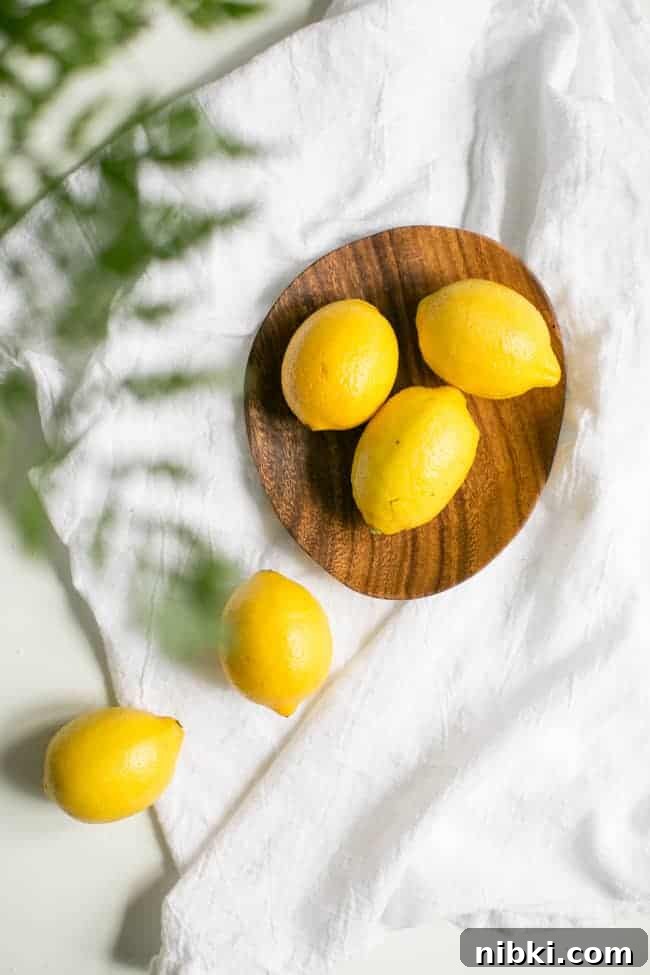
1. Lemons
The acidic power of lemons makes them excellent for removing dirt, stains, and bacteria. For tougher jobs, combine lemon juice with a bit of salt to form an abrasive scrub.
Faucets: Scrub lemon juice on chrome or stainless faucets, leave a few minutes or overnight for heavy lime scale, then wipe clean with a damp cloth.
Garbage disposals: Cut a lemon into wedges and grind them in the disposal to help deodorize and freshen.
Grout: To brighten grout, mix 1–2 tsp cream of tartar with lemon juice, apply with a toothbrush, scrub gently, and rinse.
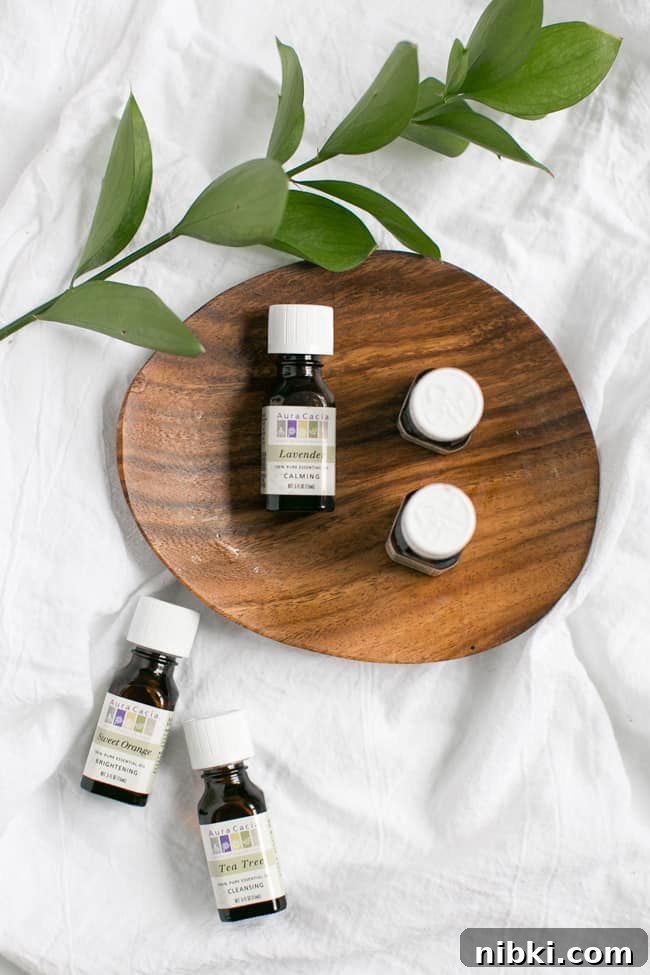
2. Essential oils
Essential oils offer antibacterial and deodorizing benefits and can scent homemade cleaners without synthetic fragrances. Tea tree and lavender are popular for cleaning, while rosemary can be used in dish soaps for a pleasant aroma.
Cleaning wipes: For reusable wipes, mix about 3 tsp natural liquid soap, 50–75 drops of essential oils, and 3 cups of vinegar, then soak washable cloths for multi-surface use.
Dish soap: Add rosemary oil or dried herbs plus a little aloe vera and olive oil to a gentle Castile base for moisturizing homemade dish soap.
Linen spray: A simple linen spray of water, a small amount of alcohol or witch hazel, and a few drops of lavender oil refreshes bedding and fabrics.
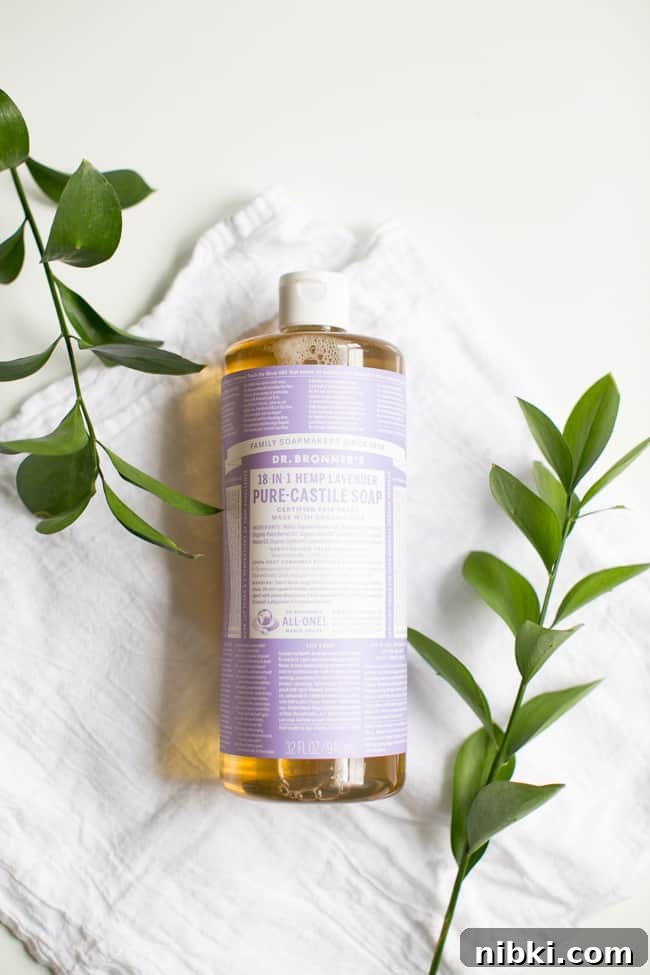
3. Castile soap
Liquid Castile soap is plant-based, biodegradable, and gentle while still lifting grease and grime. It’s a versatile base for many DIY cleaners.
Cars: Mix about 1/4 cup Castile soap with warm water to gently clean interior surfaces without harsh chemicals.
Stovetops: Combine Castile soap with hot water to cut cooking grease on stovetops and range hoods.
4. Olive oil
Olive oil isn’t just for cooking—used sparingly, it’s effective for polishing wood, conditioning cast-iron, and removing paint from hands.
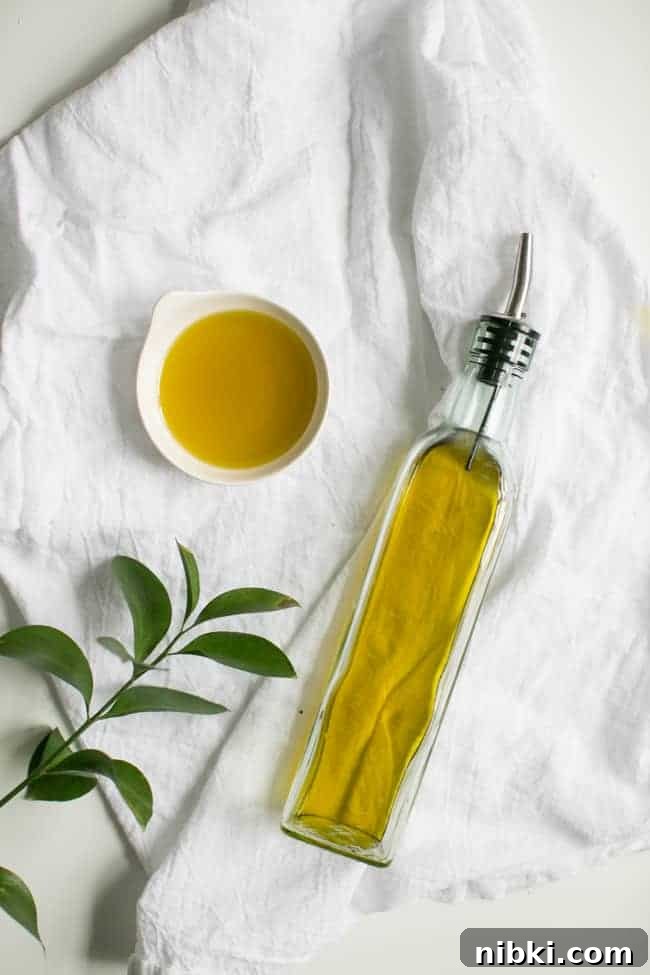
Cast-iron pans: Use a paste of olive oil and coarse salt with a stiff brush to clean and re-season cast-iron without harsh detergents.
Wood polish: Mix about 2 cups olive oil with 1 cup lemon juice to make a simple, natural polish for wooden furniture; apply sparingly and buff.
Paint removal: Rub olive oil on skin to help remove stubborn paint, then wash with soap and water.
5. Borax
Borax is a longstanding ingredient in DIY cleaning recipes and can be used for stain removal, pest control, and tough scrubbing tasks when used according to instructions.
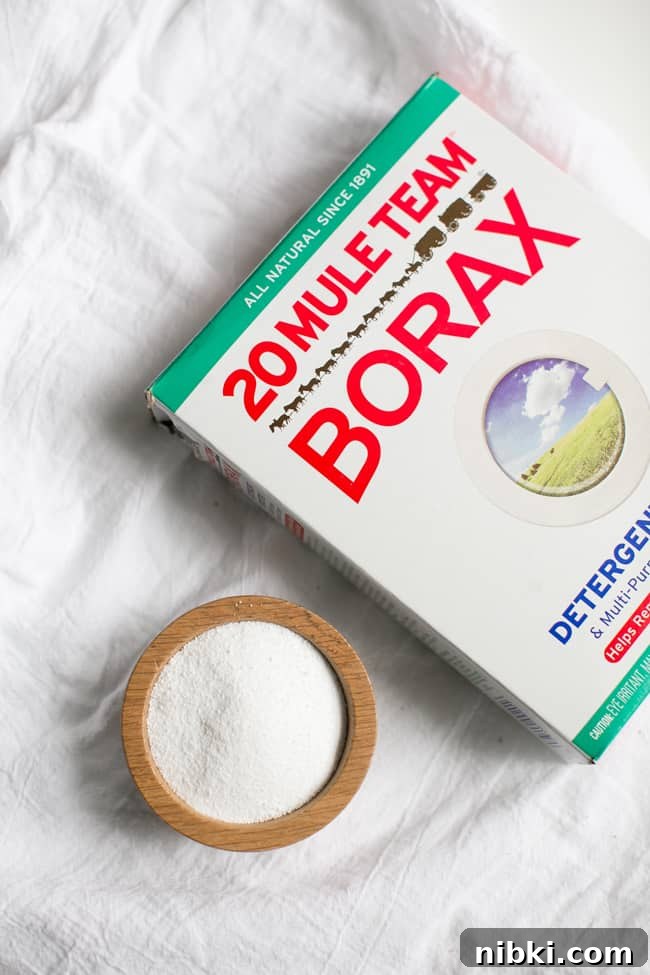
Pests: For insect control, some people mix sugar and borax to attract and eliminate pests, applying with caution and avoiding areas accessible to children or pets.
Toilets: Sprinkle 1 cup of borax in the bowl overnight, then scrub in the morning to help remove mineral deposits and grime.
Sticky residue: A 2:1 paste of borax and water can help lift gooey residues from surfaces; rinse thoroughly after use.
6. Vinegar
White vinegar is a multipurpose, inexpensive cleaner that cuts grease, shines glass, and helps disinfect surfaces when combined with essential oils to mask the odor.
All-purpose: In a spray bottle, combine about 1 1/2 cups white vinegar with a few drops of tea tree and clove essential oils for a general surface cleaner. Avoid using vinegar on natural stone.
Produce wash: A gentle produce rinse can be made with water, a splash of white vinegar, and a bit of lemon juice to help remove surface residues from fruits and vegetables.
Reusable dryer sheets: Soak fabric squares in a mixture of water, a small amount of vinegar, and essential oils, then reuse them in the dryer to soften clothes and add fragrance.
7. Baking and washing soda
Baking soda and washing soda are alkaline powders that deodorize, brighten, and gently scrub surfaces. They are safe for many cleaning tasks when used appropriately.
Cutting boards: A paste of baking soda, salt, and water helps lift stains and neutralize odors from both plastic and wooden boards.
Jewelry: A simple cleaner for sterling silver can be made with baking soda, a drop of dish detergent, and warm water to gently restore shine.
Ovens: Make a cleaning paste from baking soda and a little dish soap, apply to oven interior, let sit, then scrub and wipe clean.
8. Salt
Salt is an inexpensive abrasive and deodorizer that enhances other ingredients when scrubbing or lifting stains.
Drain maintenance: Pour a mix of hot water and salt down drains occasionally to help reduce buildup and odors.
Water rings: Gently rub a paste of salt and vegetable oil on water rings on wood furniture, then wipe and buff to remove marks.
Brass and copper: A paste of equal parts salt, flour, and vinegar can clean tarnished brass and copper; apply, let sit, then rinse and buff.
9. Vodka
Plain vodka is a neutral, alcohol-based cleaner useful for disinfecting and removing residue; choose inexpensive, unflavored vodka for cleaning tasks.
Houseplants: Lightly dab vodka on leaves to help deter aphids on sturdy houseplants; avoid delicate blooms.
Mirrors and glass: Use vodka on a soft cloth to remove hairspray, fingerprints, and residue from mirrors and glass surfaces.
Caulking: A spray bottle of vodka can be used to help clean mold and mildew from caulking before a deeper treatment.
10. Hydrogen peroxide
Hydrogen peroxide is an antiseptic and whitening agent that can safely clean and disinfect many household areas when used as directed.
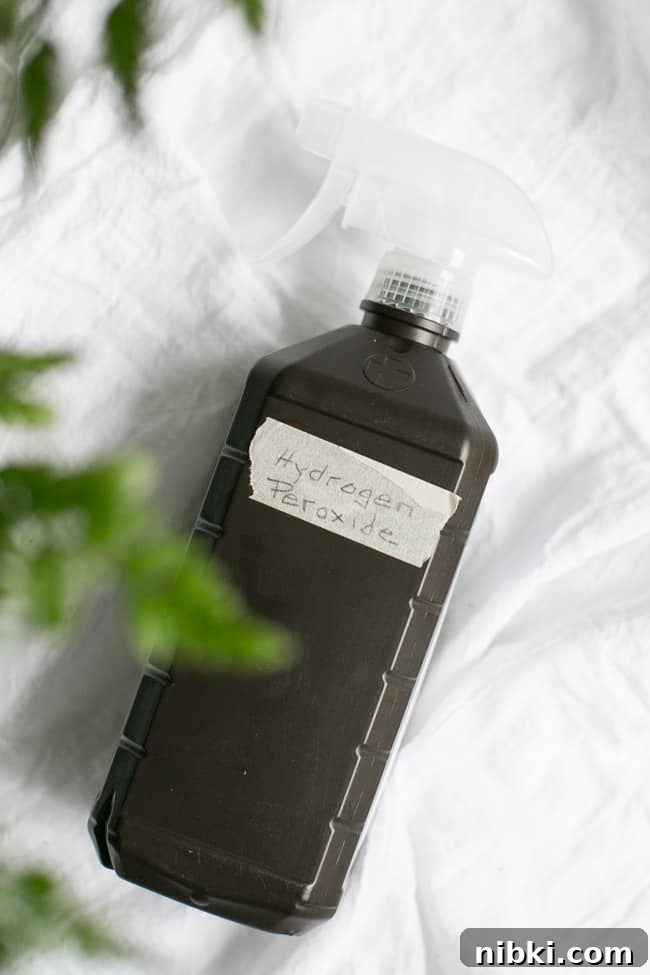
Humidifiers: To clean a humidifier, a diluted hydrogen peroxide rinse helps remove bacteria and mineral buildup; follow manufacturer recommendations for dilution and rinsing.
Carpet stains: Apply a small amount of hydrogen peroxide to certain stains, let it sit briefly, then blot—test in an inconspicuous area first to ensure colorfastness.
Natural bleach alternative: Combine hydrogen peroxide with lemon juice as a gentler bleaching option for fabrics and surfaces, using caution and testing materials beforehand.