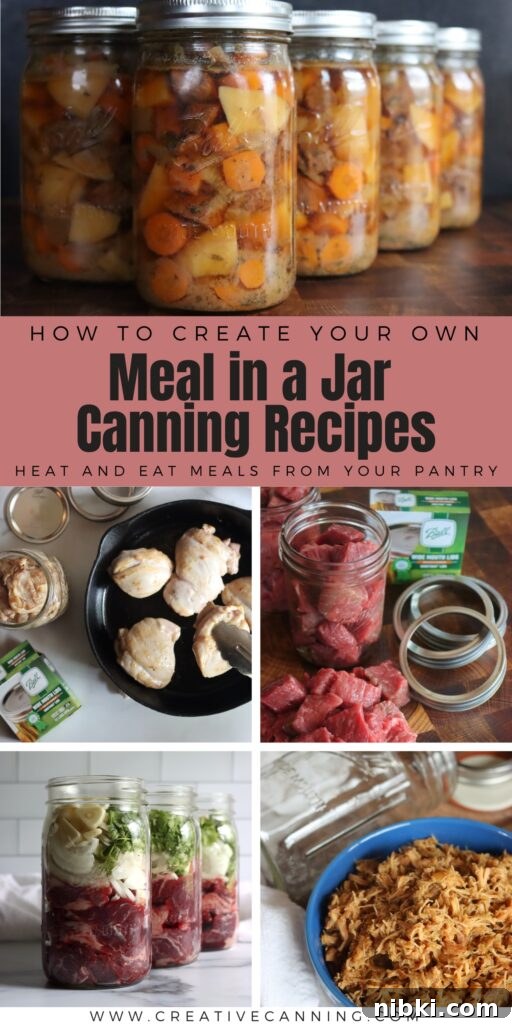
Creating your own meal-in-a-jar canning recipes brings convenience, long-term pantry storage, and homemade flavor to your kitchen. Using tested pressure canning guidelines from reputable extension programs, you can develop safe, shelf-stable meals that are ready to heat and serve.
With guidance adapted from sources such as the National Center for Home Food Preservation and university extension services, you can design pressure-canned meal-in-a-jar recipes for soups, stews, curries, pot pies and many other favorites while maintaining food safety and quality.
Understanding the Basics
Meal-in-a-jar canning generally falls into two useful categories for pressure canning: brothy meals and hearty meals. Understanding the difference helps you choose ingredients and processing times correctly.
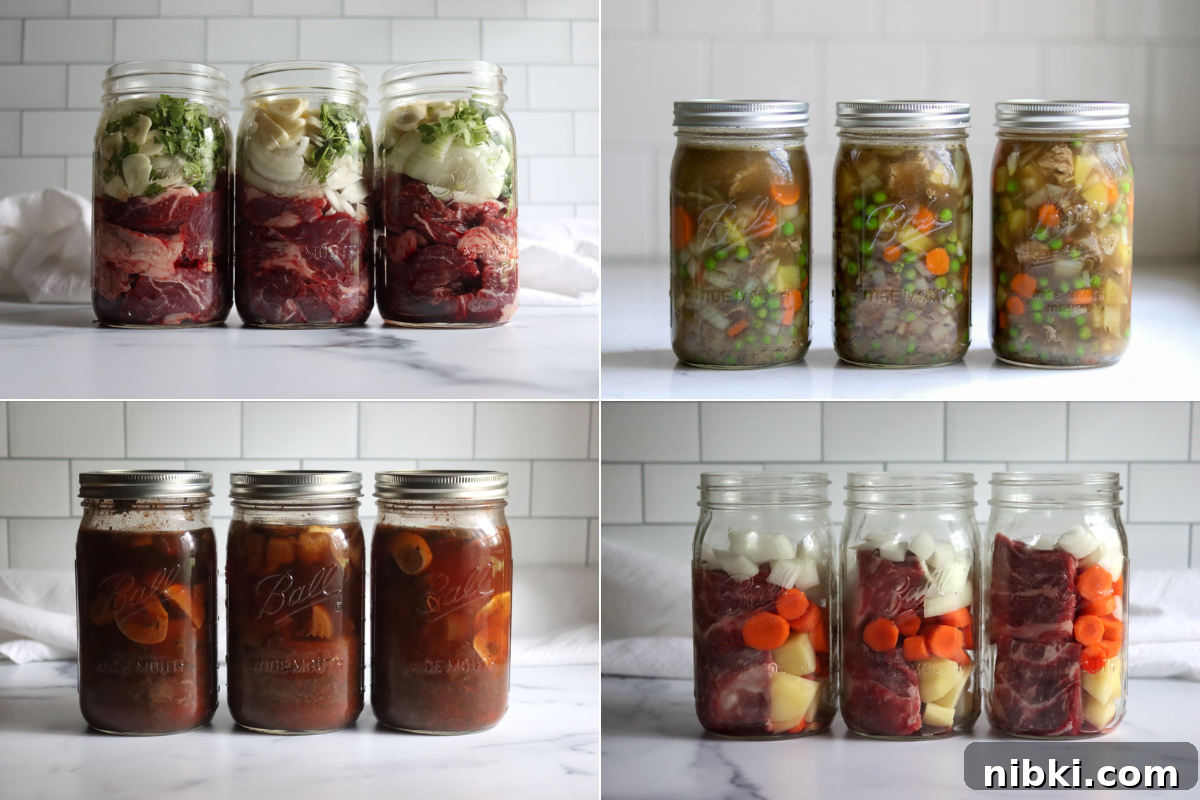
Brothy meals are soups and similar dishes where jars are roughly half filled with solids and the remainder with liquid. These recipes allow more ingredient flexibility and have shorter processing times.
Hearty meals are packed more densely with solids and contain minimal broth—think stews, pot roast, or pot pie filling. They require longer processing times but deliver a more substantial finished meal.
Ingredients for Meal-in-a-Jar Canning Recipes
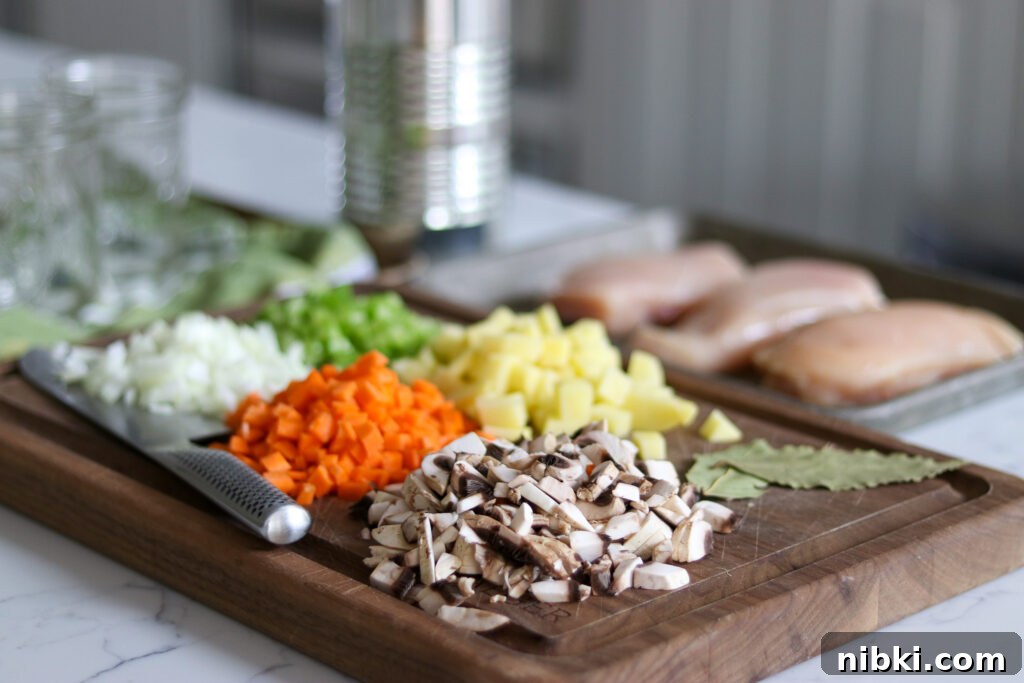
Use only vegetables, meats, seafood, and other ingredients that have established canning recommendations. Common canning-safe vegetables include:
- Tomatoes
- Carrots
- Green beans
- Peas
- Corn
- Beets
- Sweet and hot peppers
- Asparagus
- Potatoes
- Pumpkin (cubed, not pureed)
- Spinach and other cooking greens such as swiss chard, kale, and collards (not lettuce)
- Onions
Garlic and leeks may be added even when specific recipes are not available. Sauerkraut is allowable when a tested recipe exists. Dry beans are permitted but must be pre-soaked and fully rehydrated before canning. Meat and seafood are acceptable when processed following tested canning methods for the particular protein; ground meats should be browned first.
Important Safety Considerations
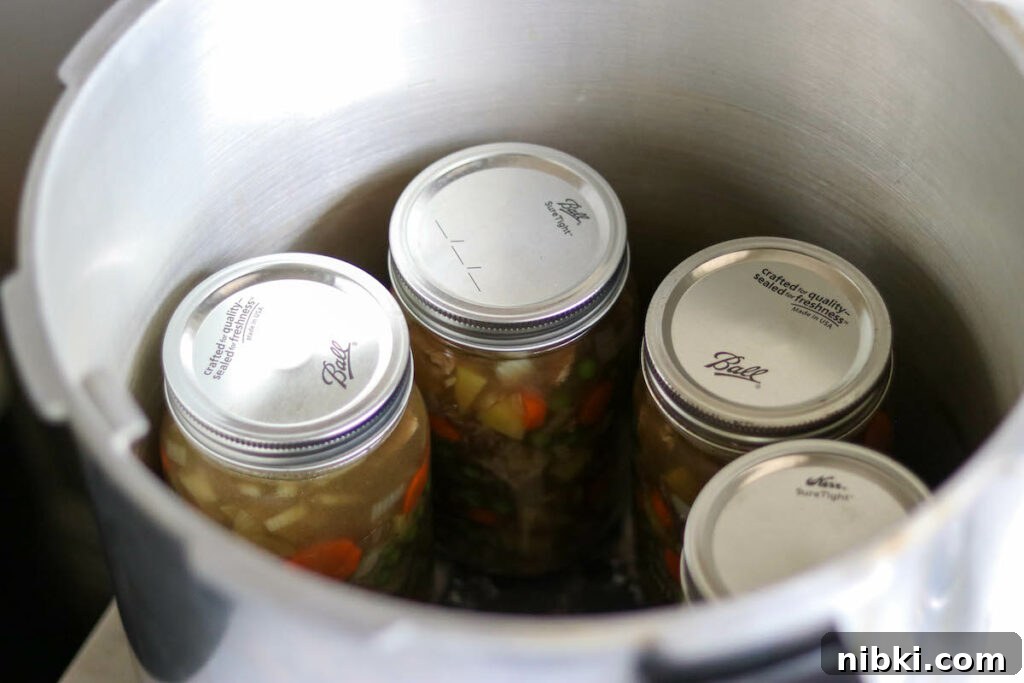
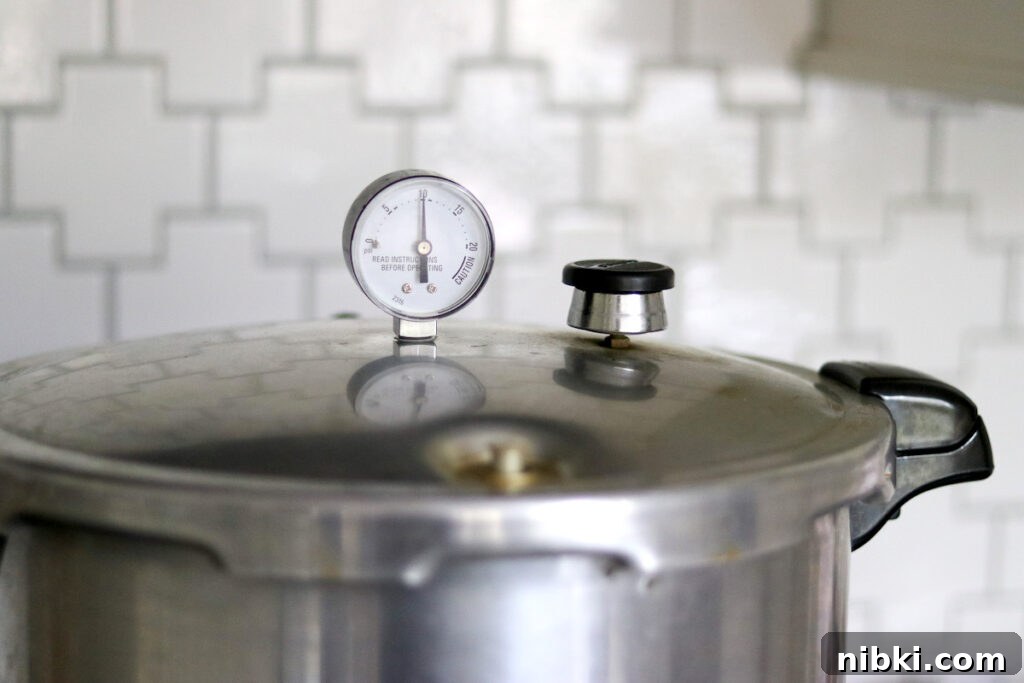
All meal-in-a-jar recipes intended for low-acid foods must be processed in a pressure canner. Water bath canning is only safe for high-acid foods, pickles, or jams. Meat, vegetables, and beans require the higher temperatures that a pressure canner provides.
Never attempt to pressure-cook or preserve low-acid meals in a water bath canner.
Some ingredients should never be included in canned meals because they interfere with heat penetration, change texture, or lack tested safety guidance:
- Thickening agents (flour, cornstarch)
- Dairy (milk, cream, cheese)
- Pasta, rice, and most grains
- Bread products (dumplings, breadcrumbs)
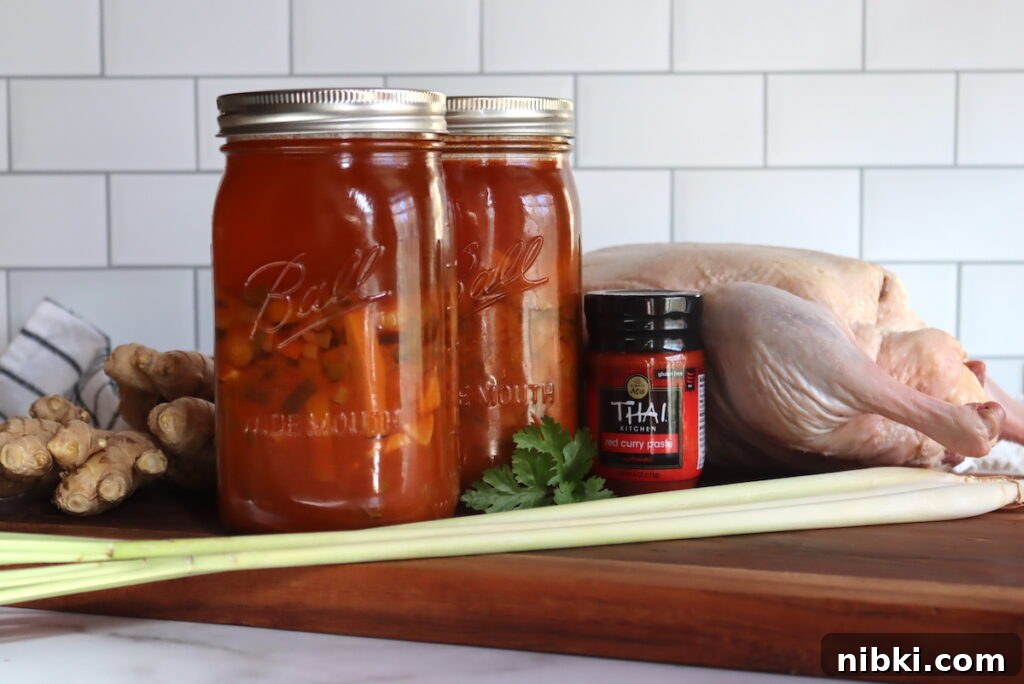
Other commonly used foods lack reliable canning guidance or perform poorly in a jar: cabbage and related brassicas, eggplant, summer squash and zucchini, celery, lettuce and other tender salad greens, avocados, cucumbers, melons, bananas, and coconut or coconut milk. These ingredients can cause texture or safety problems; for example, coconut milk is better added at serving to preserve flavor.
Guidelines for Hearty Meals
Hearty meals are jars largely packed with solids and minimal broth. They work well for stews, pot roast, and similar recipes when all included ingredients have tested canning recommendations.
Ingredients for Hearty Meal in a Jar Recipes
Allowed:
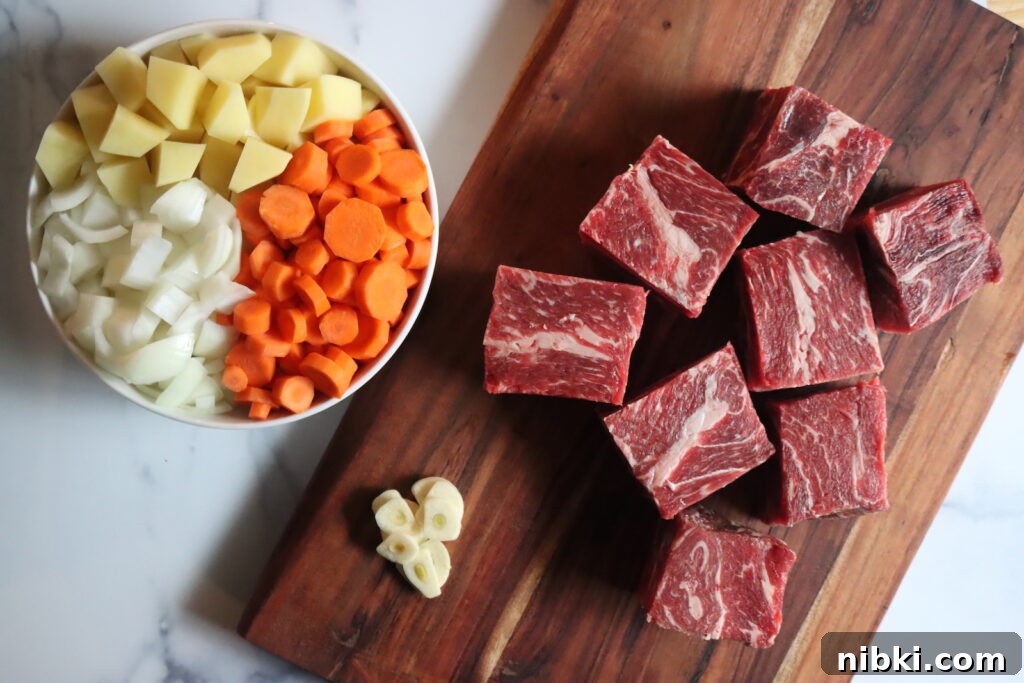
- Canning-safe vegetables
- Meat, poultry, or seafood (prepared according to tested methods)
- Broth, stock, or water
- Herbs and spices
Not allowed: Thickening agents, dairy, noodles/pasta/rice, pureed vegetables, cured meats such as ham or bacon, and any ingredient without specific canning guidance.
Because jars are densely packed, do not include dry beans, tender leafy greens, creamed corn, winter squash, or sweet potatoes in hearty meals—these ingredients are allowed only in brothy (half-filled) recipes.
Preparing Hearty Meals
- Choose Ingredients: Only include items with tested canning recommendations.
- Prepare Ingredients:
- Vegetables: Wash, peel and chop as recommended; precook dense vegetables as needed.
- Meat/Poultry: Cook until tender, remove bones and excess fat, cut into bite-sized pieces; brown ground meat.
- Seafood: Cut into bite-sized pieces; bones may remain if acceptable under tested methods.
- Dried beans: Fully rehydrate and pre-cook before adding.
- Combine: Add solids to a pot, cover with hot liquid, bring to a boil and simmer for 5 minutes.
- Fill jars: Pack solids to about 1 inch headspace, add hot liquid to maintain 1-inch headspace, remove air bubbles, wipe rims and secure lids.
- Process: Pressure can according to the times and pressures below, adjusting for altitude.
Processing Times for Hearty Meals
- Pints: 75 minutes
- Quarts: 90 minutes
- Seafood (pints only): 100 minutes
Seafood in hearty meals should be canned only in pints; other hearty recipes may use pints or quarts. Always adjust pressure for altitude.
Guidelines for Brothy Meals
Brothy meals leave jars about half filled with solids and the rest with broth. This format accepts a wider range of ingredients including pre-soaked beans and some produce that cannot be used in fully packed jars.
Ingredients for Brothy Meals
- Fresh vegetables (carrots, celery, bell peppers, etc.)
- Meat or poultry (cut into pieces)
- Fish (in small pieces)
- Pre-soaked dry beans (must be fully rehydrated)
- Water, broth, stock, wine, or juice
- Fresh or dried herbs and spices
Do not add thickeners, dairy, pasta, rice, pureed vegetables, cured meats, or any ingredient without specific canning guidelines.
Preparing Brothy Meals
- Choose Ingredients: Confirm each ingredient has a tested canning recommendation.
- Prepare Ingredients: Wash, peel and chop vegetables; cook meats until tender; pre-soak beans and pre-cook fully.
- Combine: Mix solids in a pot, add liquid to cover plus a few inches, bring to a boil and simmer for 5 minutes.
- Fill Jars: Use a slotted spoon to fill jars halfway with solids, then top with hot liquid leaving 1-inch headspace. Remove air bubbles and wipe rims.
- Process: Seal and pressure can according to the processing times and altitude adjustments below.
Processing Times for Brothy Meals
- Pints: 60 minutes
- Quarts: 75 minutes
- Seafood (pints and quarts): 100 minutes
Altitude Adjustments
Adjust the pressure used in the canner based on your elevation. Canning times remain the same; only the pressure setting changes.
For dial gauge pressure canners:
- 0 to 2,000 feet: 11 lbs pressure
- 2,001 to 4,000 feet: 12 lbs pressure
- 4,001 to 6,000 feet: 13 lbs pressure
- 6,001 to 8,000 feet: 14 lbs pressure
For weighted gauge pressure canners:
- 0 to 1,000 feet: 10 lbs pressure
- Above 1,000 feet: 15 lbs pressure
Checking Seals and Storing
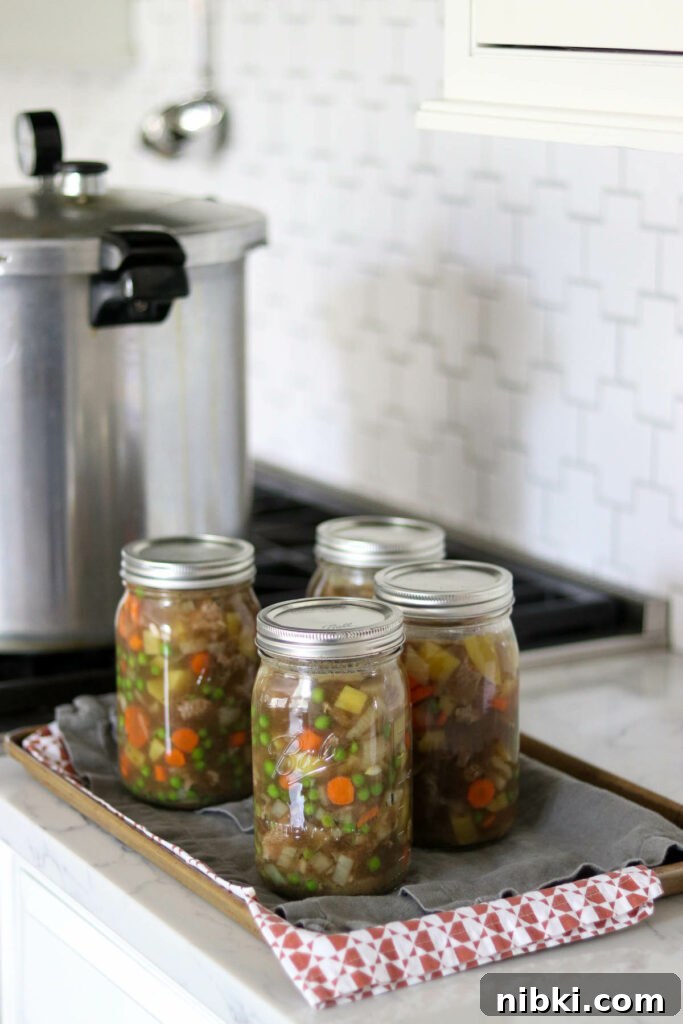
Allow jars to cool 12–24 hours after processing. Check seals by pressing the center of each lid — it should not flex or pop. Lids should be concave. Any unsealed jars must be refrigerated and used promptly.
After verifying seals, remove screw bands, wash and dry the jars, then label with contents and date. Store sealed jars in a cool, dark, dry place (ideally 50–70°F). While sealed jars can remain safe long-term, use within 12–18 months for best quality.
Shelf Life and Reheating
Properly sealed pressure-canned meals remain safe indefinitely, though flavor and texture are best within 12–18 months. To reheat, simmer the contents in a saucepan for 10 minutes or heat in the microwave after removing metal lids and rings.
Meal-in-a-Jar Recipe Ideas
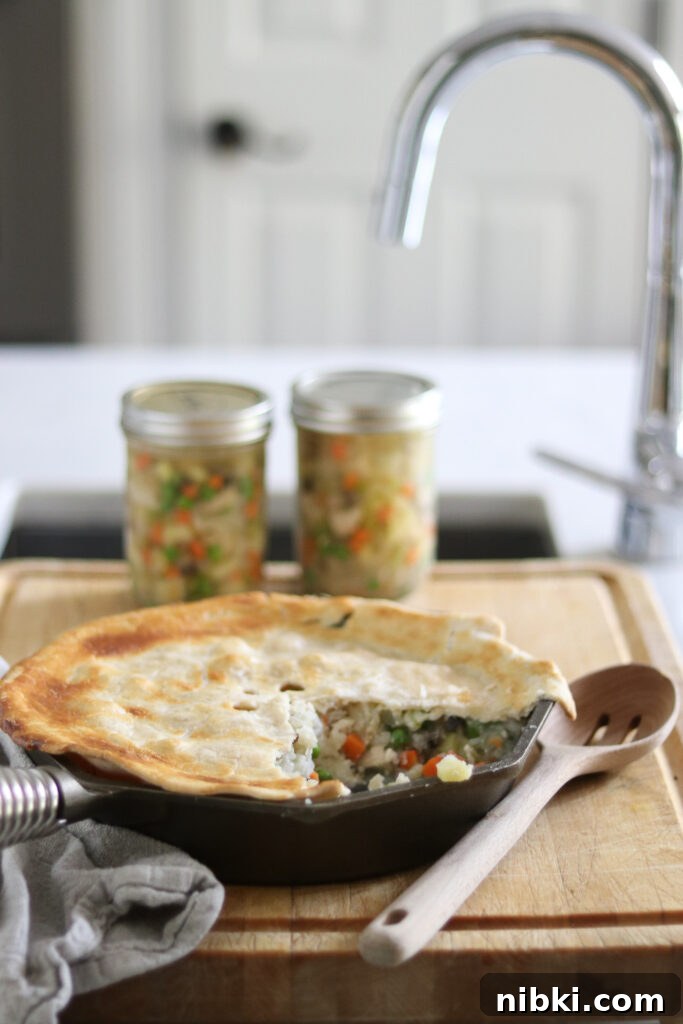
Popular meal-in-a-jar recipes you can adapt safely to these guidelines include pot roast, beef stroganoff, and beef pot pie filling. Always confirm that each ingredient in your customized recipe has an approved canning method before processing.
Quick Customizable Recipe Guidance
Minimum batch size: 2 quarts (or 4 pints). Use hot pack method as described in tested guidance for consistent quality, unless you are following an alternative approved method. Prepare components according to their individual canning recommendations, follow processing times above, and adjust pressure for altitude.
Customizable Canning Recipes
If you want to experiment, start with simple recipes and gradually adjust seasonings and combinations. Keep thorough notes of jar contents, packing method (brothy or hearty), processing time, and pressure so you can repeat successful results.