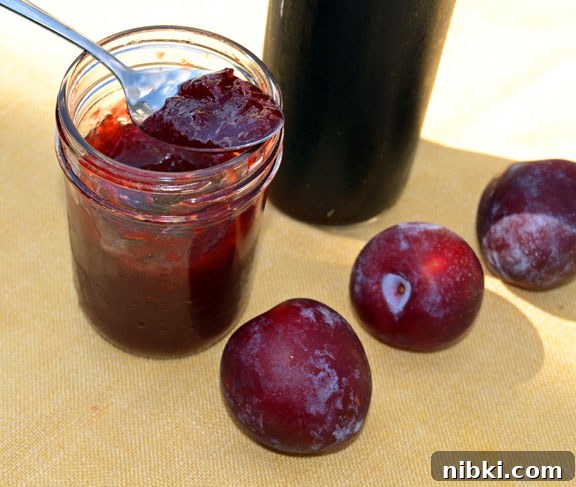
Learn how to make jam successfully – by understanding why sugar is integral to soft spreads.
Although it may feel like spring is far away as winter holds on in many places, berry season will arrive soon. Early fruits—strawberries, raspberries, blackberries, cherries, and more—are perfect for turning into jam. With a little planning and a basic understanding of ingredients, you can make consistent, delicious batches every time.
Jam making is straightforward, but it relies on a few essential components. Just as bread needs flour, water, and yeast, most jams require pectin, sugar, and acid to set properly and preserve the fruit. This article focuses on sugar: how much to use, why it matters, and alternatives that work.
How Much Sugar Do I Need to Make Jam?
The amount of sugar depends largely on the method you use. There are two common approaches: long-cook jams and quick-cook jams.
- A long-cook jam combines fruit, sugar, and acid and is simmered until the mixture reduces and gels naturally.
- A quick-cook jam brings fruit and sugar to a boil, then adds commercial pectin to quickly form a gel.
For long-cook jams, a typical ratio is about 4 parts fruit to 3 parts sugar by volume. For example, 4 cups of fruit will generally need about 3 cups of sugar for proper gel and stability. Quick-cook jams using commercial pectin usually require nearly equal amounts of sugar and fruit, sometimes even more sugar than fruit. A recipe with 4 cups of fruit may call for roughly 3½ to 5 cups of sugar depending on the pectin and the fruit’s natural pectin level.
Fruit butters are different: they’re thickened by long cooking and pureeing rather than by pectin, so they typically use about half as much sugar as fruit. Four cups of fruit puree often need around 2 cups of sugar because the goal is concentration and texture rather than a true gel.
Can I Use Honey Instead of Sugar When Making Jam?
You can substitute some of the sugar with honey or maple syrup in many recipes, especially in long-cook jams. A common strategy is to replace up to half the sugar with honey or maple syrup. Honey pairs well with stone fruits such as peaches and pears, while maple syrup complements blackberries and cranberries. Keep in mind that liquid sweeteners can affect cooking time, flavor, and final texture, so adjustments may be necessary.
Can I Use Less Sugar When Making Jam?
Reducing sugar in jam is a frequent request, but it’s not a simple swap. Sugar serves multiple essential functions beyond sweetening, so cutting it without a tailored recipe can prevent the jam from setting or from preserving properly. If you want lower sugar, use recipes formulated for low-sugar pectins or follow a tested low-sugar method.
The Role of Sugar
Sugar does more than add sweetness. It performs several critical roles in jam:
Fruit Stability: In preserves and some jams, sugar helps fruit pieces retain shape and texture during cooking, producing jars where distinct fruit pieces remain suspended in a jelly-like syrup.
Gel Formation: Sugar binds water during heating, allowing pectin molecules to interact and form a stable gel. Too little sugar can dilute the pectin and prevent a proper set.
Preservation: Sugar reduces available water that microbes need to grow. In sufficiently high concentrations, sugar helps inhibit microbial activity and extends shelf life. Lower-sugar jams or those made for refrigeration/freezing require different handling because they aren’t preserved in the same way.
What About Low-Sugar Jams?
True low-sugar jams work best with specially formulated low- or no-sugar pectins, such as Pomona’s Universal Pectin or the low/no-sugar pectin products developed for home canning. These pectins require specific recipes and steps to set correctly. Low-sugar jams typically have a shorter shelf life than traditionally sugared jams and often need refrigeration or freezing for safe storage.
Freezer jams are another option for using less sugar. Because they are stored frozen, they rely less on sugar for preservation and only need enough sweetener to help the gel set. However, recipes vary widely, so follow the instructions of the specific freezer-jam recipe you choose.
In short: don’t arbitrarily reduce sugar in a standard jam recipe. Use recipes and pectin products designed for low sugar if that’s your goal, and follow tested instructions for reliable results.
Jam Making Basics Series
For more on how pectin works and why it matters to your jam, see the related post: Jam Making Basics – What is Pectin?