Whether you need containers for storing leftovers, packing lunches, or freezing make-ahead meals, this guide covers our top picks and practical tips for keeping food fresh. Below you’ll find recommended container types, pros and cons, and clear storage and freezing advice to make meal prep easier and more efficient.
Our Favorite Meal Prep Containers
Since the release of the cookbook Cook Once, Eat All Week, we’ve received many questions about the best food storage containers. Over years of testing, these are the container types we reach for most often for refrigerator storage, freezer meals, and reheating.
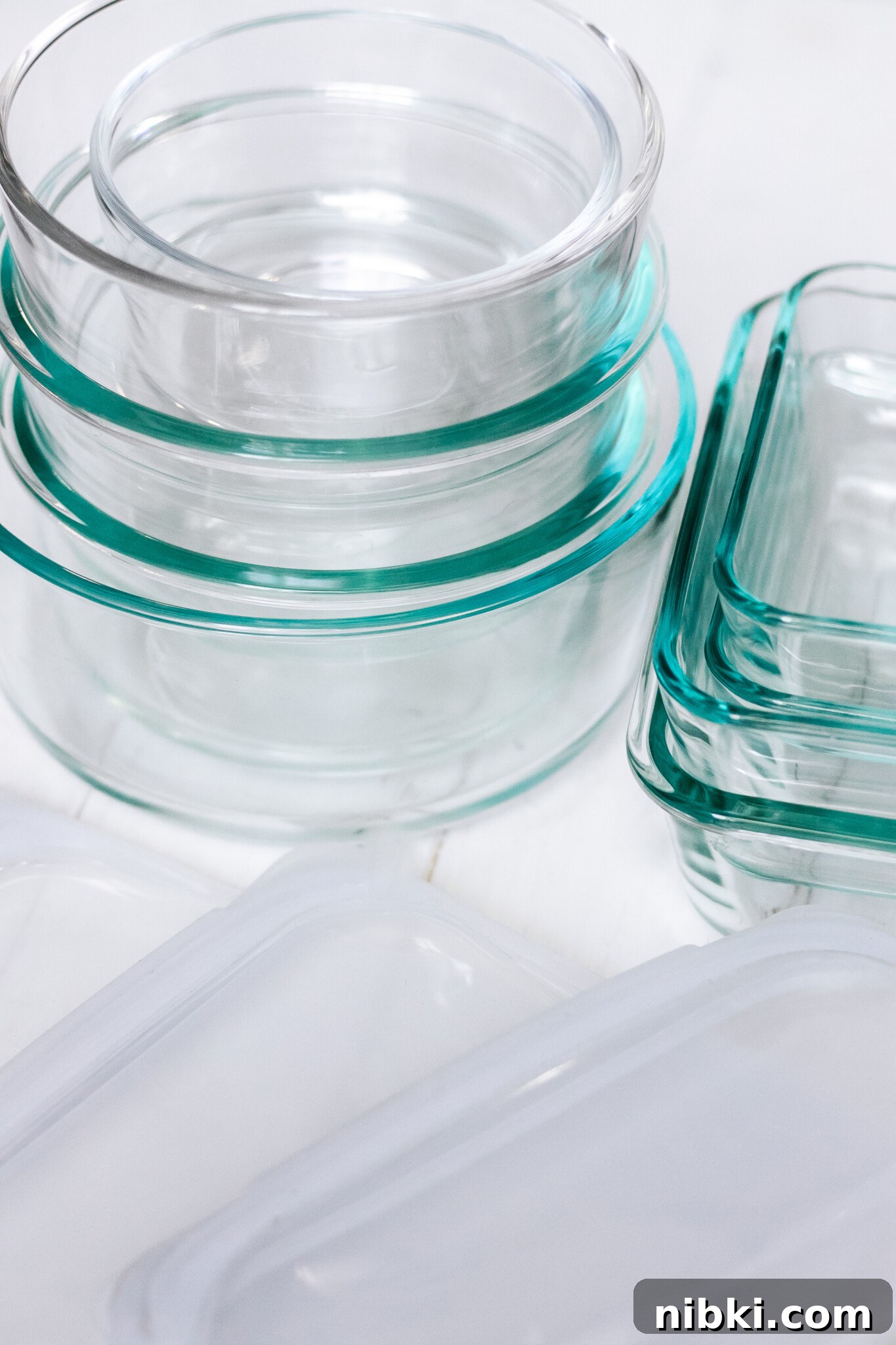
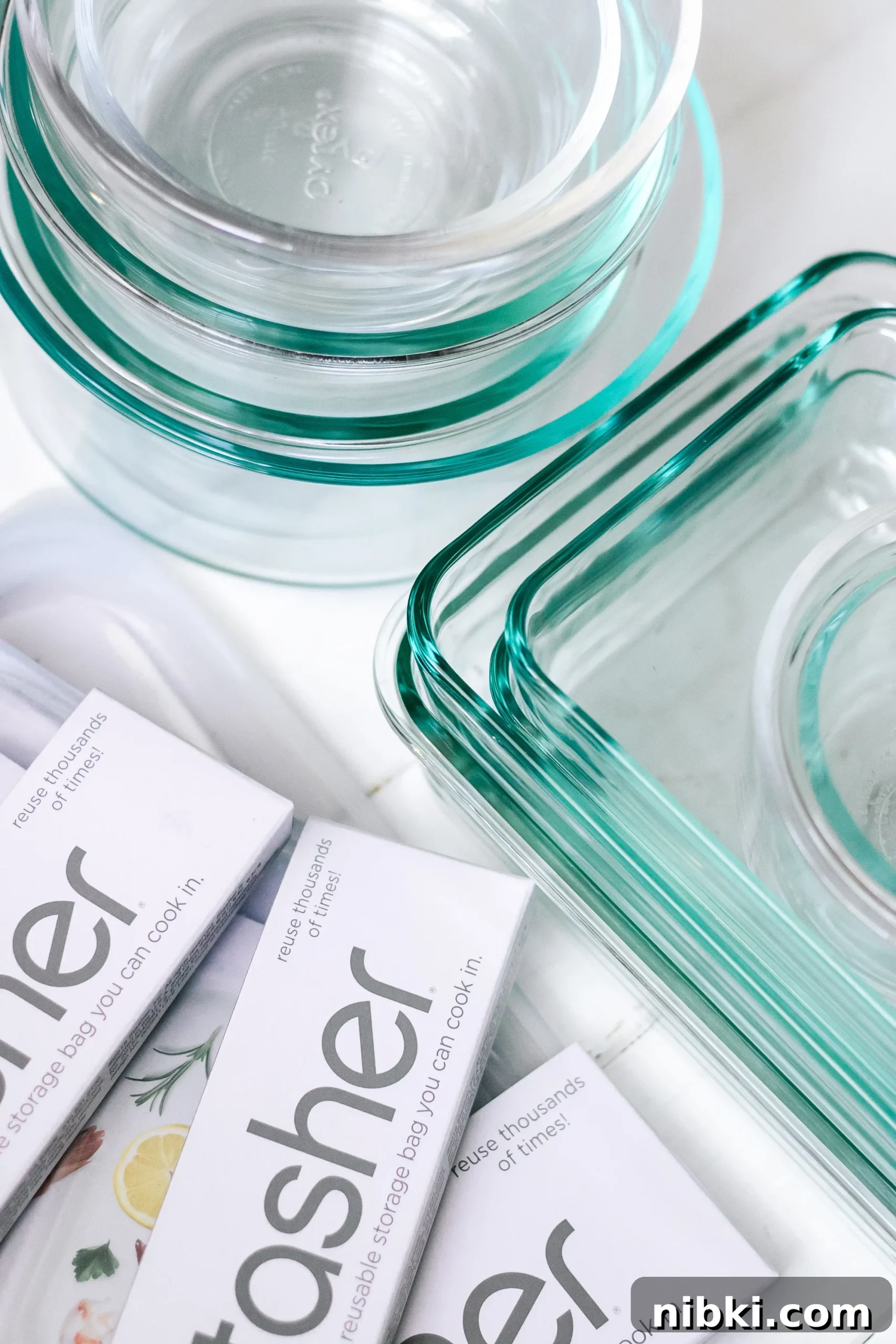
- Glass Storage Containers: Glass containers are a top choice for both the fridge and freezer. Airtight locking lids reduce exposure to air and help contain strong odors. Glass is oven- and microwave-safe (remove lid if it’s plastic), so reheating is simple. Downsides are higher cost and heavier weight, which can take up more cupboard space—many people supplement glass with lighter options.
- Mason Jars: Mason jars are perfect for sauces, dressings, and things you want to shake before serving. Smaller jars are handy for leftover sauces, chopped herbs, or single-serve salad dressings. Two-part metal lids can be fussy and may rust over time; consider replacing them with plastic caps if you prefer fewer parts and less corrosion.
- Aluminum Lunch Containers: Lightweight and often disposable, aluminum containers work well for transporting hot meals to work or events. They are convenient for whole casseroles or single-serve lunches that will be reheated in an oven or under a broiler. For longer-term freezer storage, cover them with plastic wrap and a tight lid or foil to minimize freezer burn.
- Plastic Storage Containers: BPA-free plastic containers offer an airtight seal similar to glass but at a lower price and with less weight. They’re practical for everyday use and stacking in limited cabinet space. Avoid reheating food directly in thin plastic—transfer to a microwave-safe dish if reheating is needed.
- Basic Tupperware: Durable, affordable, and great for bulk meal prep, basic Tupperware-style containers are widely available and useful when you’re storing many portions. They are ideal for freezer stocking but, as with other plastics, transfer food to a microwave-safe bowl before reheating to avoid potential chemical leaching from heated plastic.
- Reusable Silicone Bags (Stasher-style): Silicone reusable bags are a strong alternative to single-use plastic bags. They are plastic-free, washable, and suitable for freezing individual portions of broth, soups, or chopped vegetables. Many can go in the microwave or be warmed in boiling water for reheating.
- Gallon-Sized Freezer Bags: Heavy-duty freezer bags save space when you’ve cooked proteins or vegetables in bulk. They’re useful when you want to flatten portions for quick thawing. If you prefer to reduce direct contact with plastic, wrap food in wax or parchment paper before placing it in the bag.
- Whole Casserole Containers: For full casseroles, you can freeze in a glass baking dish with a lid or in an aluminum tray with a firm lid. To better seal the dish, first cover it with plastic wrap, then fit the lid or cover with foil. This extra barrier helps keep air out and reduces freezer burn.
How to Store or Freeze Your Leftovers So They Stay Fresh
- Salads and slaws:
- Store in a glass or other airtight container. Dressed salads and slaws will typically wilt within a day, so keep dressings separate when possible and toss just before eating. Heartier greens like kale and shredded cabbage hold up better than tender lettuces.
- Casseroles:
- Refrigerator: A fully baked casserole stored with a tight-fitting lid or covered with foil will keep up to 5 days. You can also portion casseroles into individual containers for grab-and-go meals.
- Freezer: Freeze whole or in individual portions; properly stored casseroles will maintain quality for about 5 months. Wrap tightly to prevent air exposure.
- Tip: Avoid placing a cold glass or ceramic dish into a preheated oven—thermal shock can cause cracking. Let chilled dishes come to room temperature or reheat more gently.
- Breakfast casseroles and egg cups:
- Refrigerator: Store baked breakfast casseroles or egg cups in airtight containers for up to 5 days.
- Freezer: Cut into single servings and layer with wax or parchment paper to prevent sticking, or wrap individually before placing in freezer bags for quick reheating.
- Everything else (proteins, roasted veggies, soups, stews, pizzas):
- Refrigerator: Most cooked foods will keep in sealed containers for up to 5 days. For meals with multiple components—such as garnishes, slaws, or tortillas—store those components separately to preserve texture and flavor.
- Freezer: As a general rule, aim for quality within 5 months. Choose containers that match the portion size you’ll use to avoid repeated thawing and refreezing. Label containers with contents and date to track freshness.
- Avoid freezing delicate garnishes like avocado, cilantro, or fresh slaws—add these fresh when serving.
With the right containers and a few simple habits—cool foods before freezing, portion thoughtfully, and label everything—you can streamline meal prep and keep leftovers tasting their best. Use a mix of glass, plastic, aluminum, and reusable silicone based on your needs to maximize storage efficiency and food quality.