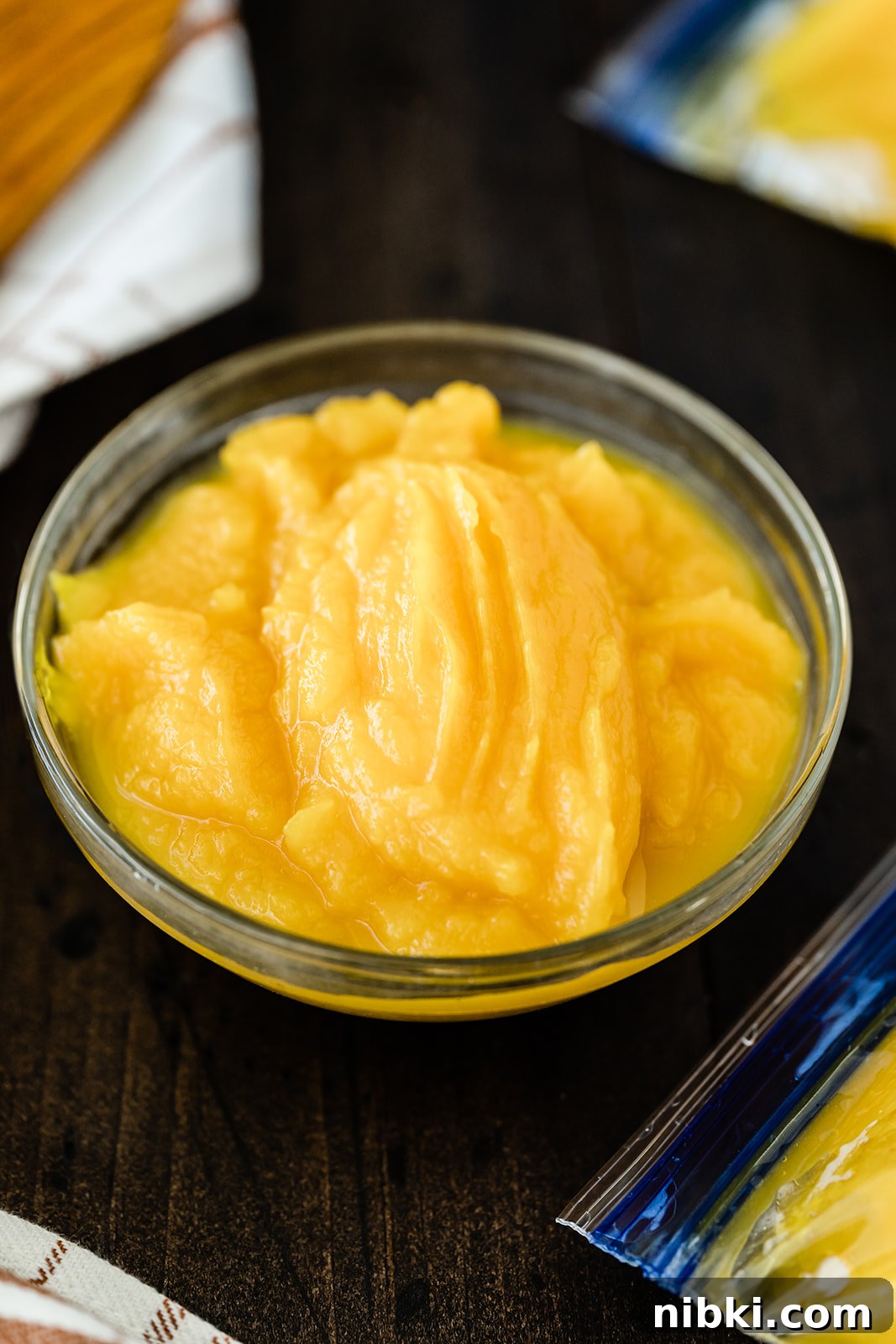
Learn how to make pumpkin puree from fresh pumpkin instead of a can. This guide explains the simple method and the key trick to avoid watery puree so your baked goods and soups turn out perfectly.
Many home‑made pumpkin purees can end up much thinner than canned varieties. Because extra liquid can ruin the texture of baked goods, many recipes call for canned pumpkin—it’s consistent. If you prefer to avoid canned products for environmental or health reasons, making your own pumpkin puree is easy and rewarding, as long as you remove excess moisture the right way.
This post walks through choosing the right pumpkins, roasting and pureeing them, and an effective draining method to thicken the puree so it behaves like canned pumpkin in recipes. You’ll also get storage and freezing tips so you can keep batches on hand through the season.
What pumpkins should I use for homemade pumpkin puree?
For a smooth, sweet puree, choose sugar pumpkins (a.k.a. baking pumpkins). They are smaller and denser than large carving pumpkins and yield a finer texture when pureed. If sugar pumpkins are hard to find where you live, Hokkaido (red Kuri) pumpkins or butternut squash are good alternatives. Butternut has a different flavor profile but works well in most recipes.
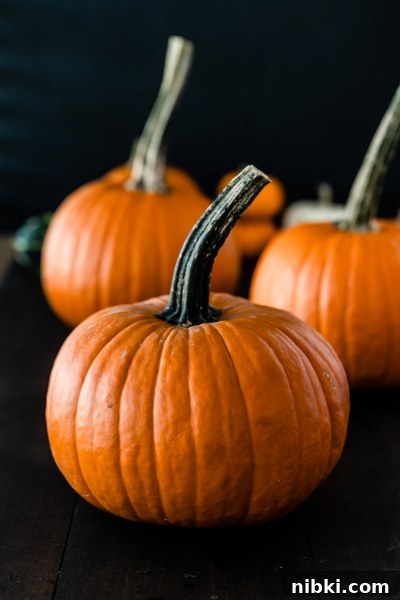
Prepare and roast the pumpkins
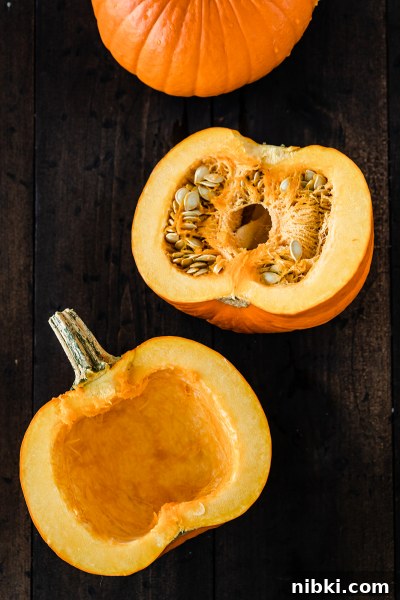
Start by washing the pumpkins to remove dirt. Cut off the stems, then halve each pumpkin with a large, sharp knife. Scoop out the seeds and stringy pulp; save the seeds for roasting if you like.
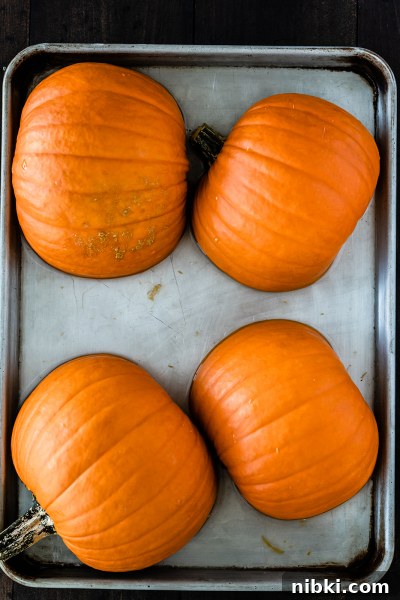
Place the pumpkin halves cut side down on a baking sheet. Add water to the baking sheet so the water comes up about halfway along the edge—this gentle steaming helps the flesh cook evenly and prevents it from drying out. Roast in a 350 °F (175 °C) oven for about an hour, or until the flesh is very soft. Cooking time will vary by pumpkin size.
Can you eat pumpkin skin?
Yes—with some varieties. The skins of sugar pumpkins and Hokkaido (red Kuri) soften enough during roasting that you can puree them with the flesh. Butternut squash skin is typically too tough and should be removed before pureeing. If you’re using a different variety, check whether its skin becomes tender when roasted before deciding to blend it in.
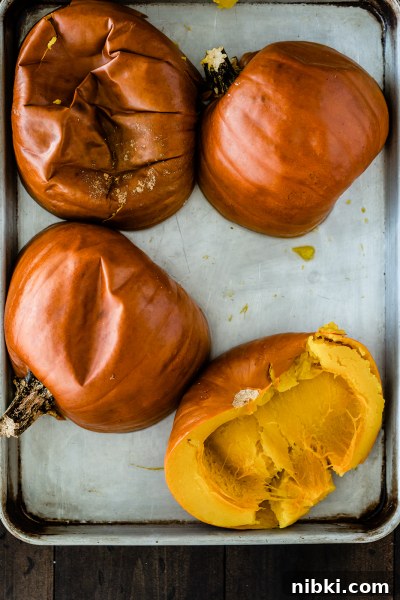
Puree the pumpkin
After roasting, remove the pan from the oven and let the pumpkins cool for 10–20 minutes—cool enough so the equipment won’t be damaged and you can handle the pieces safely. Scoop the softened flesh into a food processor or blender, or into a bowl for an immersion blender. Blend until completely smooth. If you left the skin on a variety that softened, the puree will be slightly darker and a bit richer.
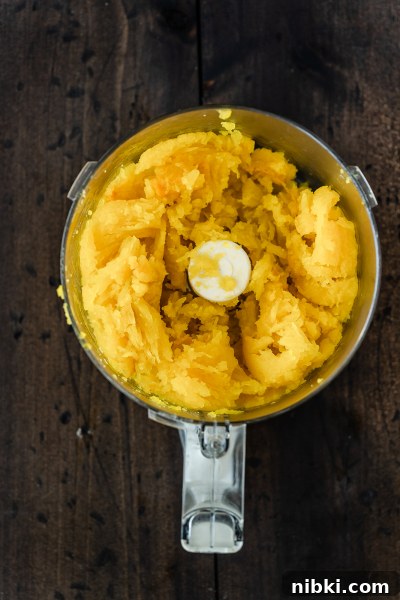
How to thicken pumpkin puree
Homemade pumpkin can be wetter than canned pumpkin. To thicken it, line a large sieve with cheesecloth or a clean tea towel and set it over a bowl. Pour the pumpkin puree into the lined sieve and allow it to drain until it reaches the desired consistency. For large batches, drain in smaller portions so the puree can release moisture evenly.
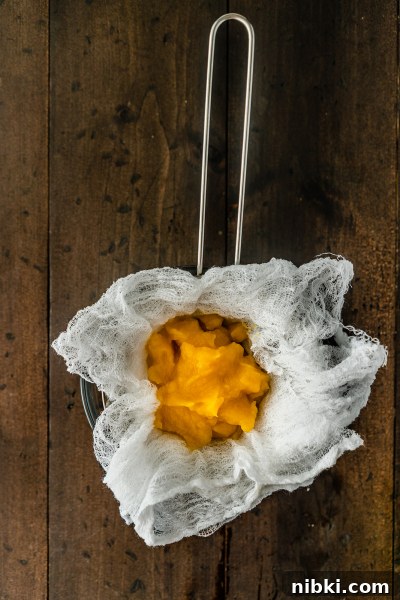
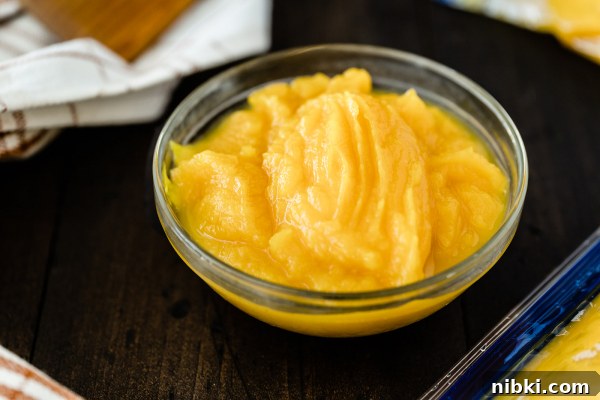
When the puree looks right, transfer it to a bowl and stir—layers near the cheesecloth will be dryer than the top. If it becomes too dry, you can add back a little of the drained liquid. Aim for a texture similar to canned pumpkin so it performs the same in recipes.
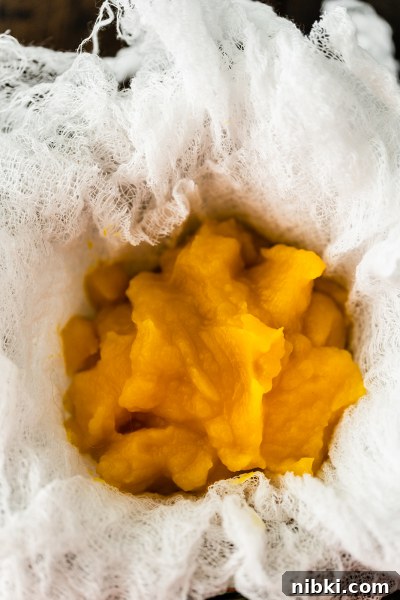
Freezing and storing pumpkin puree
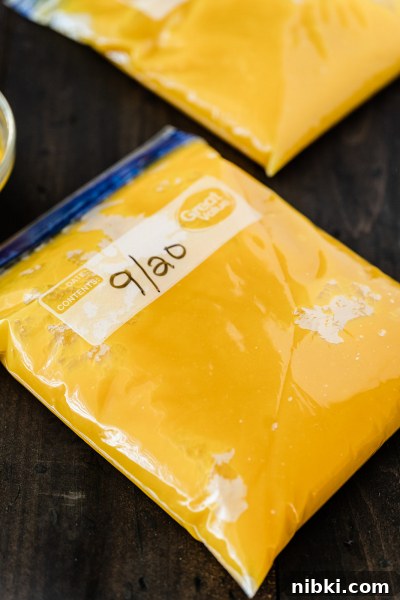
Divide your puree into portions you commonly use—1/2 cup, 1 cup, or 15-ounce (about 425 g) portions are handy. Place portions in freezer bags or airtight containers, label with the date, and freeze. For best quality use within 3–6 months, although it remains safe beyond that timeframe.
If you only need a small amount now, freeze the rest. Thawed pumpkin is great for quick soups, curries, cakes and muffins.
How long does pumpkin puree last in the fridge?
Store pumpkin puree in an airtight container in the refrigerator for 4–6 days. For longer storage, freeze in portioned bags or containers.
Ingredients
- Sugar pumpkins (baking pumpkins), or Hokkaido/red Kuri pumpkins, or butternut squash
Instructions
- Wash the pumpkins and remove the stems. Cut each pumpkin in half and scoop out seeds and fibrous strings. Reserve seeds if you plan to roast them.
- Place pumpkin halves cut side down on a baking sheet. Pour water into the sheet so it reaches about halfway up the edge of the pan.
- Bake at 350 °F (175 °C) for about an hour, or until the flesh is very soft. Larger pumpkins may take longer.
- Remove from the oven and cool 10–20 minutes until safe to handle. Scoop the flesh into a food processor, blender, or bowl for an immersion blender.
- Blend until completely smooth. If the puree is thinner than canned pumpkin, line a large sieve with cheesecloth or a clean towel, set it over a bowl, and pour the puree in to drain until it reaches the desired thickness.
- Stir the drained puree to combine dryer and moister parts. Transfer to airtight containers or freezer bags.
- Refrigerate for up to 4–6 days, or freeze in portioned amounts (1/2 cup, 1 cup, or 15-ounce portions) for best quality within 3–6 months.
Notes
Yields vary. For example, a 2 lb (907 g) raw pumpkin will typically yield about 1.5 lb (680 g) of puree (roughly 2 3/4 cups) if you remove the skin. Leaving edible skin on increases the volume slightly. One cup of pumpkin puree weighs approximately 240 g.
Have you made pumpkin puree at home before? Try freezing small portions for quick baking or soups, and experiment with sugar pumpkins versus butternut to find the flavor and texture you prefer.