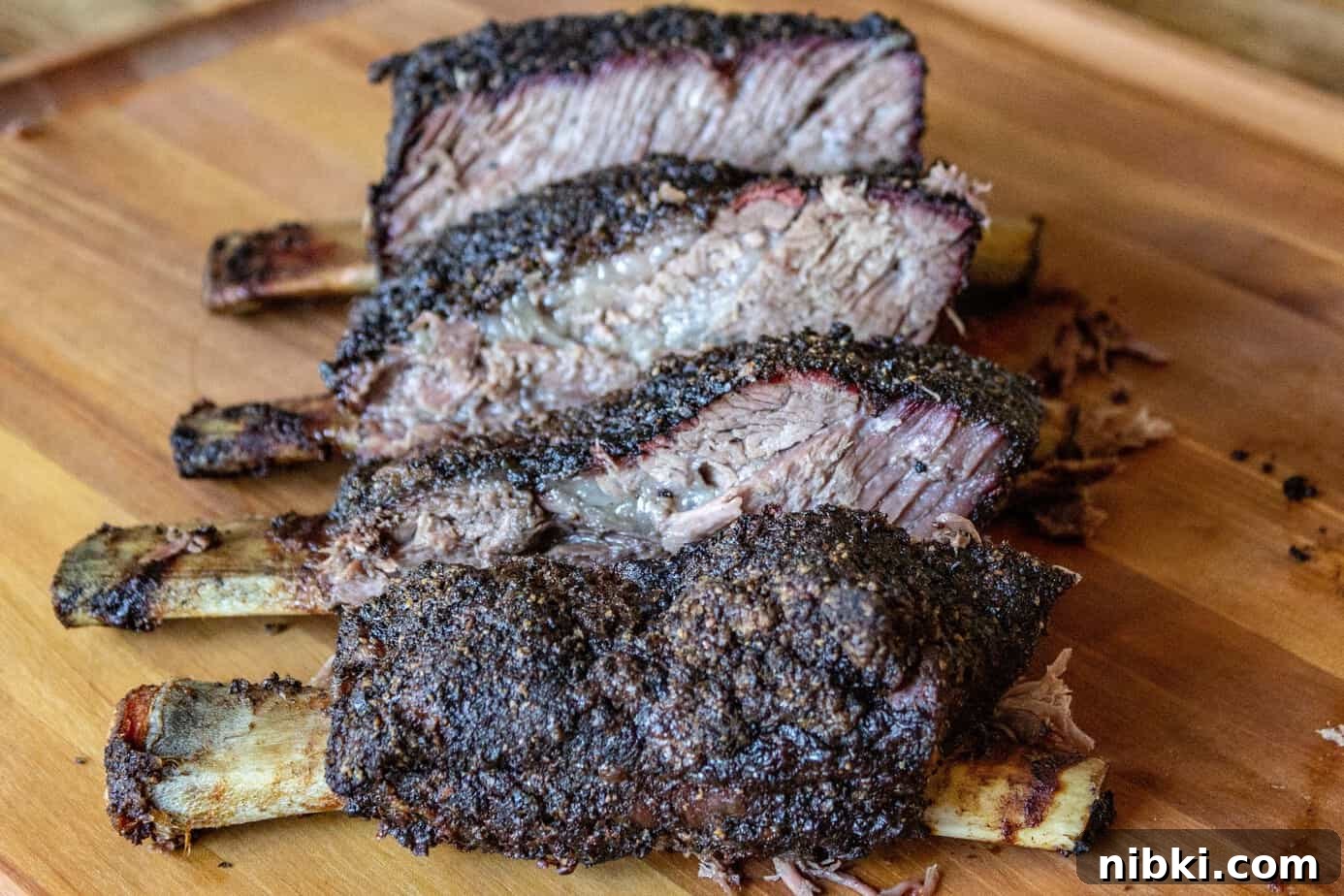
Can you believe football season is finally here? The preseason games are over and now every matchup counts. A great way to celebrate is with a tailgate: simple games, cold drinks, and easy-to-eat food that travels well. Smoked beef chuck ribs are one of my favorite handheld options—meaty, shareable, and perfect for a crowd.
Other tried-and-true tailgate favorites include Pulled Pork Sliders, Crispy Chicken Wings, and Bacon-Wrapped Meatballs. All of these are handheld, portable, and pair perfectly with a cold beer or tailgate cocktails. Smoked beef ribs join that list as a hearty alternative when you want something bold and beefy.
Table of Contents
Smoked Beef Ribs – Selecting the Right Beef Ribs
Choosing the right cut of beef ribs makes a big difference in flavor and texture. There are three common types to know about:
- Beef Back Ribs – These are what you often find at the grocery store. They come from where the ribs attach to the ribeye or prime rib. Because most of the prime meat is removed for steaks, back ribs usually have less meat and are better as a budget option rather than for long, low-and-slow smoking.
- Chuck Ribs – Chuck ribs are meatier and normally come in shorter racks, often consisting of four bones. They have great beefy flavor and are ideal for slow smoking because they hold up well and yield substantial, succulent meat.
- Plate Ribs – These are large and very meaty, often called beef plate ribs. They can be harder to find in regular stores but are fantastic when available. If you find plate ribs, the same smoking approach used for chuck ribs works well, though cook time may be longer due to the extra size.
How to Prepare Beef Ribs
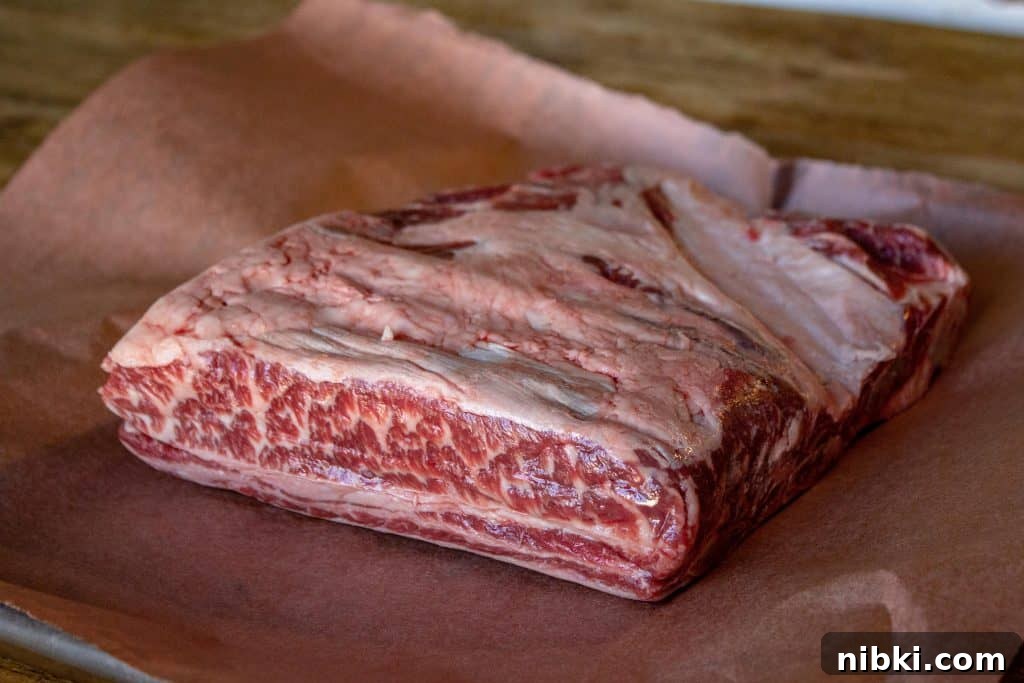
Preparing beef ribs is straightforward, but trimming matters. If the butcher didn’t trim the ribs for you, take a few minutes to clean them up at home. Chuck ribs commonly have a fat cap on top and a layer of silver skin on the underside. Remove the silver skin so your rub and smoke can penetrate the meat; however, leave the silver skin that helps hold the ribs together during cooking if it’s on the underside and not greasy. Trimming excess fat will prevent greasy flare-ups and help seasoning reach the meat.
What Kind of Rub Should I Use on Beef Chuck Ribs?
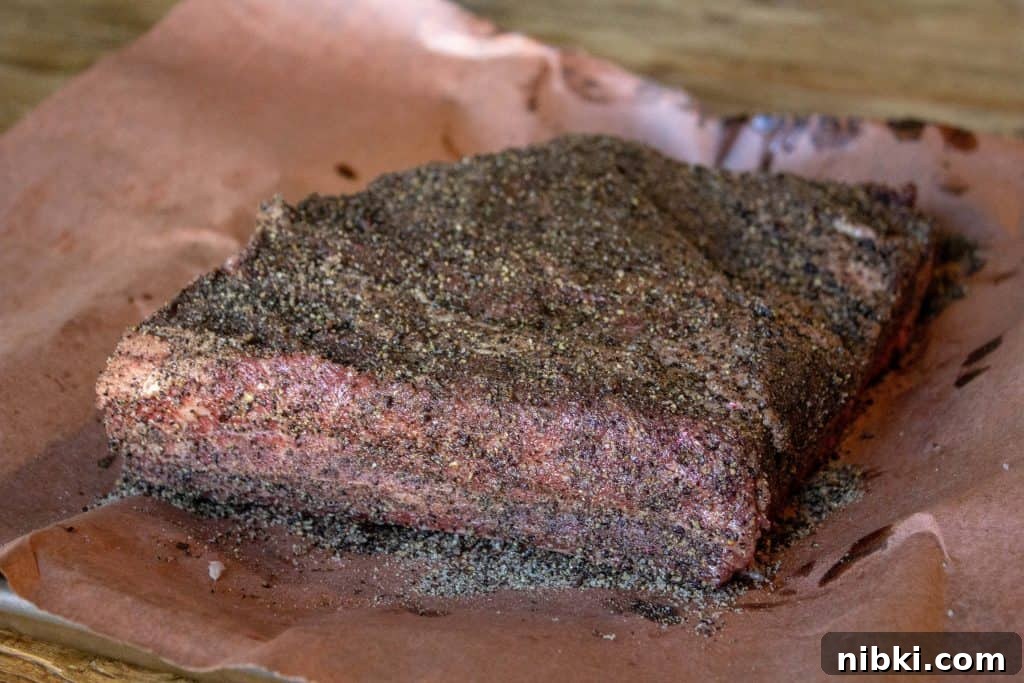
You don’t need an elaborate seasoning blend for smoked beef chuck ribs. A simple beef rub highlighting salt, pepper, garlic, and a touch of espresso or chili for depth works beautifully. Lightly coat the ribs with olive oil to help the rub adhere, then apply the rub liberally over all surfaces. Letting the seasoned ribs rest in the refrigerator for an hour or up to overnight will deepen the flavor, but they also turn out great when smoked immediately.
How to Smoke Beef Ribs
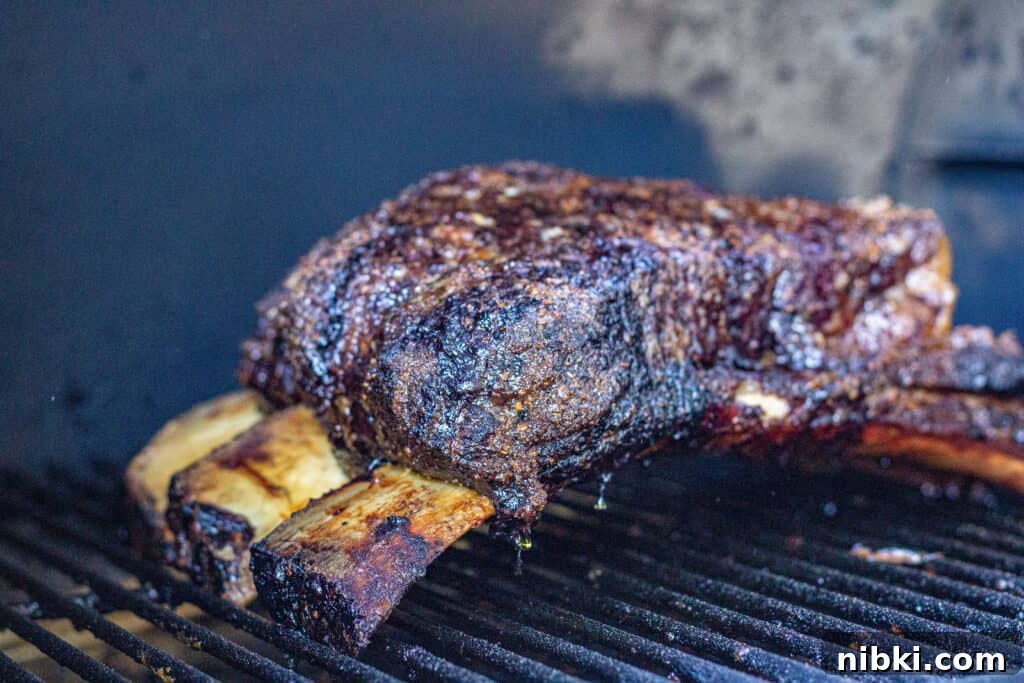
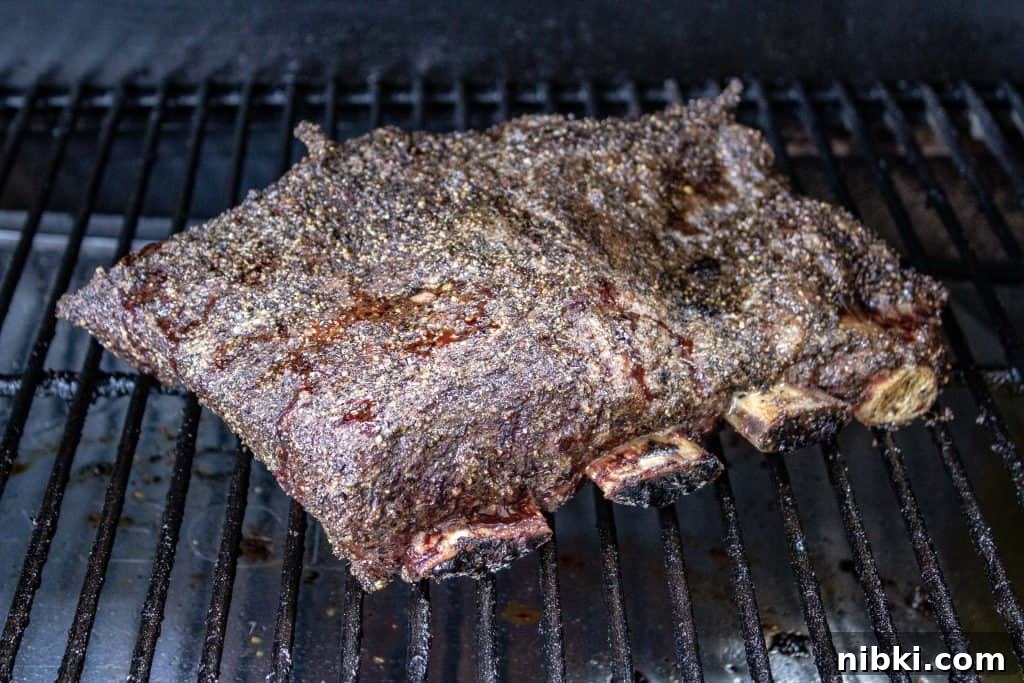
My preferred approach is low and slow, but for these ribs I smoked at a slightly higher low-and-slow temperature—275°F. After smoking for about 4 hours I began checking internal temperature hourly. These particular ribs reached the target internal temperature of 203°F after roughly 6 hours on the smoker.
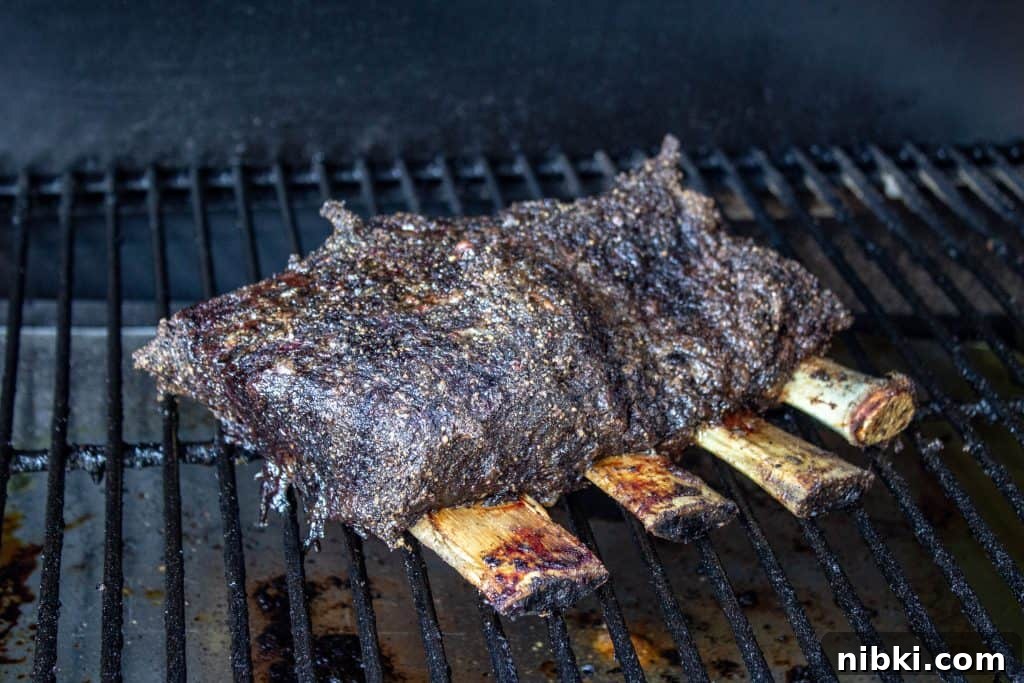
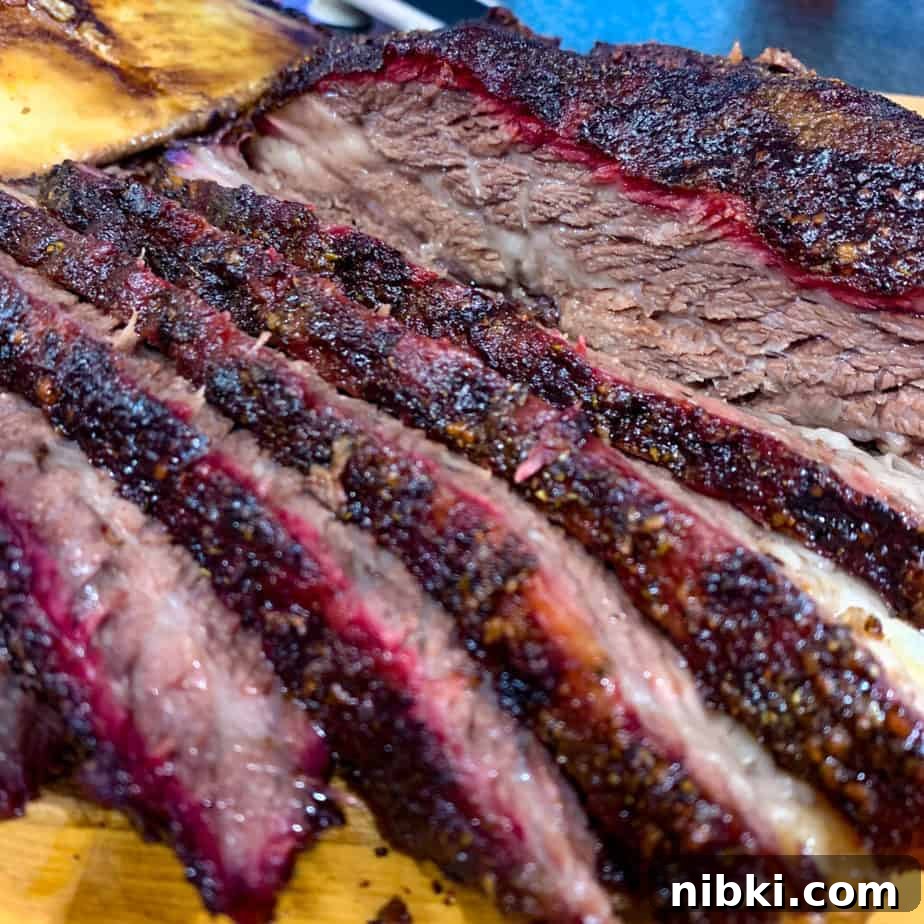
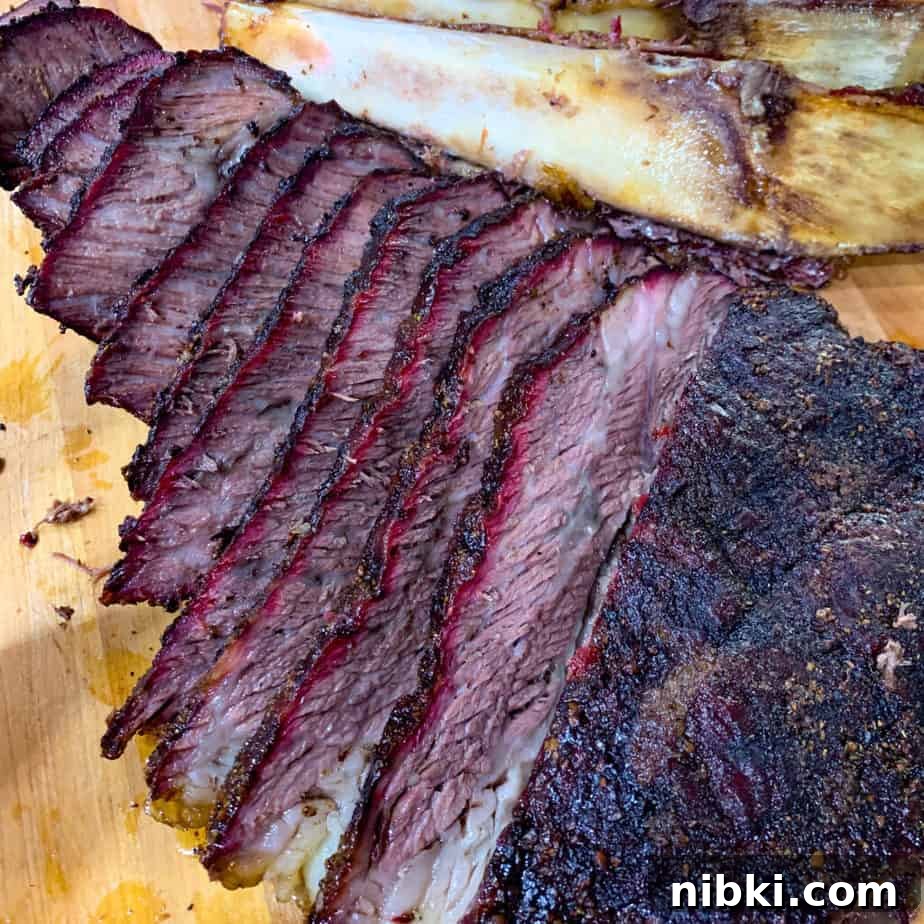
When the ribs reached 203°F, I wrapped them tightly in foil and placed them in a well-insulated cooler to rest for one hour. Resting after a hot smoke lets the juices redistribute and makes slicing easier. After unwrapping, slice between each bone to serve. The results were tender, richly flavored ribs with a deep smoke ring and delicious crust.
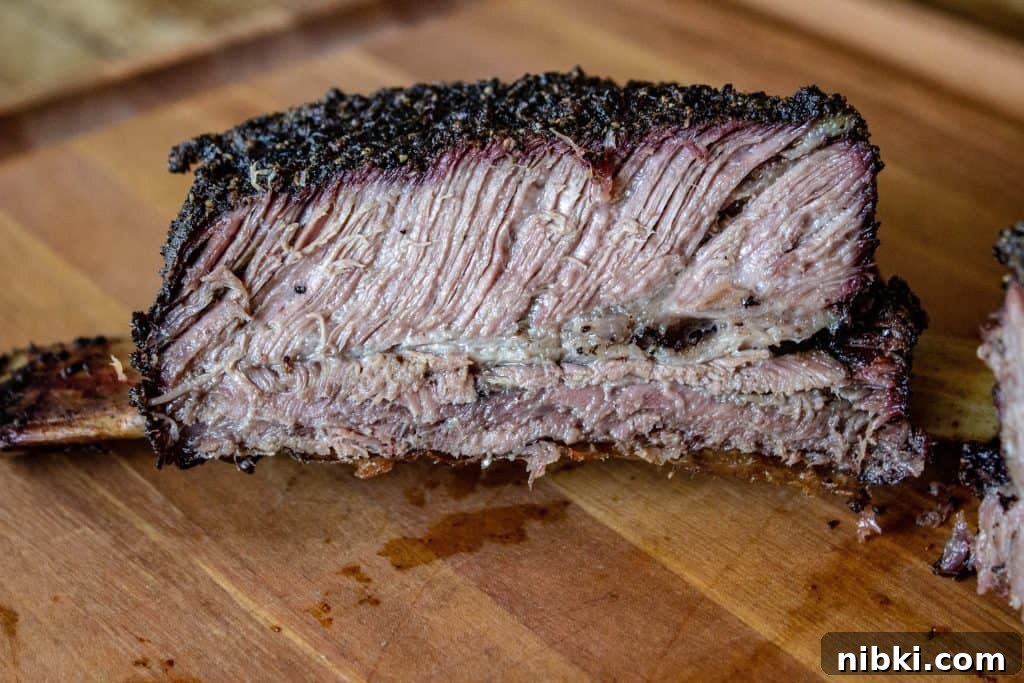
These smoked beef chuck ribs were one of the best things I’ve cooked on the smoker—perfect for a tailgate or backyard party. They travel well and are easy for guests to eat while standing or mingling. If you plan a tailgate, prepare the ribs ahead, keep them warm in an insulated cooler, and slice them just before serving for the best presentation.
Smoked Beef Chuck Ribs (Recipe)
Summary: These smoked beef chuck ribs are easy to make and ideal for tailgates. They are flavorful, hand-held, and pair well with classic sides like coleslaw, baked beans, or potato salad.
- Prep Time: 10 minutes
- Cook Time: About 6 hours (to reach 203°F internal)
- Rest Time: 1 hour
- Total Time: About 7 hours 10 minutes
- Servings: Depends on rack size (one rack typically serves several people)
- Calories: Approx. 300 kcal per serving (estimate)
- Author: Nick
Ingredients
- 1 rack beef chuck ribs, trimmed (approx. 8 lbs)
- 1 Tbsp salt
- 1 Tbsp pepper
- 1 Tbsp garlic powder or granulated garlic
- 1 tsp fine ground espresso (adds depth)
- 1 tsp cayenne (optional, for heat)
- Olive oil to help the rub adhere
Instructions
- Trim any excess fat and remove silver skin where needed. Lightly coat the ribs with olive oil.
- Mix the salt, pepper, garlic, espresso, and cayenne (if using) and apply the rub generously over the entire surface of the ribs.
- Preheat your smoker to 275°F. Place the ribs on the smoker surface and smoke until the internal temperature reaches about 203°F, roughly 6 hours. Begin checking temperature after about 4 hours and monitor hourly.
- When the ribs reach 203°F, wrap them tightly in foil and place in a well-insulated cooler to rest for one hour.
- Unwrap, slice between each bone, and serve hot. These ribs are perfect for a tailgate because they’re easy to handle and full of flavor.
If you try these for your next tailgate, let the meat rest properly and slice just before serving for the best texture. Have you smoked beef chuck ribs before? Share any tips or variations you use—simple changes to rubs, smoke woods, or resting techniques can produce deliciously different results.