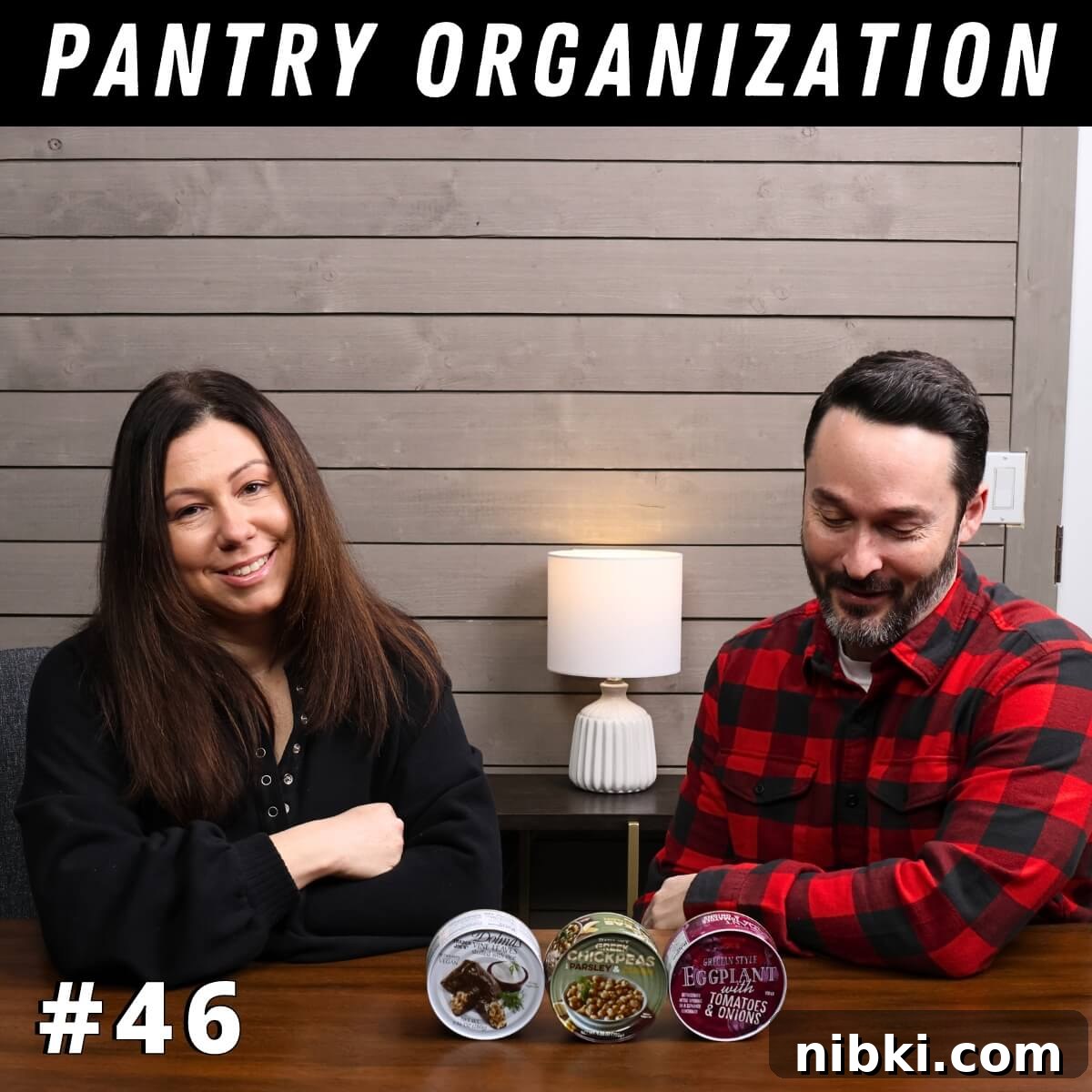
Podcast: Play in new window | Download (Duration: 1:02:29 — 94.6MB)
Subscribe or Follow Apple Podcasts | Spotify | Amazon Music | RSS | More
We all open the pantry looking for one thing and discover another that’s long past its prime. Spring is a great moment to tackle pantry organization: clear out expired items, create a logical layout, and set up storage systems that keep your kitchen efficient all year round. Below you’ll find a practical plan for cleaning, organizing, and restocking your pantry, plus a quick look at a Trader Joe’s taste test featured in this episode.
Watch on YouTube
Spring cleaning often sparks the desire to declutter and refresh. While closets and outdoor areas get attention, the pantry is frequently overlooked. A well-organized pantry saves time, reduces food waste, and makes meal planning easier. Use the steps below to create an organized space that fits your routine and the way you cook.
Step-by-step pantry cleaning plan:
- Empty and assess: Remove everything from the shelves. As you take items out, group them by type—canned goods, baking ingredients, grains, snacks, and spices. This gives you a clear view of what you own and what needs to go.
- Check dates and quality: Discard expired items and anything with off smells or damaged packaging. For items approaching their best-by dates, set them aside for the next week’s meals to prevent waste.
- Clean shelves: Wipe down all surfaces and vacuum corners. If you have a spill-prone shelf, consider a removable liner for easier future cleaning.
- Plan zones: Arrange zones by frequency of use and function—everyday staples at eye level, baking and bulk items higher up, kid-friendly snacks at lower levels, and overflow or seasonal goods in less accessible spaces.
- Contain and label: Transfer open packages into airtight, stackable containers. Clear containers let you see quantities at a glance; label lids or shelves with contents and purchase or open dates for rotation.
- Adopt FIFO: Use first-in, first-out stocking so older items are used before newer ones. Place recently bought goods behind older stock.
- Donate when possible: Unopened nonperishables in good condition can be donated. Dispose of truly spoiled items responsibly.
Storage and container suggestions:
- Airtight containers for flours, sugars, rice, and grains to protect from pests and humidity.
- Stackable bins and clear baskets for snack organization and shelf maximization.
- Lazy Susans or turntables for oils, vinegars, and frequently used condiments to improve access.
- Uniform spice jars or a labeled drawer for spices; magnetic tins or wall-mounted racks work well for small spaces.
- Mason jars or resealable pouches for small items like nuts, seeds, and dried fruit; note that some of these keep better refrigerated.
Pantry stocking basics to consider keeping on hand:
- Canned tomatoes, beans, and broths
- Pasta, rice, and other long-shelf-life grains
- Cooking oils, vinegars, and shelf-stable condiments
- Flours, sugars, baking powder, and baking soda
- Assorted dried herbs and spices that match your cooking style
- Nut butters, shelf-stable milks, and canned fish or proteins
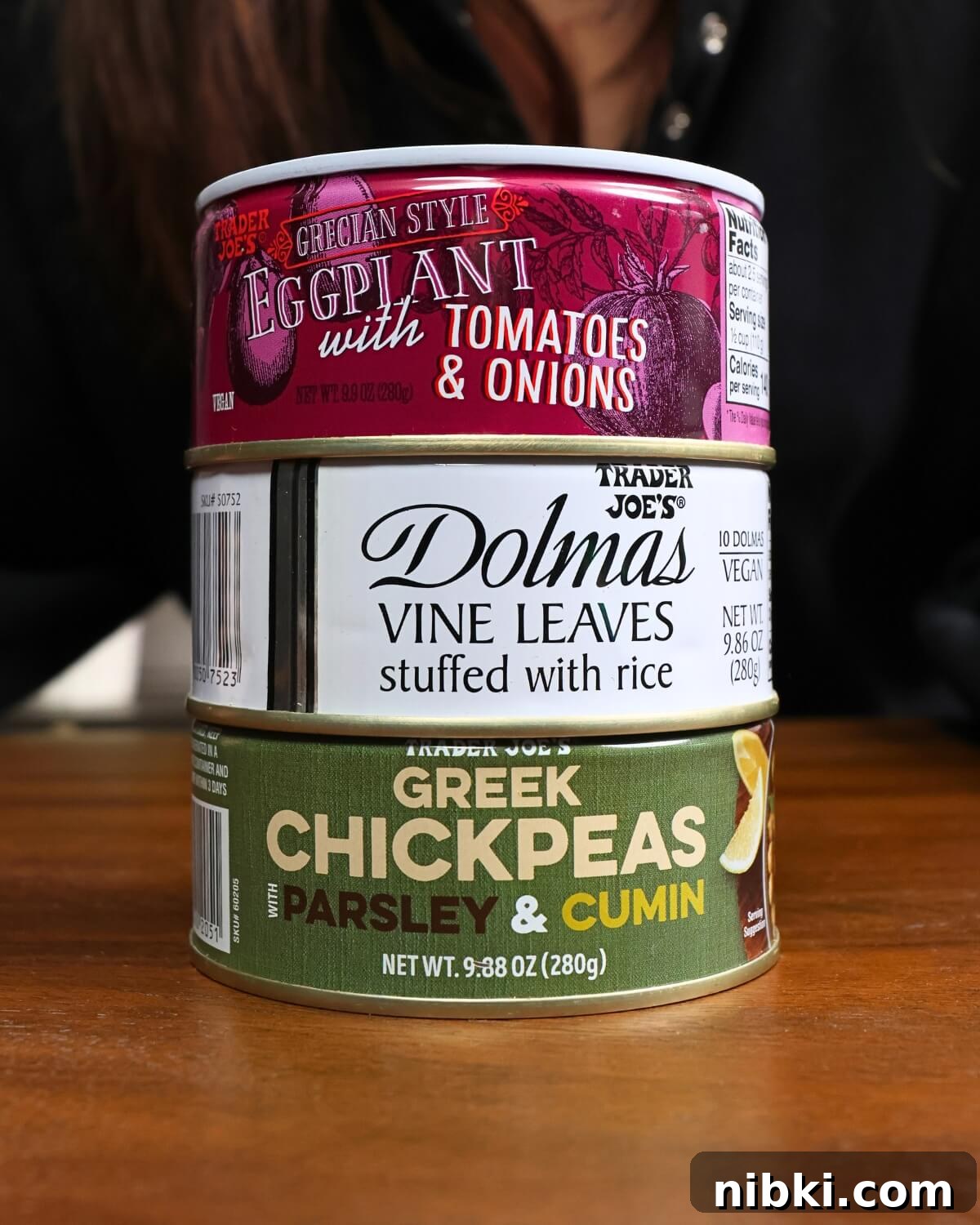
Taste testing Trader Joe’s Greek goods
In this episode, Tara and I sampled several of Trader Joe’s shelf-stable Greek items, including Greek-style eggplant, Greek chickpeas, and stuffed grape leaves. We discuss textures, flavors, and ideas for using these items in quick meals, salads, and pasta dishes. Watch the video to see the products and our reactions in real time.
Resources
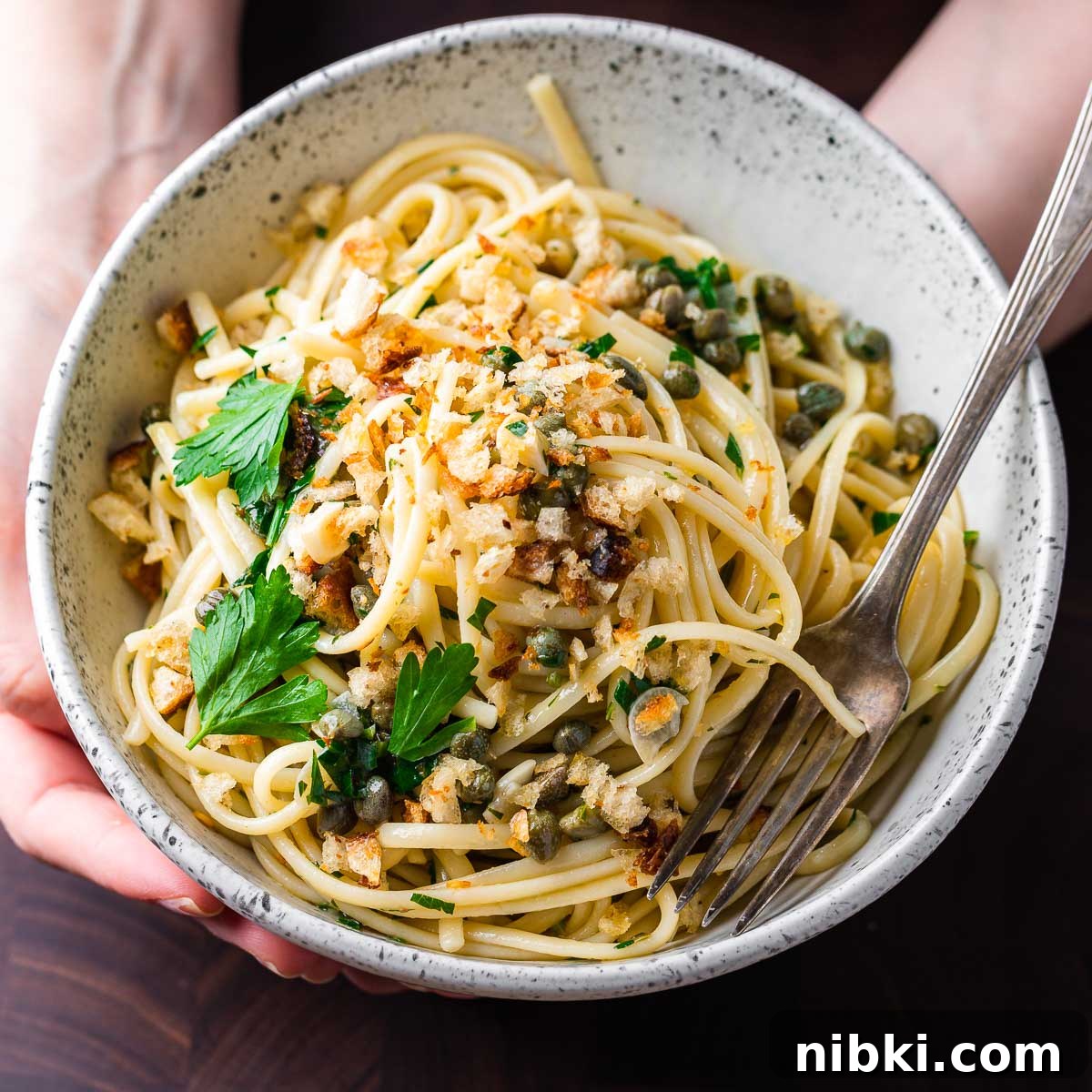
- Lemon Caper Linguine Recipe
- Linguine al Limone Recipe
- Chicken Pesto Pasta Salad Recipe
- Chocolate Guinness Cake Recipe
- Italian Wedding Soup Recipe
If you enjoyed the Spring Cleaning Your Pantry episode, please leave a comment below to tell us what you tried and what worked in your kitchen. We welcome questions—email us at [email protected] and we’ll include answers on the show when possible.
If you enjoy our weekly podcast, consider supporting us on Patreon for bonus episodes and behind-the-scenes content. Thank you for listening!
For a complete list of all podcast episodes, visit our podcast episode page.