Starting a gluten-free diet can feel overwhelming. This practical guide lays out 11 clear tips for beginners to help you transition confidently and safely to a gluten-free lifestyle.
What is Gluten?
Gluten is a group of proteins found primarily in wheat, barley, rye and related grains. In baking, it gives dough elasticity and structure, helping breads and pastries hold together.
For people with celiac disease or non-celiac gluten sensitivity, eliminating gluten from the diet can dramatically improve symptoms and overall health. If you suspect a gluten-related condition, seek guidance from a healthcare professional before making major diet changes.
11 Tips for Beginners
Note: This list is intended to offer practical help as you learn to live gluten-free. It is not exhaustive and should not replace medical advice. Consult your healthcare provider for personalized recommendations.
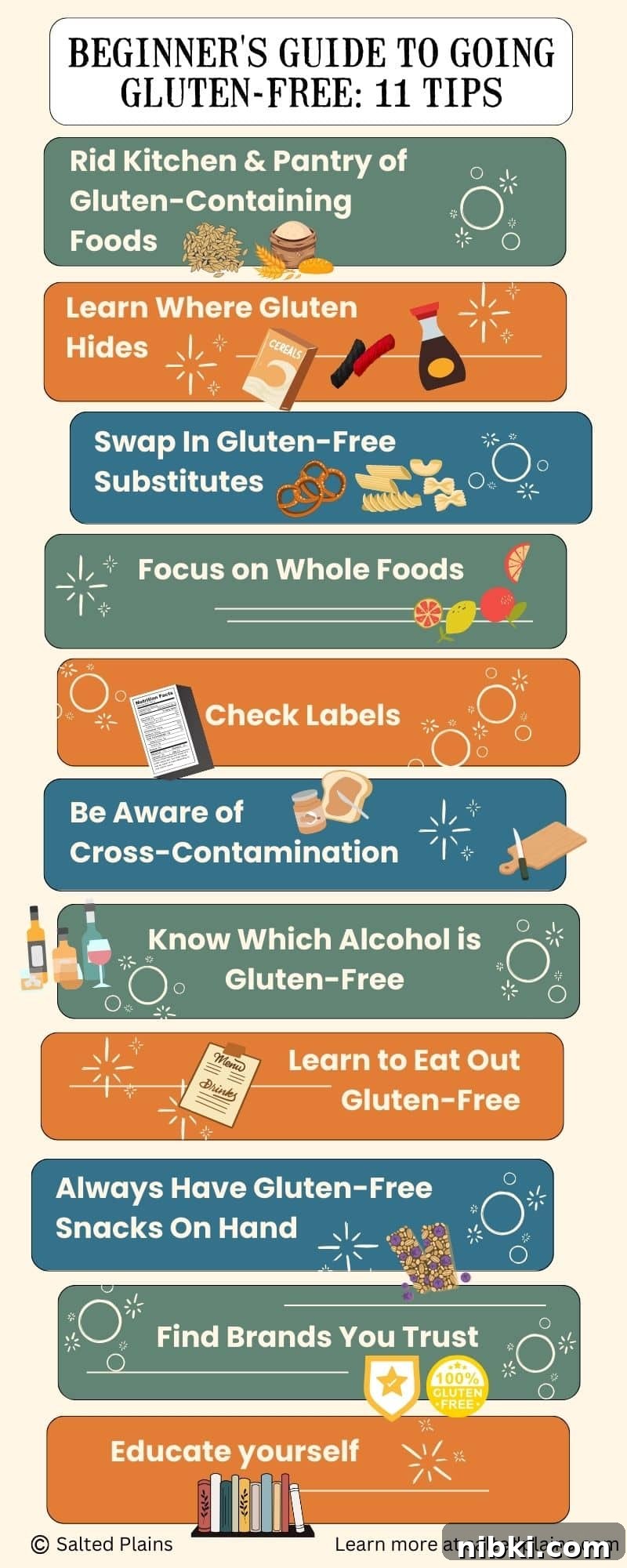
Rid Kitchen and Pantry of Gluten-Containing Foods
If your goal is a completely gluten-free home, start by removing obvious gluten-containing items from cabinets, the pantry and the fridge. If other household members still eat gluten, create a clear system: label containers and jars that must stay gluten-free, store GF foods on a dedicated shelf, and consider replacing high-risk items like shared condiments.
Clear labeling and designated storage reduce accidental cross-contact and make daily meal prep simpler and safer.
Learn Where Gluten Hides
Gluten can appear in unexpected products. Familiarize yourself with common hidden sources so you can spot them on ingredient lists. Examples include:
- Salad dressings and marinades
- Seasoning blends and taco mixes
- Soy sauce and similar condiments
- Some breakfast cereals and snack bars
- Licorice and other candies
- Modified food starch in processed foods
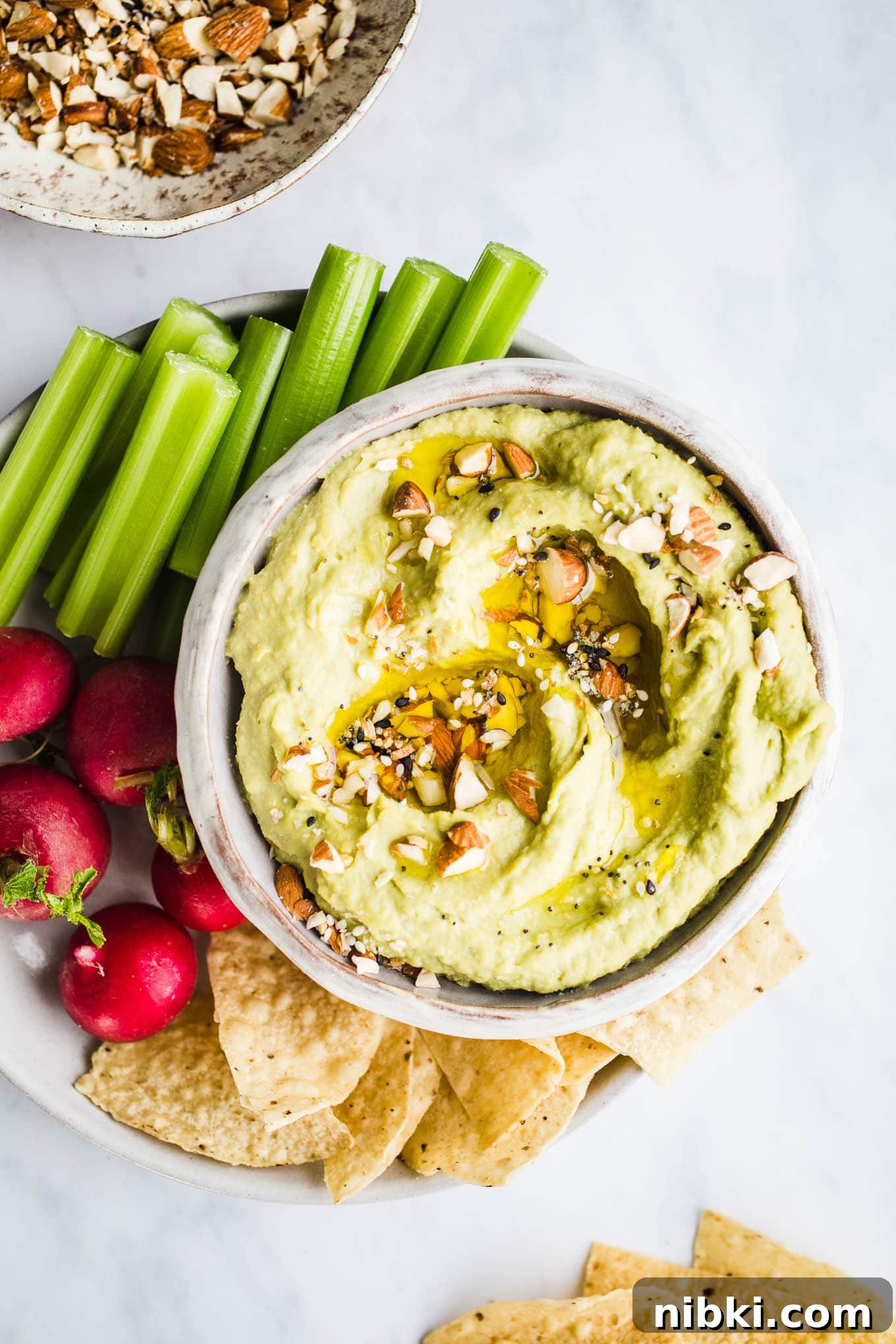
Swap in Gluten-Free Substitutes
Stock your kitchen with reliable gluten-free replacements so meals remain familiar and satisfying. Useful staples include:
- Gluten-free bread — available in loaves and refrigerated varieties
- Gluten-free pasta — options include brown rice, chickpea, lentil, or mixed-grain pastas
- Naturally gluten-free whole grains — white rice, brown rice, quinoa, millet
- Gluten-free cereals and granola — both store-bought certified options and homemade recipes
- GF tortillas and flatbreads — corn, brown rice, almond or other grain-free alternatives
Focus on Whole Foods
Relying on whole, minimally processed foods simplifies gluten-free eating. Fruits, vegetables, fresh meats, fish, legumes, nuts, dairy and naturally gluten-free grains supply nutrients, fiber and protein. Planning meals around these ingredients reduces label-checking and supports a balanced diet.
Check Labels
Read packaged food labels carefully. Gluten can be listed under several ingredient names, including:
- Wheat (and varieties such as spelt, farro, durum and triticale)
- Rye
- Barley
- Oats — only safe when certified gluten-free
- Malt and malt-derived ingredients
- Brewer’s yeast
Remember: a product labeled “wheat-free” is not automatically gluten-free. Look for clear gluten-free labeling or certified marks when possible.
Be Aware of Cross-Contact
Cross-contact occurs when gluten-free food touches gluten-containing food or shared surfaces and utensils. Common risks include double-dipped condiment jars, shared cutting boards, toasters, and fryers. If your household isn’t 100% gluten-free, set clear rules for cleaning, separate utensils, and designated prep areas when possible.
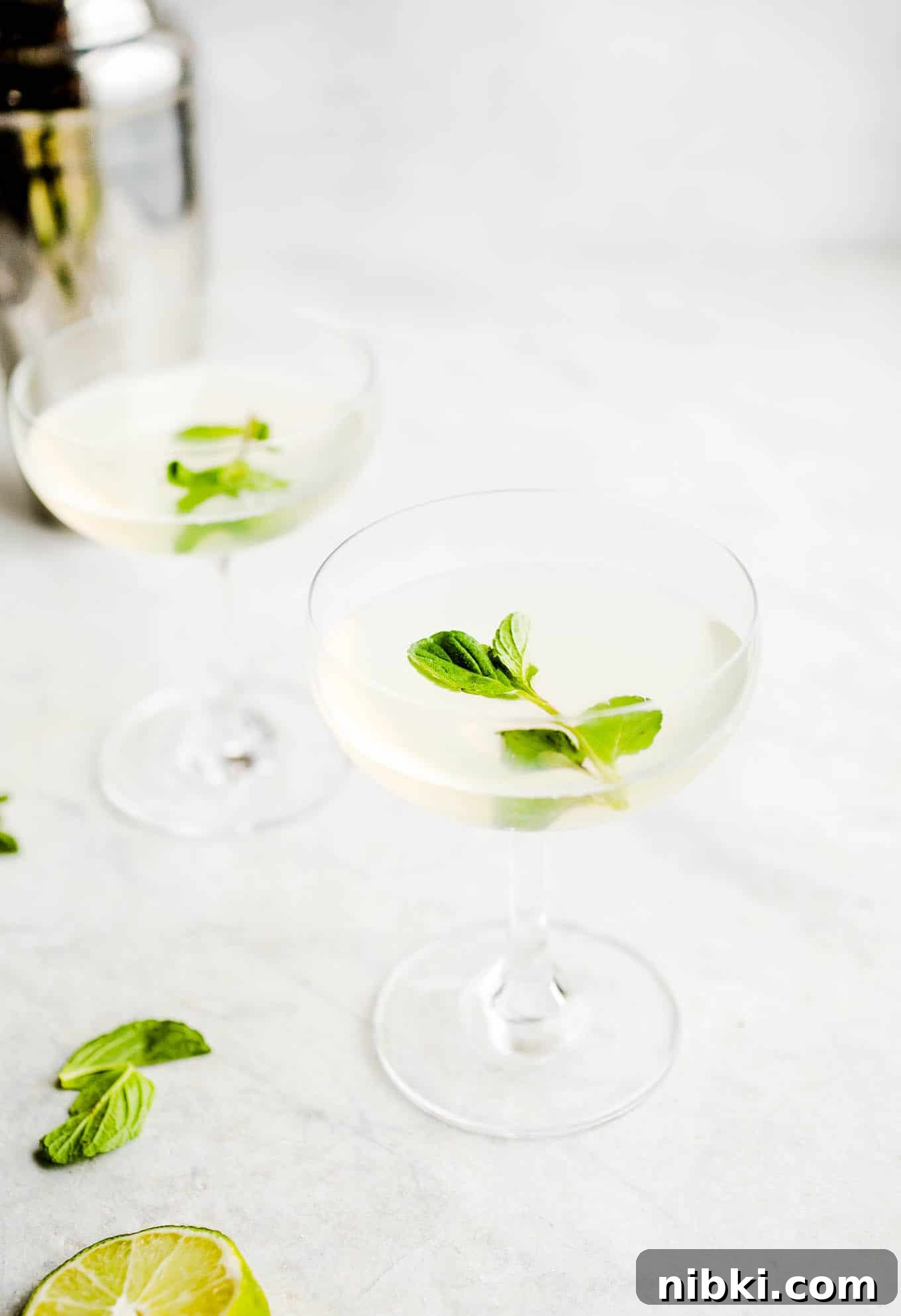
Know Which Alcohol is GF
Alcohol can be fermented or distilled, and that distinction affects whether it is considered gluten-free. Distillation removes proteins from the starting grain, so many distilled spirits are treated as gluten-free. However, some highly sensitive people may still react to certain spirits made from gluten-containing grains.
Fermented drinks depend on their base ingredients: beverages made from gluten grains are not inherently safe unless specifically produced without those grains. Examples to consider:
Distilled Alcohols
Common distilled spirits that are generally considered gluten-free include gin, vodka, tequila, whiskey, bourbon, rum and brandy, as well as many cordials and liqueurs. Individual tolerance varies, so test cautiously if you are sensitive.
Fermented Alcohol
Fermented beverages that are gluten-free include wines and true hard ciders. Gluten-free beers are brewed without malted barley. Drinks that should be avoided unless clearly labeled gluten-free include regular beers, malted beverages, and flavored malt beverages that contain barley-derived ingredients.
Learn to Eat Out GF
- Plan ahead: review menus online or call the restaurant to ask about gluten-free options and kitchen practices.
- Ask how dishes are prepared and what steps staff take to avoid cross-contact.
- Be cautious: a gluten-free menu item does not guarantee a separate prep area or dedicated fryer, so confirm specific practices.
- When in doubt, choose simple dishes with whole-food ingredients and request that staff take precautions.
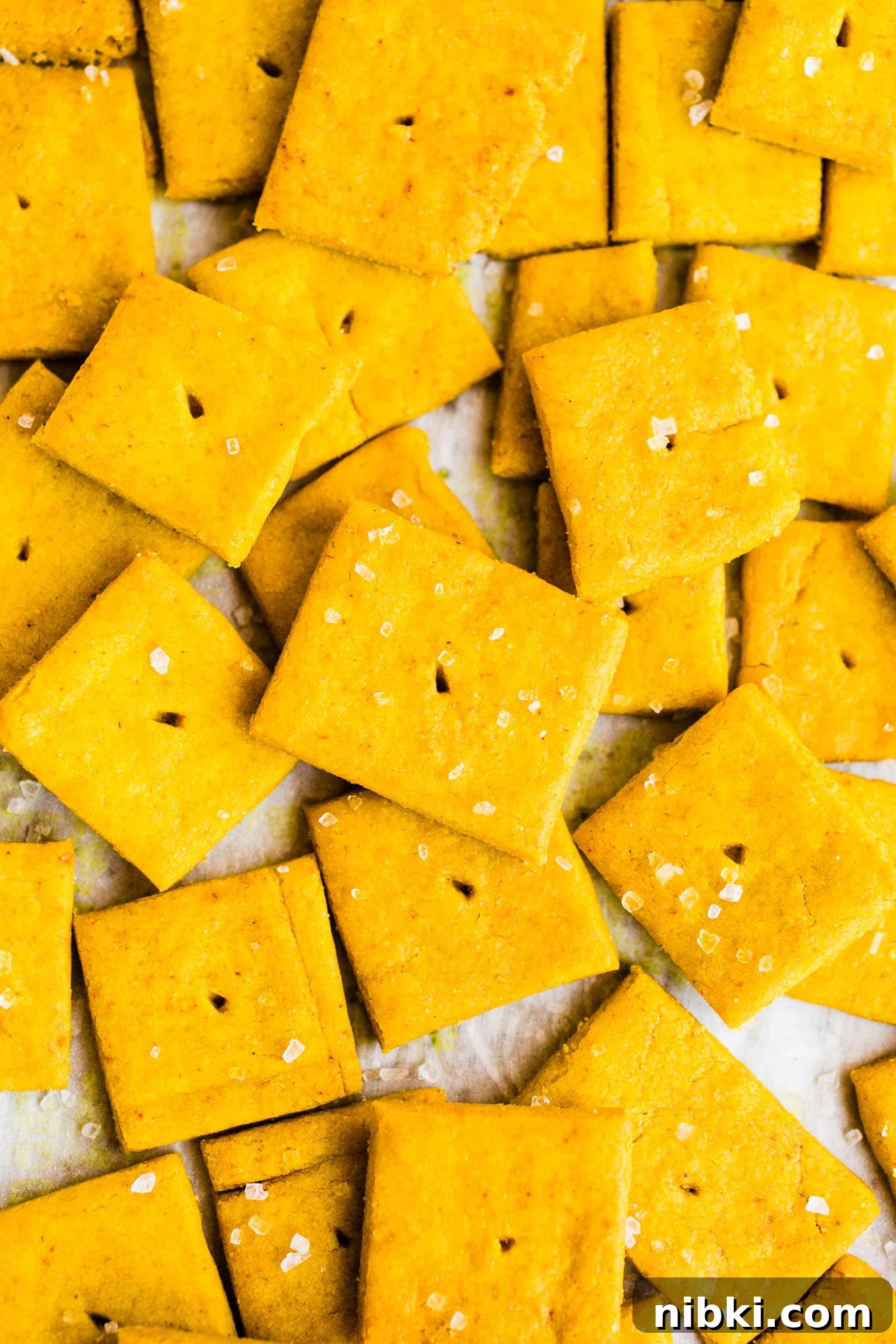
Always Have GF Snacks On Hand
Carrying safe snacks can prevent uncomfortable situations when safe food options aren’t available. Keep portable items like fresh vegetables, nuts, certified gluten-free granola bars, or prepackaged GF snacks in your bag, car or desk so you always have a reliable option.
Find Brands You Trust
Identify certified gluten-free and consistently reliable brands you like. Once you have trusted products, grocery shopping becomes faster and less stressful. Look for clear gluten-free labeling or third-party certification for added confidence.
Educate Yourself
Learn from reputable organizations, healthcare providers and experienced community members about celiac disease, gluten sensitivity and safe gluten-free practices. Reliable education helps you read labels effectively, choose safe products, manage dining out, and maintain a balanced gluten-free diet.
With time and planning, a gluten-free lifestyle can become straightforward and sustainable. Use these tips as a starting point, and adapt them to your personal needs and medical advice.