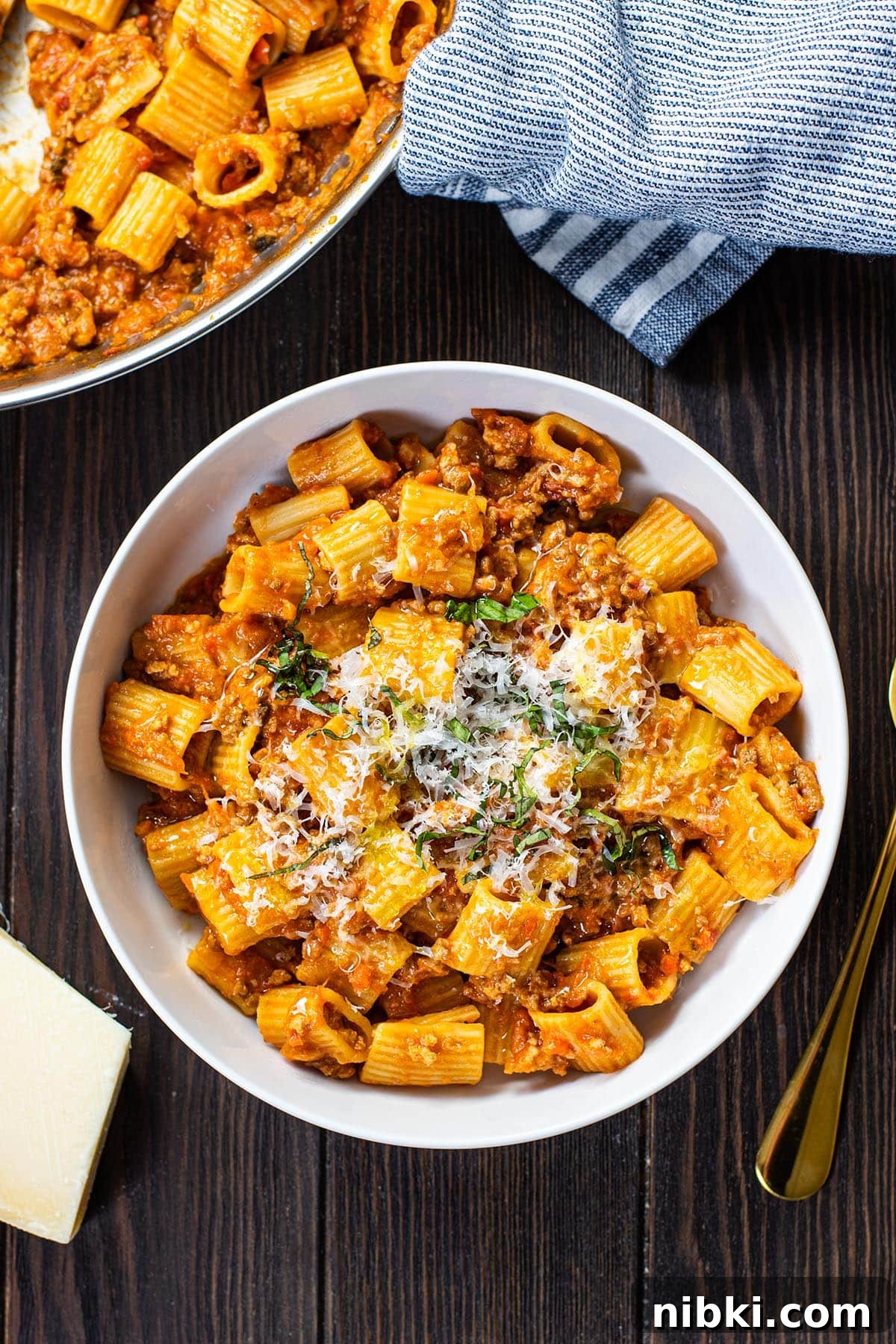
My Rigatoni Bolognese is a simple yet elegant dish that’s perfect for a date night or a cozy dinner at home. It features a rich, slow-simmered homemade bolognese sauce tossed with al dente rigatoni, finished with fresh basil, freshly grated Parmesan, and a drizzle of good olive oil. Bolognese requires little hands-on work but benefits from time on the stove so the flavors deepen and the sauce develops a silky texture.
Over the years I’ve learned to keep this sauce straightforward: let quality tomatoes, ground meat, and a bit of fat do the work. The technique is influenced by classic, minimalist tomato sauces that focus on few ingredients cooked patiently. If you prefer other pastas, this sauce is versatile — it works wonderfully with rigatoni, pappardelle, gnocchi, or linguine.
Ingredient Notes & Substitutions
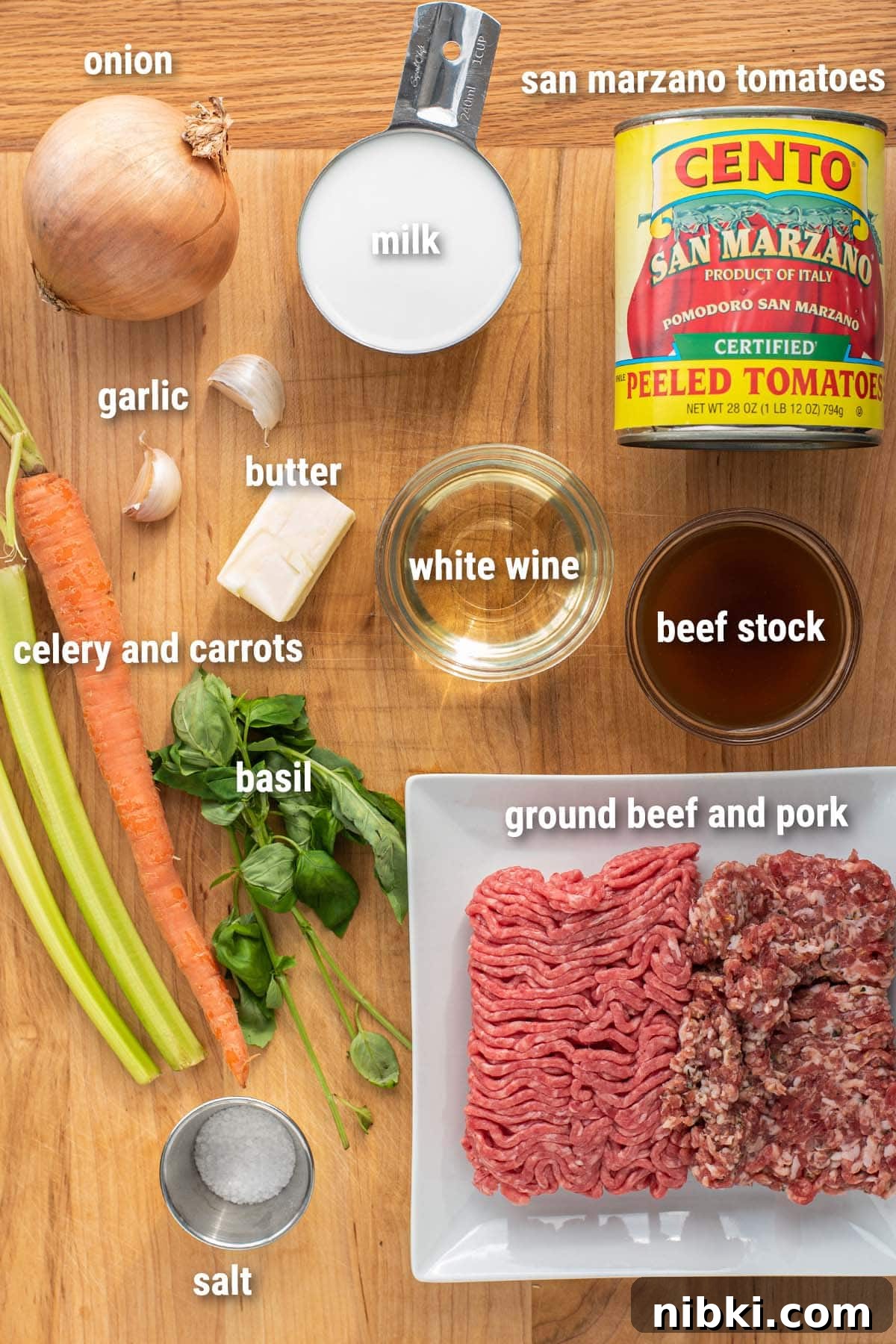
- Rigatoni (or other pasta): Rigatoni’s ridges hold this chunky sauce nicely, but feel free to use pappardelle, gnocchi, or linguine depending on what you have.
- Ground beef and sausage: A 50/50 mix of beef and sweet Italian sausage gives both texture and flavor. You can use all beef or all pork if you prefer. Aim for about 85% lean beef for good flavor without excess grease. For a spicier note, choose a spicy Italian sausage.
- San Marzano tomatoes: Canned San Marzano tomatoes are prized for their balance of sweetness and acidity and are ideal for sauce. If you can’t find them, use the best-quality crushed or whole peeled tomatoes available.
- Whole milk: Adding whole milk is traditional and helps soften the acidity of the tomatoes while adding creaminess. A splash of heavy cream can be used for extra richness.
- Beef stock: Stock or broth adds depth. Beef stock is preferred, but chicken stock or good-quality broth will work.
- Aromatics: Yellow onion, celery, and carrot form the classic soffritto base. Finely dice these vegetables so they meld into the sauce.
- Dry white wine: A dry white like Pinot Grigio or Sauvignon Blanc is used to deglaze the pan and lift the browned bits. The alcohol cooks off during simmering. A dry red wine can be used if you prefer.
- Fresh herbs: Fresh basil or parsley are best for finishing. Avoid relying on dried herbs for the same bright finish.
See the recipe card below for full ingredient quantities and the complete method.
Watch How to Make Bolognese
A short demonstration can make the techniques clearer: you’ll see how the vegetables are cooked gently, how the meat is broken down to small pieces, and how the sauce simmers to the proper consistency. If you prefer learning by watching, look for a concise video that covers these key steps.
How to Serve Bolognese
For the best presentation and texture, finish the pasta in the sauce rather than spooning sauce over the pasta on the plate. After cooking the pasta to al dente, reserve a cup of the starchy pasta water, then combine pasta and sauce in a pan over low heat with a splash of the reserved water. The starch helps emulsify the sauce, creating a glossy coating that clings to each piece of pasta. Serve garnished with fresh basil, a generous grating of Parmesan, and a drizzle of olive oil.
Expert Tips
- Use a large Dutch oven or a heavy, high-sided pan for even cooking and comfortable stirring as the sauce simmers for hours.
- Dice the onion, celery, and carrot very finely so they meld into the sauce rather than standing out as distinct chunks. A food processor speeds this up.
- Simmer the sauce gently for 2–3 hours. Low, steady heat tenderizes the meat and concentrates the flavors; the perfect consistency is thick and hearty, similar to a sloppy joe, not runny.
- If the sauce seems greasy, you can skim excess fat from the surface as it cooks, but a little fat carries flavor and richness.
- Break the meat down into very small pieces as it browns so the finished sauce feels silky and cohesive rather than chunky.
- If you only find sausage in casings, remove the casing and crumble the meat into the pan to brown.
More Pasta Recipes
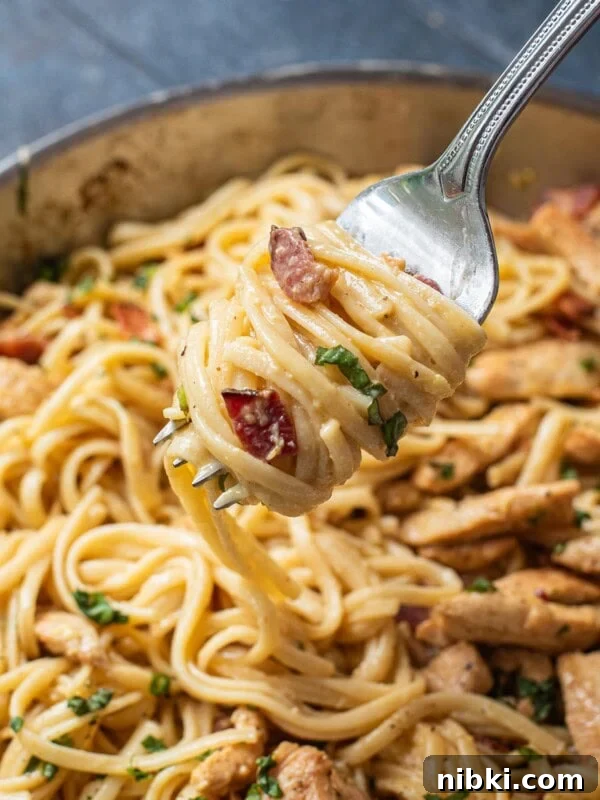
Creamy Chicken Carbonara
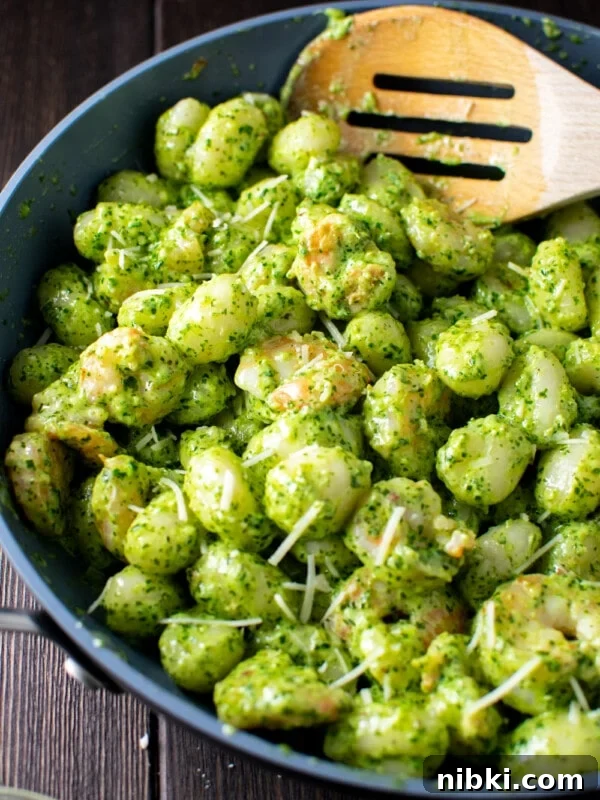
Pesto Gnocchi with Shrimp
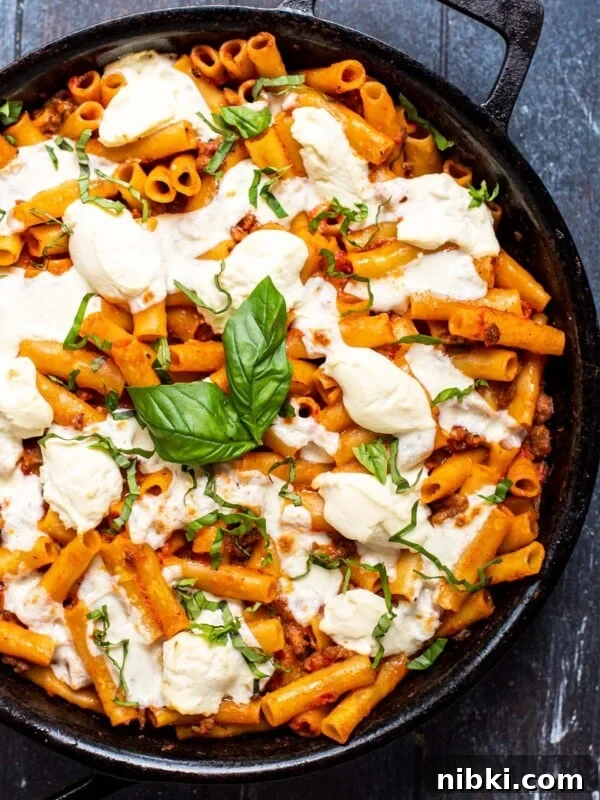
No Boil Baked Ziti
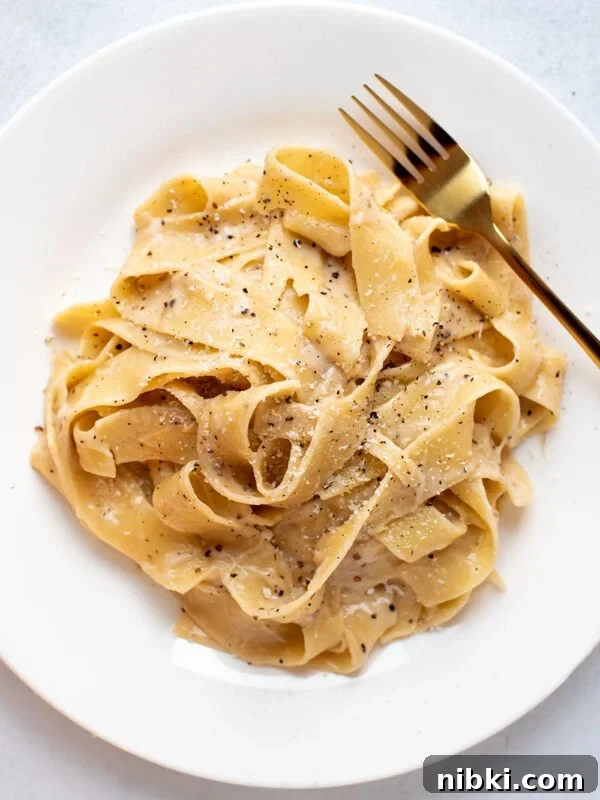
Pappardelle Cacio e Pepe
Enjoy this recipe? If you make it, please leave a star rating in the recipe card below and share a review in the comments!
Rigatoni Bolognese
By: Shawn Williams
Servings: 6
Prep: 15 mins | Cook: 2 hrs | Total: 2 hrs 15 mins
Summary: Rigatoni Bolognese is a comforting, elegant pasta dish with a slow-simmered meat sauce, fresh herbs, and a creamy finish from milk or a touch of cheese. It’s great for feeding a small crowd or for a special weeknight meal.
Ingredients
- 1 pound rigatoni (or pappardelle, gnocchi, or linguine)
- 1/2 pound 85% lean ground beef
- 1/2 pound ground sweet Italian sausage
- 4 ounces pancetta, diced (optional)
- 1 28-ounce can San Marzano tomatoes, juices included
- 1 cup whole milk
- 1 cup beef stock or broth
- 1 medium yellow onion, finely diced
- 2 celery stalks, finely diced
- 1 large carrot, finely diced
- 1/2 cup dry white wine
- 8–10 fresh basil leaves, chopped
- 2–3 cloves garlic, minced
- 3 tablespoons butter
- Salt and pepper, to taste
- Freshly grated Parmesan cheese, for topping
- Olive oil, for drizzling
Instructions
- In a large Dutch oven or heavy pot, melt the butter over medium-low heat. Add the minced garlic, finely diced onion, celery, and carrot. Cook gently for 3–4 minutes until the vegetables soften but do not brown.
- Increase the heat to medium and add the ground beef and sausage (and pancetta if using). Season with salt and pepper. Brown the meat, breaking it up into very small pieces with the edge of a wooden spoon or spatula. Cook until the meat is no longer pink, about 5 minutes.
- Pour in the white wine to deglaze the pan, scraping up any browned bits from the bottom. Let the wine reduce until the pan is nearly dry, about 5 minutes.
- Add the canned tomatoes and crush them with your spoon into smaller pieces. Stir in the beef stock, milk, and chopped basil. Reduce the heat to the lowest setting so the sauce barely simmers.
- Let the sauce simmer uncovered for 2–3 hours, stirring every 30 minutes. The sauce is ready when it is thick and the spoon leaves a clean path on the bottom of the pot. Taste and adjust salt and pepper as needed. Optionally skim excess fat if it feels too greasy.
- When you are ready to serve, bring a large pot of salted water to a boil and cook the rigatoni until al dente. Reserve about 1/2 to 1 cup of the pasta cooking water before draining.
- Return the drained pasta to a pan or large bowl over low heat, add the bolognese sauce and a splash of reserved pasta water. Toss until the pasta is fully coated and the sauce becomes slightly creamy and glossy.
- Plate the pasta and finish with chopped fresh basil, a generous grating of Parmesan, and a drizzle of olive oil. Serve immediately.
Notes
I prefer making this in a Dutch oven because it distributes heat evenly and handles long simmering times well. If you have a food processor, use it to finely dice the soffritto (onion, carrot, celery) together with the garlic to save time.
The meat should be broken down into very small, almost granular pieces so the final sauce is smooth but still meaty. If you only have Italian sausage in casings, simply remove the casings and crumble the meat into the pan before browning.
Simmering time is important: low and slow yields the best texture and flavor. If the finished sauce is too thin, simmer a bit longer until it reaches the right consistency.
Nutrition
Nutrition information is an approximation per serving:
- Calories: 669 kcal
- Carbohydrates: 74.3 g
- Protein: 31.4 g
- Fat: 25.5 g (Saturated fat: 9.4 g)
- Cholesterol: 74 mg
- Sodium: 767 mg
- Fiber: 8 g
- Sugar: 14.7 g
Additional Info
Course: Dinner | Cuisine: Italian