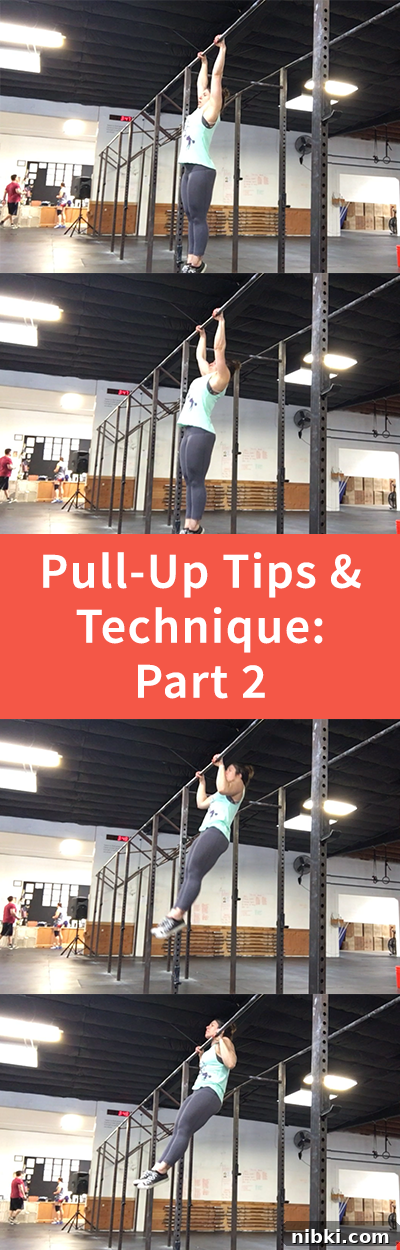
These pull-up tips and technique pointers are designed to help women achieve their first pull-up by improving efficiency, safety, and body control.
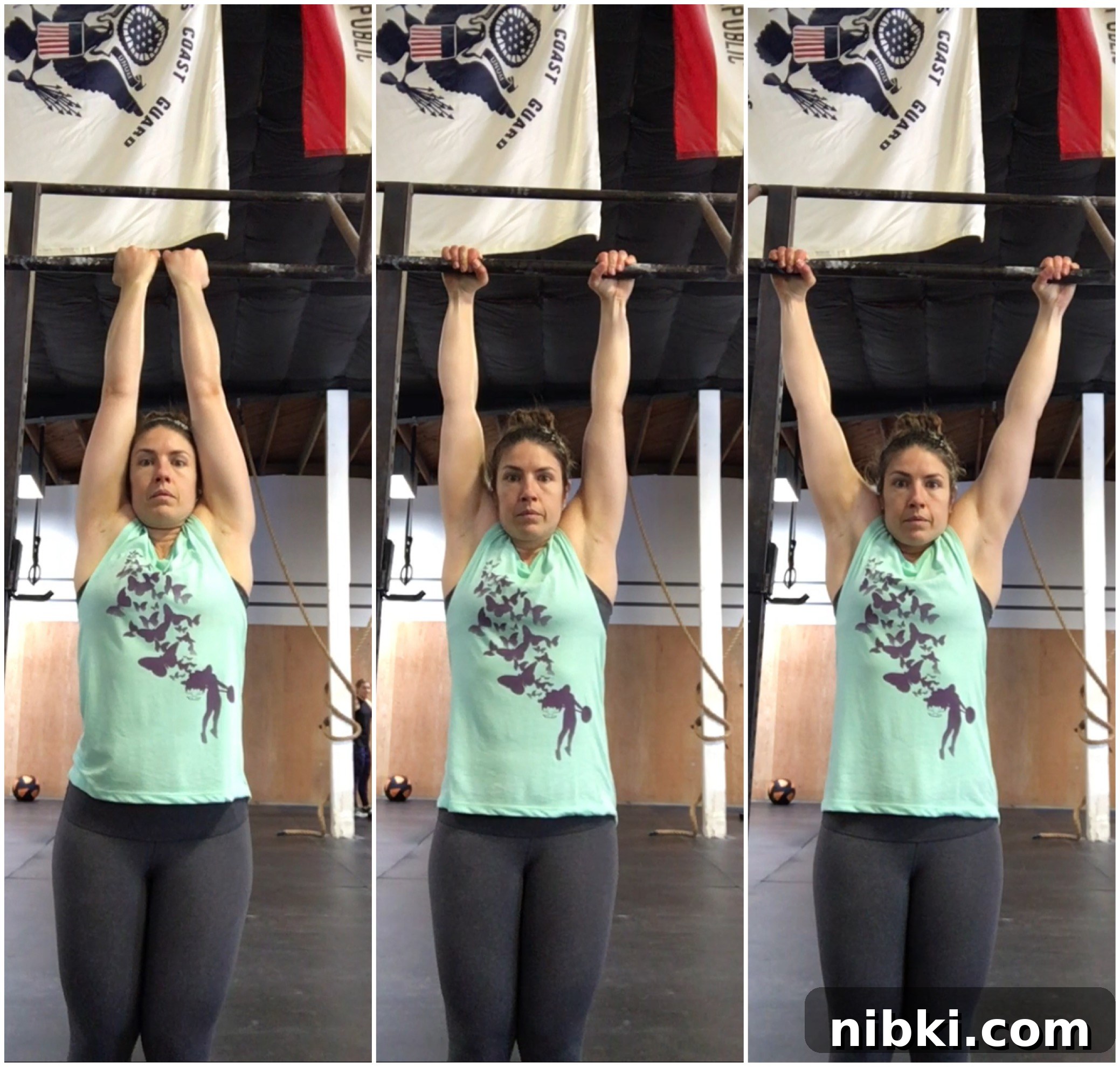
This is Part 2 of the pull-up series, focused on the finer technical points that make the chin-over-bar moment achievable. If you haven’t read the previous installment, review How to Do a Pull-Up: Part 1 first for drills that build a hollow body position. Look for Part 3 for assisted variations and accessory work to accelerate progress.
Pretty Ugly
Yes, you can do a “ugly” pull-up—one with a broken body position—and it will move muscles and build some strength. But for a complete beginner, improving technique makes the movement more efficient, easier, and safer. Good form reduces unnecessary stress on joints and lowers the risk of injury, so aim for controlled, tidy movement as you learn.
Below are practical technique tips to apply piece by piece.
Pull-Up Tips & Techniques for Women
Hand Position
Always avoid positions that feel painful. Hand placement and grip type are crucial because your hands are the only point of contact with the bar.
You can use an underhand or supinated grip (chin-up), where palms face you. This recruits more biceps, usually making the pull-up easier for beginners. Start narrow with this grip and widen as you gain strength.
An overhand or pronated grip (pull-up) places more demand on the lats, which can be harder to activate for beginners. A mixed grip is another option for later stages if comfortable.
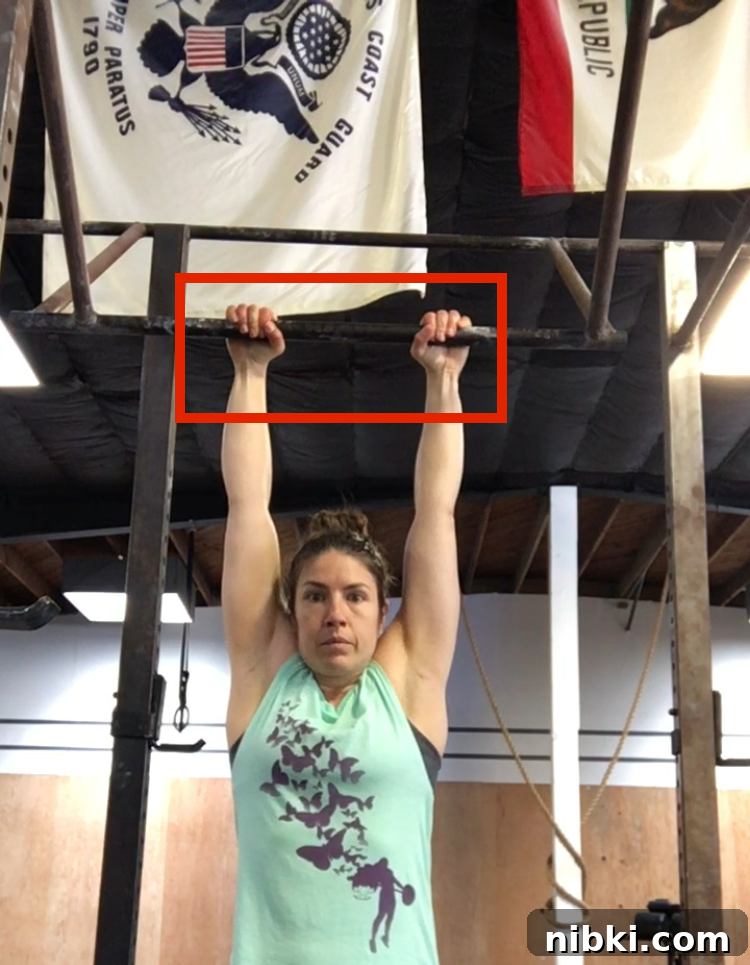
Knuckles On Top
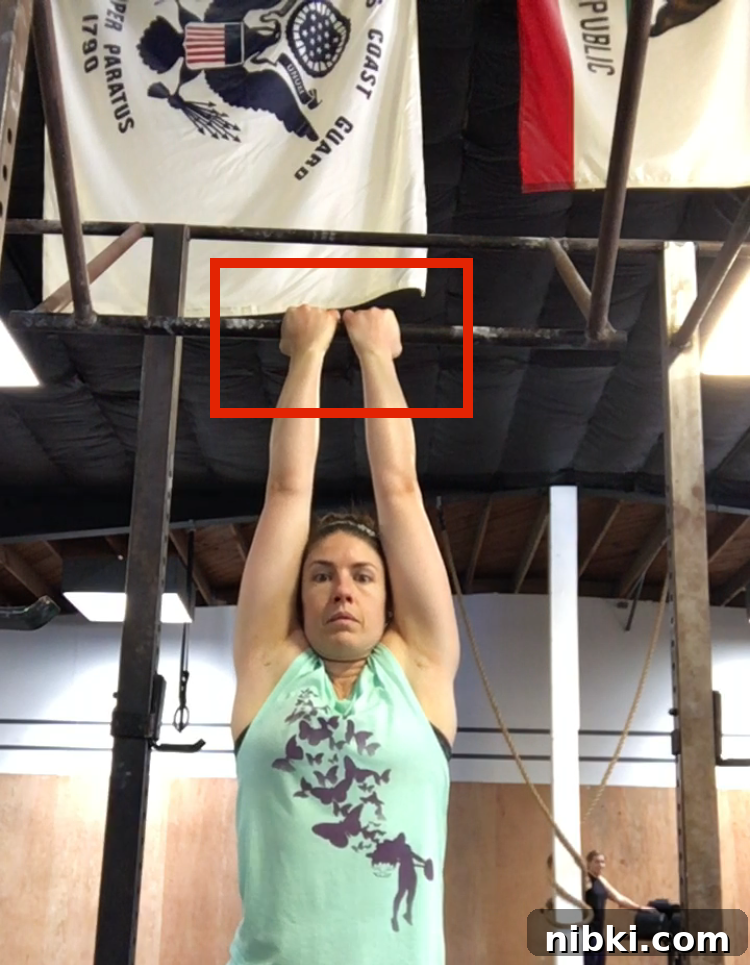
One often overlooked tip is placing your knuckles on top of the bar. This hand orientation shortens the lever arm, helps externally rotate the shoulder, and makes it easier to generate torque by pulling the shoulder blades down and together. It also makes it easier to hold a hollow body position.
Wrap your thumb around the bar over your index finger when possible to strengthen your grip. If the bar is very thick and your hands are small, you may not be able to wrap the thumb fully—still aim to get your knuckles on top rather than hanging from your fingertips.
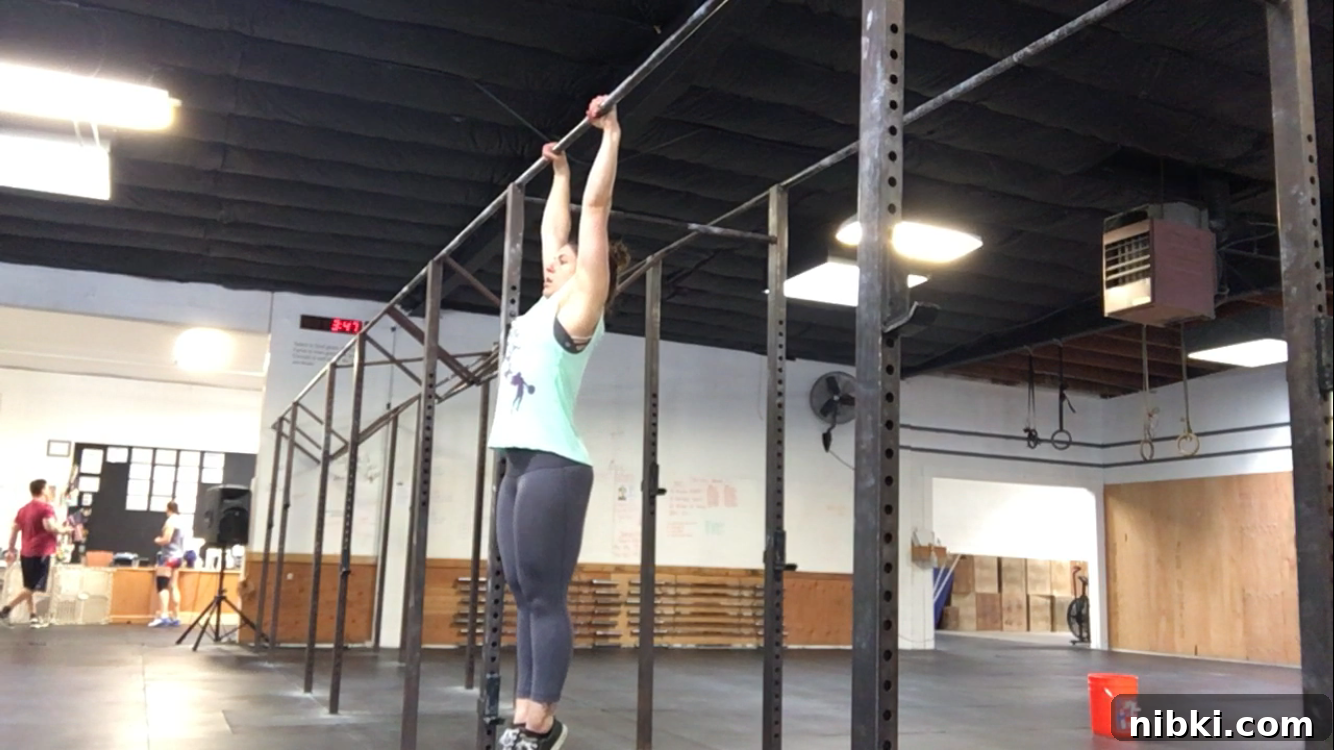
Compare that to hanging from the fingertips, which lengthens the lever and makes initiating the pull more difficult. Fingertip pull-ups are an advanced skill and not necessary when you’re learning your first full pull-up.
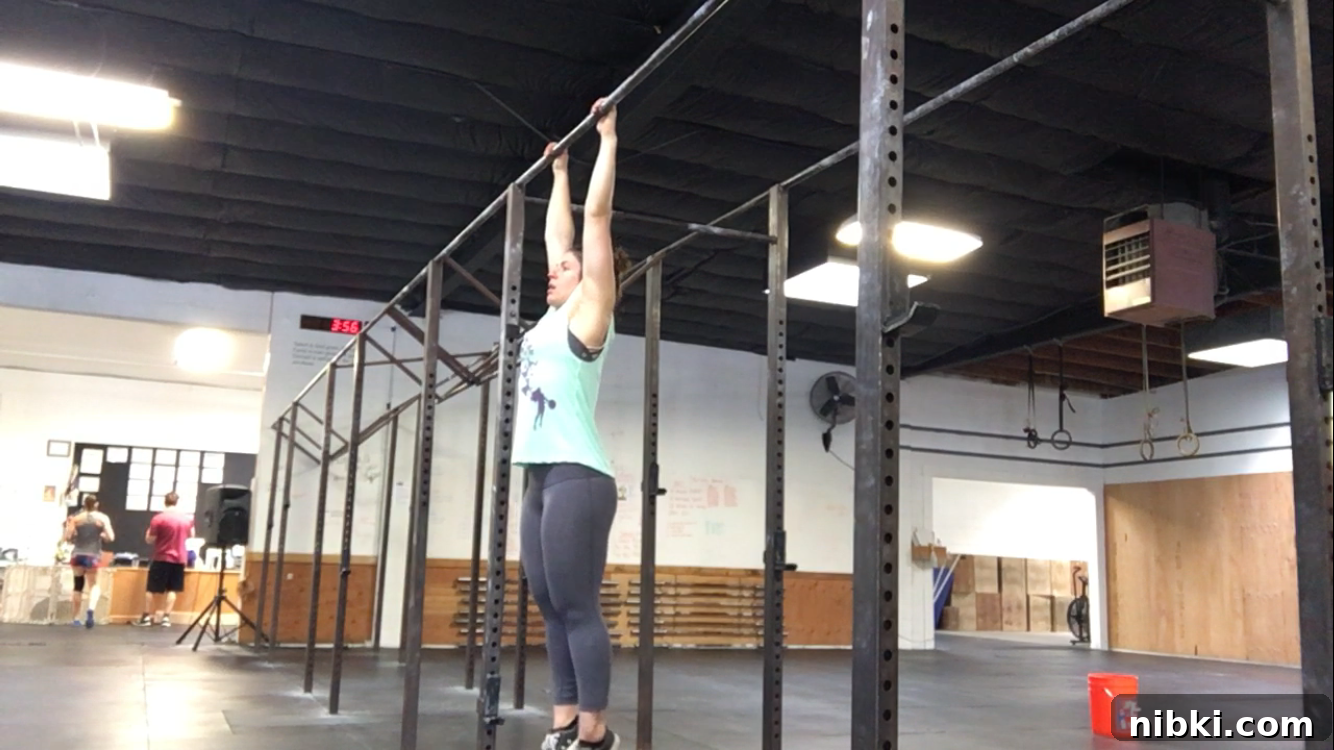
Grip Width
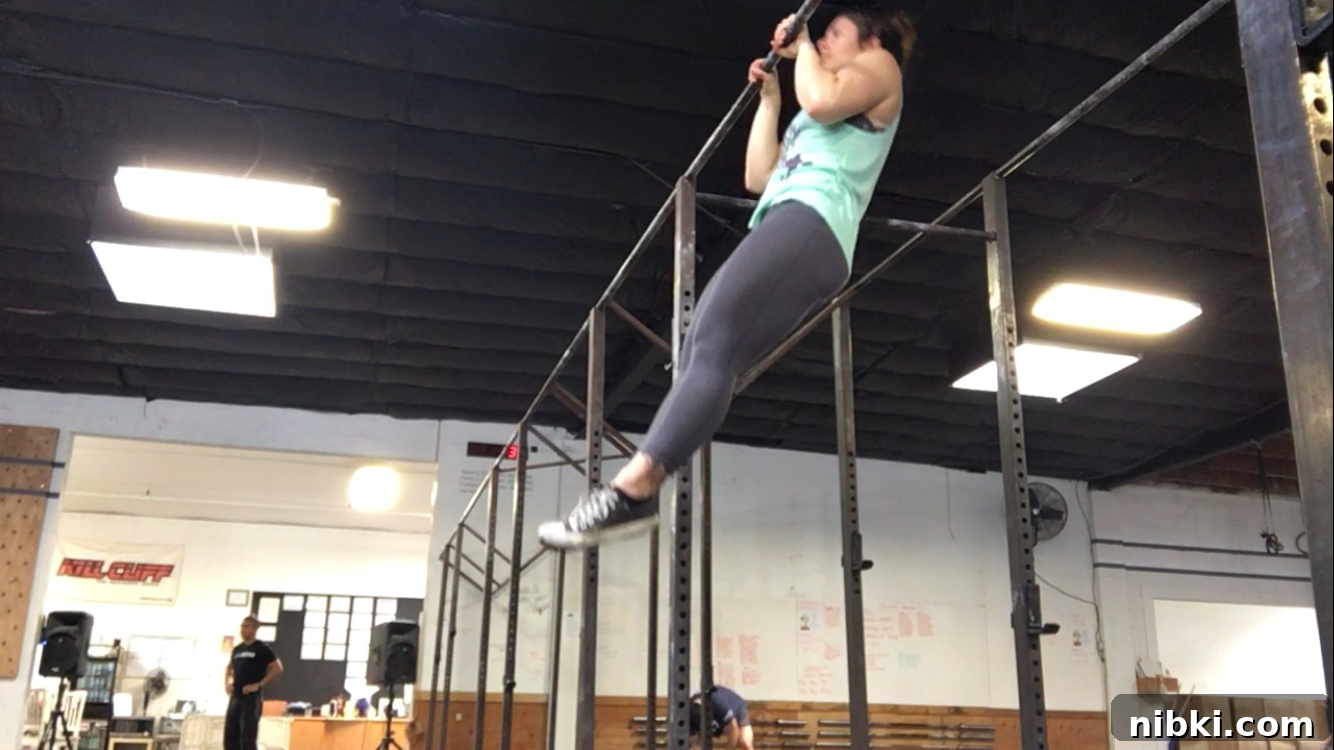
Grip width dramatically affects difficulty. In general, narrow grips are easier than wide grips. Start with a narrow, chin-up grip and gradually move toward neutral and wider positions as your lats and upper-back strengthen.
Begin with hands close together in a supinated (chin-up) grip. As you get stronger, progress to a neutral grip—hands directly overhead with knuckles on top—so you can emphasize the lower lat and reduce biceps involvement.
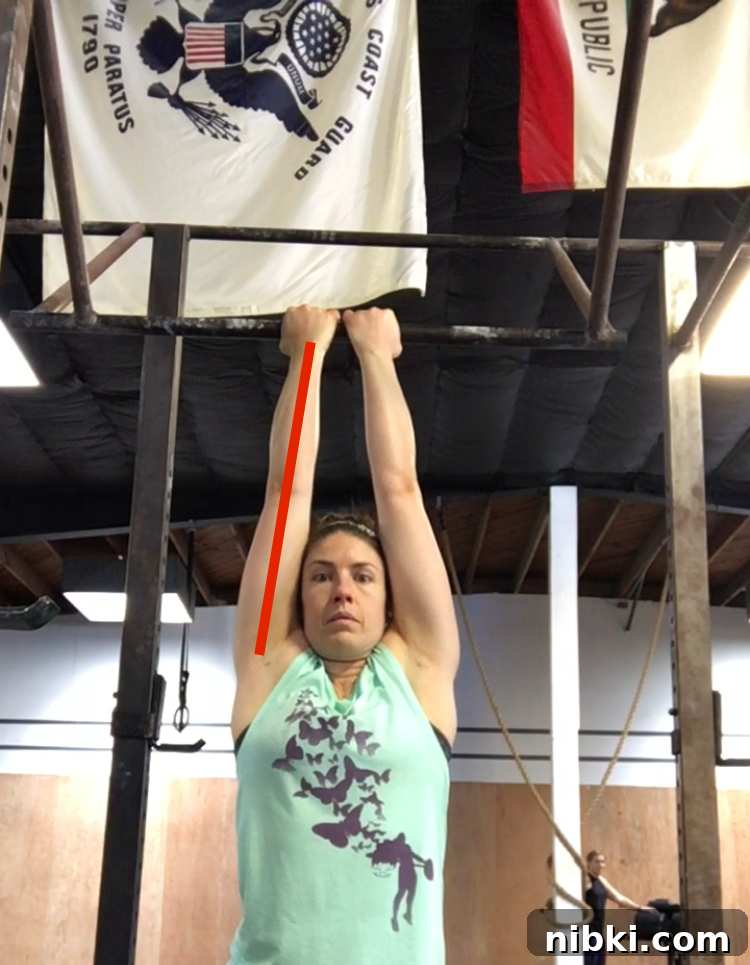
Widening the hands past neutral increases upper-lat demand. Although a wider grip shortens the hanging distance, it requires much greater lat strength and is generally not recommended until you’ve mastered neutral grip pull-ups. Use wide grips later for variety, static holds, or negatives once you have a solid base.
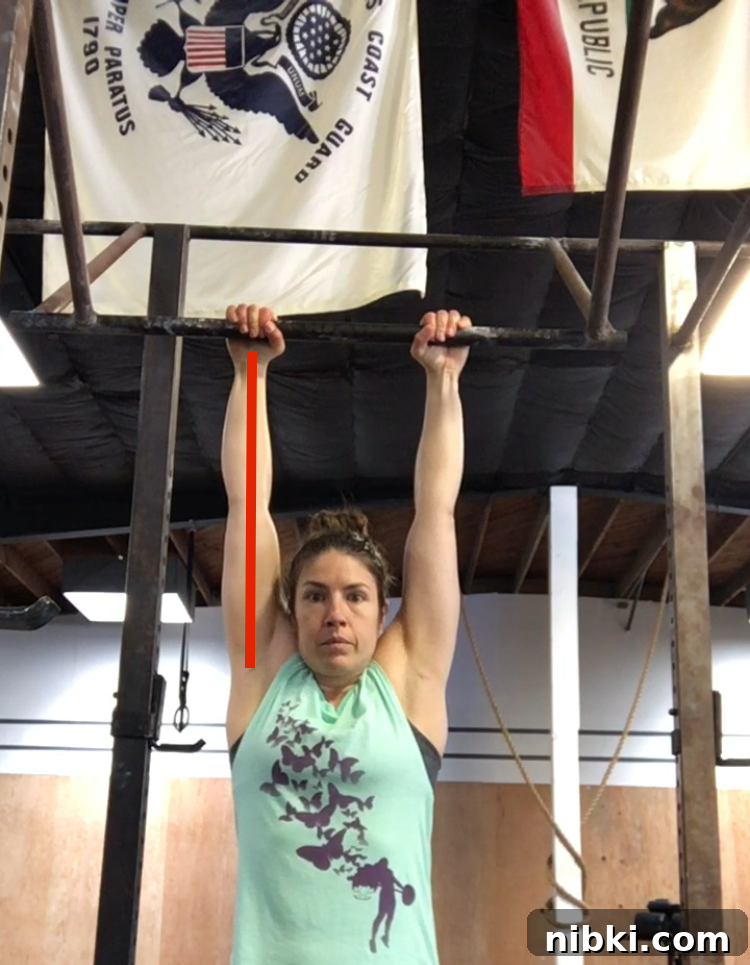
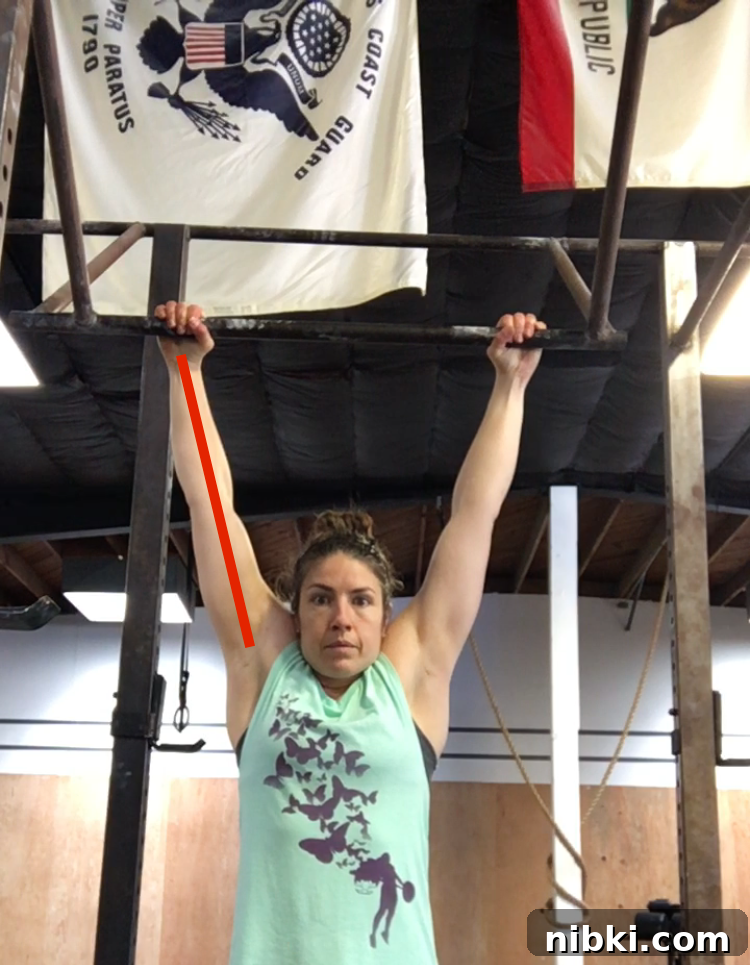
Body Position
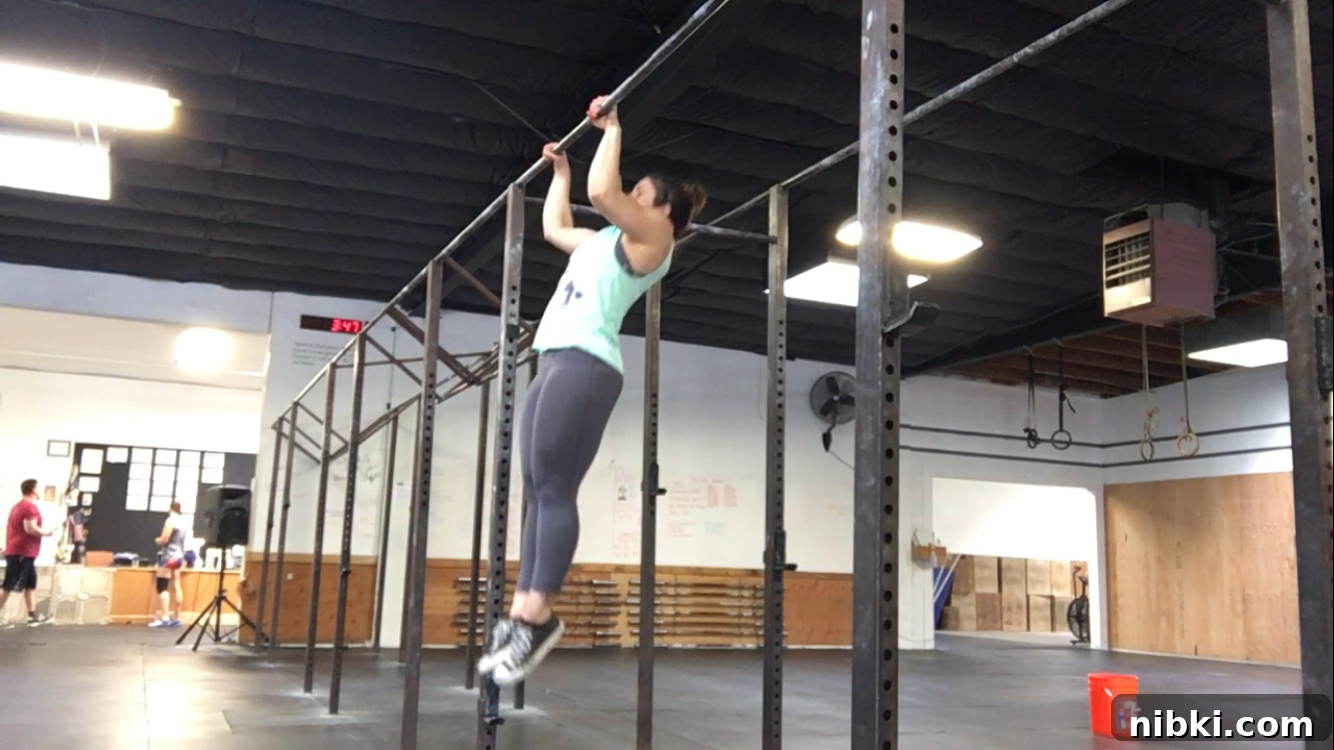
Tension and alignment matter. A hollow body position—tight core, glutes squeezed, legs together and pointed—keeps the body compact and efficient. A floppy or hyperextended lower body makes the pull feel heavier and puts the low back at risk.
Key cues to follow:
- Neutral grip preference for beginners with knuckles on top and thumbs wrapped when possible.
- Brace the trunk, squeeze the glutes, keep feet together and toes pointed.
- Initiate the pull by drawing the shoulder blades down and together, then bend the elbows while keeping them close to the body.
- Maintain a neutral neck—avoid jutting the chin—and keep the body in a hollow position throughout the movement.
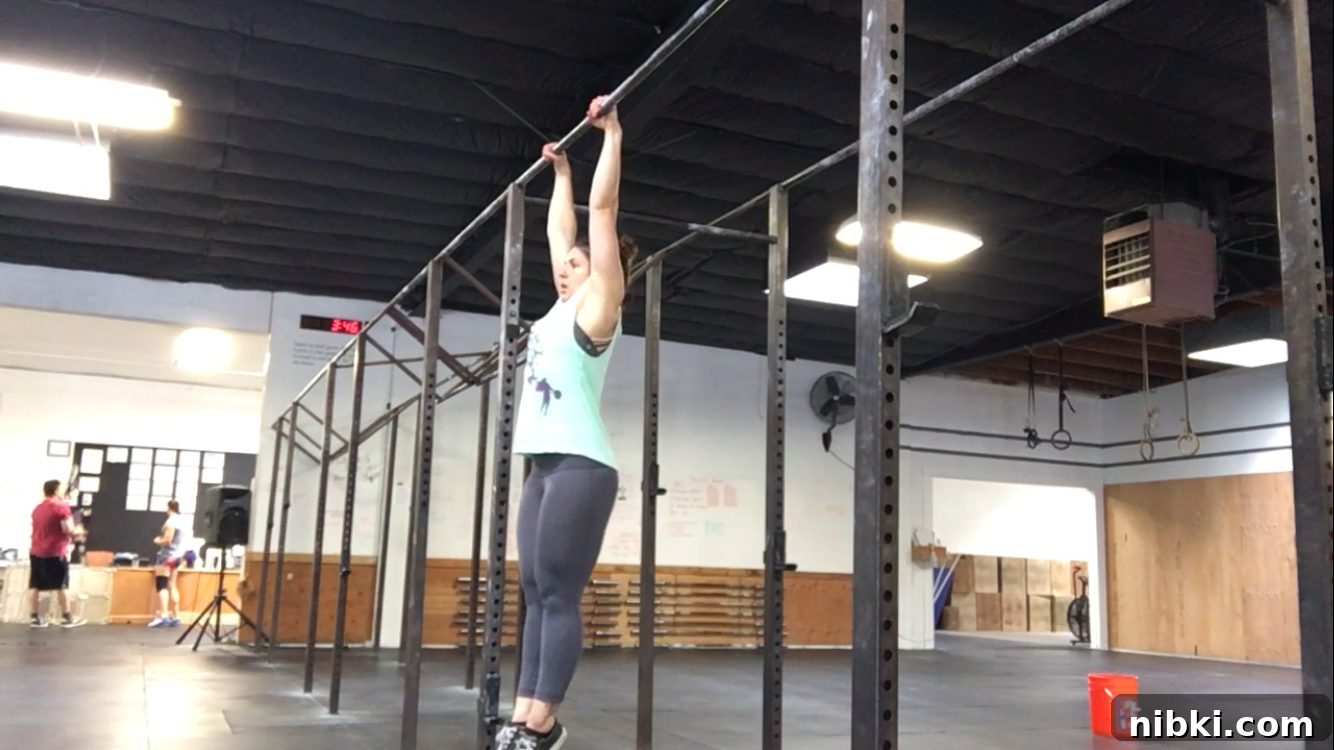
As you pull, your upper body will naturally lean back slightly and your feet will move forward to counterbalance. Keep elbows tucked and the torso tight to protect the lower back. Tightness below the waist is essential—don’t allow the hips or knees to collapse.
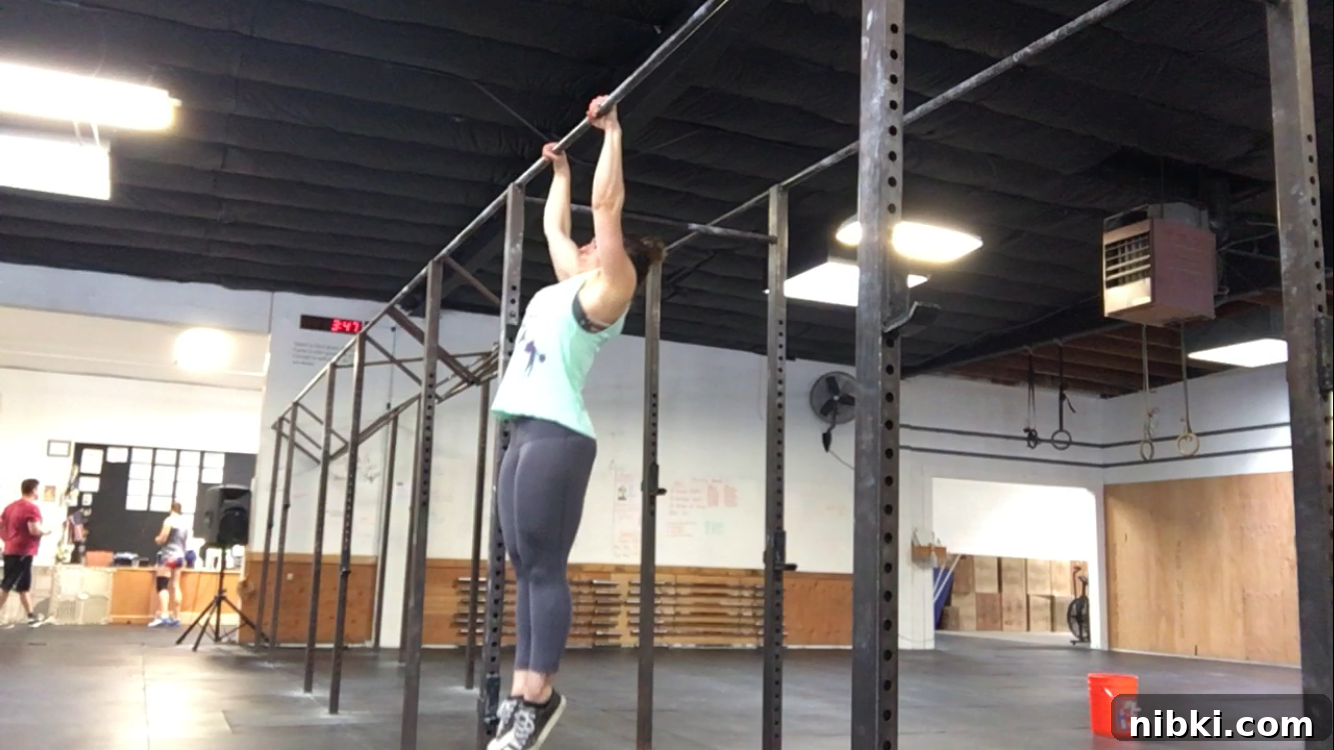
Pull until your chin clears the bar while maintaining the hollow position, then lower with control. Practicing these elements—knuckles on top, shoulder-blade initiation, elbows close, and core tension—makes the ascent smoother and the descent safer.
To Summarize Pull-Up Techniques for Women
These essential points will help you build an efficient, safer first pull-up and make it easier to troubleshoot progress:
- Grip type: chin-up (supinated) is often easier than pull-up (pronated).
- Grip width: start narrow, progress to neutral, delay wide grips until stronger.
- Knuckle position: get knuckles on top of the bar and wrap the thumbs when possible.
- Body position: maintain a hollow body, keep elbows close, and initiate with shoulder blades.
Review Part 1 for hollow body drills and look for Part 3 for accessory movements and assisted variations that complement these technique points. Observing well-executed pull-ups closely can help you internalize the cues and apply them to your own training.
Pin this Pull-Ups Tips & Technique Tutorial For Later