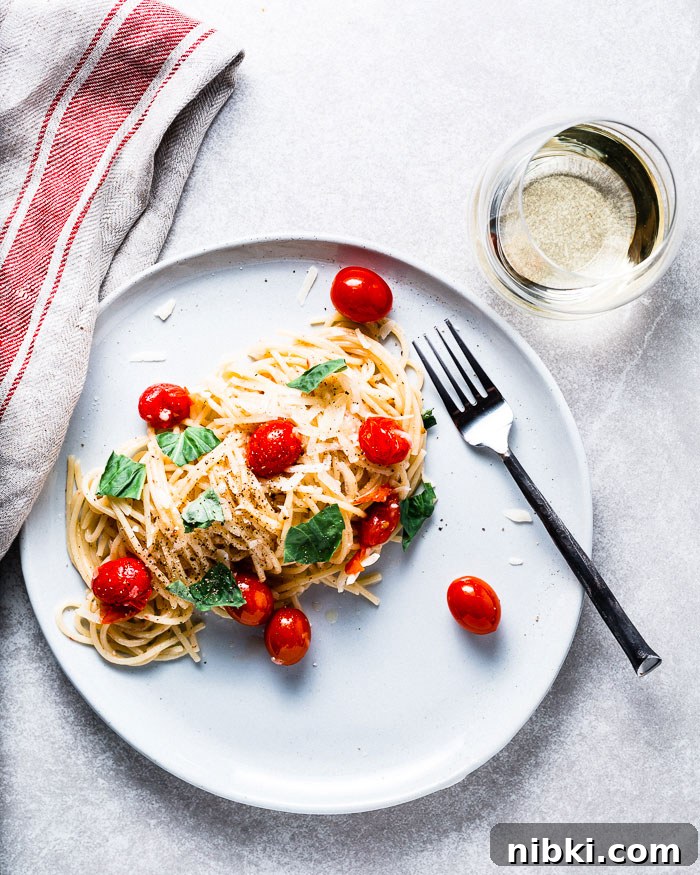
Food lovers recognize that moment when a dish is perfectly balanced—textures, flavors and aromas aligning so well you find yourself savoring each bite. Wine lovers feel the same when a glass delivers balance and nuance. Pairing food and wine brings those two pleasures together, enhancing the overall dining experience.
Picking the right bottle comes down to understanding basic wine characteristics and the dominant elements of your dish. The goal is to avoid clashes that make flavors seem flat or out of sync. Some combinations simply mute or amplify traits in an unpleasant way—think how minty toothpaste ruins a sip of orange juice. That said, there are no absolute rules: personal preference matters most, and experimenting is part of the fun.
Look for Complementary Elements
The old guideline “white with fish, red with red meat” is a useful starting point but not a strict law. Matching the weight and key flavor components of food with a wine—lighter with lighter, richer with fuller—usually works well. Focus on four main elements:
- Acidity: Wines with higher acidity feel bright and refreshing. Acidic wines cut through tomato-based sauces and oily textures, which is why an acidic Italian red like Chianti complements spaghetti with tomato sauce.
- Tannins: Common in many red wines, tannins create an astringent or drying sensation. They can clash with delicate seafood and exaggerate bitterness, but they pair beautifully with fatty or protein-rich foods like aged cheeses and rich red meats because fat softens tannic structure.
- Sweetness: A touch of sweetness in wine can tame spicy heat and balance salty-sweet contrasts. Off-dry rosés and Rieslings excel with spicy Asian dishes. Conversely, a very sweet wine should be reserved for dishes at least as sweet as the wine to avoid unpleasant sourness.
- Alcohol: Higher-alcohol wines can intensify the perception of heat and make a spicy meal feel hotter. For spicy cuisine, lower-alcohol or slightly sweet wines—off-dry Riesling, sparkling wines or rosé—generally perform better. There are exceptions: bold, ripe reds like Zinfandel can work with sweet-spicy BBQ thanks to their fruity profile and lower tannins.
Salt enhances many wines by softening sharp acidity and smoothing mouthfeel. A crisp New Zealand Sauvignon Blanc, for example, often feels rounder with salty dishes. Sweet wines can also moderate saltiness, so a semi-sweet Riesling or rosé can rescue an overly salty bite.
Light with Light
Lighter meats and delicate preparations pair best with lighter-bodied wines. Simple chicken dishes with herbs, light fish or salads suit lean, high-acid whites such as Sauvignon Blanc, Riesling, Pinot Grigio, Albariño or Vinho Verde. These wines preserve subtle flavors without overpowering them. Red wines with heavy tannins or intense structure can mask delicate proteins and clash with vegetal bitterness.
Try pairing fish tacos with Vinho Verde or a crisp Sauvignon Blanc—the citrus and green notes play nicely with fresh lime and white fish.
Heavy with Heavy
Rich, fatty meats call for fuller-bodied, more structured wines. A marbled steak stands up to a robust Cabernet Sauvignon because the fat tempers tannins and the wine’s structure balances the meat’s intensity. For leaner grilled beef, a softer red like Merlot may be a more harmonious match.
Pairings to avoid: High-tannin reds can make fish taste metallic or overly “fishy.” With seafood, white wines—Chardonnay, Riesling, Sauvignon Blanc—or low-tannin reds such as Pinot Noir and Gamay are safer choices.
Chicken can pair well with reds depending on the sauce and seasoning.
Consider the Sauce
The sauce or seasoning often dictates the best wine more than the protein itself. A light, citrusy sauce favors bright, acidic whites, while a creamy, buttery sauce pairs beautifully with oaked Chardonnay or even a brut sparkling wine for a palate-cleaning effect. Spicy, sweet or tangy sauces call for wines that complement those dominant flavors—off-dry whites, rosés or fruity reds.
Congruent pairings—matching like with like—tend to harmonize (for example, a creamy sauce with an oaked Chardonnay).
Barbecue and bold, smoky dishes often match wines that echo those flavors. California Zinfandel and Petite Sirah, with ripe fruit and savory spice, are natural with smoky, sweet BBQ. Always ask: is the sauce salty, tangy, spicy or buttery? That answer will steer your wine choice.
Tip: avoid high-alcohol, high-tannin reds with spicy foods.
Other Flavors
Fatty fish like salmon pair well with fuller, yet acidic whites—unoaked Chardonnay or dry rosé offer enough body to match the fish while cutting through the fat. Mushroom-based sauces are a different route: their earthy character finds affinity with lighter, earthier reds like Pinot Noir or Gamay.
Pinot Noir is famously food-friendly and especially good with mushroom dishes.
Smoked foods range in intensity and call for wines that match. Rich smoked brisket works with full-bodied reds such as Bordeaux blends or Cabernet, while lighter smoked pork fits medium-bodied reds like Pinot Noir, Rioja or Grenache. A well-made rosé is versatile here—offering the chill of a white with some red structure.
“A gourmet meal without a glass of wine just seems tragic to me somehow.”
— Kathy Mattea
3 Universally Food-Friendly Wines (Cheat Sheet)
Sparkling Wine
Sparkling wine is one of the most flexible pairings—suitable for everything from smoked salmon to snacks like popcorn. For elegant hors d’oeuvres, Champagne or high-quality sparkling works best; for casual fried foods or takeout, an affordable Brut or pét-nat shines. Sparkling rosé can stand up to heartier fare like sausages.
Try buttery popcorn with a creamy Chardonnay or Blanc de Blancs sparkling wine.
Riesling
Riesling’s bright acidity and cleansing palate effect make it a top food-friendly white. It complements lemony, savory and creamy dishes alike; off-dry styles are ideal for spicy cuisine. Its versatility extends to many vegetable-based and mixed-flavor plates.
Try Riesling with sausage, peppers and broccolini pasta.
Pinot Noir
Pinot Noir is often the safest red to bring to a meal. With lower tannins and moderate body, it pairs smoothly with everything from duck and charcuterie to pasta and mushroom dishes. Its balance and subtle earthiness make it a go-to wine for mixed menus.
Try Pinot Noir with pork schnitzel and mushroom sauce.
Tip: Heading to a potluck with a variety of dishes? Choose Pinot Noir, a dry sparkling rosé or Gamay. These bottles are broadly appealing and less likely to overpower the food than big, tannic reds.
Food and Wine Pairing Should Be Fun
Pairing food and wine should be an enjoyable exploration, not a rigid test. Use basic guidelines—match weight, respect acidity, balance sweetness and consider sauces—but above all, follow your palate. Try new combinations, take notes, and remember that the best pairing is the one you enjoy.
By Misty Clark
Misty Clark writes about wine and the stories behind each bottle. A former registered dental hygienist with a practical science background, she’s been exploring wine for over 20 years and holds Wine & Spirit Education Trust certification. She authors the Red Wine Cats blog and works with a local wine distributor, taking a casual, curious approach to wine and food pairings. “Wine and food bring people together, and there’s always more to discover!”