What is the best alcohol for people with migraine? Alcohol and migraine is a complicated topic. There are many reasons to avoid alcohol if you have a migraine disorder, but around holidays, birthdays, or special occasions it can be difficult to abstain completely.
If you enjoy a glass of wine to celebrate, you’re not alone. Before my vestibular migraine diagnosis I loved exploring regional food and wine. When I started a migraine elimination diet, I paused drinking for a while. Over time I learned that while no alcohol is guaranteed safe, some choices and strategies make it easier to enjoy occasional drinks without as much risk of triggering an attack.
This article explains how alcohol may trigger migraine, what to look for in wine, beer, and spirits, and some practical recommendations and alternatives for people living with migraine.
Table of Contents
- Alcohol and Migraine Diets
- How Does Alcohol Trigger Migraine Attacks?
- Congeners in Alcohol
- Best Wine for Migraine
- Additives in Wine
- Choosing a Migraine-Friendly Wine
- Wine Brand Suggestions
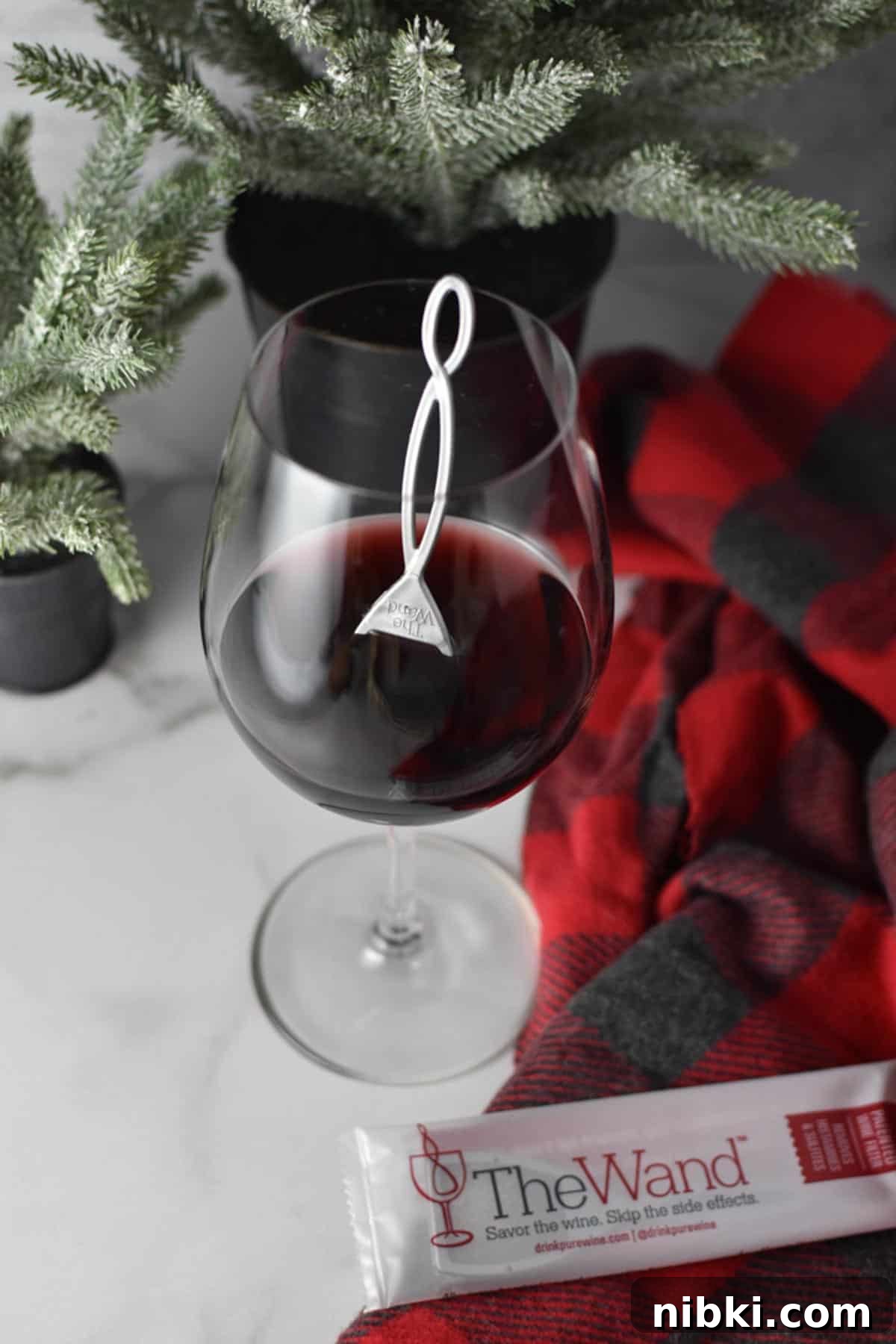
- What are Wine Wands?
- Non-Alcoholic Wines
- Best Beer for Migraine
- Best Liquors for Migraine
- Worst Alcohol for Migraine
- Non-Alcoholic Drinks
- Mocktail Recipes
Alcohol and Migraine Diets
If your physician has recommended a migraine elimination diet, be clear that there is no universally “safe” alcohol. This guidance is intended mainly for people who have completed an elimination phase and are reintroducing foods and drinks, or for those seeking a careful option for a special occasion.
Living with migraine can make celebrations feel risky. If enjoying a particular wine at an anniversary matters to you, it’s reasonable to decide that a single special drink is worth it. The goal is to make choices that reduce the chance of a severe attack afterward. Helpful practices include:
- Limit consumption to one or two glasses at most.
- Alternate alcoholic drinks with a mocktail to reduce overall alcohol intake.
- Stay hydrated by having a glass of water with each alcoholic drink.
- Lower other triggers—keep sleep, stress, and dietary triggers under control before drinking.
- Choose higher-quality wines and spirits from producers who use minimal additives or sustainable practices.
How Does Alcohol Trigger Migraine Attacks?
Alcohol is commonly reported as a migraine trigger, though study results vary; some research finds a direct link in a minority of people. For individuals with migraine, alcohol can provoke an attack within 30 minutes to a few hours (an alcohol-induced attack) or as a delayed headache the following day (a hangover). People with migraine are generally more prone to alcohol-triggered attacks than the general population.
Mechanisms that may cause alcohol-related migraine include sensitivities to biogenic amines such as histamine and tyramine, reactions to sulfites and other additives, and vascular effects such as dilation and increased blood flow after drinking. Individual sensitivity varies, so what affects one person may not affect another.
Congeners in Alcohol
Congeners are byproducts of fermentation and distillation, such as acetaldehyde and methanol. They are more concentrated in darker liquors and aged spirits like brandy, bourbon, and whiskey. Lighter drinks—vodka, white wine, and light beers—typically contain fewer congeners. Some theories suggest that congeners contribute to hangovers and may play a role in triggering migraine for susceptible individuals, though more research is needed.
Best Wine for Migraine
Wine tolerance is highly individual. All wines contain fermentation byproducts such as sulfites, histamine, tyramine, and tannins. Wines with higher alcohol content have more naturally occurring sulfites, and many producers also add sulfites as preservatives. Some wineries market wines with no added sulfites or organic production practices; however, truly sulfite-free wine does not exist because sulfites occur naturally in fermentation.
If you are sensitive to sulfites, look for labels or producers that emphasize low or no added sulfites or organic practices. If histamine or tyramine is the issue, note that red and sparkling wines often have higher levels of these compounds. Reading producer notes and choosing lighter styles can help reduce risk.
Additives in Wine
Many mass-produced wines use additives and processing techniques to produce a consistent flavor from year to year. Those additives are not always listed on the label. Wineries that prioritize minimal intervention, organic, or biodynamic practices are less likely to use flavor additives, pesticides, or manipulated grapes—factors that may matter for people sensitive to triggers. Doing a bit of research on a winery’s practices can help you find wines that are less processed.
Choosing a Migraine-Friendly Wine
Tips for selecting wine with migraine in mind:
- Choose wines from producers that use organic, biodynamic, or minimal-intervention methods.
- Smaller wineries may follow careful farming practices without formal organic certification; check producer information or ask knowledgeable staff at local wine shops.
- White wines fermented in stainless steel often taste clean and crisp and may be easier to tolerate than oak-aged, buttery styles.
- Dry white wines and lighter reds are commonly better tolerated—examples include unoaked Chardonnay, Sauvignon Blanc, Pinot Grigio, Albariño, Soave, Muscadet, Viognier, dry Riesling, Pinot Noir, Gamay, and Grenache.
- Avoid or be cautious with sweeter wines, heavy reds like Cabernet Sauvignon, and Champagne or sparkling wines if you suspect sensitivity to sugar or bubbles.
- Regional differences can reflect winemaking techniques rather than the country of origin; look at production methods rather than assuming one region is inherently safer.
Wine Brand Suggestions
Below are a few producers and styles that some migraine-sensitive drinkers have found easier to tolerate. Availability varies by region; plan to invest a bit more—around $15 or more—to find higher-quality options.
Affordable Wines
- Bonterra – known for approachable organic wines and commonly available in many stores.
- Benziger – offers wines produced with sustainable and biodynamic practices at a range of price points.
- Au Bon Climat – well-regarded whites and accessible options that may appear at specialty grocers and wine shops.
- Consider curated wine delivery services that focus on natural, low-intervention wines if local selection is limited.
Specialty Wines
- Dragonette – a higher-end option some people tolerate well and might reserve for special occasions.
- Stolpman – producers using minimal intervention and natural fermentation techniques.
- Liquid Farm – another producer focused on letting grapes express themselves without added manipulations.
- Happy Canyon – lighter whites with relatively lower sulfite and alcohol content.
What are Wine Wands?
Wine wands are devices designed to reduce sulfites and some biogenic amines like histamine and tyramine in wine. Some products claim to remove only sulfites; others address a broader range of compounds. For people whose attacks are triggered by histamine or tyramine rather than alcohol itself, using a wand or similar product on a glass of wine may reduce the risk of a reaction. Effectiveness varies and personal testing is the best way to determine whether a wand helps you.
Non-Alcoholic Wines
Non-alcoholic wines are made like regular wines but with the alcohol removed afterward, so many fermentation byproducts and additives remain. If you avoid alcohol but remain sensitive to histamines, sulfites, or other fermentation compounds, a non-alcoholic wine might still trigger you. For many people, a freshly made mocktail is a better, more predictable alternative.
If alcohol is the only trigger for you, some reduced-alcohol or dealcoholized wines may be tolerable. Testing small amounts and observing reactions is recommended.
Best Beer for Migraine
Beer generally contains fewer sulfites than wine and lower levels of histamine and tyramine than red wine. For migraine-sensitive drinkers, opt for organic or minimally processed beers and lighter styles with lower alcohol content, such as lagers or light ales. If you have gluten sensitivity or celiac disease, choose gluten-free beers to avoid triggering a migraine.
Some lighter options people often tolerate include light lagers or non-alcoholic craft options, but tolerance varies by individual.
- Choose light lagers or low-alcohol options to reduce exposure to potential triggers.
- Consider gluten-free beers if you have known gluten sensitivity.
Best Liquors for Migraine
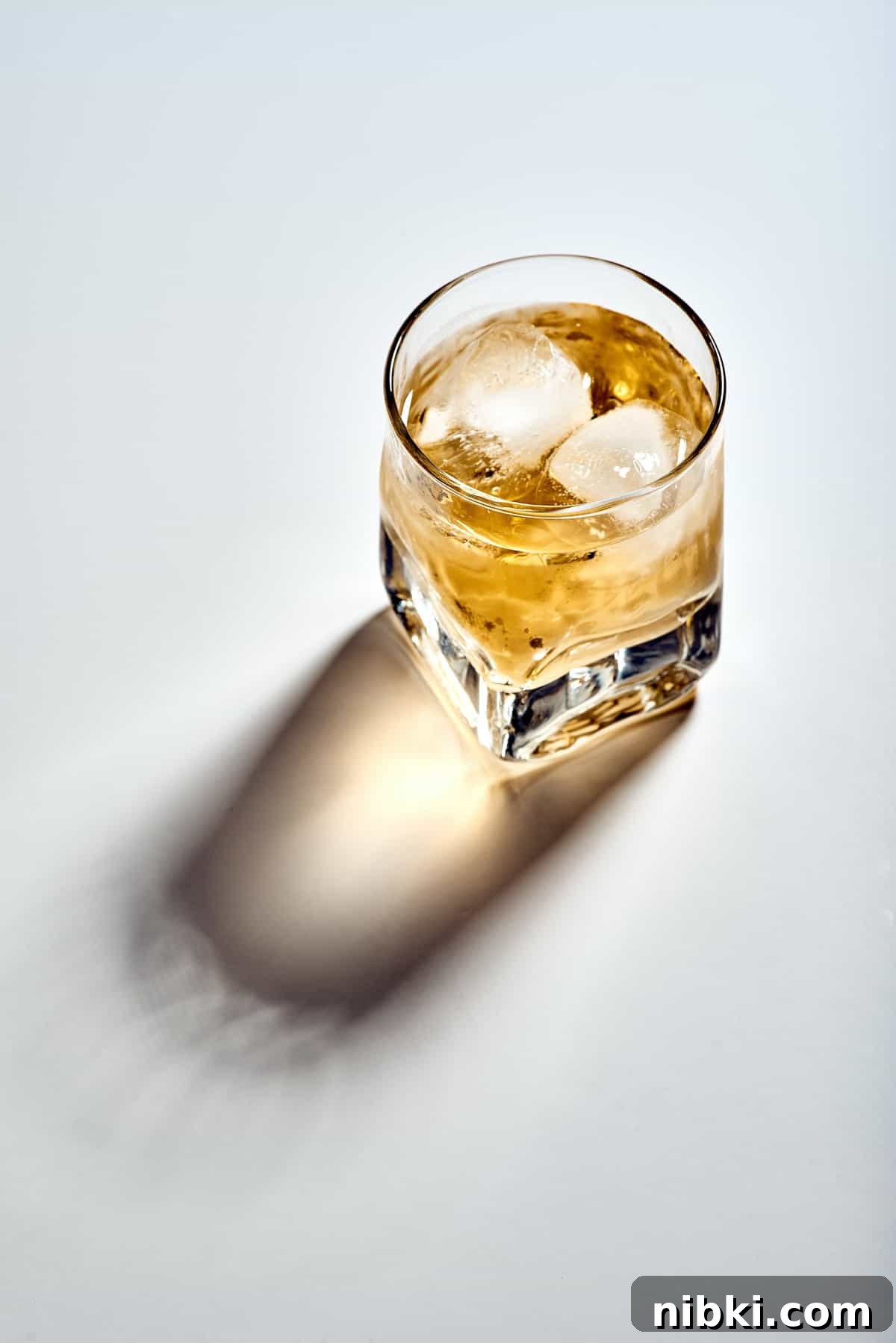
Some distilled spirits are generally better tolerated than others, depending on congeners and production methods. Consider the following:
- Tequila (silver/blanco) – younger, unaged tequilas tend to have fewer congeners than reposado or añejo. Small-batch, 100% agave tequilas are often preferred.
- Vodka – neutral, well-distilled vodkas can be tolerable for many people; check base ingredients if you have sensitivities to corn, grains, or other sources.
- Gin – some organic or craft gins with simpler botanical profiles may be well tolerated by those who enjoy gin flavors.
If you favor darker, aged spirits, be aware they tend to have higher congener levels and may increase the chance of hangover or migraine. Using tools that reduce histamine or sulfites may help some individuals, but personal testing is essential.
Worst Alcohol for Migraine
Alcohol types most commonly associated with migraine attacks include:
- Heavily aged spirits such as whiskey, brandy, and añejo tequila (higher congeners)
- Sweeter wines like Moscato (high sugar can be problematic)
- Full-bodied red wines such as Cabernet Sauvignon (higher histamine, tannin, and tyramine)
- Champagne and some sparkling wines (bubbles and sugar can trigger sensitivity)
Non-Alcoholic Drinks
If alcohol is not tolerable, there are many non-alcoholic alternatives that mimic familiar flavors. Some non-alcoholic spirit substitutes and mixers contain citric acid, natural flavors, or dealcoholized fermented components, which may still trigger sensitive individuals. Test ingredients carefully or choose fresh fruit-based or herb-infused mocktails for the clearest control over triggers.
- Try non-alcoholic spirit alternatives mixed with soda water and fresh garnishes.
- Use flavored sparkling waters, fresh juices, and herbs to craft celebratory mocktails.
Mocktail Recipes
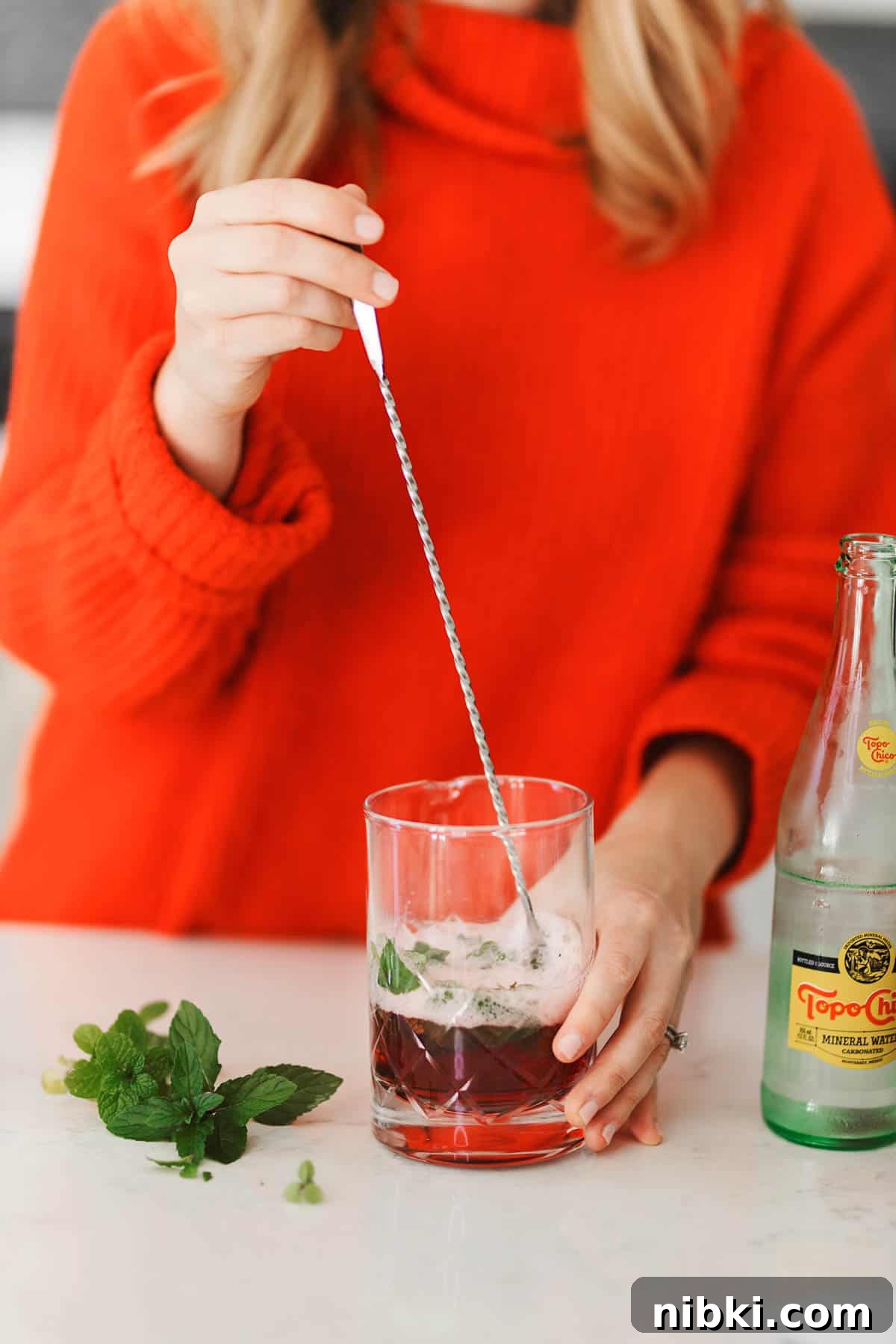
Mocktails are an excellent alternative for people avoiding alcohol or dealing with sensitivities. Simple, migraine-friendly recipes often rely on fresh fruit juices, ginger, sparkling water, and herbs. If you enjoy ginger, consider drinks made with ginger juice or high-quality ginger beer mixed with citrus and sparkling water for a refreshing, low-risk option.
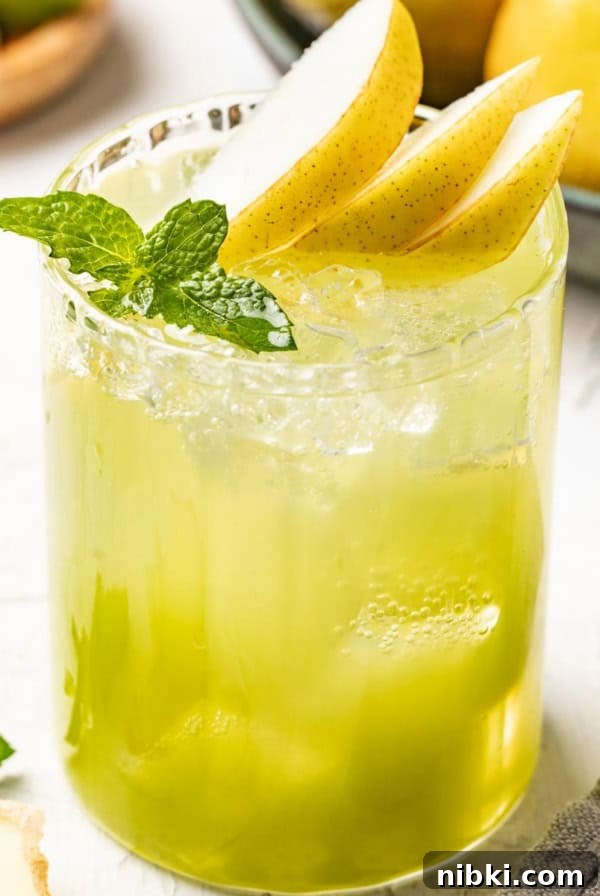
Drinks
Sparkling Pear Mocktail
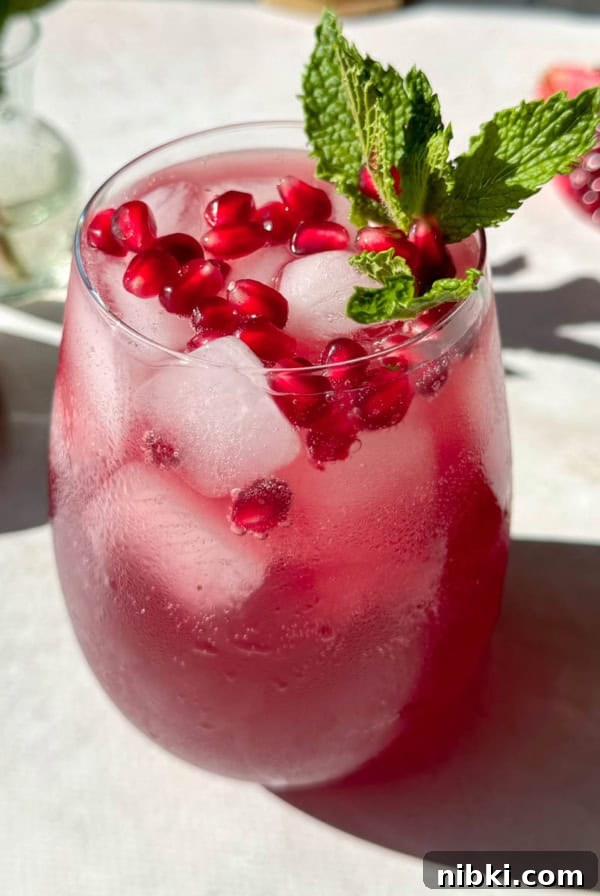
Drinks
Sparkling Ginger Pomegranate Mocktail
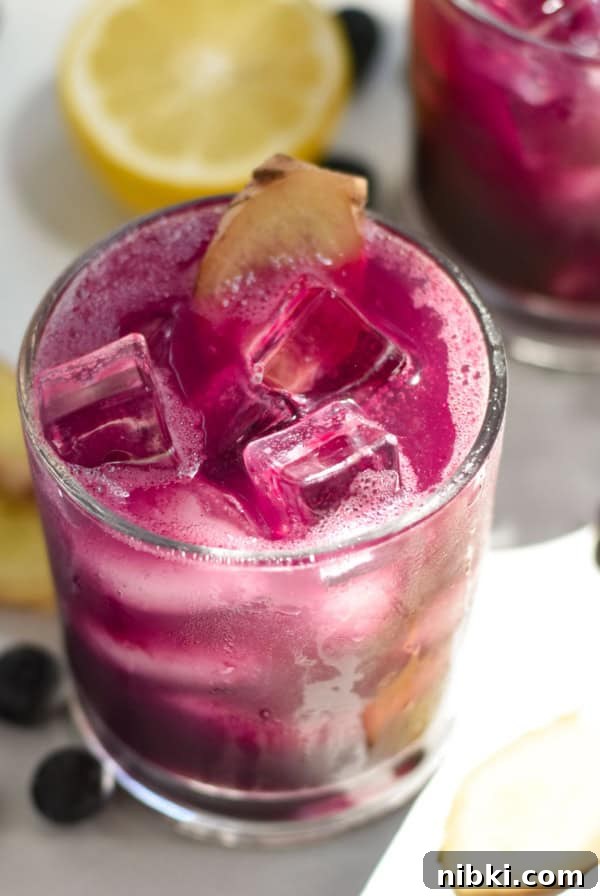
Drinks
Blueberry Mocktail
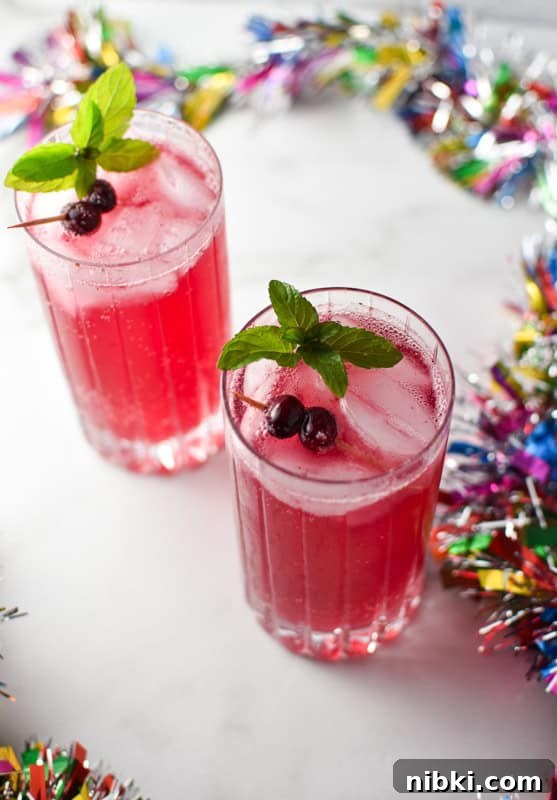
Lifestyle
Ginger Cranberry Mocktail
This article was originally published in December 2020 and has been updated with clearer information on congeners, wine and beer choices, and non-alcoholic options.