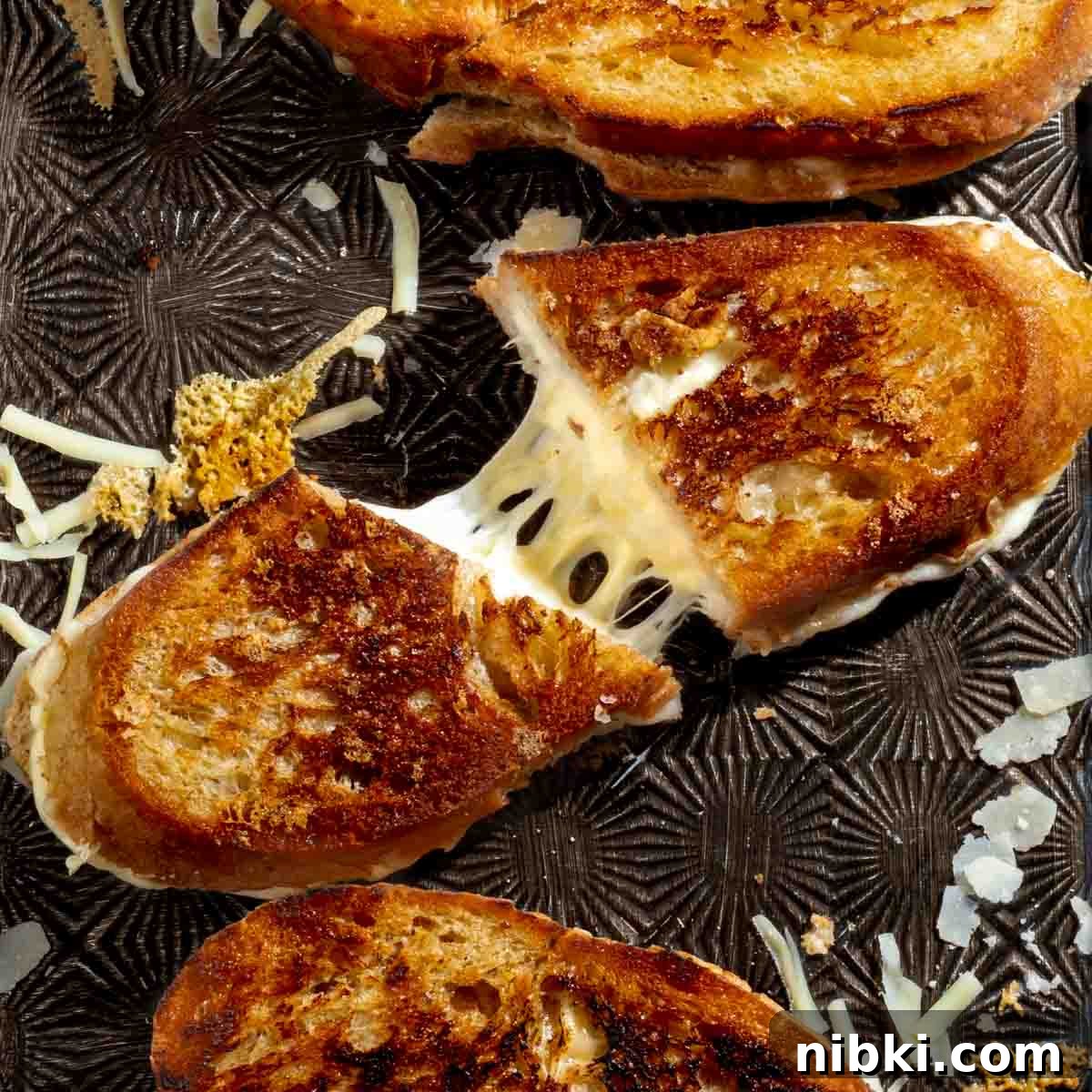
Few foods are as universally loved as the grilled cheese sandwich: comforting, satisfying and reliably delicious. With a few thoughtful choices and simple techniques, you can transform this humble classic into something truly memorable. Here we share our refined sourdough grilled cheese method, designed to deliver an extra-crispy crust, a gooey melt and bold, balanced flavour.
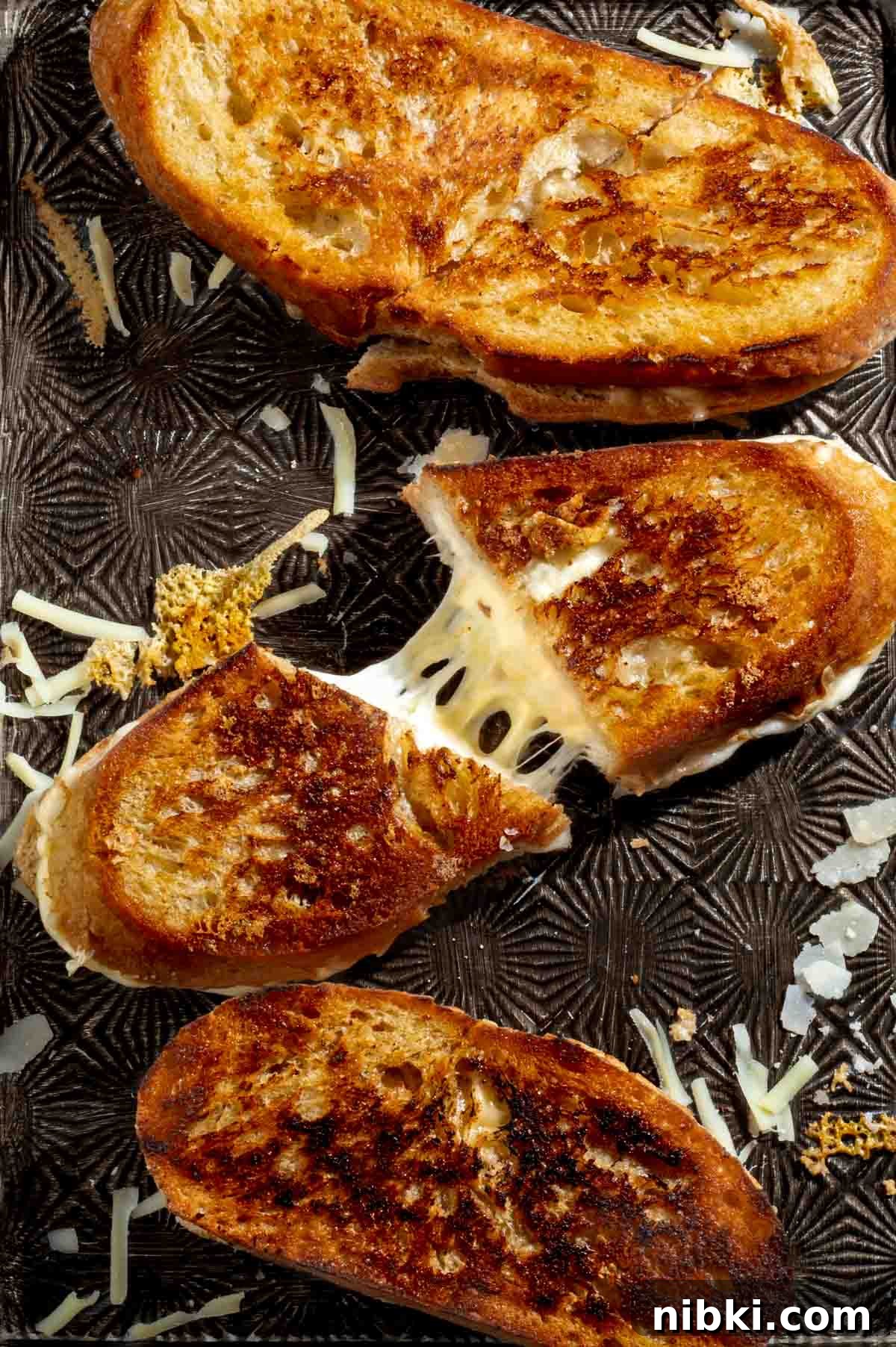
[feast_advanced_jump_to]
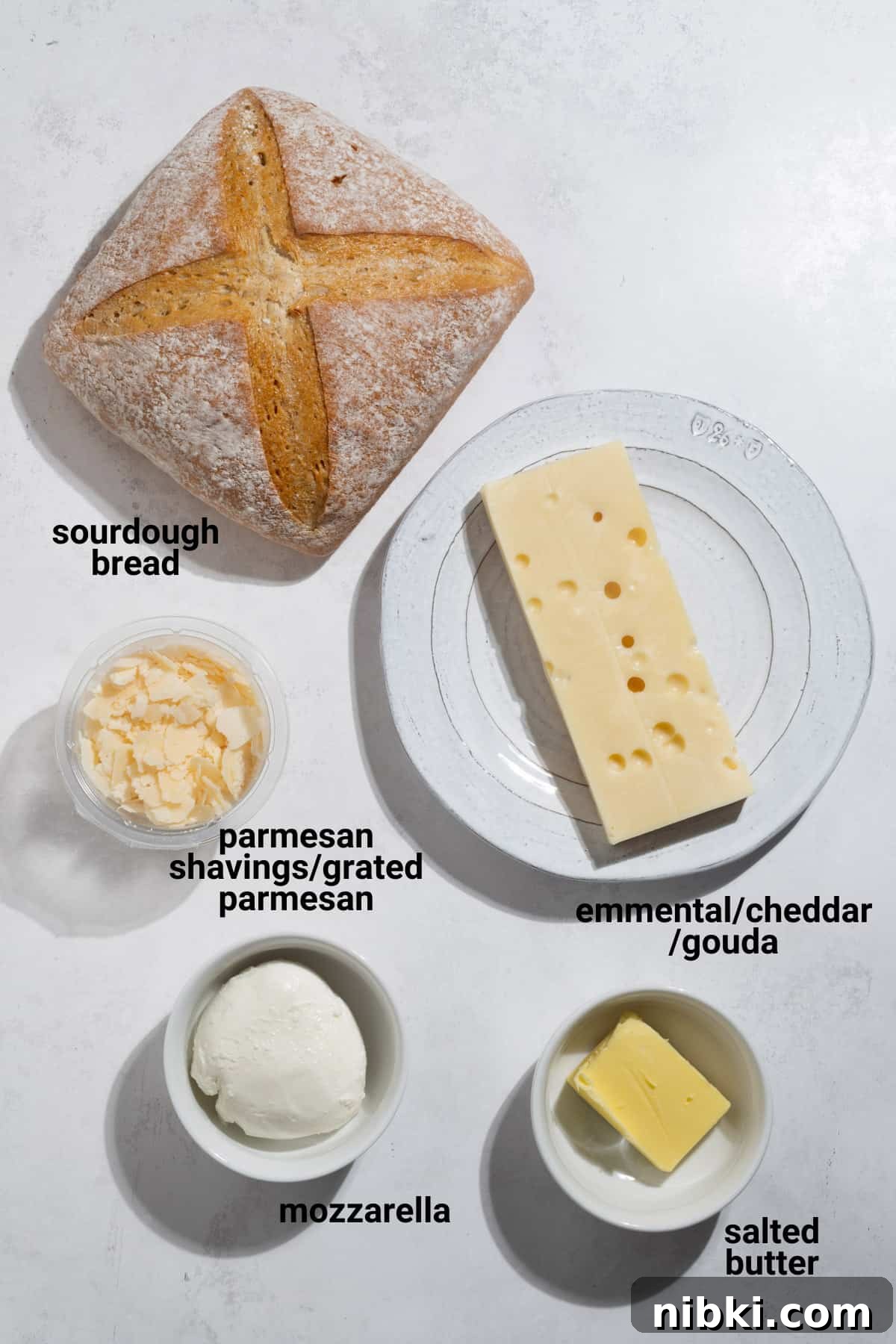
From our testing, four elements consistently determine the quality of a grilled cheese: the bread, the main melting cheese, a high-melt cheese for stretch, and a small finishing cheese for flavour. Nail those four and the rest is mostly technique.
- The bread: Not just a vessel — it contributes texture and flavour. A crusty, tangy sourdough gives crispness outside and a tender crumb inside.
- The bulk cheese: A medium-strength, meltable cheese such as Emmental, cheddar or gouda provides the familiar, satisfying flavour.
- The melt factor: A high-moisture cheese like mozzarella creates the desirable stringy, gooey texture.
- The punch: A little parmesan or pecorino adds an umami lift that brightens the sandwich.
We cover the butter vs. mayo debate, toasting technique and how to make sure the bread doesn’t over-toast before the cheese melts. We experimented until we found what consistently works—read on for tips and a clear step-by-step guide.
May your toasties always come out golden and gooey!
What’s to love about this recipe
- The Emmental–Mozzarella–Parmesan trio covers flavour, melt and a salty finish.
- Tangy sourdough gives structure and a satisfying crunch.
- Salted butter on the outside creates a beautifully browned crust.
- Practical tips to avoid over-toasting the bread before the cheese melts.
Key ingredient notes and substitutions
See the recipe card below for the full ingredient list.
The best bread
We tested many breads and found a sturdy sourdough to be ideal. Its gentle tang complements the cheese and its texture toasts reliably without collapsing.
- Sourdough’s acidity balances rich cheese.
- A firm crumb achieves an even, golden toast.
- A few small holes are fine — they let a little cheese ooze through and add interest.
Avoid extremely open, airy loaves with large holes that let the filling leak out. Aim for slices that hold their shape while still allowing heat to penetrate.
The cheese – the three types to use
Avoid pre-grated cheese: anti-caking agents can interfere with melting. Freshly grate or slice for the best results.
We recommend pairing one cheese from each of these categories:
1. Bulk
A medium-strength, flavourful melting cheese provides the foundation. Emmental is our favourite, but cheddar, gouda or provolone also work well.
- Emmental
- Gouda
- Cheddar
- Provolone
- Monterey Jack
2. Melt factor
For that irresistible stringy melt, use high-moisture mozzarella. Drain and dry it thoroughly before slicing so it doesn’t make the bread soggy.
- Mozzarella (full-fat, high-moisture)
- Burrata (for an indulgent option)
3. Flavour
Finish with a small amount of a hard, salty cheese to lift the sandwich—parmesan or pecorino adds a concentrated punch.
- Freshly grated Parmesan
- Pecorino
- Parmigiano-Reggiano
Salted butter
We’re Team Butter. Both mayo and butter can produce a golden crust, but butter adds superior flavour. Use real salted butter; if your cheese is very salty, unsalted butter is an acceptable alternative.
How thick should you slice the bread?
Aim for slices between 1 cm (0.4″) and 1.5 cm (0.6″) thick. Thinner slices risk collapsing, thicker slices slow the melt. This range gives structure while allowing the cheese to warm through.
The age-old question – Butter or Mayo?
Both create a golden crust, but butter contributes more flavour. For the best-tasting grilled cheese, spread salted butter across the outside of the bread and toast over low heat.
Should you toast only the outside or all sides?
Only butter and toast the outside surfaces. Toasting the interior faces too much produces an overly crunchy, borderline burnt texture. Keep the inside soft so the sandwich feels indulgent, not charcoal-dry.
Cast-iron skillet vs non-stick frying pan?
Both pans produce excellent results. Cast iron may take longer to heat but holds temperature well; non-stick pans are perfectly acceptable and often more convenient. The real secret is cooking over very low heat so the cheese melts before the crust burns.
The bread is perfectly toasted, but the cheese hasn’t melted?
This is a common frustration. The cure: be patient, use the lowest heat possible and try a brief covered warming stage to get the cheese started before you seal the sandwich.
Our reliable method:
- Butter two slices and place them butter-side down. Divide the grated/meltable cheese between both slices rather than piling it on one side.
- Place the open-faced slices in a pan, cover with a lid and heat on low for 1–2 minutes to warm the cheese slightly.
- Remove the lid once the cheese looks a little limp, stack the slices cheese-to-cheese, press gently, and finish grilling with the lid off until golden and fully melted.
Step-by-step instructions
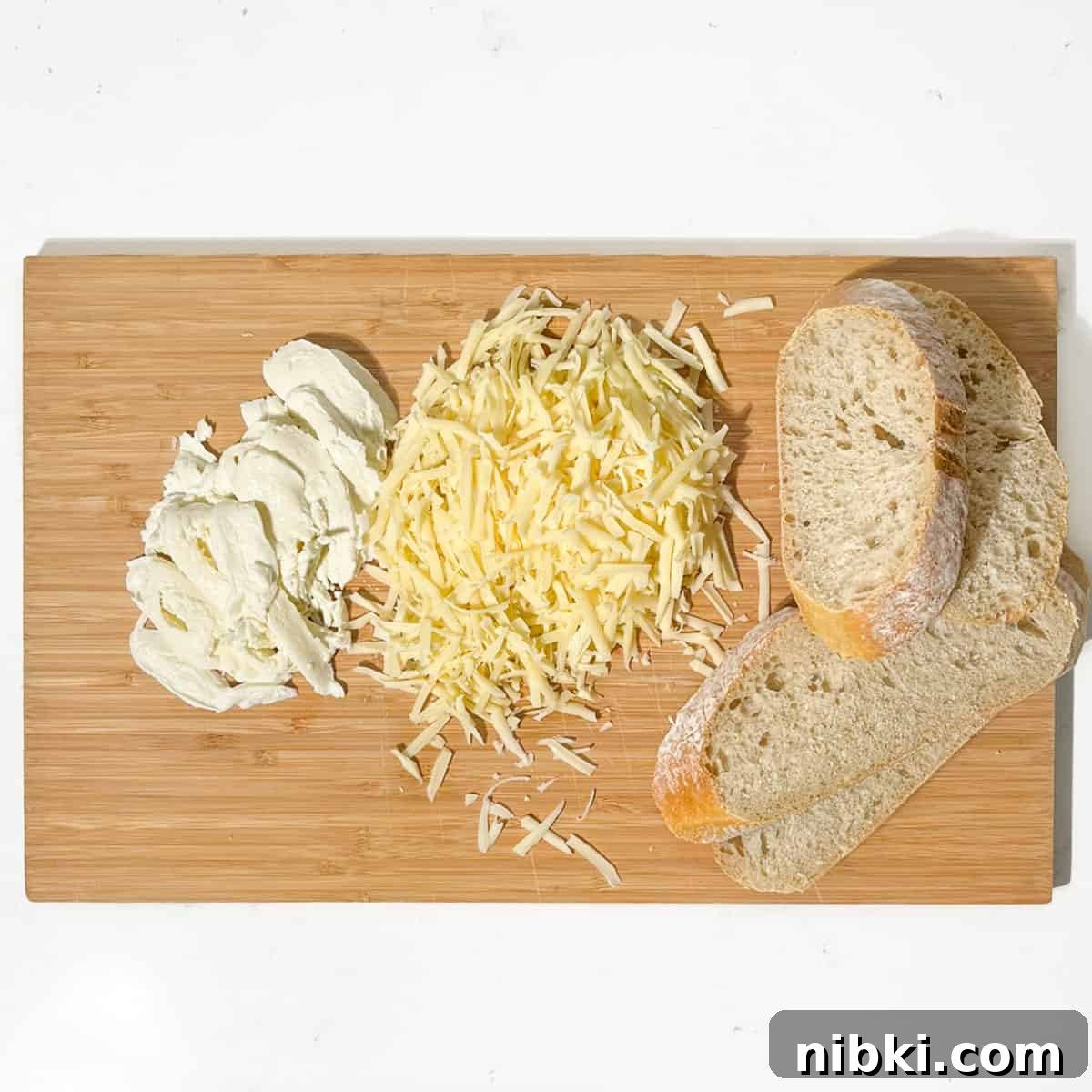
- Prepare ingredients: slice sourdough 1–1.5 cm thick. Finely grate the Emmental (or chosen bulk cheese). Drain and thinly slice mozzarella.
- Spread a generous layer of butter on two slices, then flip so the buttered sides face down in your prep area.
- Sprinkle freshly grated bulk cheese evenly on the dry sides of both slices.
- Top with thin mozzarella slices, then finish with a sprinkle or shavings of parmesan.
- Heat a pan over very low heat and melt a small knob of butter.
- Place both open-faced slices cheese-side up in the pan, cover with a lid for 1.5–2 minutes to warm the cheese slightly.
- When the grated cheese begins to look limp, remove the lid. Flip one slice onto the other (cheese faces cheese) and press gently with a spatula.
- Continue to cook over very low heat, turning frequently until both sides are golden and the cheese is fully melted and just starting to ooze.
- Remove, scrape any browned cheese from the pan onto the sandwich for extra flavour, and slice with a serrated knife.
Variations
- Spread a thin layer of pesto inside for herbaceous depth.
- Try a thin smear of fig jam or honey to add a sweet counterpoint.
- Add fresh tomato slices and basil for a Caprese-style twist.
- Include cured meats such as ham, bacon or pepperoni for a heartier sandwich.
- Add caramelised onions or sautéed garlic mushrooms for more savoury complexity.
- Use garlic butter on the outside for an extra flavour boost.
Serving suggestions for a sourdough grilled cheese sandwich
- Fries or sweet potato fries
- Crisps
- A simple green salad
- A bowl of tomato soup
- Coleslaw or potato salad
- Grilled meats like steak or crispy fried chicken for a heartier meal
Storage and reheating
Storage
Store leftovers in an airtight container or wrapped in foil in the refrigerator for 3–4 days.
Reheating a grilled cheese toastie
To revive a cold grilled cheese: microwave for about 40 seconds to warm the interior, then re-crisp both sides in a frying pan over medium-low heat until the crust is golden and the cheese is gooey again. It won’t be exactly the same as fresh from the pan, but this method restores much of the original texture and melt.
More sandwich recipes
Smoked salmon bagel with whipped cream cheese; Posh fish finger sandwich; Prego steak rolls; Cottage Cheese Toast — try variations to discover new favourites.
Recipe
The Ultimate Sourdough Grilled Cheese Sandwich
Equipment
- 1 cast iron skillet or frying pan
Ingredients
- 2 slices sourdough bread — sliced no thinner than 1 cm / 0.4″
- 1 tablespoon salted butter (or more if needed), spreadable consistency
- 40 grams (1½ oz) Emmental, Cheddar or Gouda — freshly grated, or to taste
- 40 grams (1½ oz) mozzarella — thinly sliced from a ball, or to taste
- 1 tablespoon Parmesan shavings (or grated Parmesan), or to taste
Instructions
- Slice the bread 1–1.5 cm thick. Grate the bulk cheese and slice the mozzarella thinly.
- Butter both slices evenly, then place them butter-side down for assembly.
- Sprinkle freshly grated bulk cheese on the dry sides of both slices.
- Lay mozzarella slices over the grated cheese and finish with Parmesan shavings.
- Melt a small knob of butter in a pan over very low heat.
- Place the two open-faced slices cheese-side up in the pan and cover for 1.5–2 minutes to warm the cheese slightly.
- When the cheese softens, remove the lid, stack the slices cheese-to-cheese and press gently with a spatula.
- Continue cooking over very low heat, turning frequently until both sides are golden and the cheese is fully melted and starting to ooze.
- Remove from the pan, scrape any browned cheese back onto the sandwich, and slice with a serrated knife to serve.
Notes
Note: If your bread is browning faster than the cheese melts, warm the open-faced slices under a lid first to give the cheese a head start, then close and finish the sandwich as described above.
Nutritional data disclaimer
Nutritional information is an estimate provided by a third party and may vary based on brands and portion sizes. Consult a qualified professional for personalised dietary advice.
Nutrition
For food safety advice, including guidance on food allergies, consult your local food safety authority or a qualified professional.