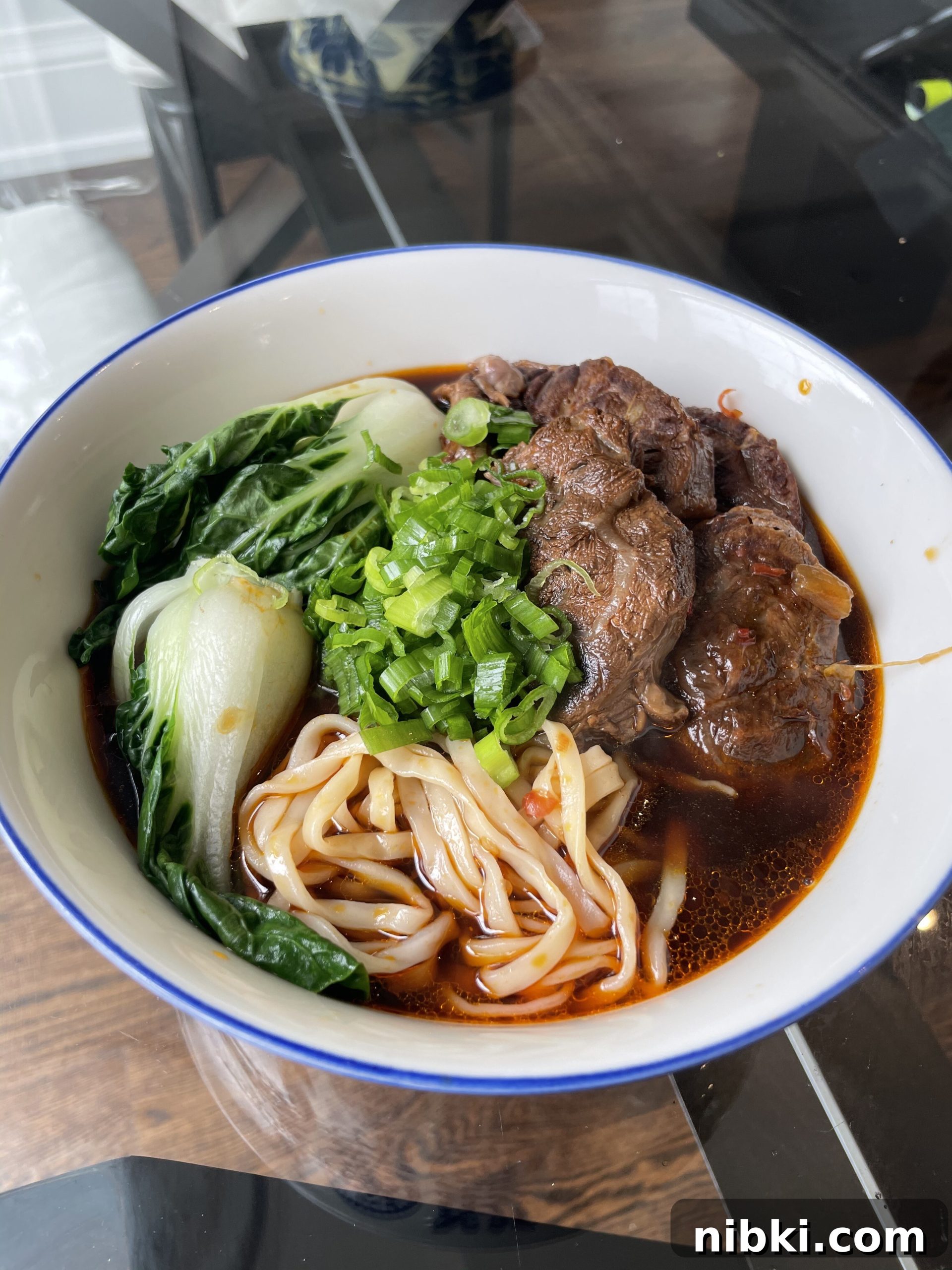
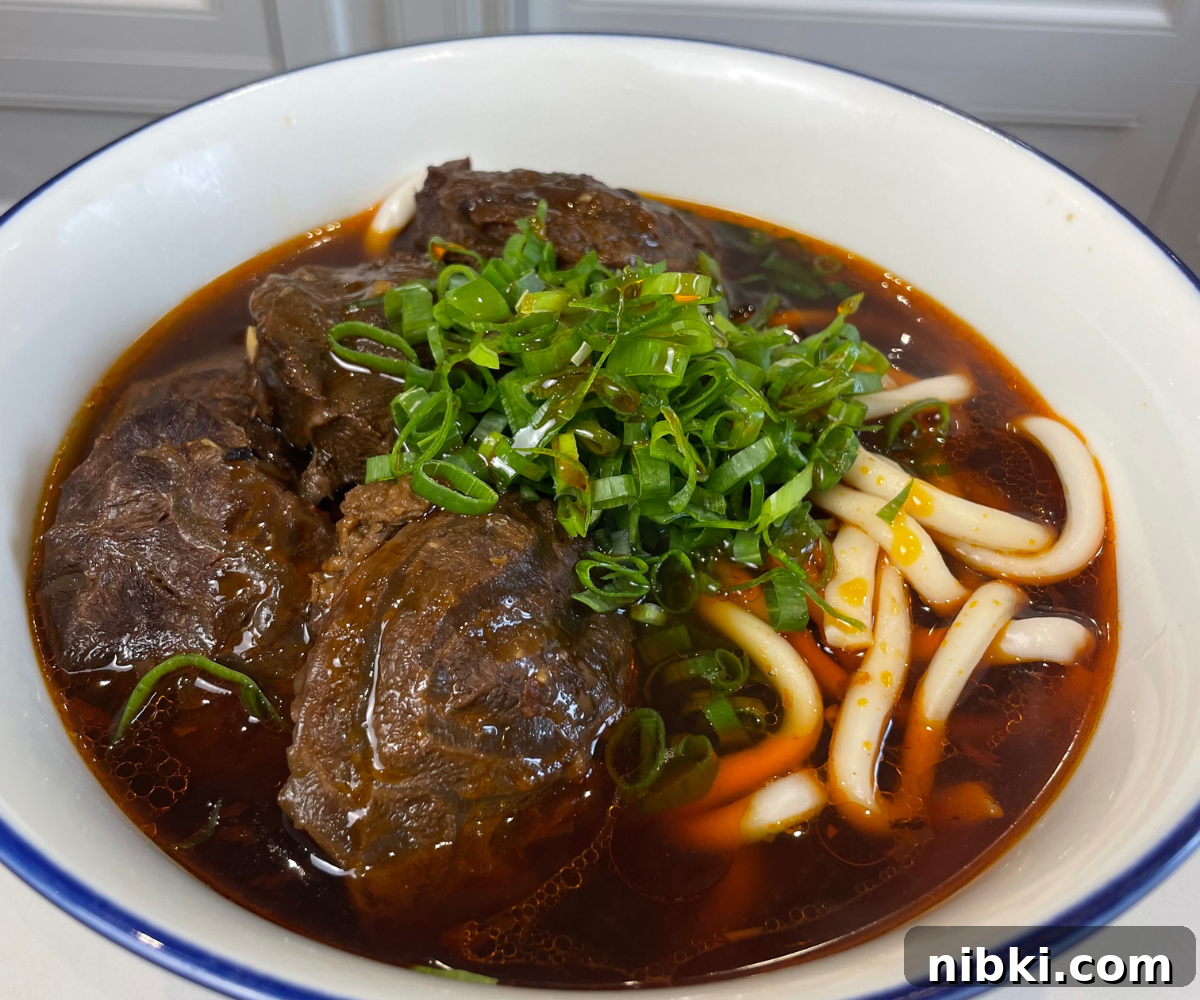
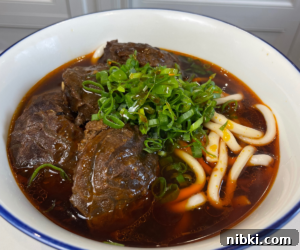
Taiwanese beef noodle soup is a warming, deeply flavorful bowl of noodles in a rich, aromatic broth topped with tender braised beef. I grew up eating this dish and finally made it myself — it turned out even better than I remembered. Typical garnishes include green onions, bok choy, and pickled vegetables, which add brightness to the savory broth.
How to achieve the most tender beef shank
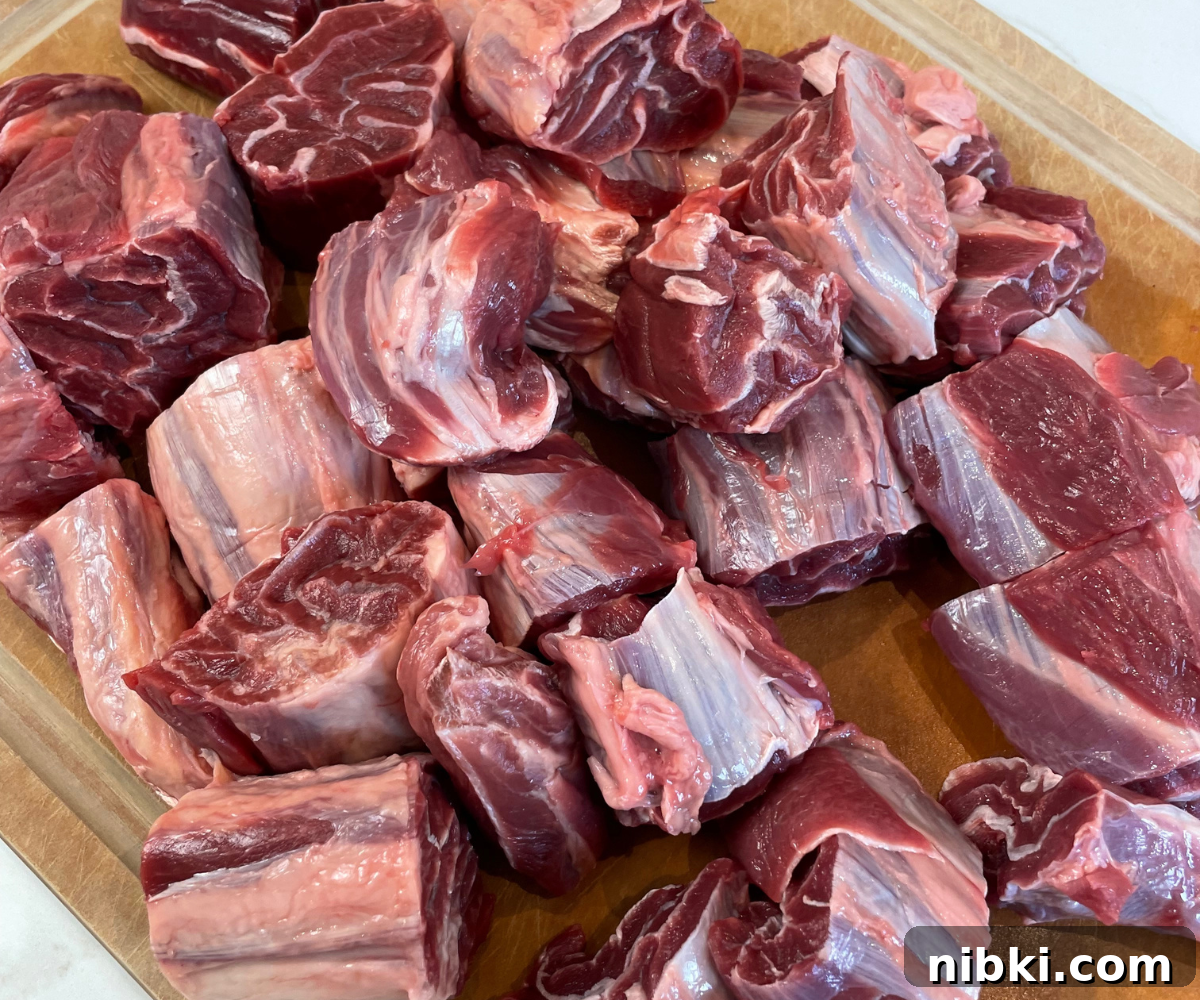
- Cut the beef shank:
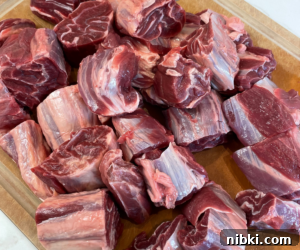
- Cut boneless beef shank into 2–3 inch segments so the pieces braise evenly and absorb flavor.
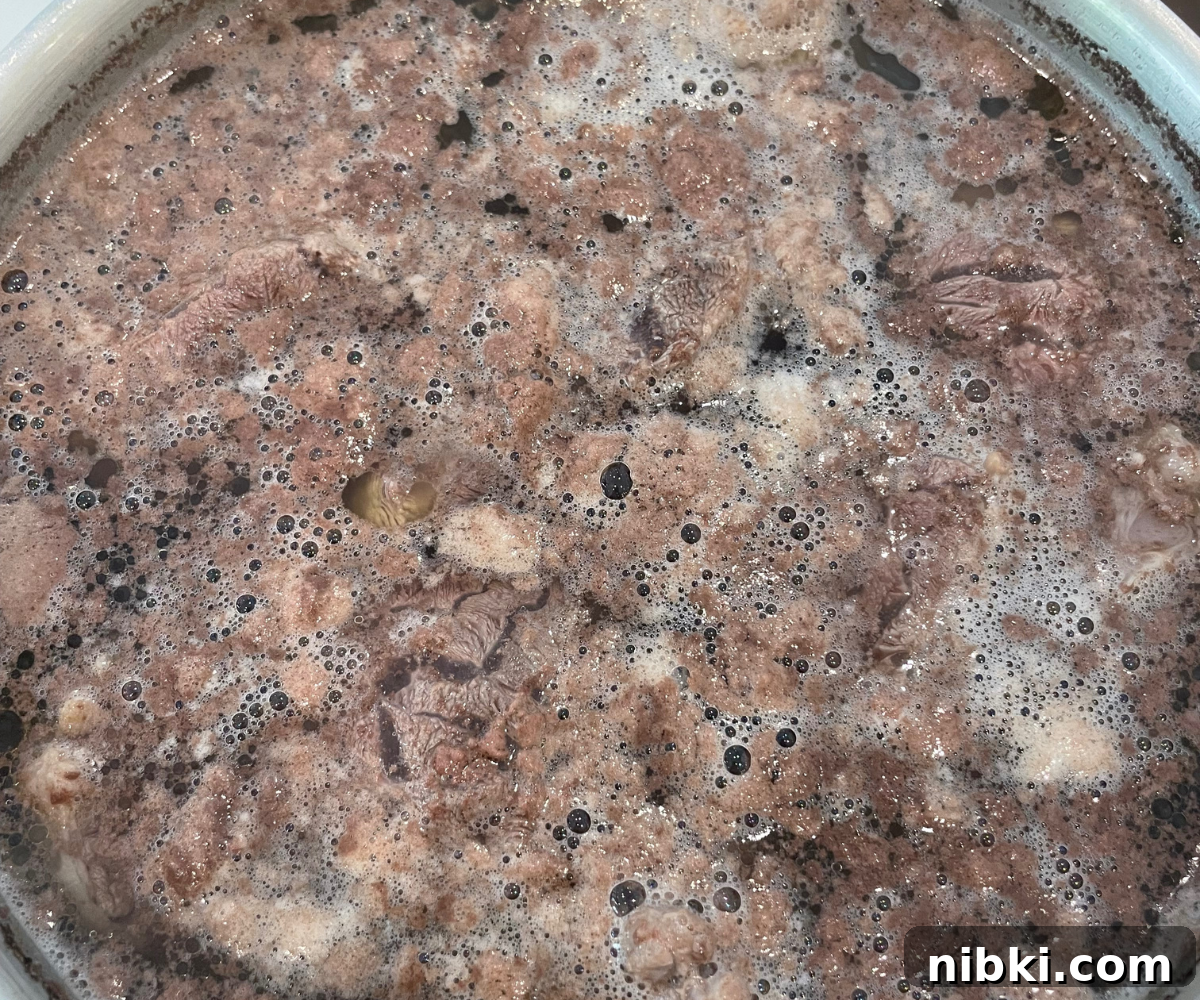
- Blanch to remove scum:
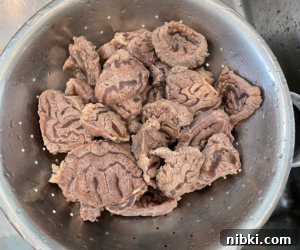
- Place the beef in rapidly boiling water for about 10 minutes to remove impurities and scum. This step helps keep the final broth clearer and cleaner-tasting.
- Rinse and clean:
- Drain the beef and rinse thoroughly under running water to remove any remaining residue.
- Prepare the pressure cooker or pot:
- Place the cleaned beef shank pieces into a pressure cooker or a heavy pot suitable for long simmering.
- Add the aromatics and sauce base:
- Add the sautéed aromatics, chili bean paste, soy sauces, Shaoxing wine, tomato paste, sugar, and the spice bundle (star anise, cinnamon, dried orange peel, bay leaves).
- Cook until tender:
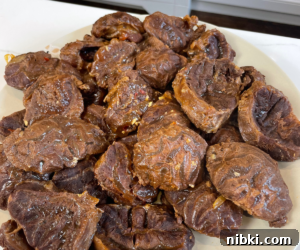
- Pressure cook on high for 45 minutes to 1 hour, or simmer gently for at least 3 hours if using a regular pot. Cook until the meat is easily pierced and tender.
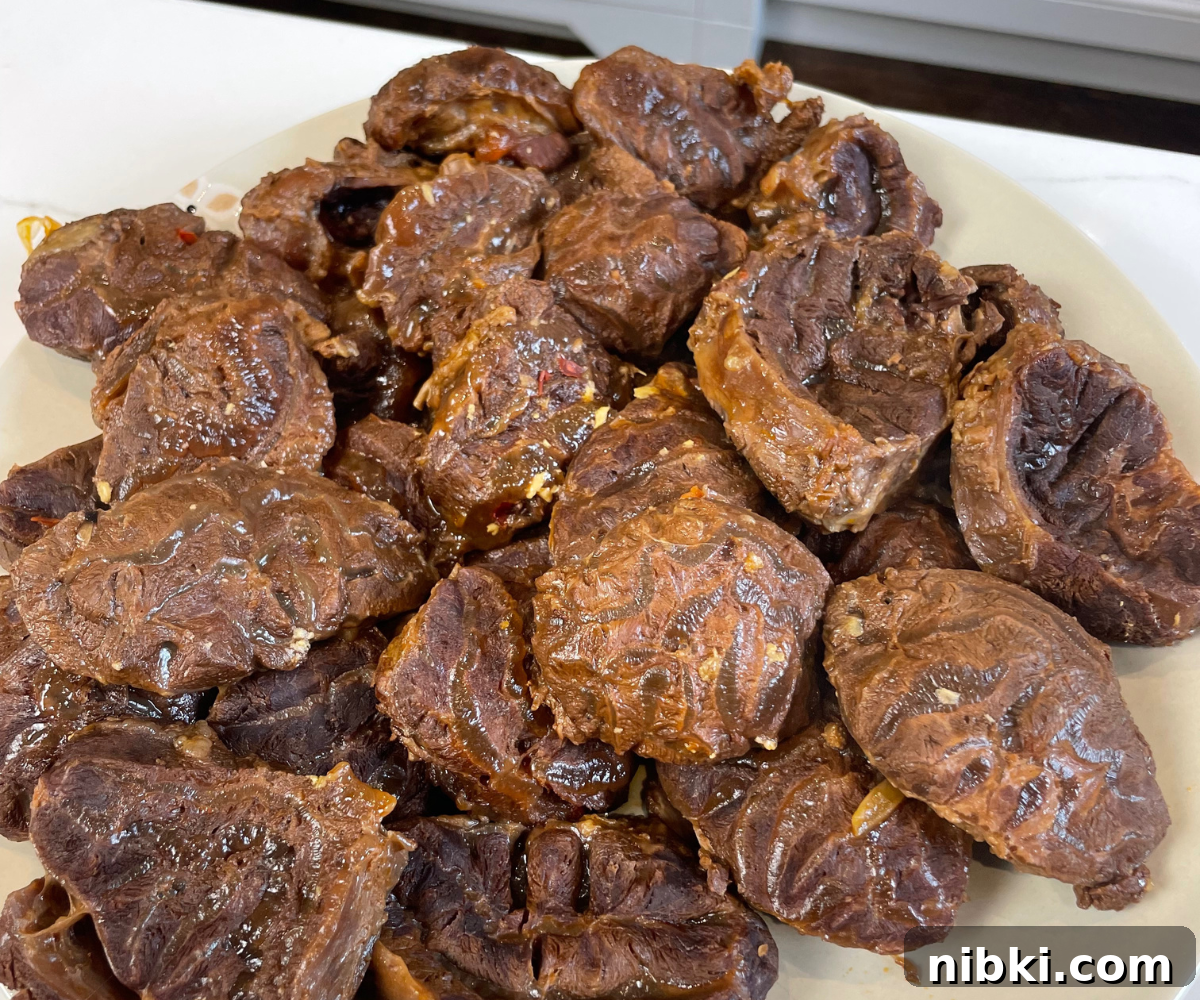
Following these steps will yield beef shank that is both tender and full of flavor — ideal for serving with a well-balanced beef noodle broth.
Water levels and ways to get the perfect rich broth
Start by adding just enough water to cover the beef and vegetables. This allows the beef to braise and the broth to concentrate its flavors. Too much water dilutes the broth, while too little can make it overly concentrated and salty. Aim for a balance that lets connective tissue and aromatics slowly infuse the liquid without washing out the seasoning.
If the broth is too weak (too much water):
Remove the meat and vegetables once they are cooked to your liking. Then simmer the strained broth over high heat, uncovered, until it reduces to the concentration you prefer. Taste every 10–15 minutes to avoid over-reducing.
If the broth is too strong or salty (too little water):
A simple fix is to thin the serving portion: add hot boiling water to individual bowls to adjust the saltiness and intensity. That way you keep the braising liquid intact while making each bowl balanced to taste.
Key ingredients for Taiwanese beef noodle soup
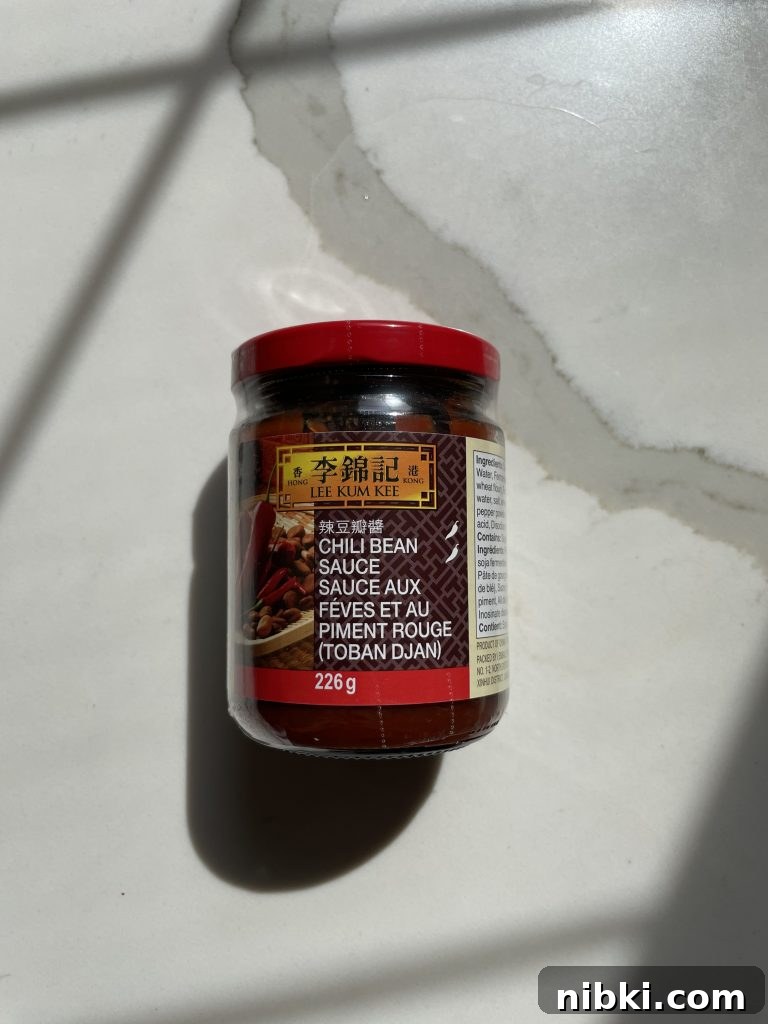
Chili bean paste (辣豆瓣醬)
Chili bean paste (doubanjiang or toban djan) is a core flavor component. It brings a savory, slightly spicy, and umami-forward depth to the broth. Use a quality brand from an Asian market — a little goes a long way.
Braising beef
Use a cut with connective tissue and flavor. Beef shank is traditional and affordable; brisket or chuck also work well. Short ribs are excellent but more expensive. The long, slow cooking will break down collagen and deliver tender, flavorful meat.
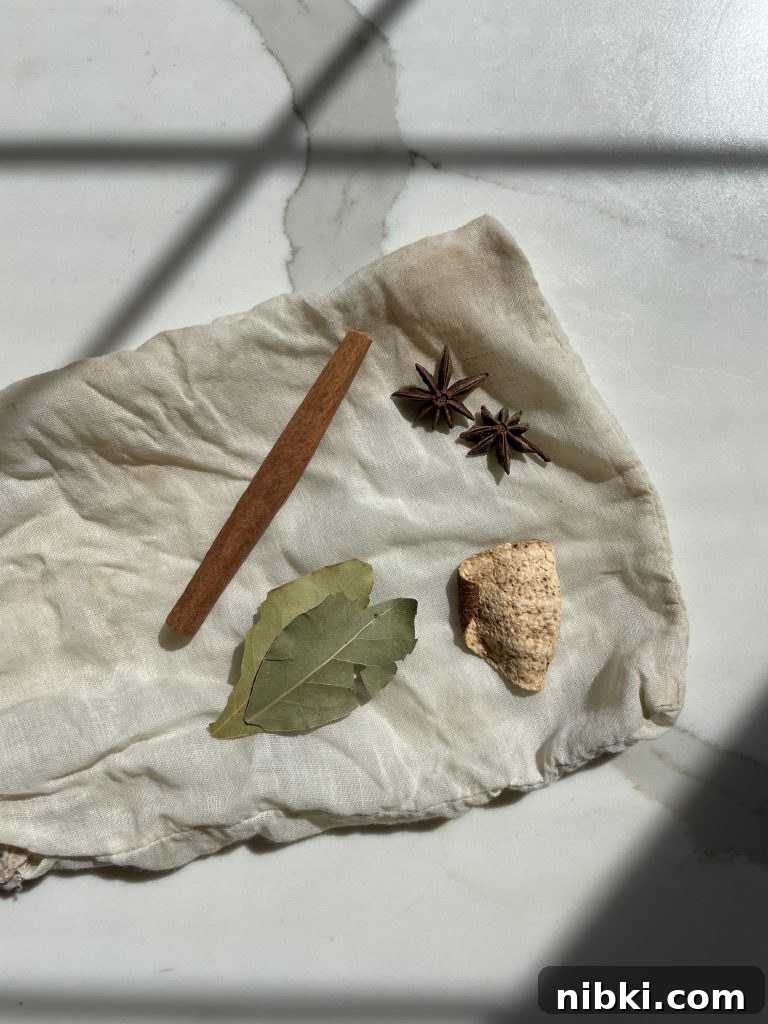
Aromatic spice bundle
The spice bundle typically includes star anise, a cinnamon stick, dried orange peel, and bay leaves. This combination gives the broth its warm, complex aroma. You can add peppercorns or cardamom if you like, but the basic set is very effective.
Noodles
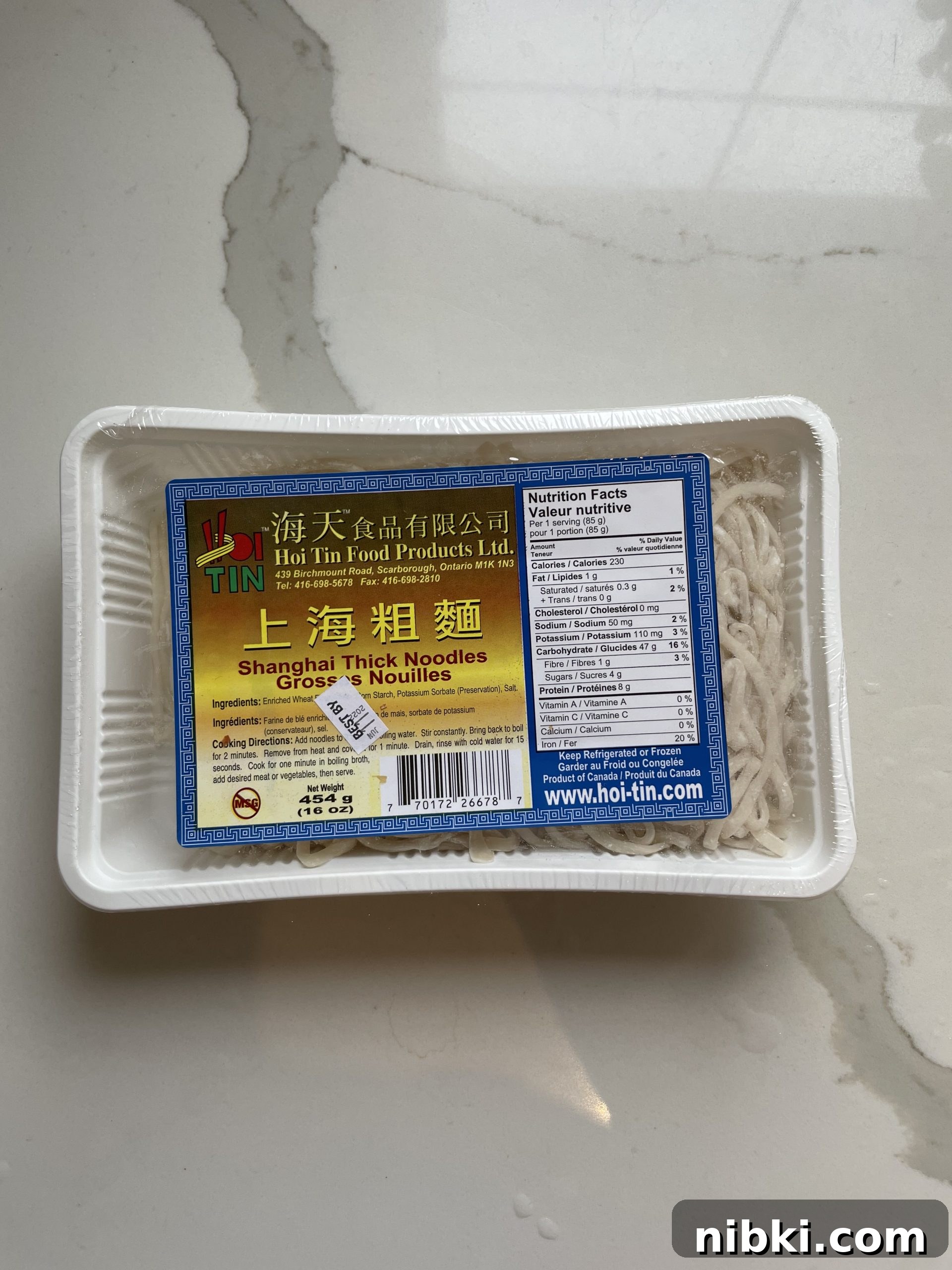
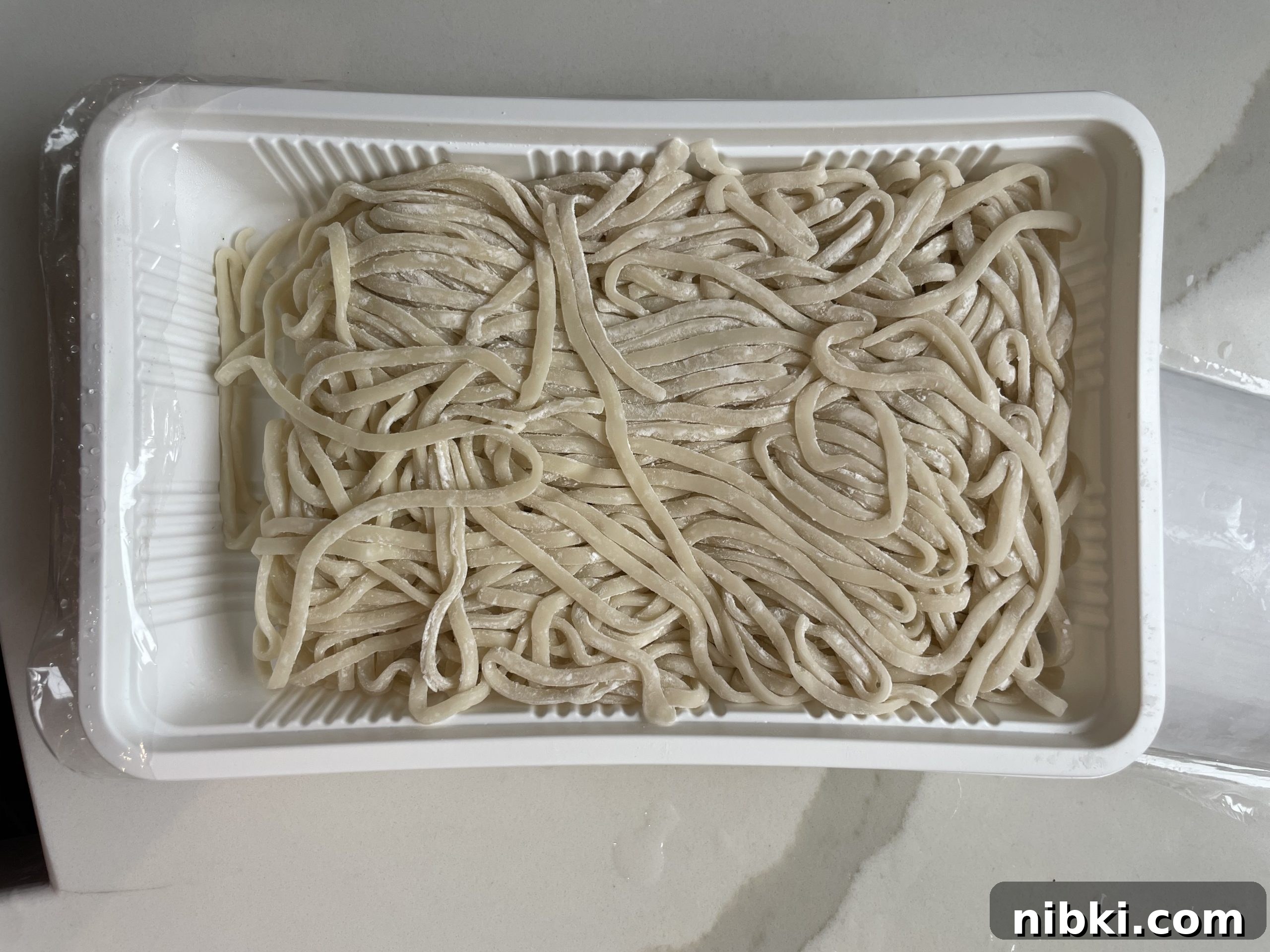
Shanghai thick noodles or other fresh wheat noodles work wonderfully. Cook the noodles separately in boiling water and drain before assembling the bowl — cooking them in the braising liquid releases starch that can cloud and thicken the broth. A firm, chewy noodle texture pairs best with this soup.
Taiwanese Beef Noodle Soup
Prep: 30 mins Cook: 1 hr (pressure cooker) or 3+ hrs (simmer) Total: 1 hr 30 mins (pressure) / 3½+ hrs (simmer)
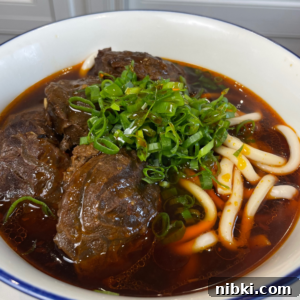
Level up your noodle soup by cooking the noodles separately and using a balanced braising liquid. See the tips above for adjusting broth richness and seasoning.
Ingredients
- 500 g Shanghai thick noodles
- 2–3 lbs beef shank (about 3 boneless pieces)
- 1 tbsp oil
- 2 slices ginger
- 1 medium yellow onion (quartered)
- 2 scallion whites (cut into 3″ lengths)
- 6 cloves crushed garlic
- 3 dried red chilies
- 2 tbsp sugar
- 3 tbsp chili bean sauce (toban djan / 辣豆瓣醬)
- 1 tbsp tomato paste
- 3 tbsp soy sauce
- 2 tbsp dark soy sauce
- 1/4 cup Shaoxing rice wine
- 1 cinnamon stick
- 2 bay leaves
- 2 star anise
- 1 dried orange peel
- 1½–2 L water
Instructions
- Cut boneless beef shank into 2–3 inch pieces.

- Blanch the beef in boiling water for 10 minutes to remove scum, then drain.
- Rinse the beef pieces under running water to clean.
- Prepare vegetables: quarter onion, slice ginger, cut scallion whites, and crush garlic.
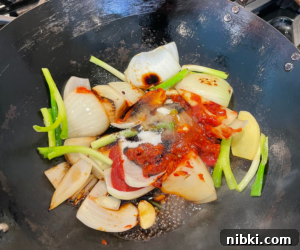
- Heat oil in a pot or wok over medium-high heat. Add ginger, onion, scallion whites, garlic, and dried chilies. Stir for 1 minute.
- Add sugar, chili bean sauce, tomato paste, soy sauce, dark soy sauce, and Shaoxing wine. Stir for 2 minutes until fragrant and bubbling.
- Transfer the mixture to your pressure cooker or pot with the drained beef, water (1½–2 L), and aromatics (cinnamon, bay leaves, star anise, dried orange peel).
- Pressure cook for 45 minutes to 1 hour, or simmer covered for at least 3 hours until the beef is very tender.
- Cook Shanghai thick noodles in boiling water for about 2 minutes, then drain.
- Assemble bowls with noodles, blanched bok choy, slices of braised beef, ladle hot broth over, and garnish with green onions.
- Tip: If the broth needs more depth, simmer it uncovered on high for 10–20 minutes to reduce and concentrate flavors. Taste periodically.
Additional Info
Course: Main Course | Cuisine: Chinese, Taiwanese
More noodle recipes to explore (titles only):
- Cantonese soy sauce chow mein
- Shrimp lo mein
- 10-minute peanut noodles