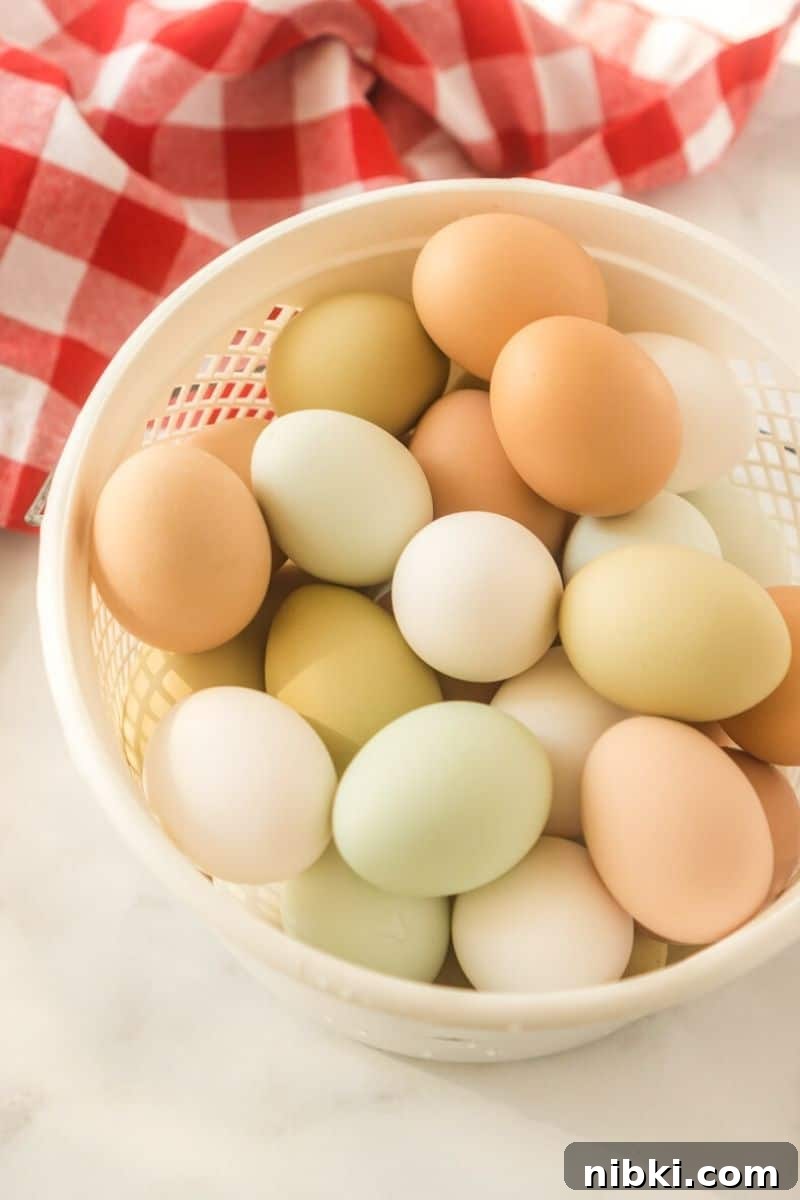
Here are the breeds of chickens that lay colored eggs so your kitchen can be filled with eggs that are fresh, delicious, and visually appealing.
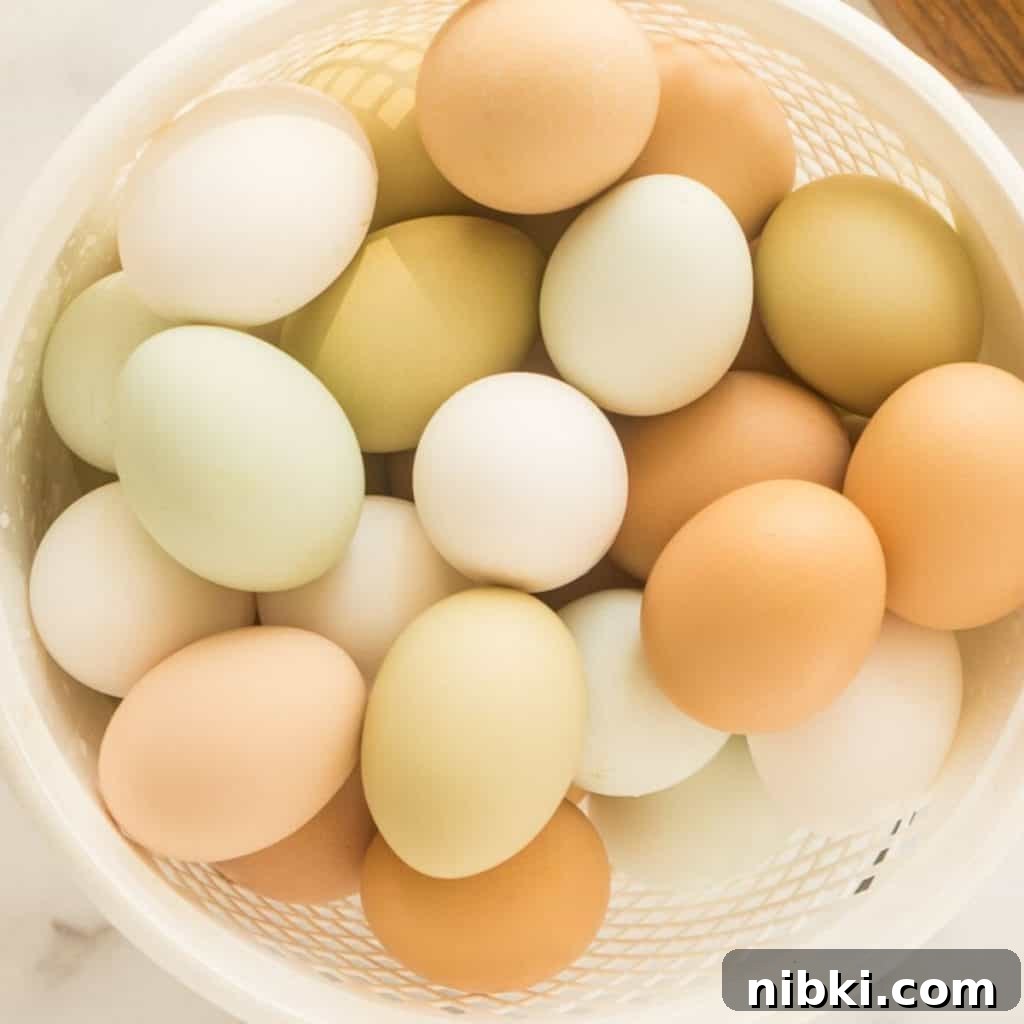
Why are some chickens’ eggs blue, green, or brown instead of white?
The primary reason some chickens lay colored eggs is genetics. Specific breeds carry genes that deposit pigments on the shell as it forms in the hen’s oviduct. Blue-green eggs get their color from the pigment biliverdin, while various shades of brown result from protoporphyrin. Diet, housing, or stress can affect shell quality or cause spots, but they don’t determine the base shell color — that comes from the bird’s genetic makeup.
Occasional speckles or rough patches on eggshells can be caused by changes in calcium availability or fluctuations in the hen’s diet, but those conditions are separate from the pigments that create blue, green, or deep brown shells.
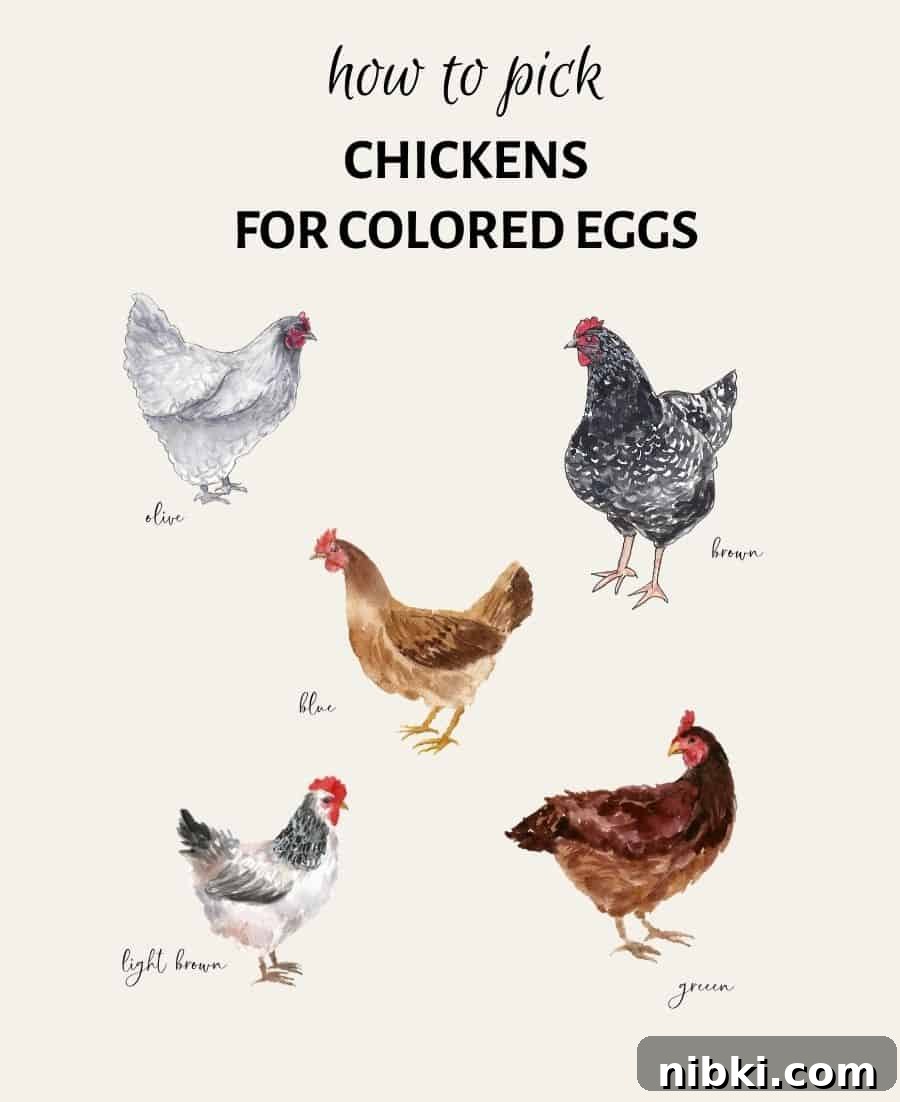
So what is the advantage of choosing chickens that lay colored eggs?
Mostly aesthetics. Colored eggs add visual variety to your carton and can make for attractive presents or market products. Beyond appearance, there’s no inherent nutritional difference based solely on shell color: a brown egg and a white egg of the same size and from hens on the same diet will be nutritionally similar.
Some colored-egg breeds are pricier to purchase and may not be the highest producers per year. They can also require slightly different management, depending on the breed’s size and temperament. If you plan to sell eggs, a mixed carton with blue, green, brown, and white eggs often attracts more attention and can command a premium at farmers markets — in some places colored-egg cartons have been sold for several dollars more per dozen than standard eggs.
If you’re keeping chickens for personal enjoyment, colorful eggs are simply a joyful reason to select certain breeds.
Orpingtons and Wyandottes for soft brown eggs
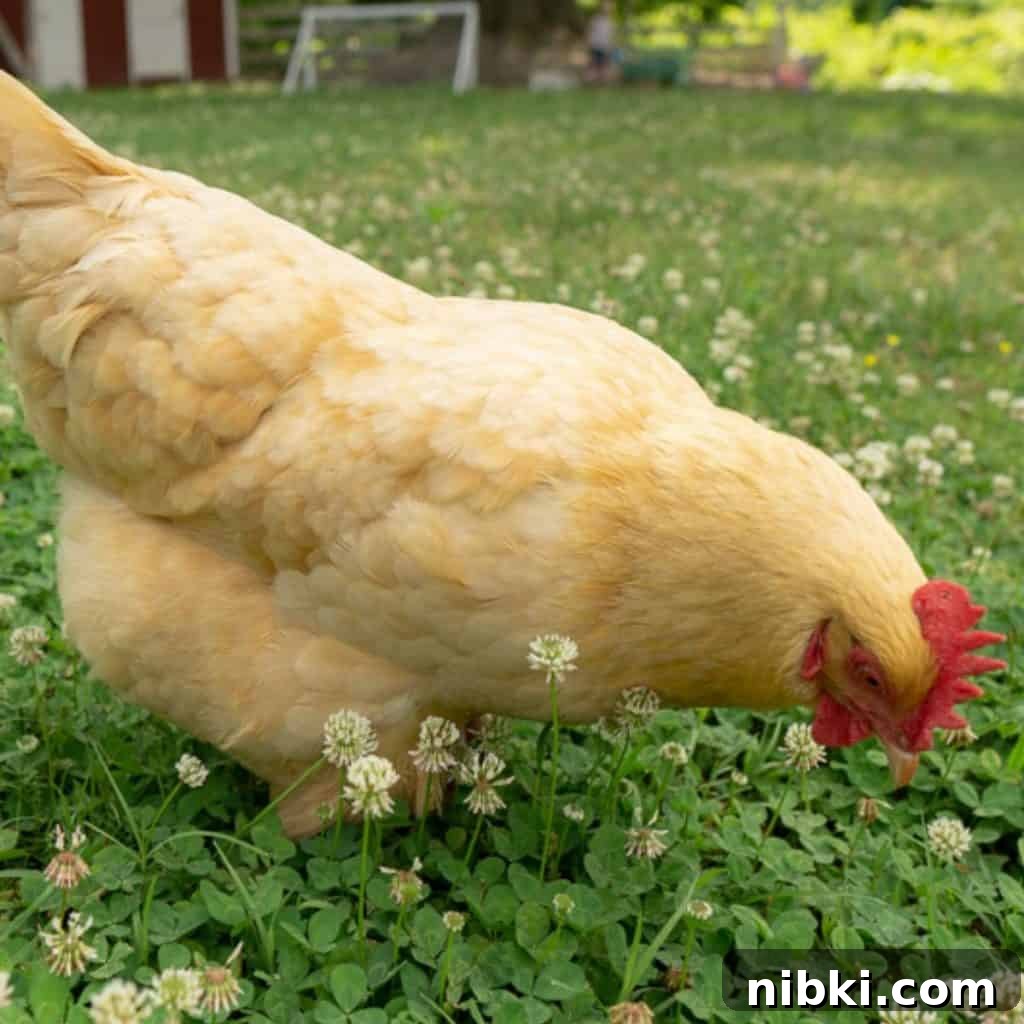
Orpingtons — especially the buff variety — and Wyandottes are beloved by backyard keepers for their calm personalities and attractive soft-brown eggs. Brown is the most common shell color in many home flocks, and breeds such as Barred Rocks and Rhode Island Reds are reliable, hardy layers that produce that familiar warm-brown shade.
Brown-egg layers are an excellent core of any flock: practical, productive, and visually pleasing when mixed with colored and white eggs.
Easter Eggers for blue-green eggs
Easter Eggers are among the most popular colored-egg hens because they’re affordable, friendly, and often lay a range of blue to green eggs. They are not a standardized breed but rather a category of mixed-heritage birds that carry the blue-egg gene. That means egg color can vary within a flock — from pale aqua to olive green — so if you need a very consistent hue, consider a more standardized blue-egg breed.
Olive Eggers for olive green eggs
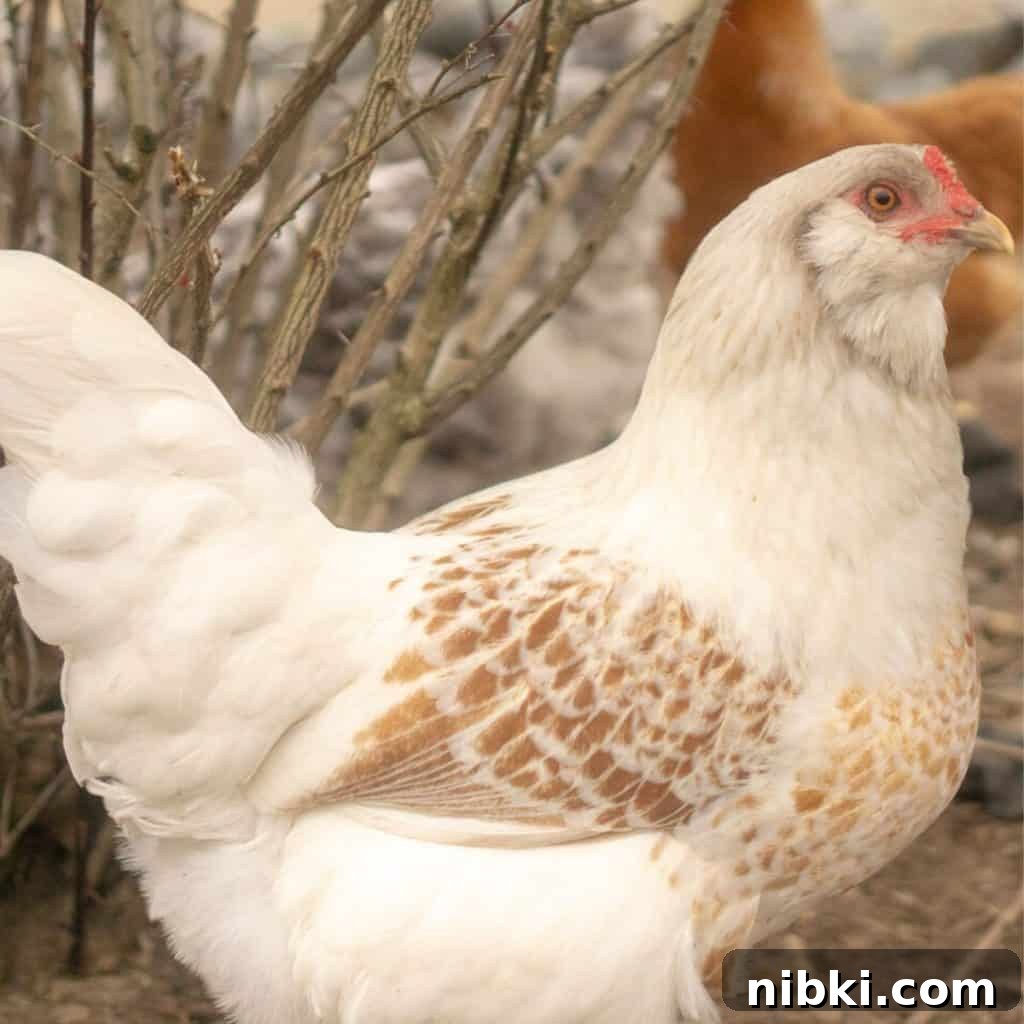
Olive Eggers are typically hybrids created by crossing a blue-egg breed with a brown-egg breed. The result is a distinct olive-green shell that ranges from brownish olive to a clear green shade. They’re a great choice if you want green eggs consistently without breeding for them yourself.
Adding a few Olive Eggers to a mixed flock is an easy way to broaden the color palette of your eggs without a major change to management.
White Leghorns for white eggs
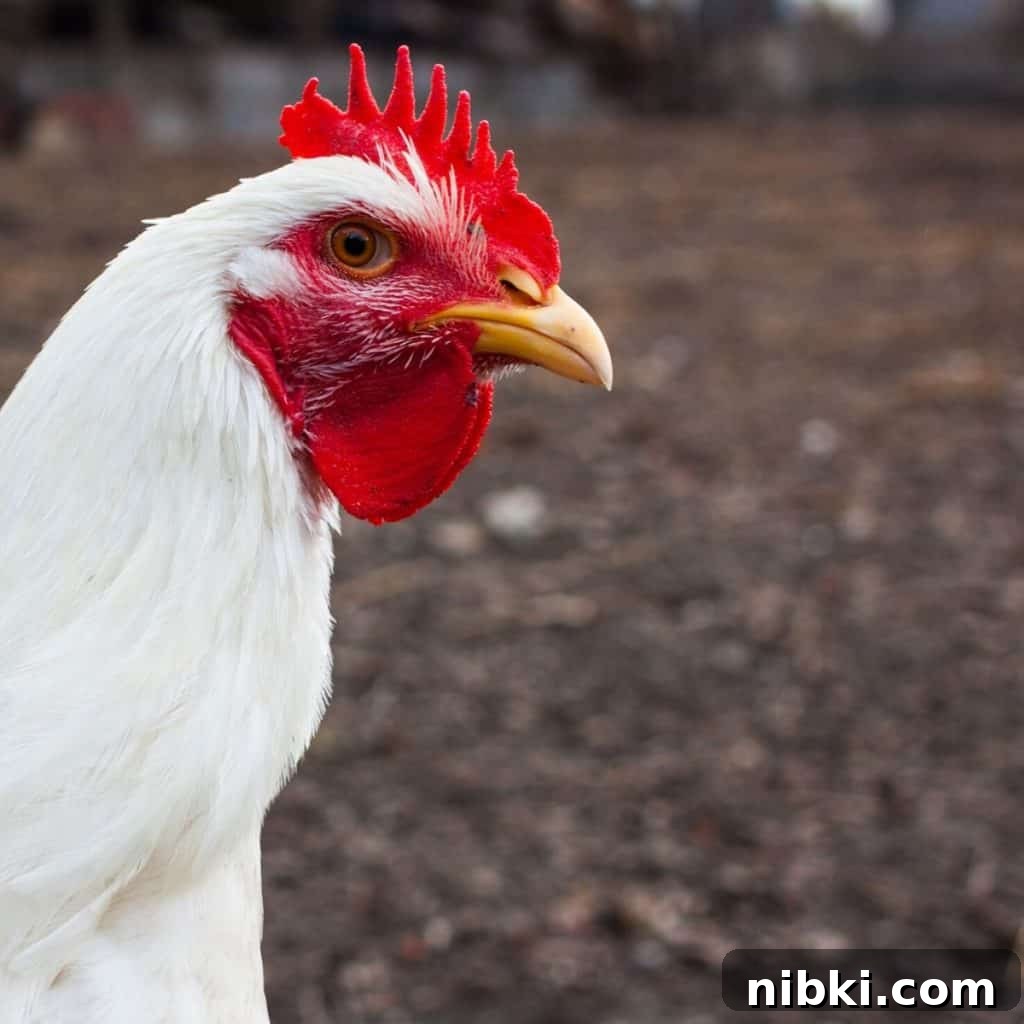
White Leghorns are classic producers of large white eggs and are prized for their consistent laying and efficiency. While this article focuses on colored eggs, including some white-egg layers in your flock improves the visual contrast in a mixed carton and gives you a fuller range of shades for gifting or selling.
Ameraucanas and Cream Legbars for blue eggs
If you want reliably blue eggs, Ameraucanas and Cream Legbars are good choices. These recognized breeds carry the blue-egg gene and tend to produce truer, more consistent blue tones than mixed-breed Easter Eggers. They can be a bit more costly, but they offer predictability if a strong blue is your goal.
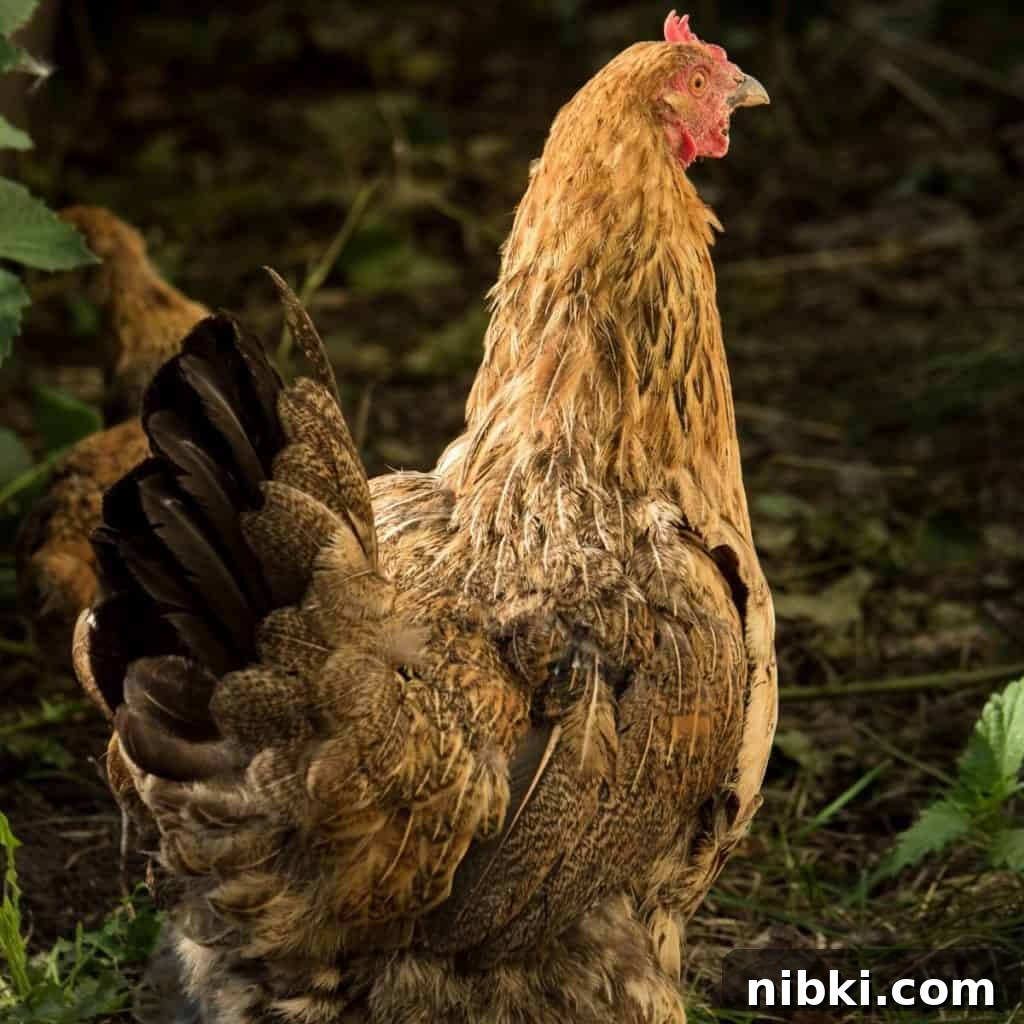
Welsummers and Marans for chocolate brown eggs
Welsummers and Marans are known for rich, dark brown eggs — often described as chocolate-colored. These deeper browns stand out when mixed with paler browns, blues, and whites, offering a dramatic look in an egg carton or on a breakfast table. They’re attractive choices for anyone aiming for strong visual variety in their egg basket.
Let’s review
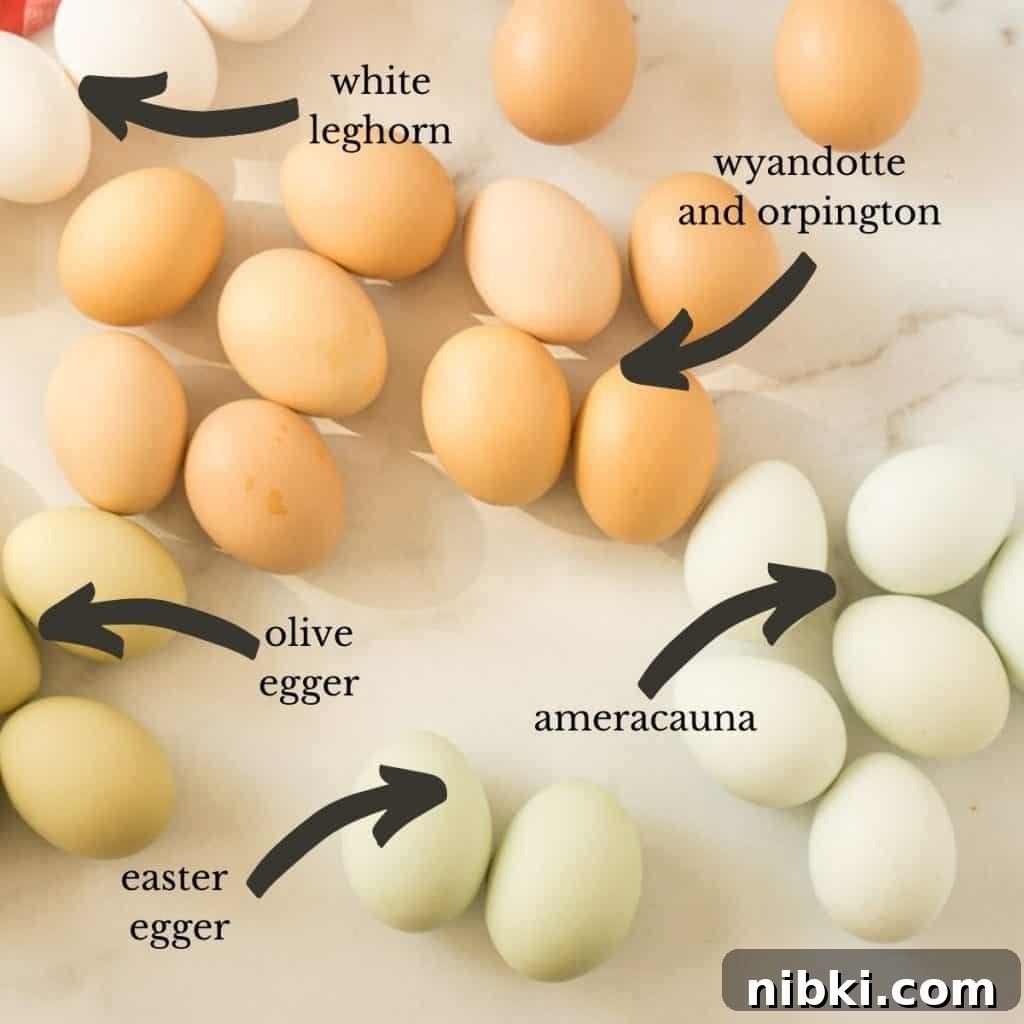
Blue eggs: Ameraucanas, Cream Legbars, and some Easter Eggers.
Brown eggs: Orpingtons, Wyandottes, Barred Rocks, Rhode Island Reds, and many other common backyard breeds.
Green eggs: Olive Eggers and some Easter Eggers produce a range of green shades.
Ready for some chickens of your own?
- Before ordering chicks, read up on chicken care basics — housing, feed, predator protection, and seasonal management. Many books and online resources cover these essentials and will help you plan for healthy, productive hens.
- Choose a reputable hatchery or breeder with good reviews and a clear selection of breeds. Local breeders can reduce shipping stress on chicks and often simplify pickup or delivery.
- Have recipes and storage plans ready — colorful eggs are fun for baking, gifting, and everyday meals.
Happy egg collecting!