Cooking is an exploration where every recipe brings new discoveries and small challenges. It’s a hands-on way to learn about flavor, technique, and timing. From finding the single ingredient that makes a dish sing to learning which spices complement one another, the kitchen is full of satisfying surprises. If you enjoy flavorful meals and a little culinary curiosity, these tips will help you cook more confidently and make dishes you’ll want to repeat.
Whether you’re just starting out or you’ve spent years at the stove, there’s always something new to learn. Below are practical, easy-to-apply tips that improve results and save time in the kitchen.
Here are 13 essential tips to help you cook better, more often.
1. Don’t overcrowd the pan
Overcrowding is one of the most common mistakes, especially with meat and vegetables. When pieces are packed tightly, they steam instead of searing, which prevents browning and robs food of texture and flavor. Give each piece space so heat can circulate, allowing a proper crust to form and making it easier to brown and turn items evenly.
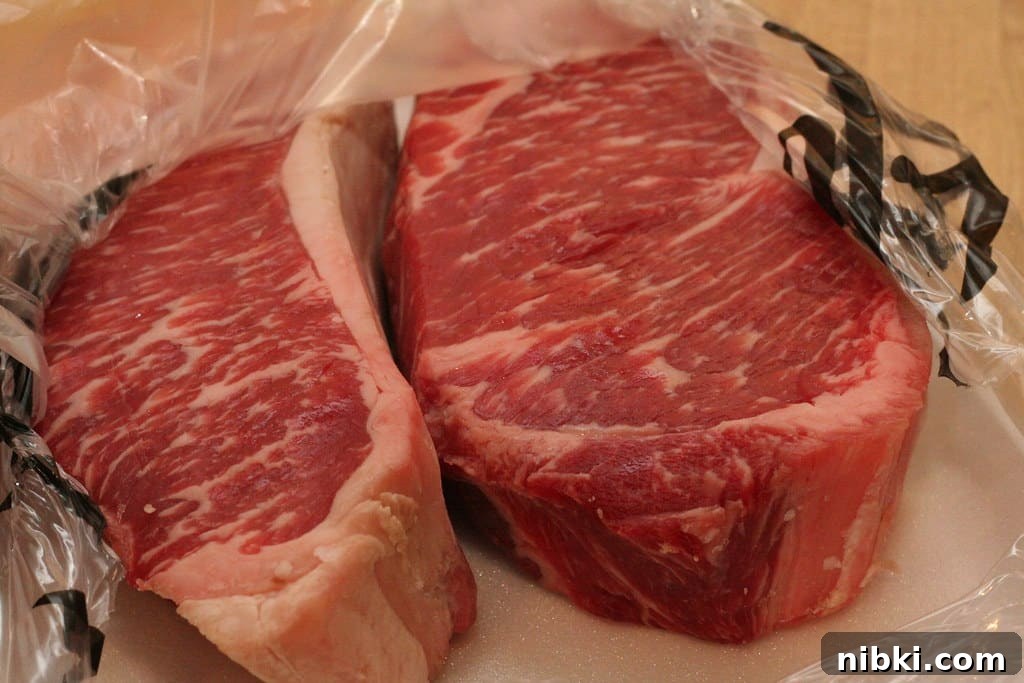
2. Let red meat rest before cutting
For steaks and other large cuts, rest is crucial. Cutting meat immediately after cooking forces the juices out, leaving the center dry. Let red meat sit for 3–5 minutes (longer for very large roasts) so the juices redistribute. The result is juicier, more flavorful meat.
3. Store spices in the right place
Spices lose potency from light, heat, and humidity. Store ground and whole spices in airtight containers in a cool, dark cupboard away from the stove and direct sunlight. Fresh, well-stored spices make a noticeable difference in both home and professional kitchens.
4. Turn off the heat early for eggs
Eggs continue to cook from residual heat after you remove them from the pan. For scrambled eggs, omelets, or soft-cooked eggs, take them off the heat while still slightly runny and let them finish in the hot pan. This prevents overcooking and keeps the texture tender.
5. Use the right kind of salt
Different salts serve different purposes. Fine table salt dissolves quickly and is useful in batters and baking, while kosher salt is preferred for seasoning during cooking because its flakes are easy to pinch and distribute. Coarser sea salt works well as a finishing touch to add texture and a clean burst of flavor.
6. Use pasta water to finish sauces
Save a cup of starchy pasta water before draining. Adding a splash to your sauce helps it emulsify and cling to the pasta, creating a silkier, creamier consistency without adding cream. The starch acts as a natural thickener and brings sauces and pasta together neatly.
7. Keep kitchen essentials stocked
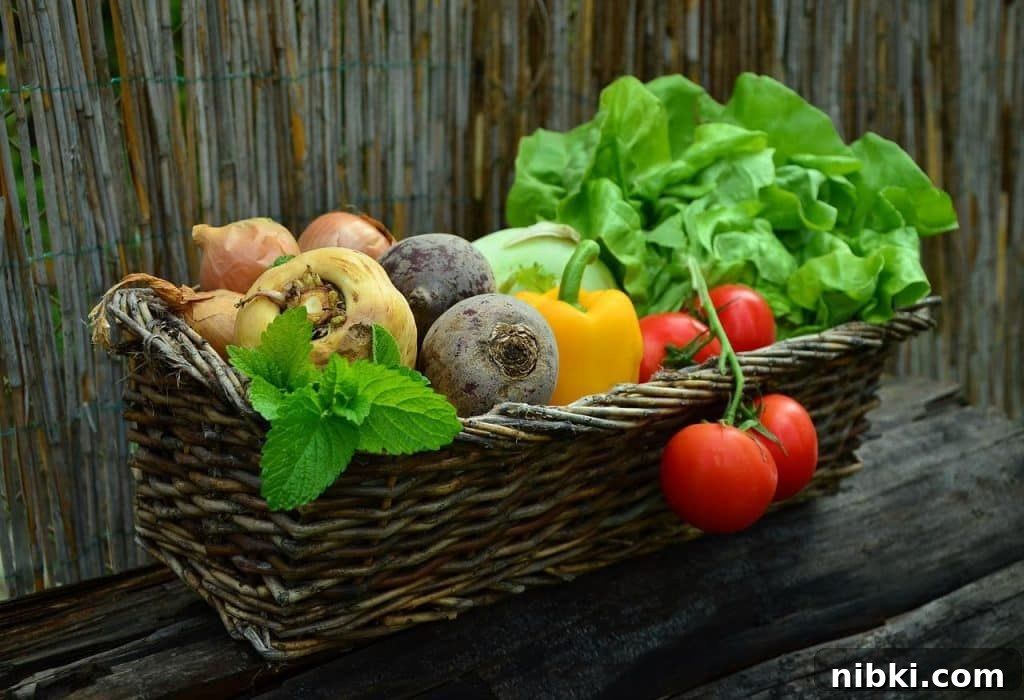
Having a few reliable staples on hand makes midweek cooking simpler and more flexible. Keep: good olive oil, kosher or sea salt, freshly ground black pepper, a selection of dried herbs, onions, garlic, and canned tomatoes. These basics let you compose quick, satisfying meals from minimal ingredients.
8. Roast garlic for mellow flavor
Roasted garlic adds a sweet, mellow depth without heavy seasoning. To roast, slice the top off a head of garlic, drizzle with olive oil, wrap in foil or place in a covered dish, and bake at 400°F (about 200°C) for 20–30 minutes until cloves are soft and golden. Use spread on bread, mashed into potatoes, or blended into sauces.
9. Preserve vegetables with proper handling
How you store and prepare vegetables affects flavor and nutrients. Avoid overboiling—use steaming, roasting, or quick sautéing to retain texture and vitamins. For leafy greens and delicate produce, store wrapped in a paper towel inside a container to absorb excess moisture and extend freshness.
10. Practice regularly
Cooking improves with repetition. Try new recipes, adapt techniques, and learn from each attempt. Small experiments—changing a spice, adjusting a cook time, or trying a new pan—build intuition and broaden your repertoire. Persistence turns mistakes into lessons and good meals into great ones.

11. Let food rest before serving (general rule)
Resting applies beyond steaks. Roasts, whole poultry, and even some baked dishes benefit from a short rest to let temperatures even out and juices settle, making slices cleaner and flavors more pronounced. Use a tent of foil for larger cuts to keep them warm while they rest.
12. Season as you go
Layering salt and other seasonings during cooking builds balanced, nuanced flavor. Taste at key stages and adjust gradually instead of waiting until the end to season heavily. This approach helps you control the final taste and prevents over-seasoning.
13. Simplify recipes for clarity
Complexity isn’t always better. Clear, focused recipes that highlight a few quality ingredients often produce the best results. Choose techniques that suit the ingredient and let natural flavors shine rather than masking them with too many competing elements.
Core skills every cook should develop
Practical skills form the foundation of confident cooking: knife technique for safe, efficient prep; accurate measuring for consistent results; timing and temperature control to avoid under- or overcooking; a variety of cooking methods (roasting, frying, grilling, braising); and maintaining a clean, organized workspace. Creativity, patience, and persistence round out these essentials—experiment, learn from setbacks, and keep refining your approach.
Follow these tips and you’ll notice improvements right away. Over time, practice and attention to small details will transform ordinary meals into reliable, delicious dishes you’ll be proud to serve.
Related Posts
25 Healthy Mexican Side Dishes
How Long Is Rotisserie Chicken Good For?
Make French Fries Using a Microwave
25 Yummy Japanese Desserts