If you’re new to air frying, getting started can feel confusing. To help, here are the top 10 air fryer tips for beginners written in clear, practical language. These tips will help you get consistent, crispy results while avoiding common mistakes so you can feel confident using your air fryer from the first meal onward.
Getting Started to Air Frying
Air fryers offer a healthier, faster way to prepare many dishes by circulating hot air to crisp food with minimal oil. To make the most of your appliance, learn a few basic practices—preheating, proper loading, light oiling, and simple maintenance—that will improve results and extend the life of your unit.
Why Air Fryer Tips Are Essential for Beginners
Beginners often expect the air fryer to behave exactly like a deep fryer or conventional oven. These tips explain the differences and show how to adapt recipes and techniques for even cooking, better texture, and safer, more efficient use.
Tip #1: Preheat Your Air Fryer for Consistent Results
The Importance of Preheating
Preheating helps the appliance reach the proper temperature so food starts cooking immediately and browns evenly. Without preheating, results can be undercooked or unevenly crisped.
How to Preheat Your Air Fryer
Set the temperature and run the air fryer empty for 3–5 minutes, or use the model’s preheat function if available. This short step makes a noticeable difference in final texture.
Tip #2: Don’t Overcrowd the Basket
Why Overcrowding Affects Cooking
Air fryers rely on hot air moving around each piece of food. Overcrowding restricts airflow, which causes uneven cooking and softer, less crispy results.
Properly Arranging Food
Arrange items in a single layer with a little space between each piece. For large quantities, cook in batches for consistent crisping rather than trying to fit everything in at once.
Tip #3: Shake or Flip Foods for Even Cooking
The Role of Shaking and Flipping
Shaking or flipping exposes all sides of the food to circulating hot air, promoting even color and texture across the whole batch.
How to Do It Properly
For small items such as fries or nuts, give the basket a gentle shake every few minutes. For larger pieces like chops or fillets, use tongs to flip them about halfway through the cook time.
Tip #4: Use a Light Coat of Oil for Extra Crispiness
Understanding Oil in Air Frying
Air frying uses far less oil than deep frying, but a thin coating of oil helps with browning and mouthfeel, especially on vegetables and potatoes.
Best Practices for Applying Oil
Apply a light spray or brush on oil to food before cooking. Avoid aerosol non-stick sprays that can leave residues and damage non-stick coatings. A simple oil mister or silicone brush works well.
Tip #5: Check for Doneness with a Thermometer
Importance of Checking Internal Temperature
A reliable instant-read thermometer removes guesswork when cooking meat and ensures food is safe and not overcooked.
How to Use a Thermometer Correctly
Insert the thermometer into the thickest part of the cut, avoiding bone. Common target temperatures are: chicken 165°F, pork 145°F, and beef 135°F for medium-rare. Checking early prevents overcooking and gives you more control.
Tip #6: Use Accessories to Expand Your Air Fryer’s Capabilities
Must-Have Air Fryer Accessories
Accessories like baking pans, racks, and skewers let you bake, roast, and layer food safely inside the air fryer, expanding the variety of dishes you can prepare.
How to Use Accessories Effectively
Choose accessories sized for your model and avoid stacking too many items that block airflow. Follow the manufacturer’s guidance for safe use and cleaning.
Tip #7: Avoid Cooking Lightweight Items Without Securing Them
The Issue with Lightweight Foods
Light ingredients like leafy greens, thin bread slices, or delicate herbs can be moved by the fan and may cook unevenly or blow into the heating element.
Solutions for Lightweight Foods
Weigh them down or secure them on a skewer or small rack so they stay flat and cook evenly. This prevents blowaround and uneven browning.
Tip #8: Add Water to the Basket When Cooking Greasy Foods
Preventing Smoke in the Air Fryer
Greasy foods can drip and create smoke. Adding a small amount of water to the bottom tray helps catch excess fat, reducing smoking and burnt smells.
When to Use This Tip
Use this approach for fatty cuts, bacon, or other high-fat items to keep the cooking environment clean and avoid unpleasant flavors.
Tip #9: Clean Your Air Fryer Regularly
Importance of Regular Cleaning
Routine cleaning maintains performance, prevents odors, and avoids transfer of flavors between meals. It also helps the unit last longer.
Step-by-Step Cleaning Guide
Let the unit cool, then remove the basket and tray and wash them in warm, soapy water. Wipe the interior with a damp cloth and clear any debris from the heating element. Dry parts thoroughly before reassembly.
Tip #10: Experiment with Cooking Times and Temperatures
Adapting Recipes for the Air Fryer
Air fryers often cook faster than conventional ovens. A good starting rule is to reduce the temperature slightly (about 25°F) and shorten the time by roughly 20%, then watch the food and adjust as needed.
Common Adjustments and Their Effects
For example, baking that calls for 350°F in an oven may work well at 325°F in an air fryer for a shorter period. Factors like food thickness and how crowded the basket is will affect the final time.
Frequently Asked Questions (FAQs)
Preheat the air fryer, avoid overcrowding the basket, and use a light coat of oil. Also shake or flip items during cooking for even crisping.
A light spray or brushing of oil is usually enough. Excess oil can make food soggy and increase smoke.
Yes; both can prevent sticking and simplify cleanup. Ensure they don’t block airflow and are properly secured so they don’t blow into the heating element.
Clean the basket and tray after every use and wipe the interior regularly. Periodic deeper cleaning prevents buildup and maintains flavor quality.
Key Takeaways for Perfect Air Frying
Mastering a few simple habits—preheating, avoiding overcrowding, using a little oil, shaking or flipping food, and keeping the unit clean—will greatly improve your air fryer results. Accessories and a thermometer expand what you can cook and increase consistency.
Encouragement to Experiment
Try different recipes and tweak times and temperatures to match your preferences. With a bit of practice you’ll learn how your specific air fryer performs and unlock many fast, flavorful meals.
Easy Air Fryer Recipes to Try
-
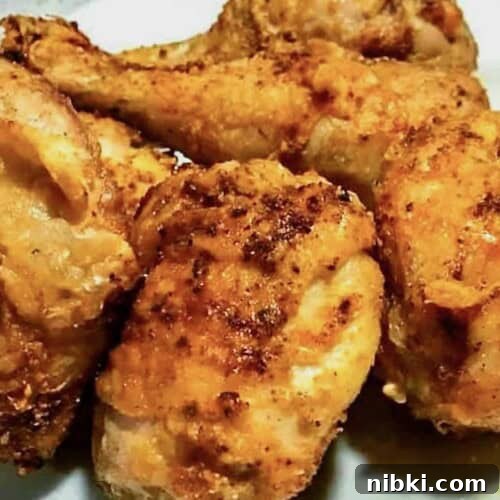
Air Fryer Fried Chicken Recipe | Crispy, Juicy & Easy
-
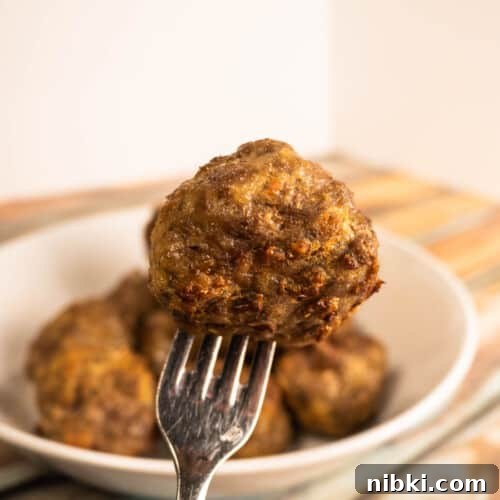
10 Minute Air Fryer Meatballs Recipe
-
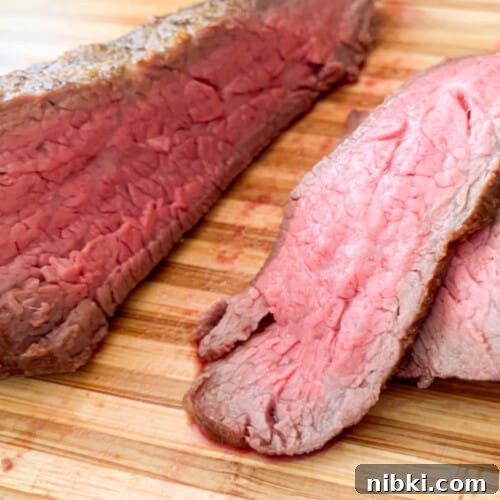
Oven Roasted Tri Tip Recipe
-
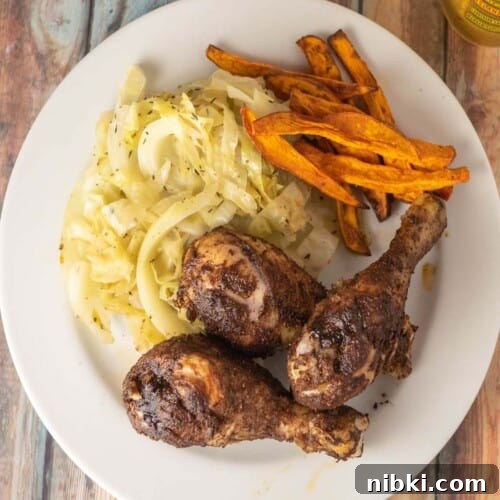
Air Fryer Chicken Leg Quarters (Island Style)