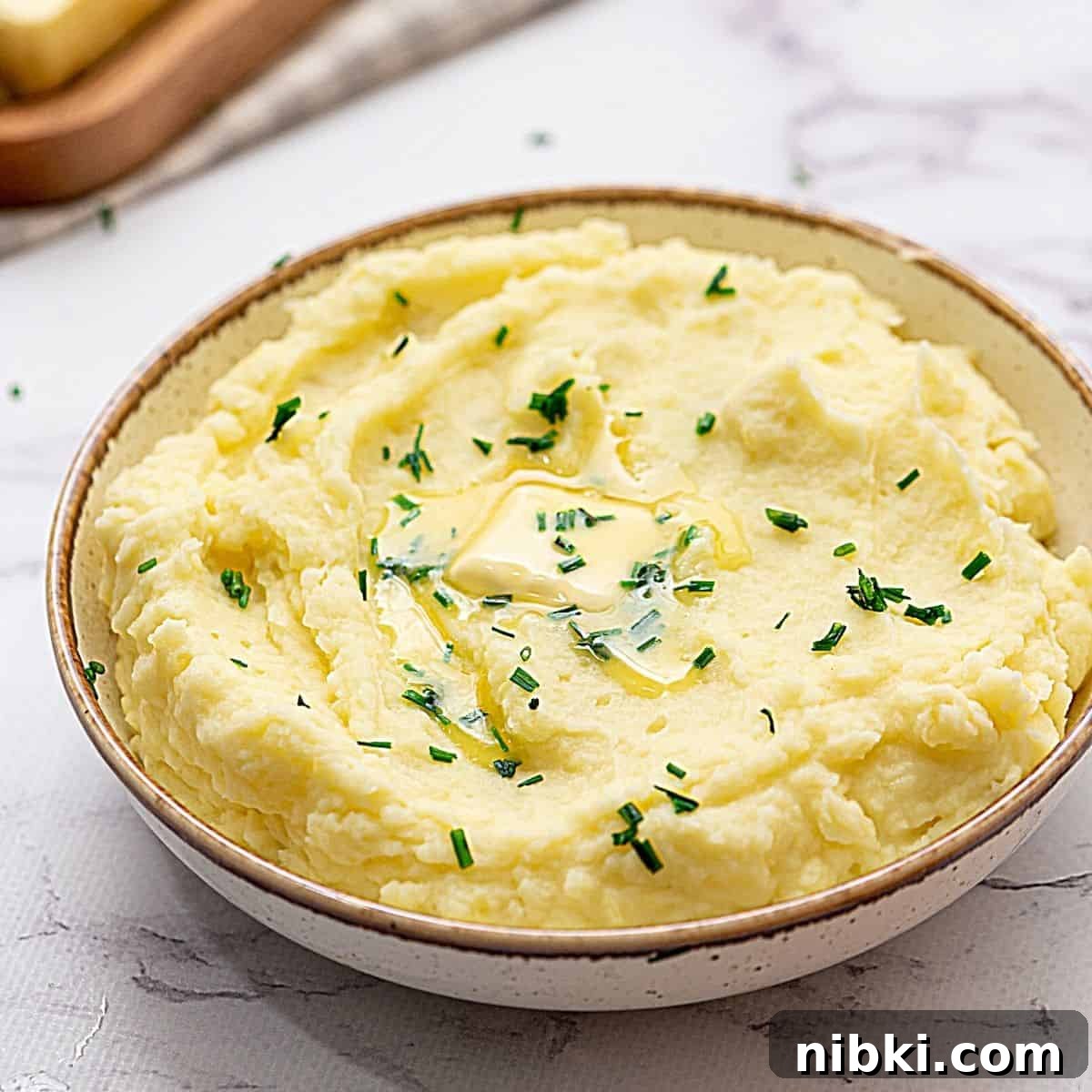
When it comes to making mashed potatoes that are creamy, buttery, and fluffy, this is the recipe to turn to. A few professional tips turn ordinary potatoes into smooth, flavorful mashed potatoes that are never gummy, lumpy, or bland. These mashed potatoes are reliable, crowd-pleasing, and may well steal the spotlight at dinner.
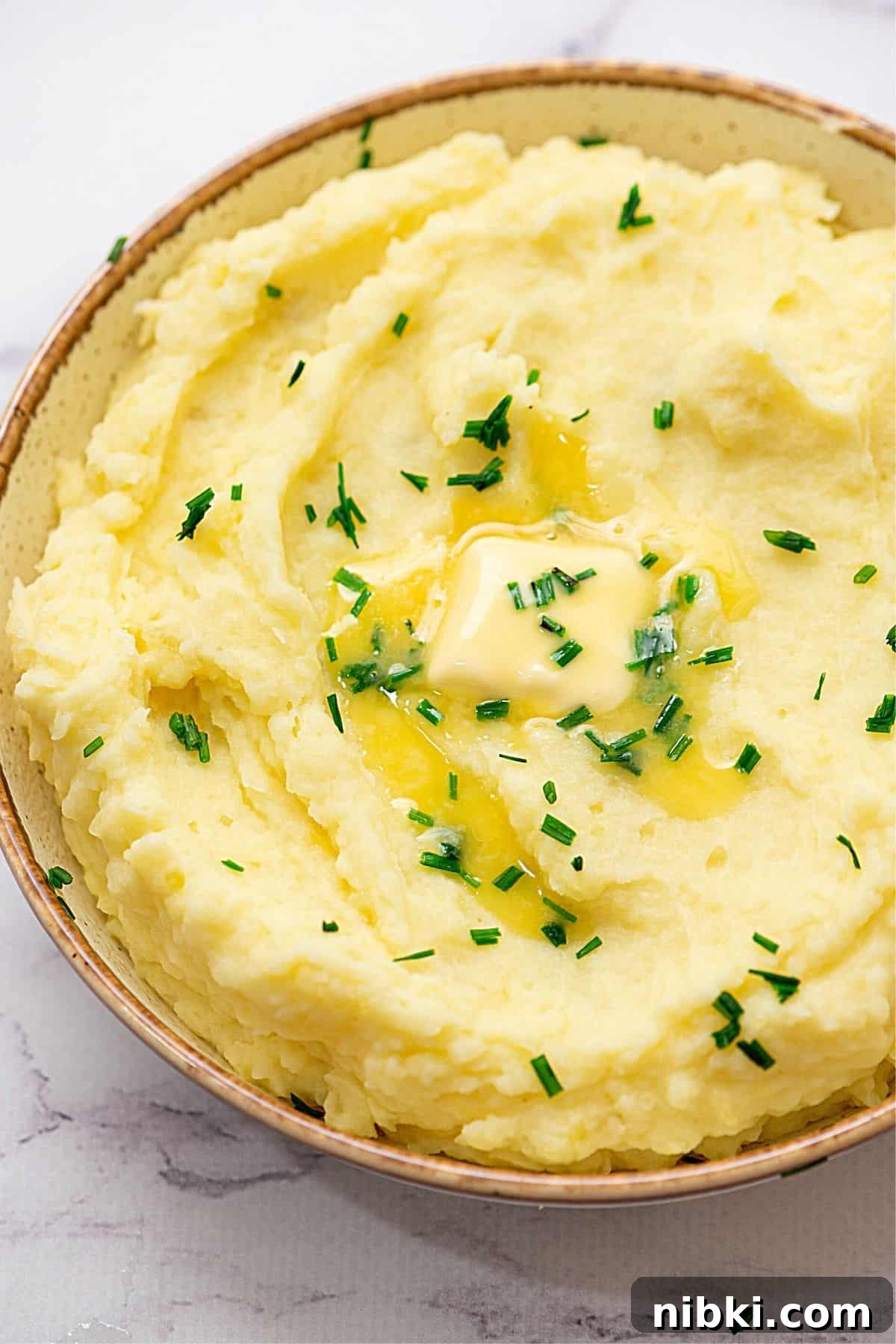
Kristen’s Keys for Perfect Mashed Potatoes
A few simple but important tips make all the difference when you want homemade mashed potatoes with perfect texture and dependable flavor.
- Start with the right potato. Starchy potatoes such as Yukon Gold or Russet produce the light, cloud-like texture you want. Waxy varieties (red or white) are better for smashed or roasted preparations. Yukon Golds are especially nice for their naturally buttery flavor and silky texture.
- Return the potatoes to the hot pot. After draining, put the potatoes back in the warm pot for a minute or two so excess moisture can evaporate. This prevents watered-down mashed potatoes and concentrates the potato flavor.
- Skip the electric mixer. Use a hand masher, ricer, or food mill for smooth results. A mixer can overwork the potatoes and make them gluey.
- Warm your dairy. Cold butter and milk can make the potatoes seize up and become dense. Gently warming the butter and milk helps the potatoes stay light and absorb flavor.
- Add sour cream. A scoop of sour cream gives a creamy, tangy finish that lifts the flavor and helps preserve an airy texture.
5-Star Reader Review
They really ARE perfect mashed potatoes! Very tasty, great texture! Thank you!!! – Mo ⭐⭐⭐⭐⭐
How to Make the Best Homemade Mashed Potatoes
Making mashed potatoes is straightforward, but following these step-by-step instructions will help you achieve the best possible texture and flavor every time.
Step One: Boil Potatoes
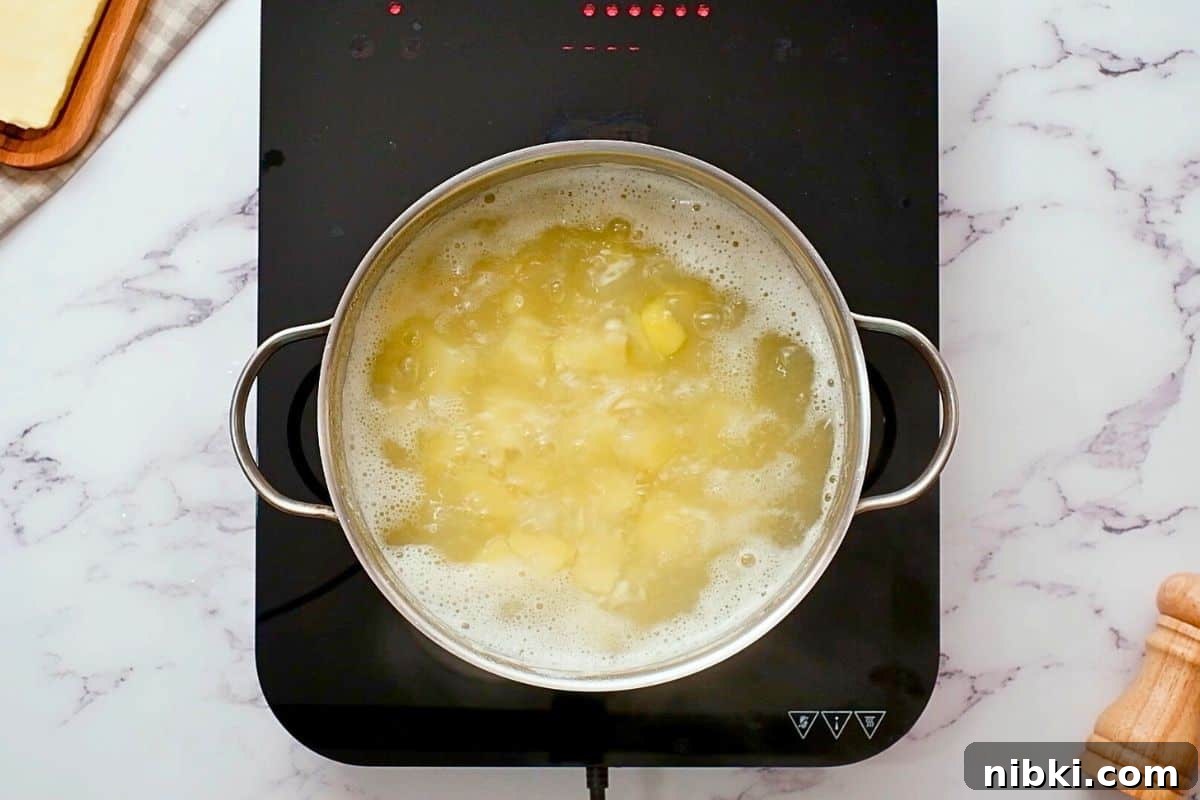
Peel and chop potatoes into evenly sized 1-inch chunks. Place them in a large pot, cover with cold water, and add about 1 tablespoon of kosher salt so the potatoes are seasoned from the start. Bring to a rapid boil over high heat, then reduce to a simmer and cook until fork-tender, about 15–20 minutes.
Always start with cold water rather than adding potatoes to boiling water—this ensures even cooking so you don’t end up with mushy outsides and undercooked centers.
Step Two: Remove Extra Moisture
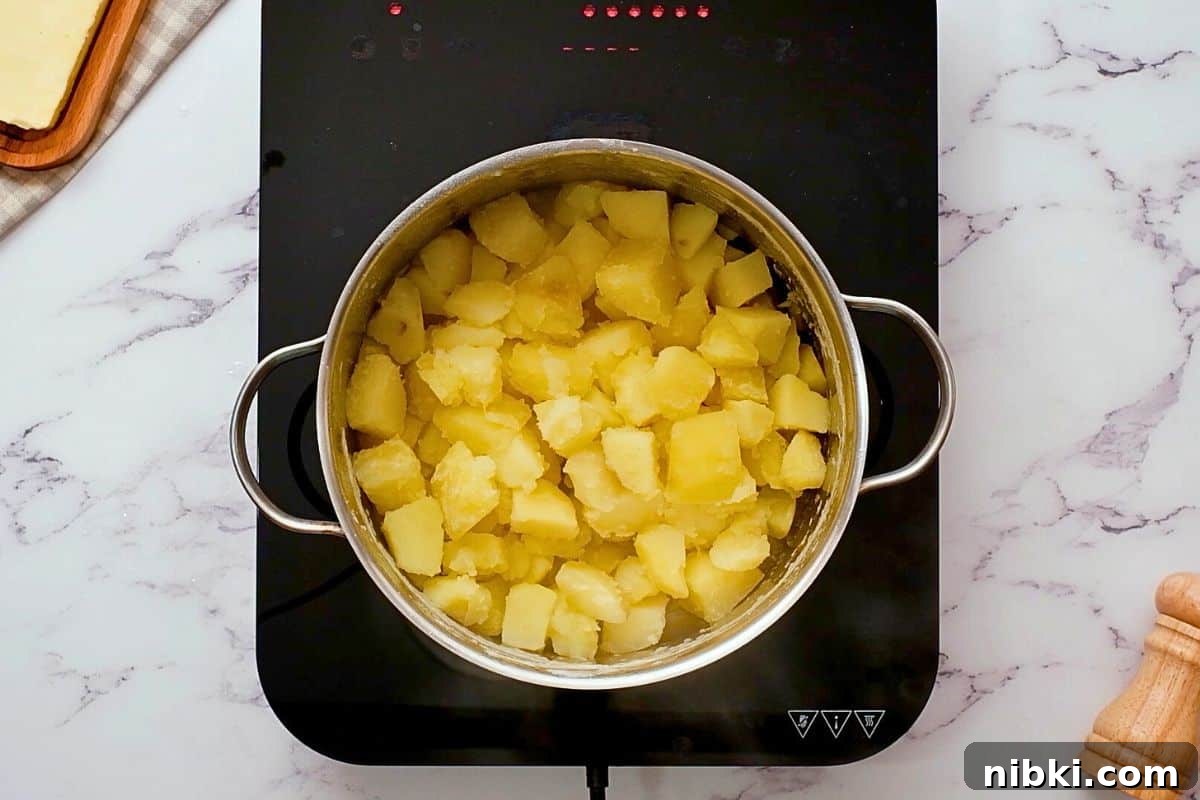
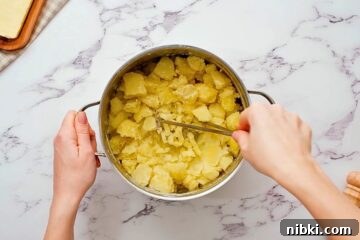
Drain the potatoes thoroughly in a colander. Return them to the hot, dry pot and place over low heat for 1–2 minutes, stirring once or twice. This allows residual steam to escape and concentrates the potato flavor so your final mash isn’t watery.
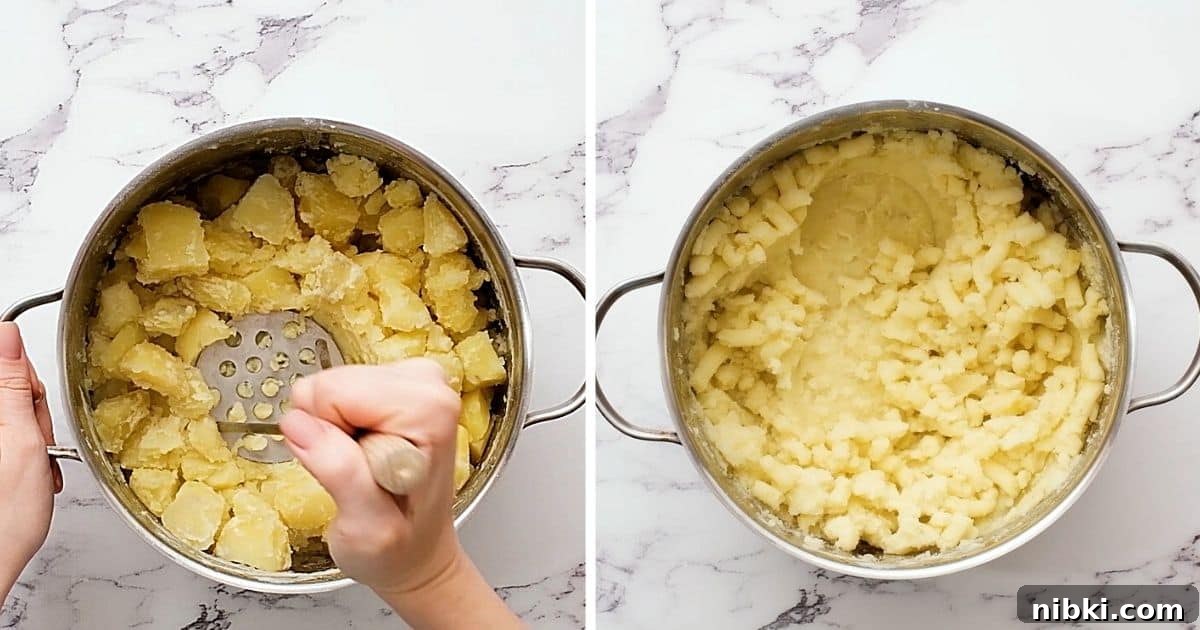
Step Three: Mash Potatoes
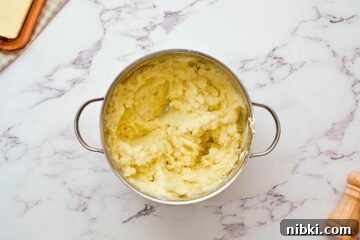
For the creamiest texture, pass the drained potatoes through a ricer or food mill, or mash them with a handheld potato masher until smooth. Avoid a stand or hand mixer to prevent overworking the starches.
Step Four: Warm Milk and Butter
Gently heat milk (or cream) and butter together in a small saucepan over low heat or in a heat-safe measuring cup in the microwave until the butter is melted and the dairy is just warmed. This prevents chilling the potatoes and helps the fat incorporate smoothly.
Step Five: Finish Mashed Potatoes
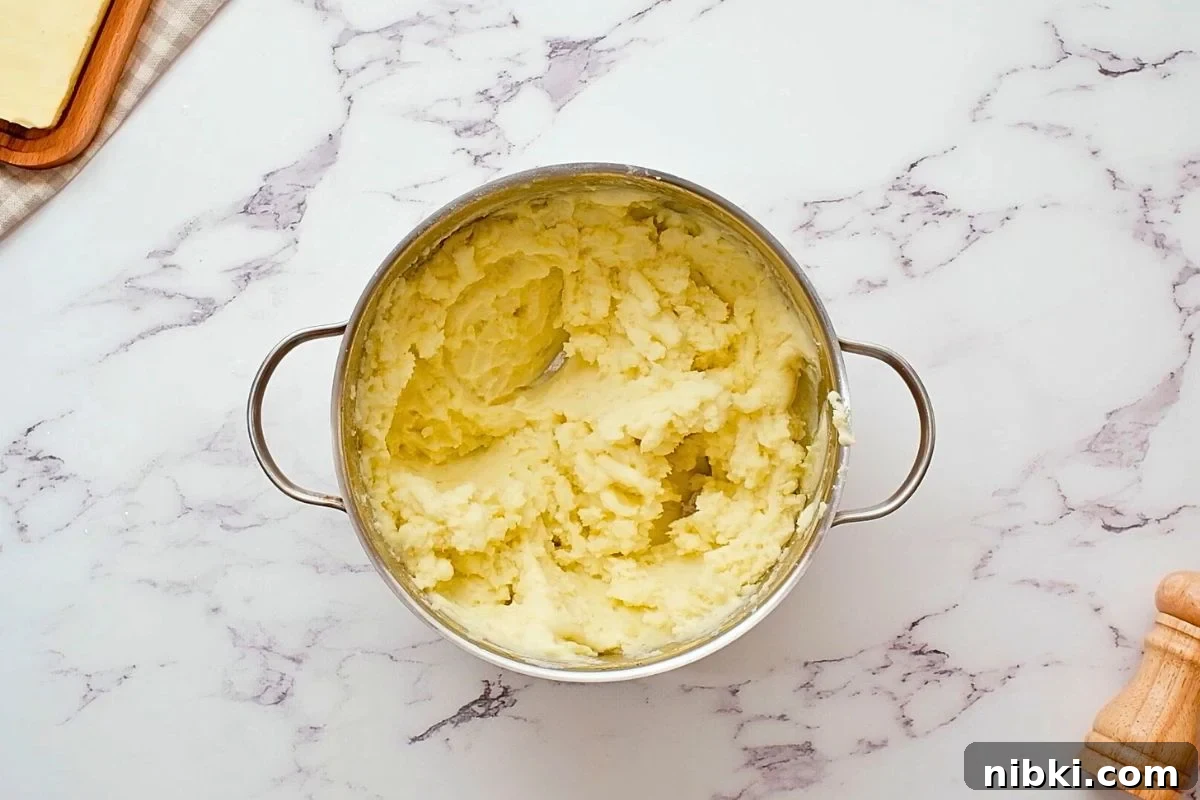
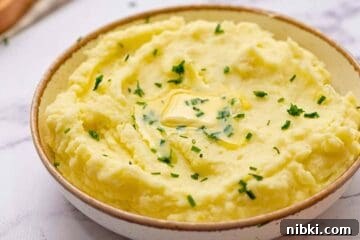
Add the warm butter and milk to the mashed potatoes a little at a time, folding gently until fully absorbed and fluffy. Stir in sour cream for a creamy, tangy finish, and season with kosher salt to taste. Potatoes tolerate a bit more salt than you might expect, so taste and adjust before serving.
How Much Should You Make?
Plan on about ½ pound of potatoes per person as a side. That means roughly 2 pounds for four people and 5 pounds for ten. If your household loves mashed potatoes, make extra — they reheat well and are great for leftovers.
Serving & Storage Tips
- Holding warm: Keep mashed potatoes warm in a heat-safe bowl set over a pot of simmering water (a makeshift double boiler). Cover loosely and stir occasionally; they will hold well for about an hour.
- Storage: Refrigerate leftovers in an airtight container for up to 4 days or freeze in a freezer-safe bag for up to 2 months. To reheat, place thawed mashed potatoes in a covered casserole dish in a 350°F oven until warmed through; add a splash of milk to restore creaminess.
- Turn leftovers into new dishes: Leftover mashed potatoes are versatile — make potato cakes, potato tacos, pierogi-style dishes, or use them as a quick Shepherd’s Pie topping.
Serving Suggestions
These buttery mashed potatoes are simple enough for a weeknight and elegant enough for holiday dinners. Pair them with roasted or braised meats, glazed ham, turkey, beef, pork, or hearty vegetarian mains.
- Instant Pot or roast turkey
- Baked ham
- Crockpot beef or pork roasts
- Pan-seared steaks or chops
Homemade Mashed Potatoes
Ingredients
- 3 pounds russet or Yukon Gold potatoes, scrubbed clean
- ¾ cup milk or cream (see notes)
- 3 tablespoons unsalted butter
- ½ teaspoon kosher salt, plus more to salt the cooking water
- ½ cup sour cream (full-fat or reduced fat; not fat-free)
Instructions
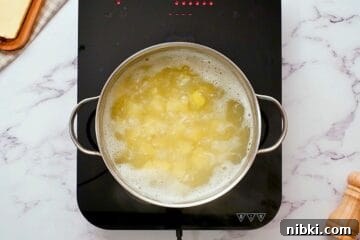
- Peel and cube the potatoes into 1-inch pieces. Place them in a large stockpot and cover with cold tap water. Add 1 tablespoon kosher salt to the water.
- Bring to a rapid boil over high heat, then reduce to medium and simmer until the potatoes are fork-tender, about 15–20 minutes.
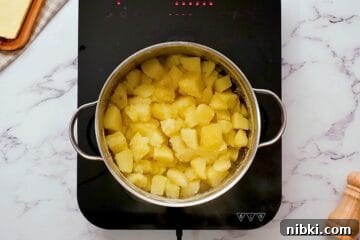
- Drain the potatoes thoroughly and return them to the hot pot. Place over low heat and cook 1–2 minutes, stirring, to evaporate residual moisture.
- Pass the potatoes through a ricer or mash with a handheld masher until smooth.
- Warm the ¾ cup milk or cream and 3 tablespoons butter together until the butter melts. Slowly fold the warm dairy into the mashed potatoes until absorbed and creamy.
- Fold in ½ teaspoon kosher salt and ½ cup sour cream. Taste and adjust seasoning. Serve with extra butter if desired.
Equipment
- Large stock pot
- Potato masher
- Ricer or food mill (optional, for extra-smooth results)
Notes
Potatoes: Yukon Golds are preferred for their buttery flavor and silky texture; Russets also work. Avoid waxy red or white potatoes for mashing.
Milk/Cream: Use whole milk, half-and-half, or cream for the richest results. Lower-fat milk will still work but yield a lighter finish.
Serving Size: Aim for about ½ pound of potatoes per person when served as a side.
Hold Warm: Keep mashed potatoes warm in a heat-safe bowl over simmering water (a double boiler) and cover loosely; stir occasionally.
Storage: Refrigerate leftovers up to 4 days or freeze up to 2 months. Reheat covered at 350°F until warmed through, adding a splash of milk to restore creaminess if needed.
Nutrition
Nutrition information is an approximation.
This post was originally published in 2017.